
Engineered for high durability and strict European safety compliances
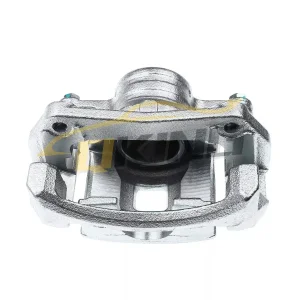
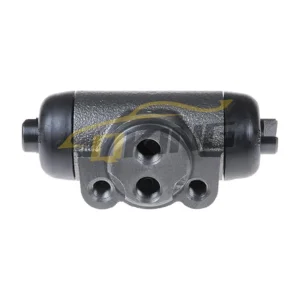
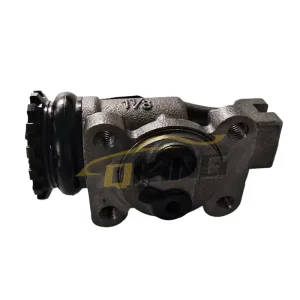
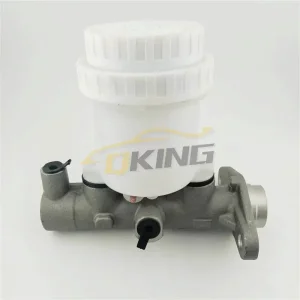
An Industrial Deep Dive into Material Requirements, Climate Stresses, and Sourcing Strategies
Sweden's geography presents one of the most grueling operating environments globally for light and heavy-duty vehicles. In winter, transit agencies and municipal operations rely heavily on calcium chloride and magnesium chloride road de-icers. When combined with slush, these chemical treatments create an extremely corrosive, high-salinity paste that adheres to chassis undercarriages and brake caliper assemblies.
For Swedish automotive aftermarket buyers and Tier-1 suppliers, standard brake calipers deteriorate rapidly under these conditions. Severe oxidation leads to guide pin binding, piston seizure, and uneven pad wear. Therefore, components destined for the Swedish market must undergo rigorous, extended salt spray chamber testing (typically exceeding 720 to 1,000 hours in accordance with ISO 9227) and feature high-durability surface coatings such as Geomet 360, Zinc-Nickel (Zn-Ni) plating, or advanced electrostatic powder coatings.

Sweden's northern provinces frequently experience temperatures dropping to -40°C. Standard ethylene propylene diene monomer (EPDM) rubber formulations used in piston dust boots and guide pin sleeves can turn brittle, crack, and fail at these extreme temperatures. A compromised boot allows moisture and road salt to penetrate the caliper bore, initiating internal corrosion and resulting in catastrophic brake failure.
To meet the needs of Swedish commercial fleets, bus networks, and passenger vehicles, the elastomeric materials must maintain elasticity and sealing integrity at temperatures as low as -45°C. Partnering with a supplier that utilizes low-temperature tested silicone or specialized high-grade EPDM is critical to ensuring vehicle uptime and keeping drivers safe during harsh winters.
Decades of Engineering Leadership, High-Capacity Manufacturing, and Strict Quality Certifications
Established in 2007, Wuhu Qiujing Auto Parts Co., Ltd. has evolved into a global leader in automotive brake components. The founder has been deeply engaged in automotive brake parts engineering since 1996, creating a company culture built around the ethos "Safety First". Today, the company operates a state-of-the-art facility designed to satisfy the rigorous technical specifications of demanding markets like Sweden.
To serve the Swedish market, automotive components must comply with European Union directives and international standards. Our manufacturing processes are fully certified under the following quality management systems:
| Caliper Parameter | Swedish Operational Challenge | Wuhu Qiujing Engineered Solution | Measurable Benefit |
|---|---|---|---|
| Base Housing Material | Extreme pressure and thermal shock | High-tensile Ductile Iron (GJS400 / GJS500) | Prevents deflection and maintains caliper stiffness under heavy braking |
| Surface Protection | Road salt spray & high humidity levels | ISO 9227 compliant Geomet 360 / Zn-Ni Plating | Zero red rust formulation after 1000 hours of continuous exposure |
| Piston Seal Material | Severe sub-zero winter temperatures | Low-temp EPDM rated down to -45°C | Ensures piston retraction, prevents leaks, and avoids brake drag |
| Manufacturing QC | High risk of assembly-level failure | 100% End-of-Line High/Low Pressure Testing | Guarantees zero-defect shipping and direct out-of-the-box installation |
Navigating the Shift to Regenerative Braking and Green Logistics
Sweden leads the world in transition speed toward green transportation and electric vehicle (EV) fleet operations. With companies like Volvo Trucks and Scania investing heavily in battery-electric heavy machinery and municipal bus systems, the demands on brake caliper engineering are evolving rapidly. This shift introduces two primary challenges that direct-factory suppliers must solve:
Because EVs utilize regenerative electric motor braking to recover kinetic energy, mechanical friction brakes are used far less frequently. As a result, the caliper pistons, slide pins, and pads remain idle for longer periods of time. Moisture, salt, and dirt settle on these components without being cleared by the heat and friction of regular braking. If a caliper is not engineered with premium seals and anti-seize slide-pin boots, the assembly will seize quickly. Our factories address this issue by incorporating custom boot geometry and special lubricants designed for extended idle periods.
Every kilogram saved on unsprung vehicle weight translates to longer range for battery-electric vehicles. Wuhu Qiujing's engineering department continuously designs high-strength aluminum alloy calipers and optimized thin-walled ductile iron calipers. These designs reduce overall weight by 15-25% without compromising critical structural stiffness or thermal heat-sink properties.
Resolving Sourcing, Logistical, and Technical Queries for Swedish Importers
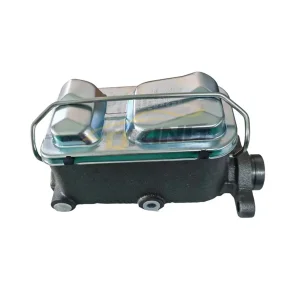
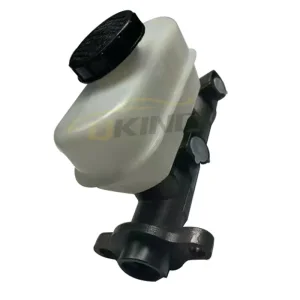
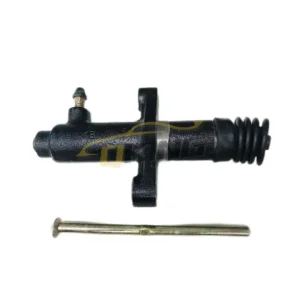
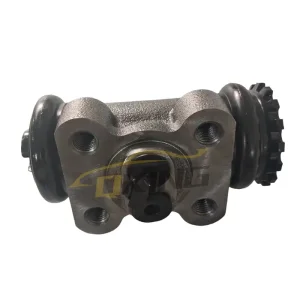
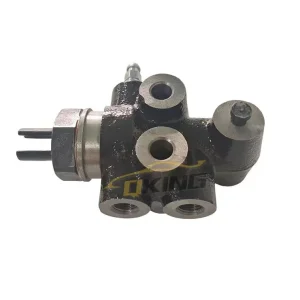
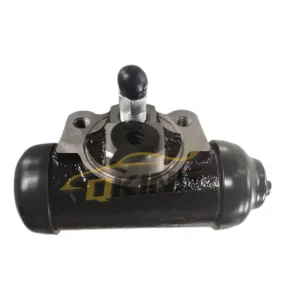
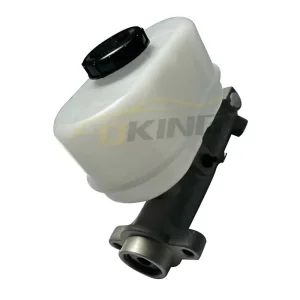
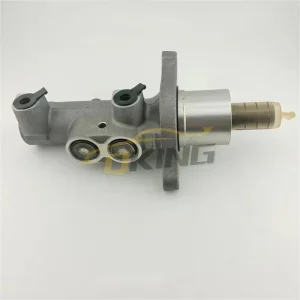
High-precision hydraulic replacement units manufactured to global OEM standards
Get immediate technical consultations, wholesale pricelists, and custom engineering blueprints for your specific Sweden fleet or distribution hub requirements.