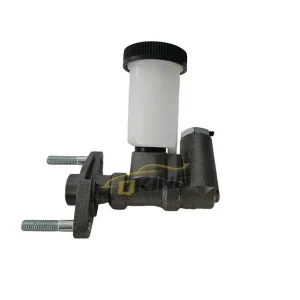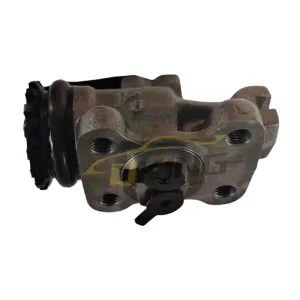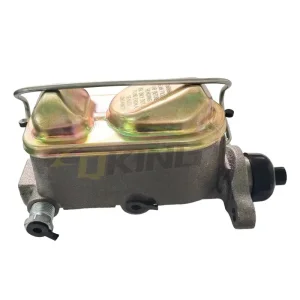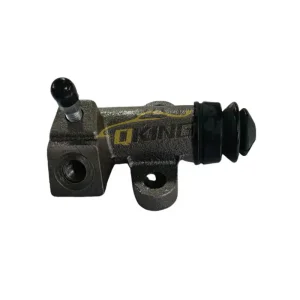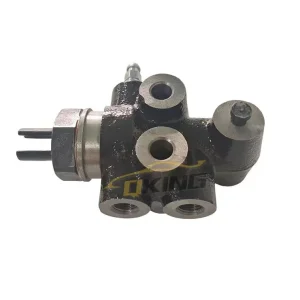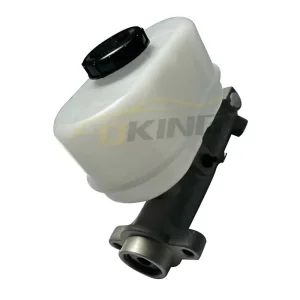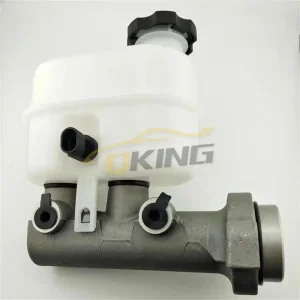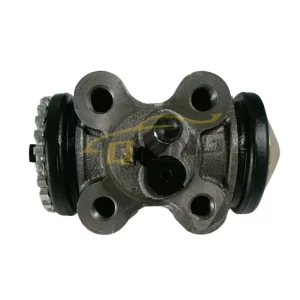
Explore our high-performance line of brake and clutch master cylinders engineered to meet and exceed global safety metrics.
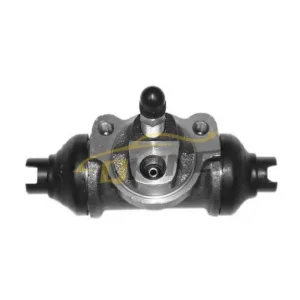
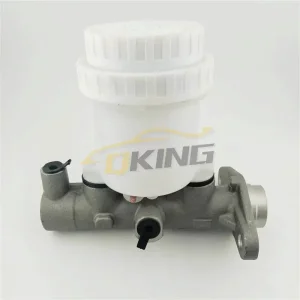
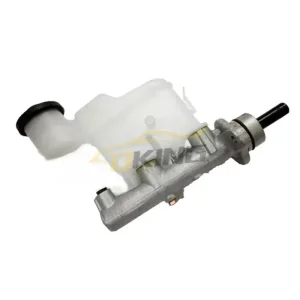
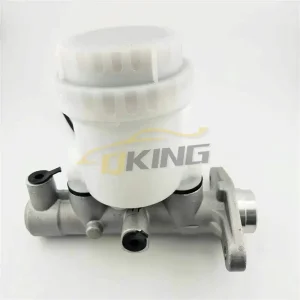
In modern automotive engineering, the Cilindro Maestro (Master Cylinder) represents the cornerstone of active safety. Acting as the primary pressure transducer within hydraulic brake and clutch operations, its design integrity directly determines stopping distances, system response latency, and vehicle stability. Global procurement managers sourcing these vital automotive assets are increasingly confronted with complex trade-offs between unit cost efficiency, long-term durability, and raw-material traceability.
As global automotive logistics face dynamic pressures, sourcing directly from verified factories with built-in engineering capabilities is no longer merely a cost-reduction strategy; it is a critical defensive play to secure supply chain resilience. An OEM-grade Cilindro Maestro must maintain structural integrity under extreme operating pressures (often exceeding 100 bar) and through thermal fluctuations spanning from -40°C to well over 120°C. Therefore, finding a supplier that marries rigorous metal casting protocols with automated micron-level machining is paramount.
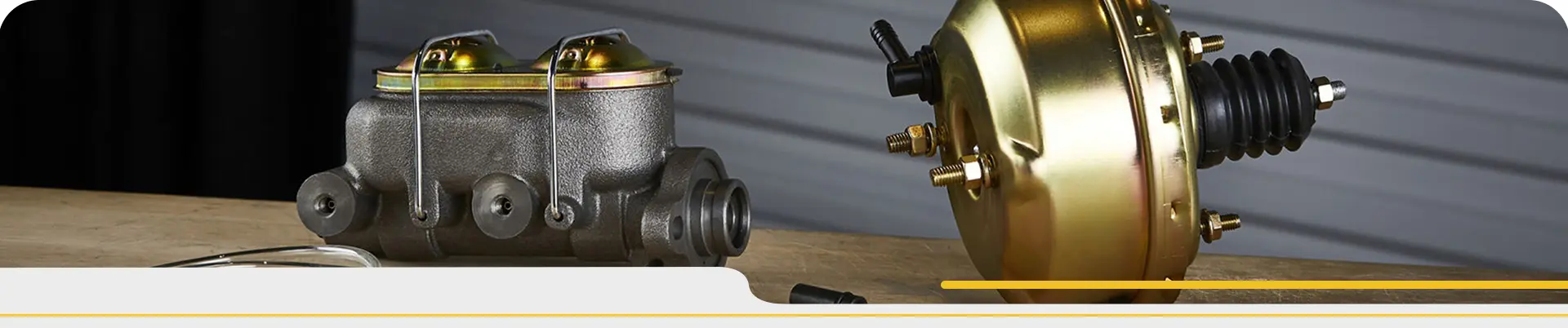

Achieving regulatory compliance and OEM-level lifetime expectancy through precise design choices.
We implement specialized gravity die-casting techniques using premium ADC12 aluminum alloys and high-grade cast iron. Aluminum variants undergo precision anodizing to generate an ultra-hard surface layer, minimizing internal wall wear and maximizing resistance to hydraulic fluid acidity.
Internal cylinder diameter dimensional deviation is restricted within a strict tolerance of ±0.02mm, while surface roughness (Ra) is honed below 0.25μm. This drastically reduces the friction coefficient of EPDM rubber seals, ensuring zero internal fluid bypass and extending mechanical life cycles.
We source premium EPDM rubber compounds formulated for complete chemical compatibility with Dot 3, Dot 4, and Dot 5.1 brake fluids. Standard operating thresholds protect the seals against premature swelling or hardening, maintaining continuous contact even under pressure surges.
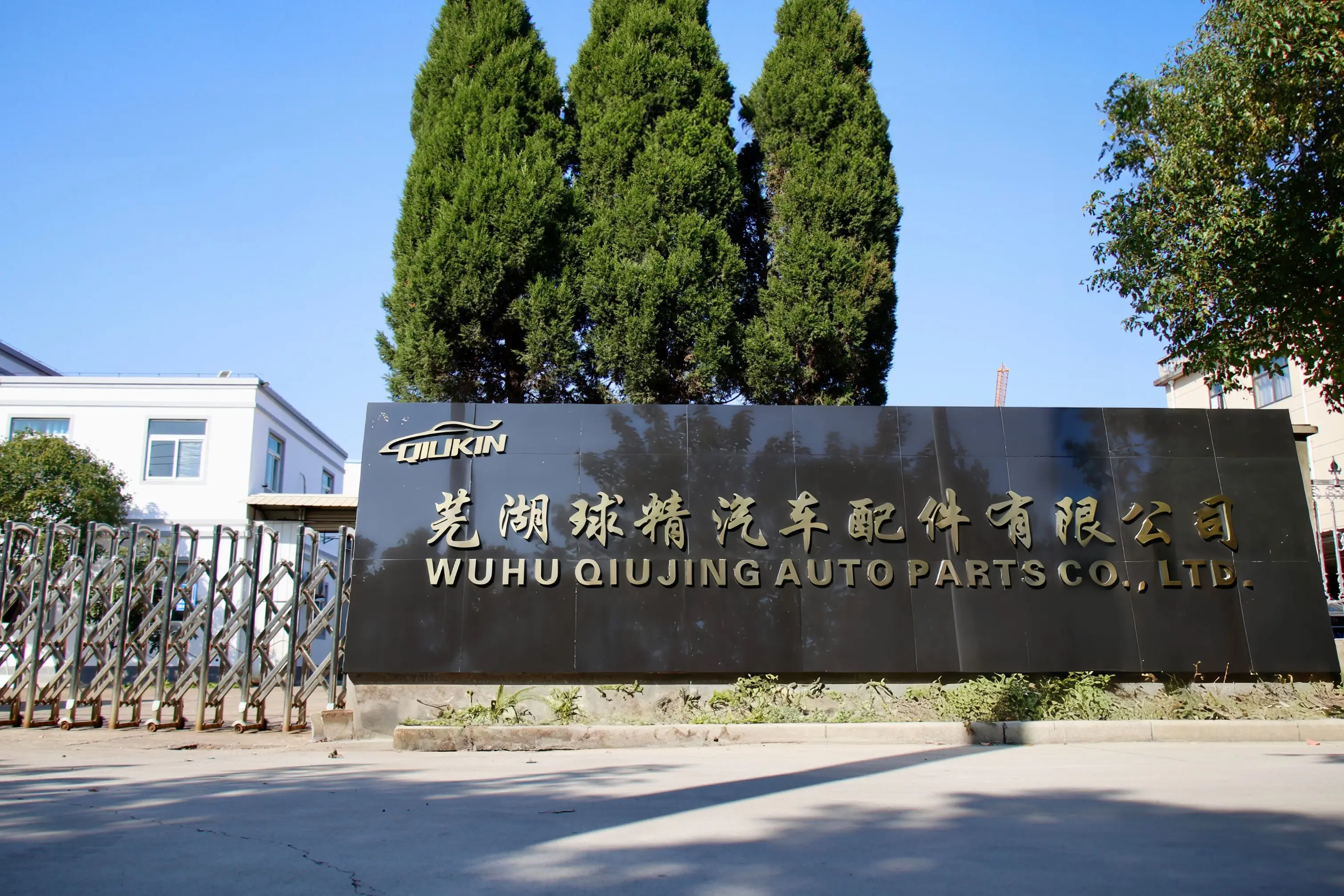
Established in 2007, Wuhu Qiujing Auto Parts Co., Ltd. has developed into a preeminent hub for vehicle braking research, casting, and assembly. Backed by leadership with experience extending back to 1996, the factory maintains a library of thousands of distinct master and wheel cylinder references, ensuring coverage across global vehicle architectures including Mazda, Toyota, Isuzu, Mitsubishi, Chrysler, Nissan, and Ford.
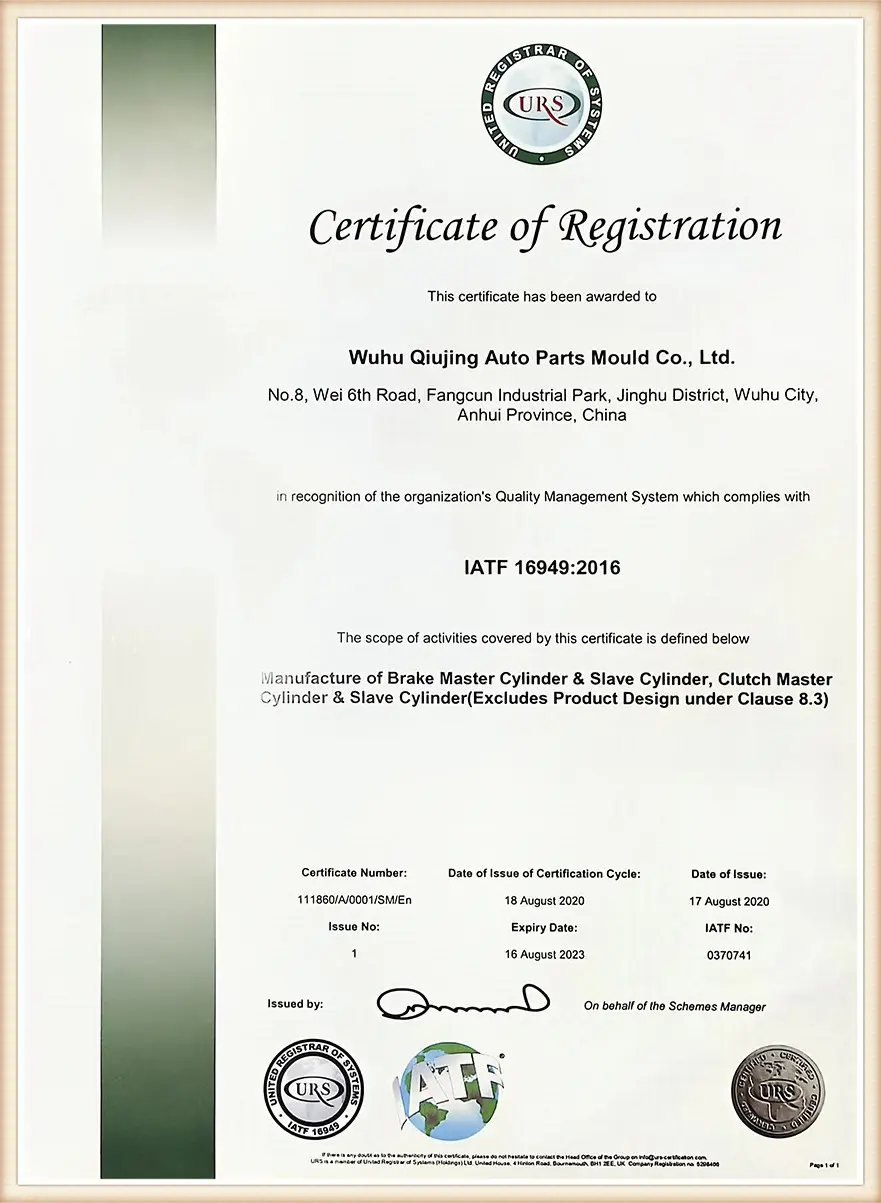
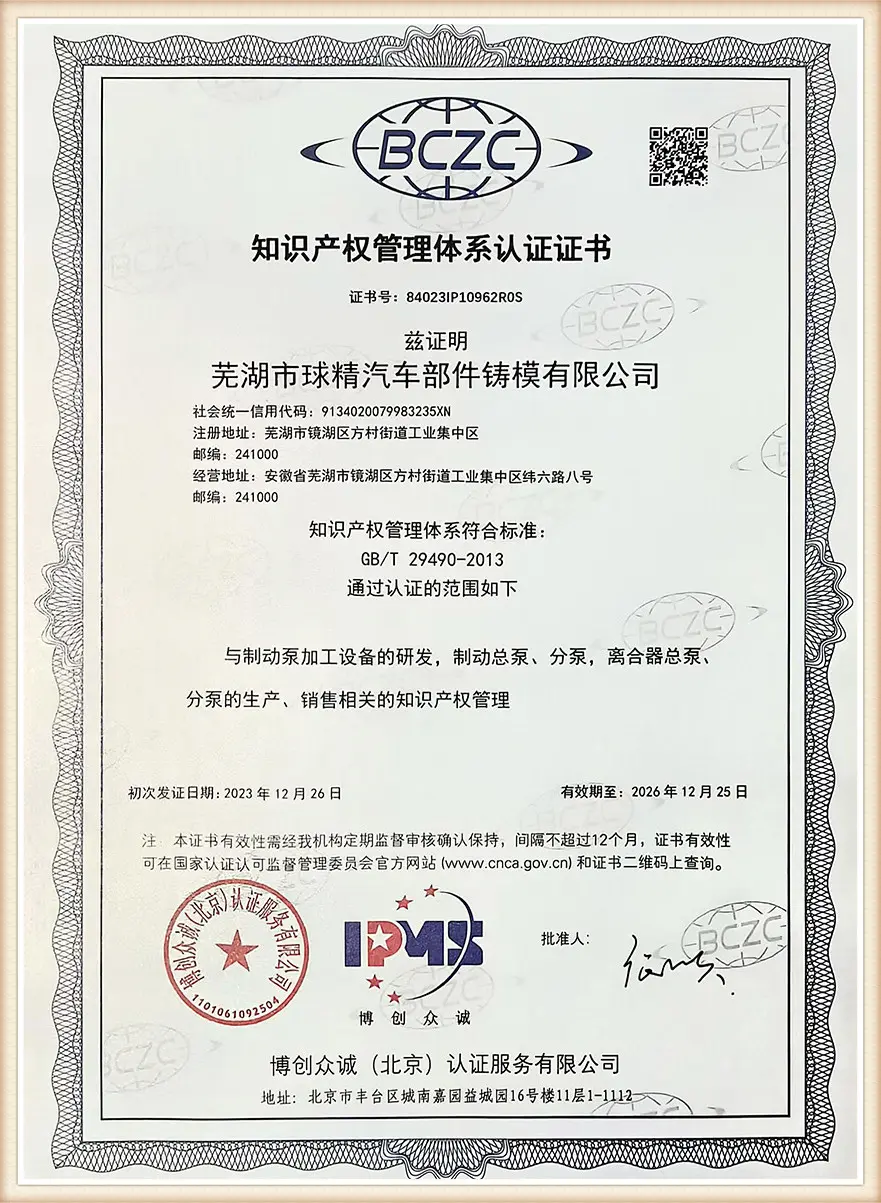
 ISO 9001:2015 & IATF 16949:2016 Certified Quality Systems: Compliant with strict regulatory auditing. Zero-Leakage Assurance: 100% computerized high-pressure hydraulic tests and low-pressure pneumatic integrity checks. End-to-End Vertical Supply Chain Integration: In-house casting, finishing, seal injection, and performance validation.
Explore our core structural divisions. Each layout is engineered for optimal performance, durability under high operating stresses, and compatibility with specific vehicle models.
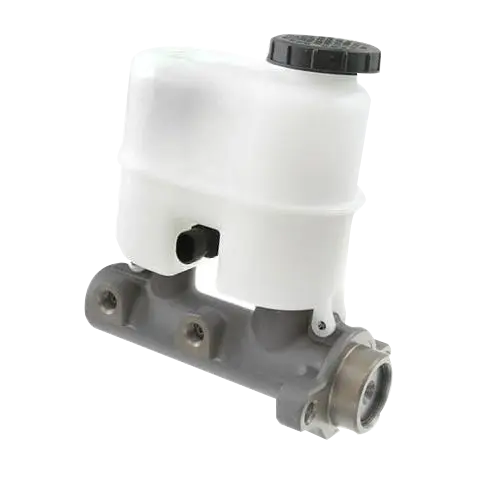
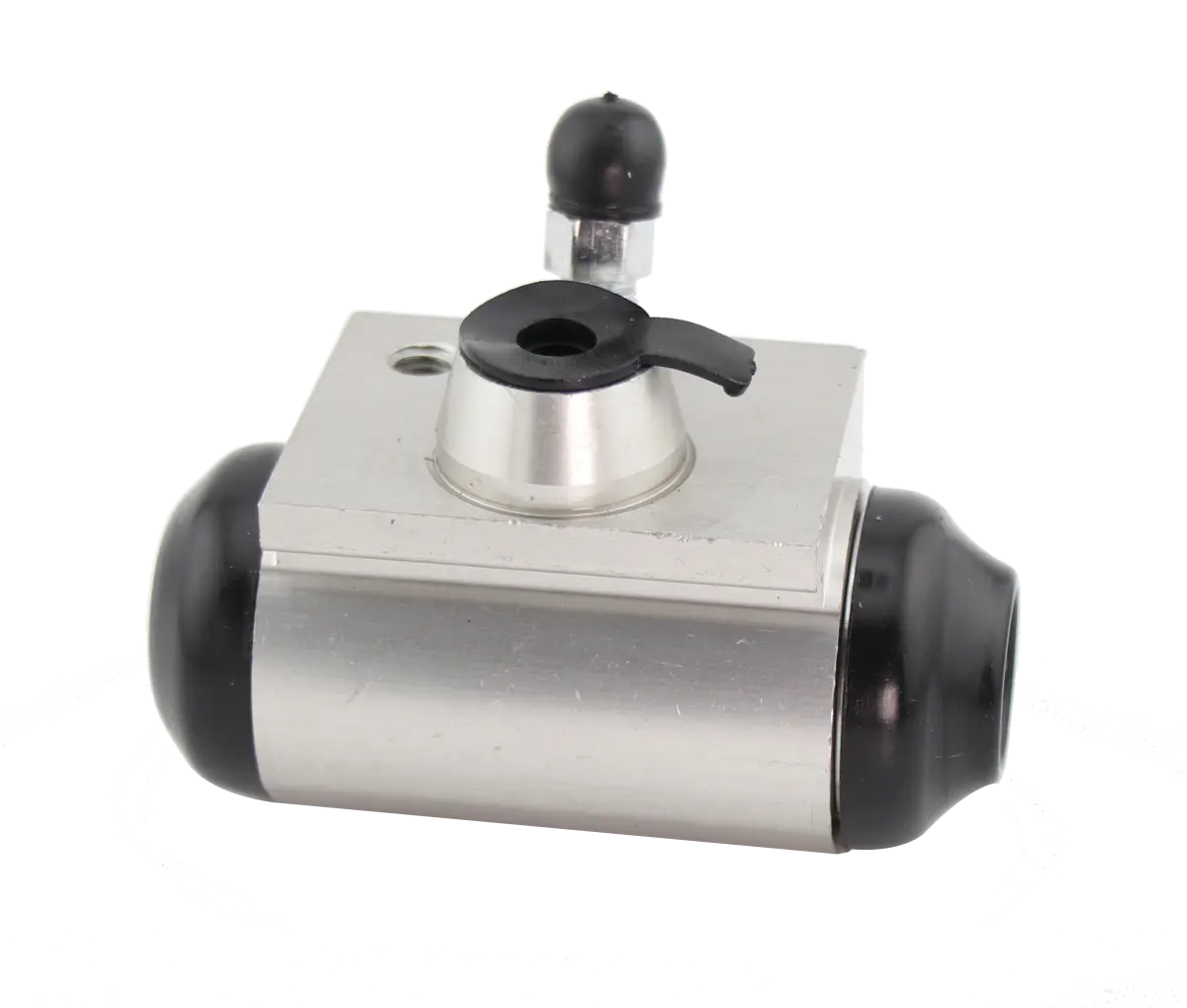
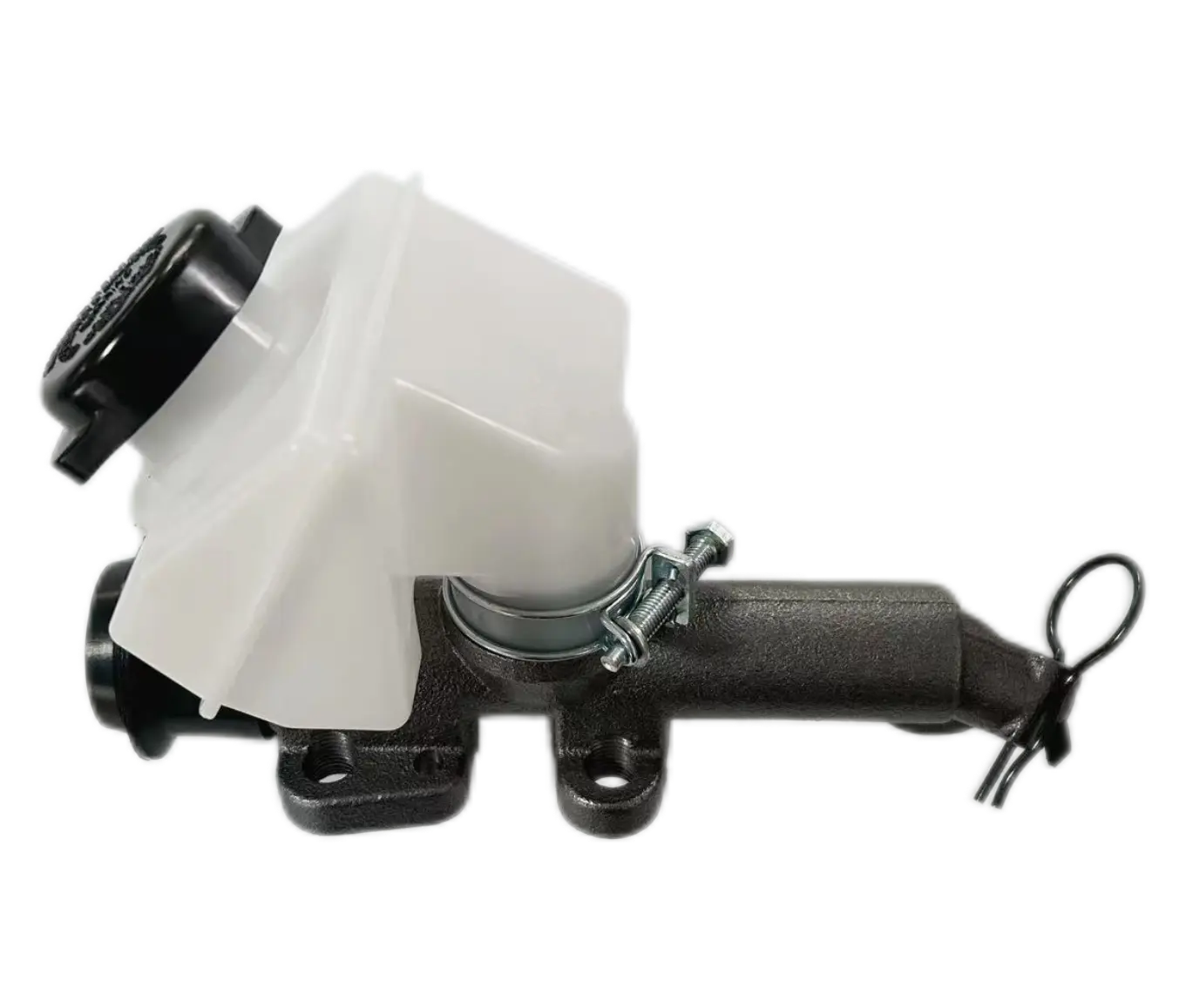
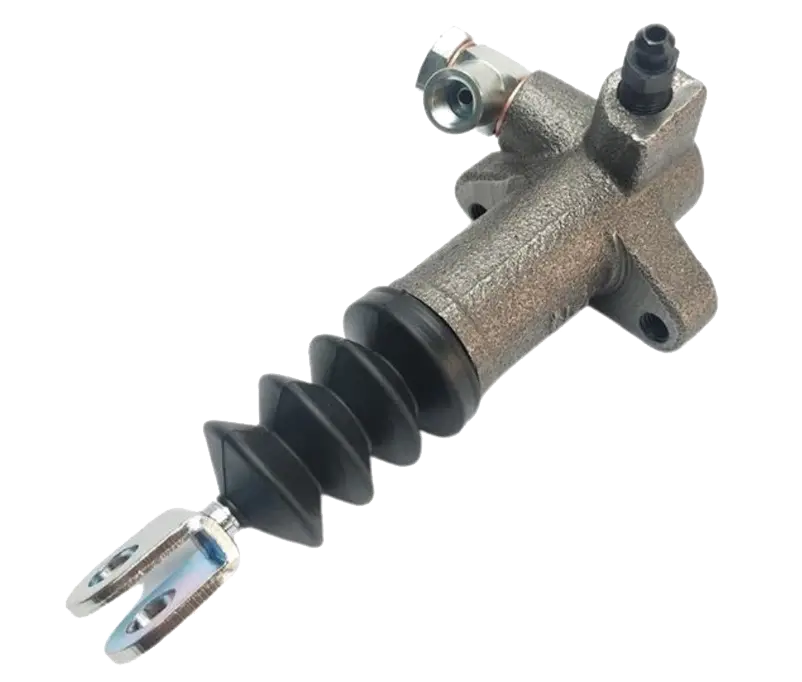
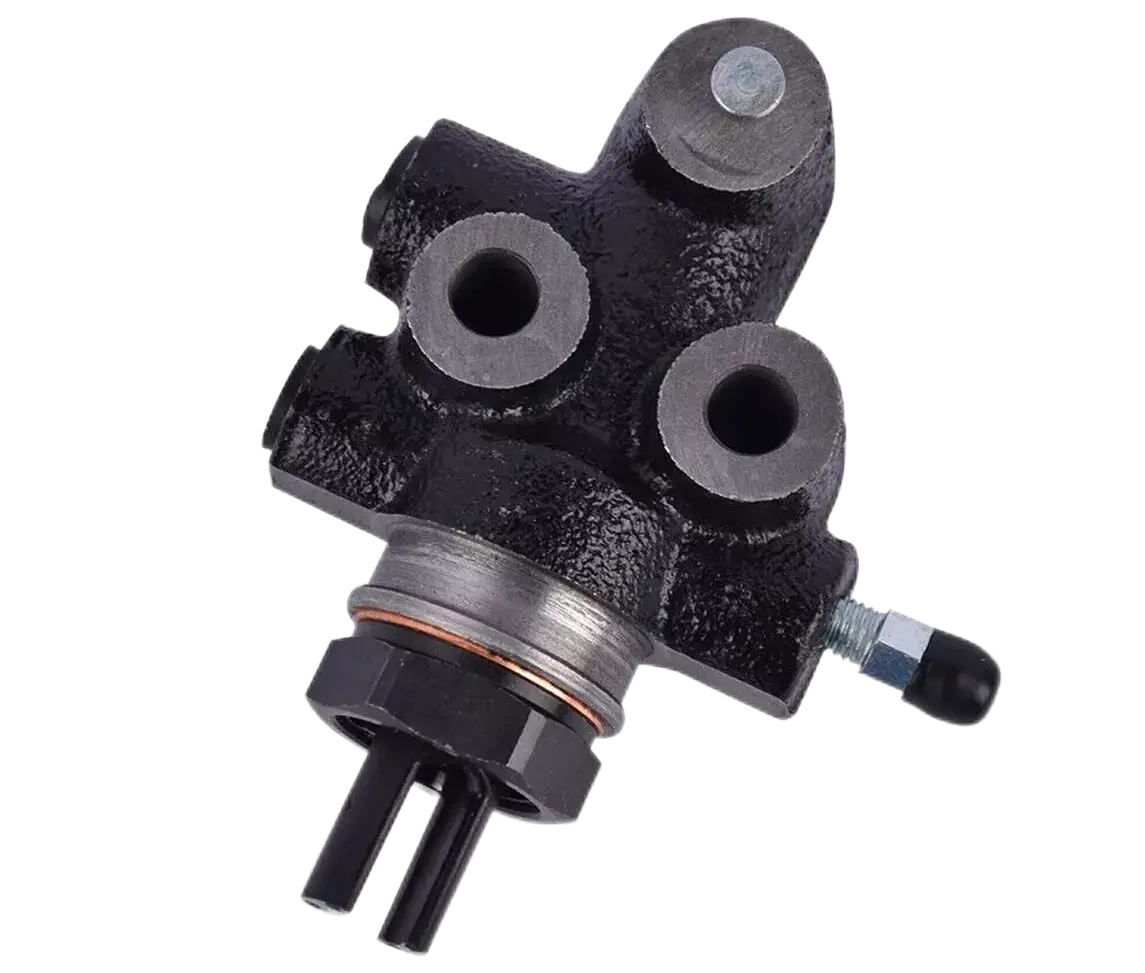
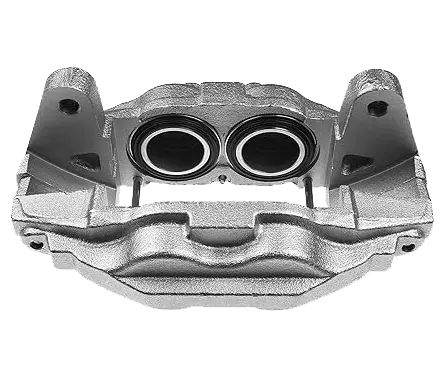
The automotive supply chain requires high reliability, flexibility, and cost efficiency. Under the Factory 4.0 framework, our assembly systems integrate advanced automation with digital tracking. From the entry of raw aluminum ingots to the testing of final assemblies, every phase is continuously logged.
By shifting from older gravity casting molds to pressure-casting automated lines, we minimize microscopic internal voids. This improves overall structural stability, reducing field failures under hydraulic spikes. Automated coordinate measuring machines (CMM) monitor production runs to verify that tolerances do not drift, ensuring consistent quality across high-volume production batches.
For global distributors, this engineering consistency translates to lower warranty claims, predictable delivery times, and stable pricing structures.
Our quality process is supported by strict testing to meet GB/T19001-2016, ISO 9001:2015, and IATF 16949:2016 standards.
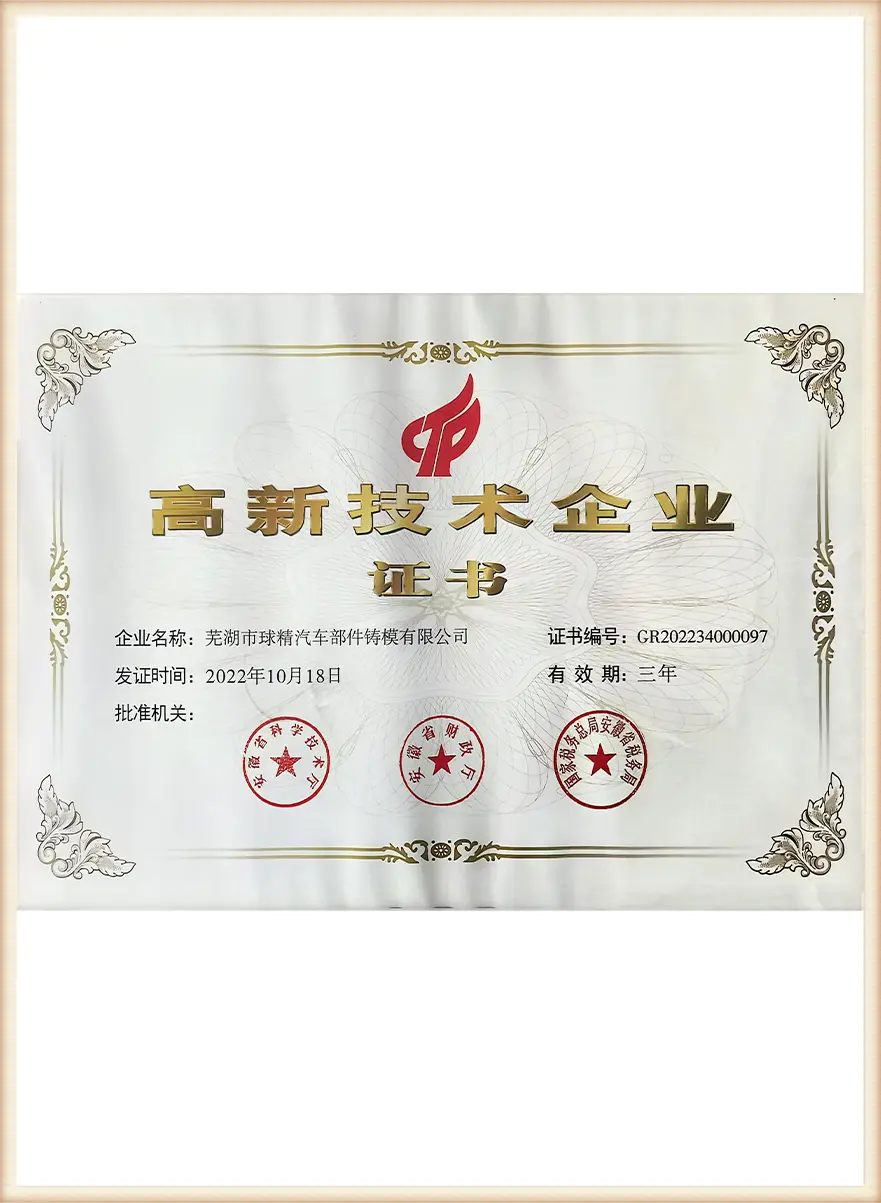
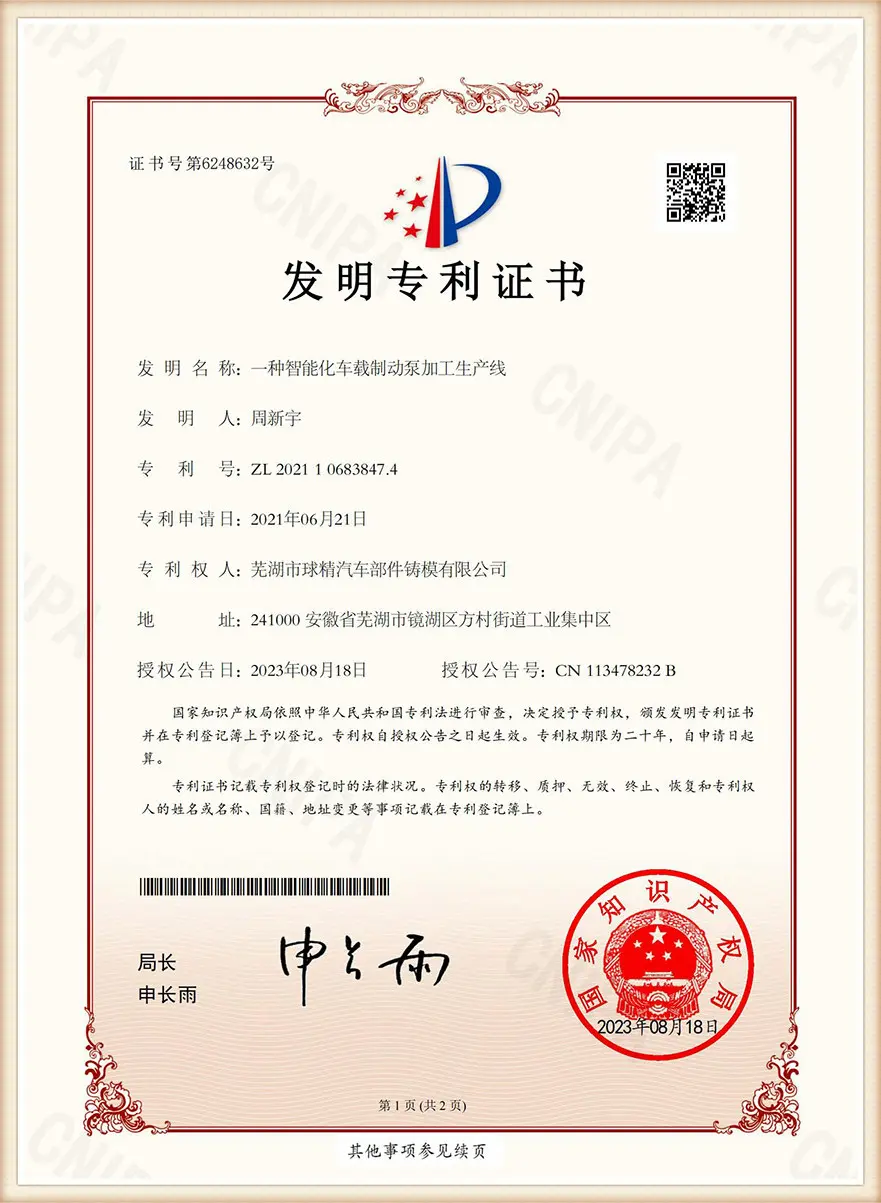
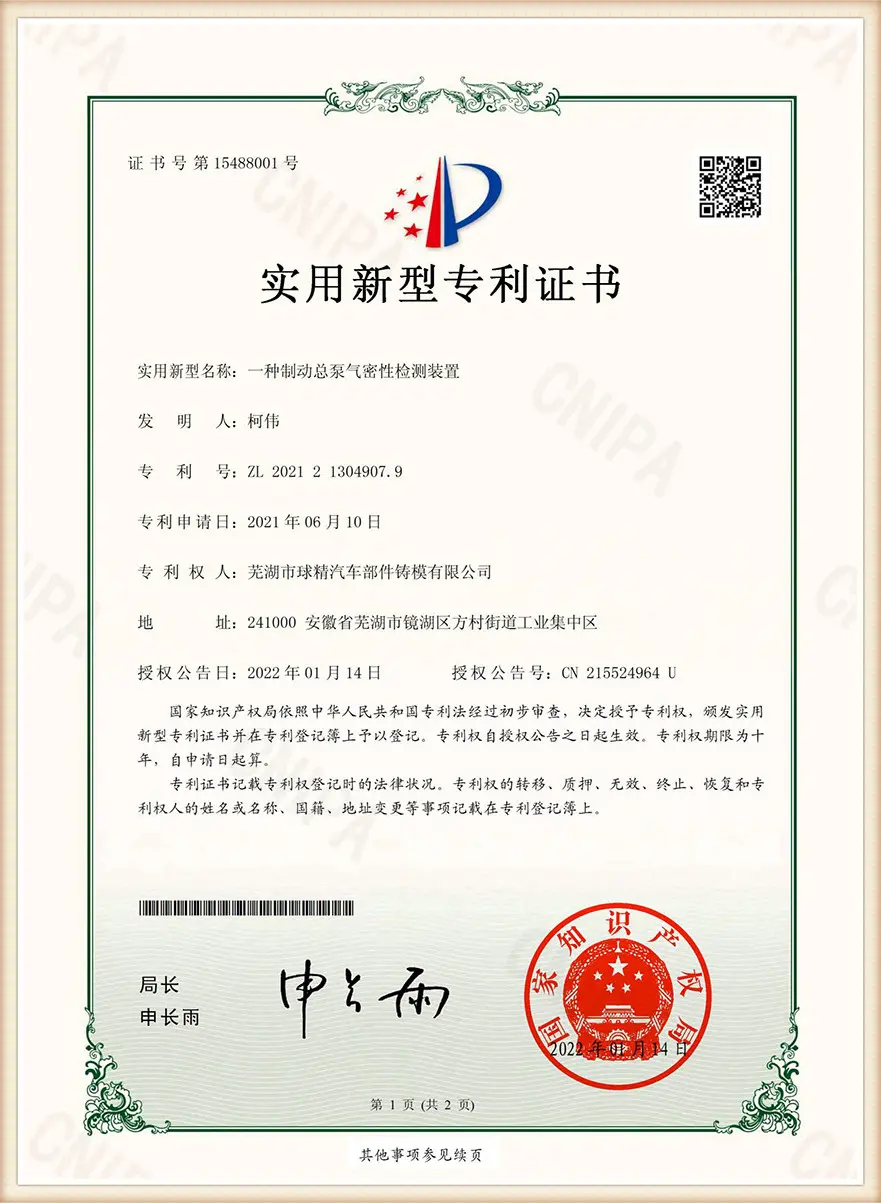
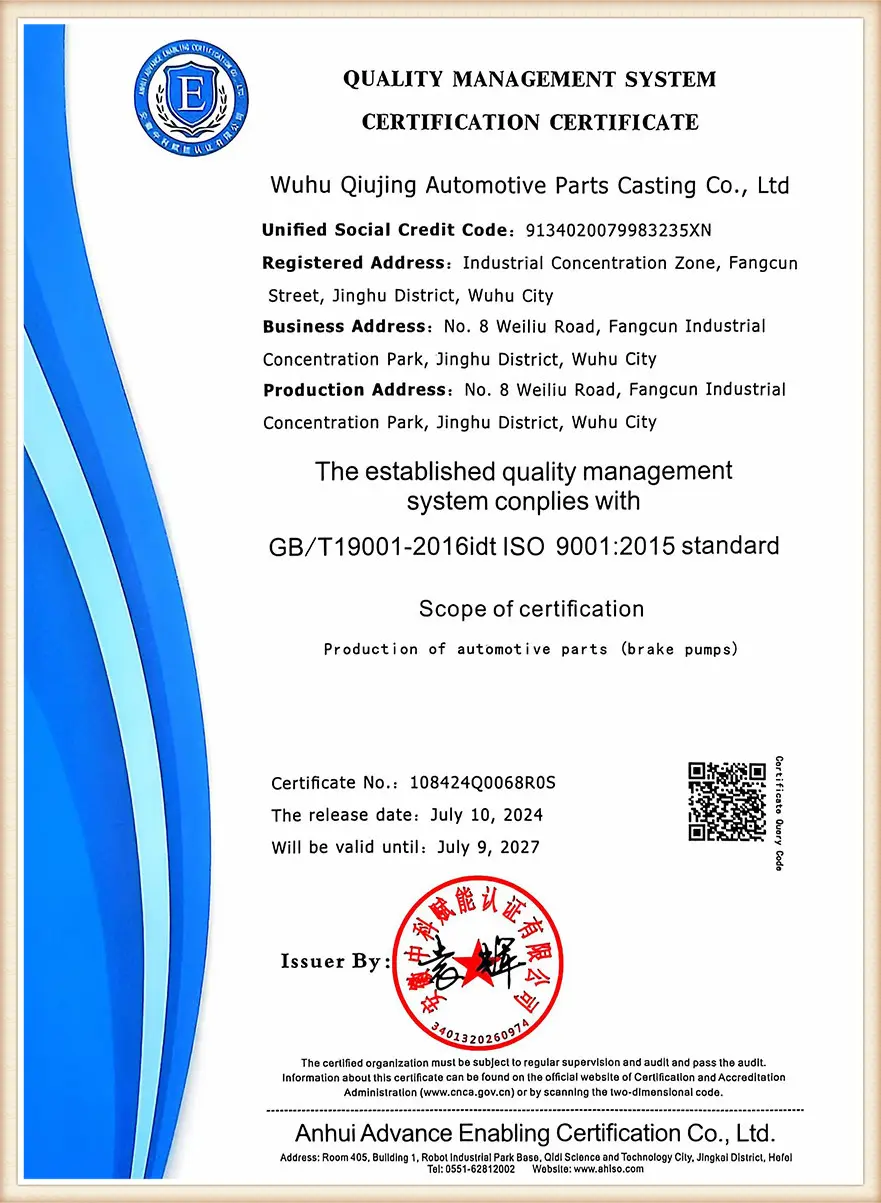
Understand the technical and environmental variables that impact pricing structures and installation success globally.
Wholesale prices depend heavily on metal type (alloy aluminum vs. gray cast iron) and seal performance levels. Standardizing EPDM elastomer compounds helps buffer components against fluid contamination. High-volume container commitments also optimize freight handling and overall costs.
We modify specifications based on regional environments. For cold climates, we source high-elasticity rubber seals to prevent fluid weeping at sub-zero temperatures. For warm, dusty climates, we integrate double-lipped external dust boots to keep fine silica out of the primary bore.
Our engineering database supports diverse international vehicle platforms. We catalog and cross-reference multiple configurations, ensuring fitment with North American heavy-towing architectures, European city hatchbacks, and Asian commercial truck fleets.
Answering critical technical questions to help global procurement teams make informed sourcing decisions.
Stay informed on our manufacturing schedules, seasonal shipping updates, and operational milestones.
Operational schedule adjustments and logistics dispatch notes ahead of the national holiday period.
View Details →
Following seasonal maintenance shutdowns, the production facility is back at full capacity to process pending orders.
View Details →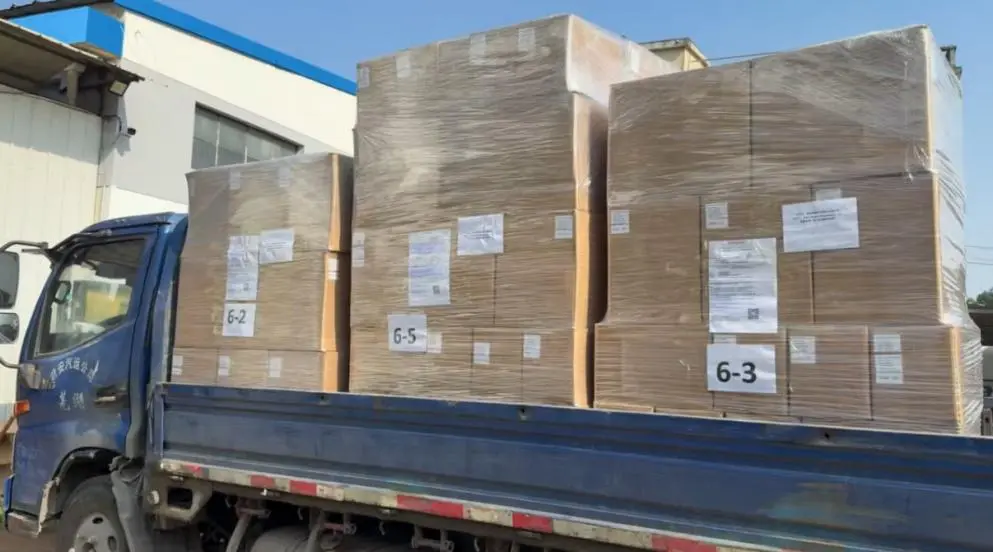
Production and logistics teams coordinate to complete critical customer dispatches before seasonal holidays.
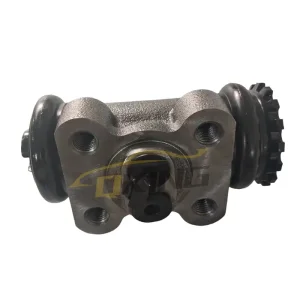
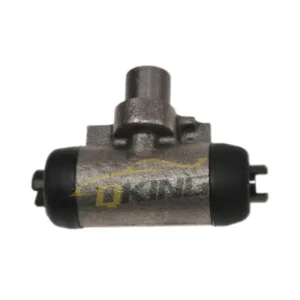
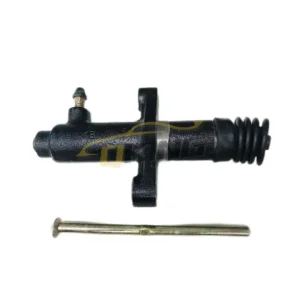
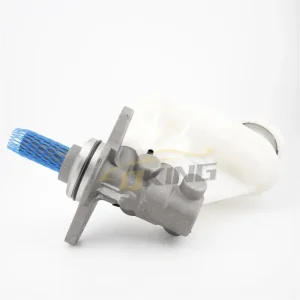
View Details →Complete your sourcing package by exploring our related components, featuring proportioning valves, slave cylinders, and wheel pumps.

Submit your component specifications and volume requirements to receive an analyzed pricelist from our sales engineering team.