Global Braking Systems: Industry Dynamics & Structural Architecture
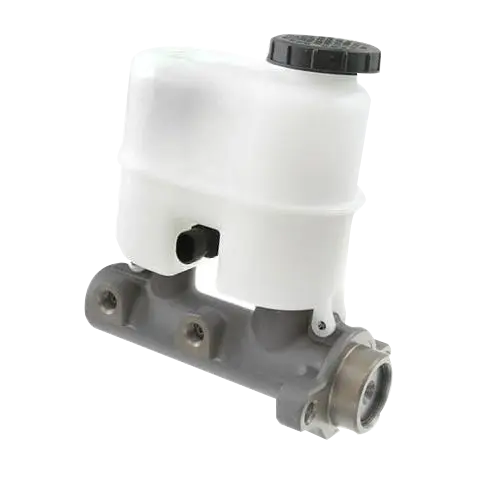
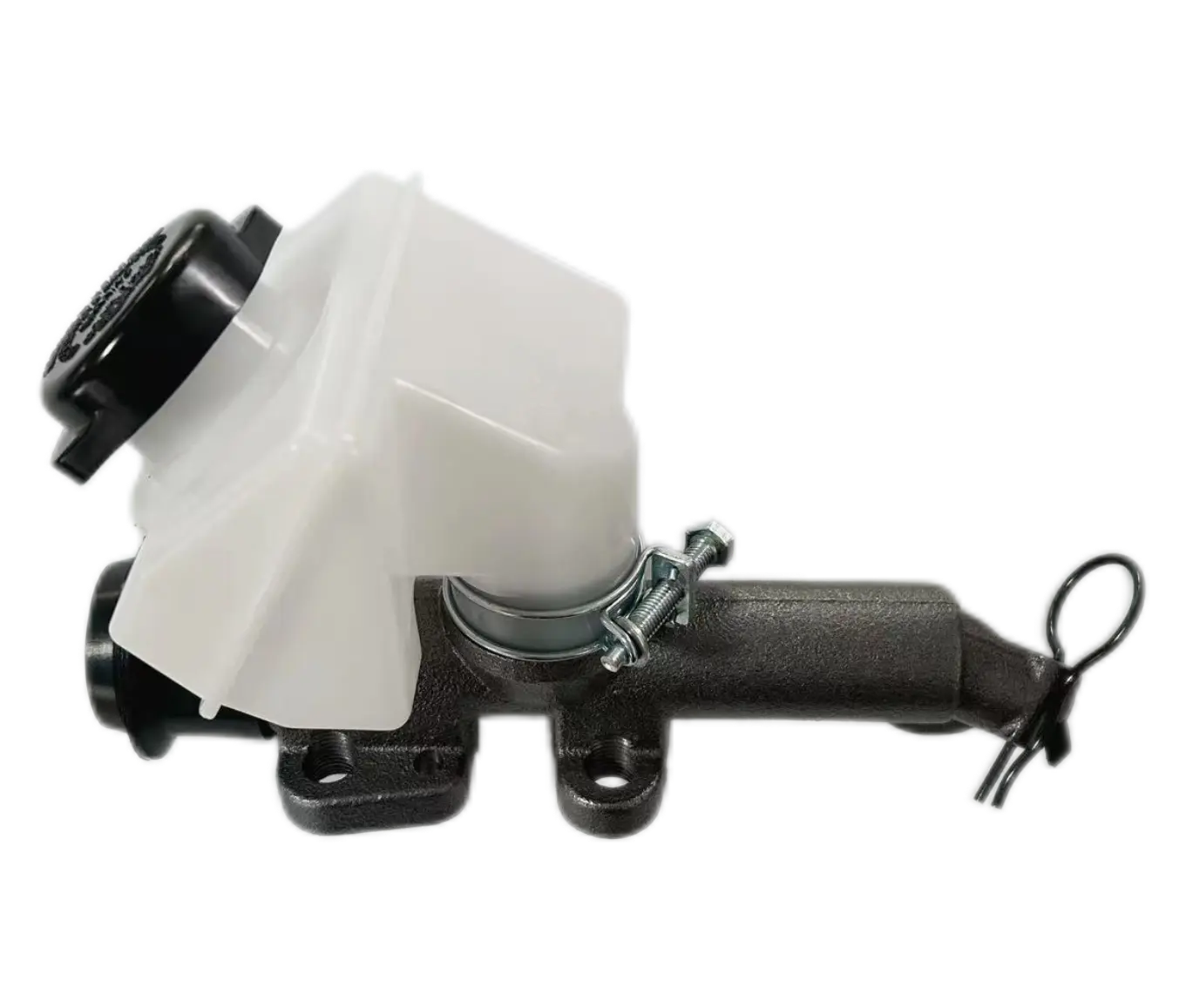
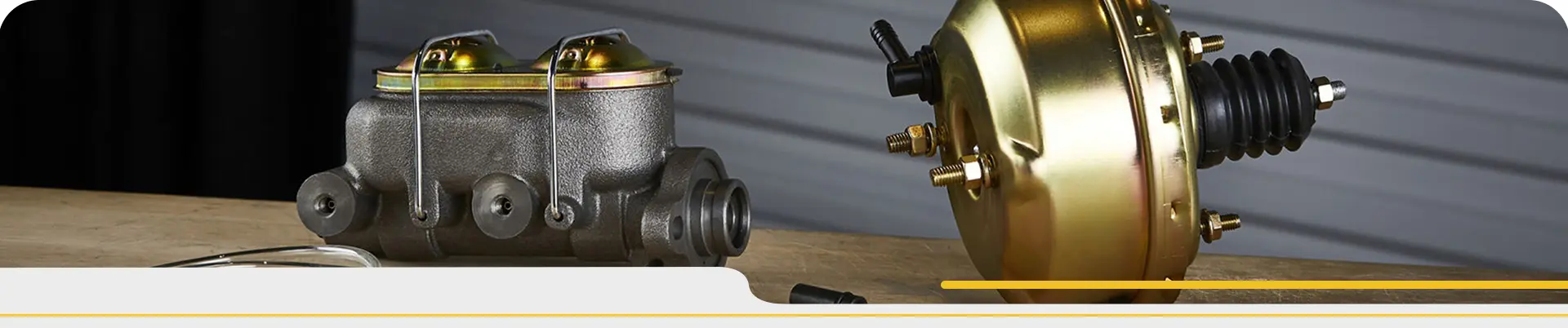
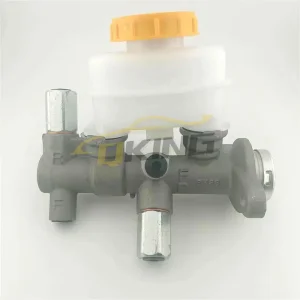
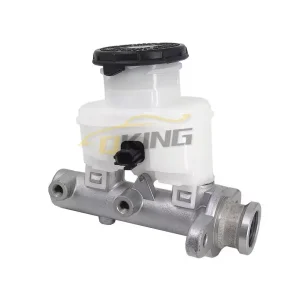
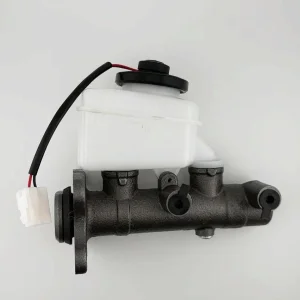
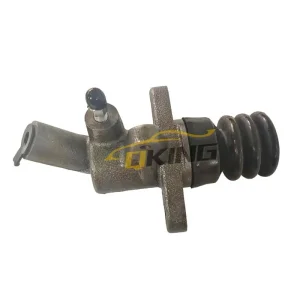
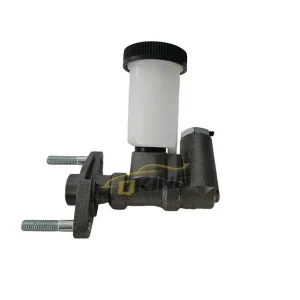
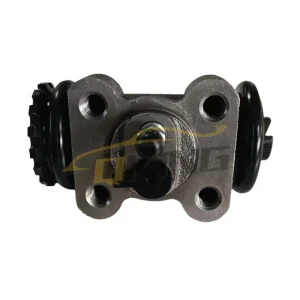
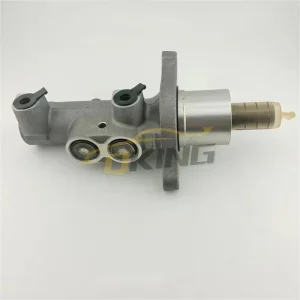
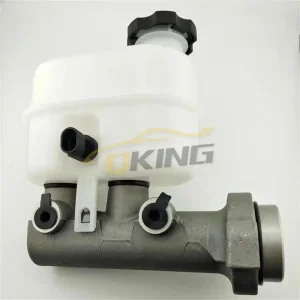
In modern automotive design, the hydraulic brake master cylinder serves as the critical node that translates mechanical driver input—via the brake pedal—into hydraulic pressure. This pressure coordinates front and rear brake actuation to guarantee stable, predictable stopping force. As global transport infrastructure demands higher performance profiles, commercial fleet operators, automotive importers, and industrial buyers require heavy-duty performance profiles that exceed general aftermarket standards.
The Transition to Advanced Hydraulics in Global Fleet Logistics
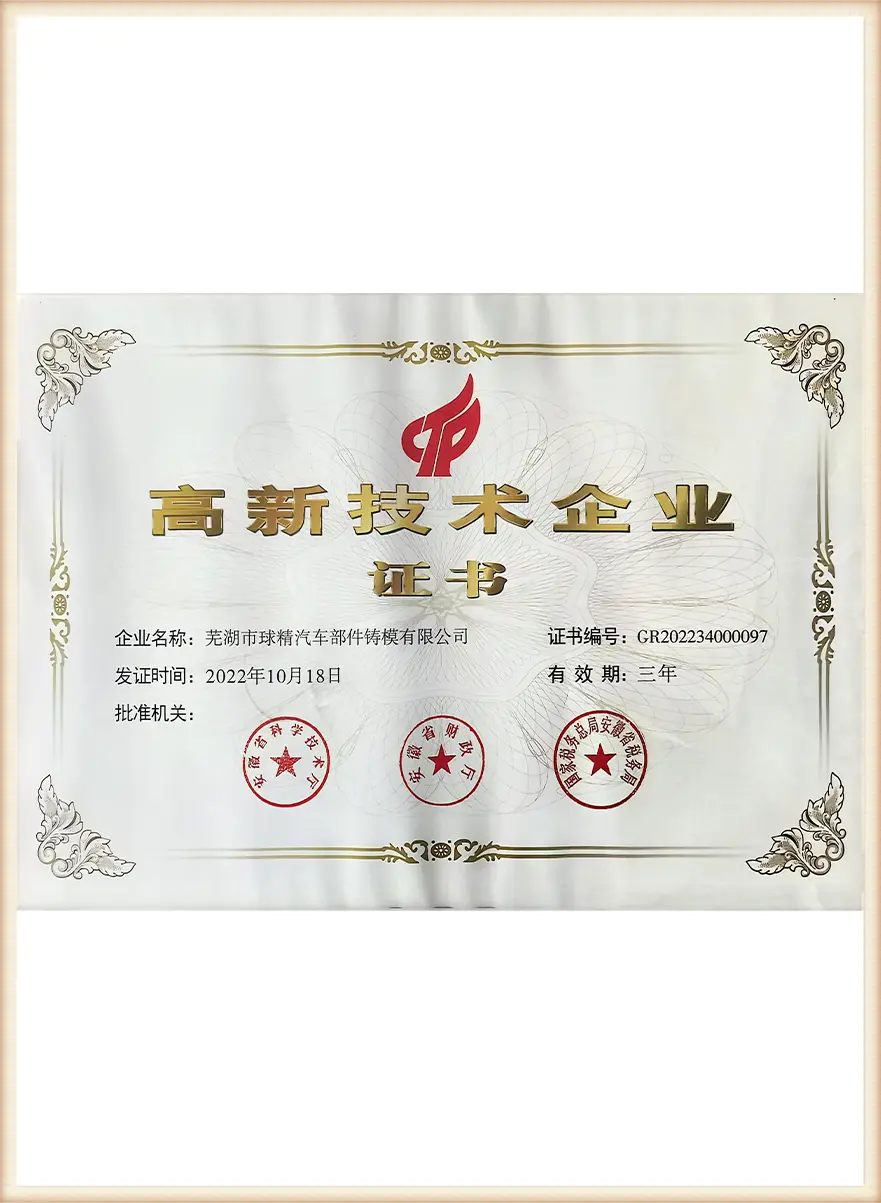
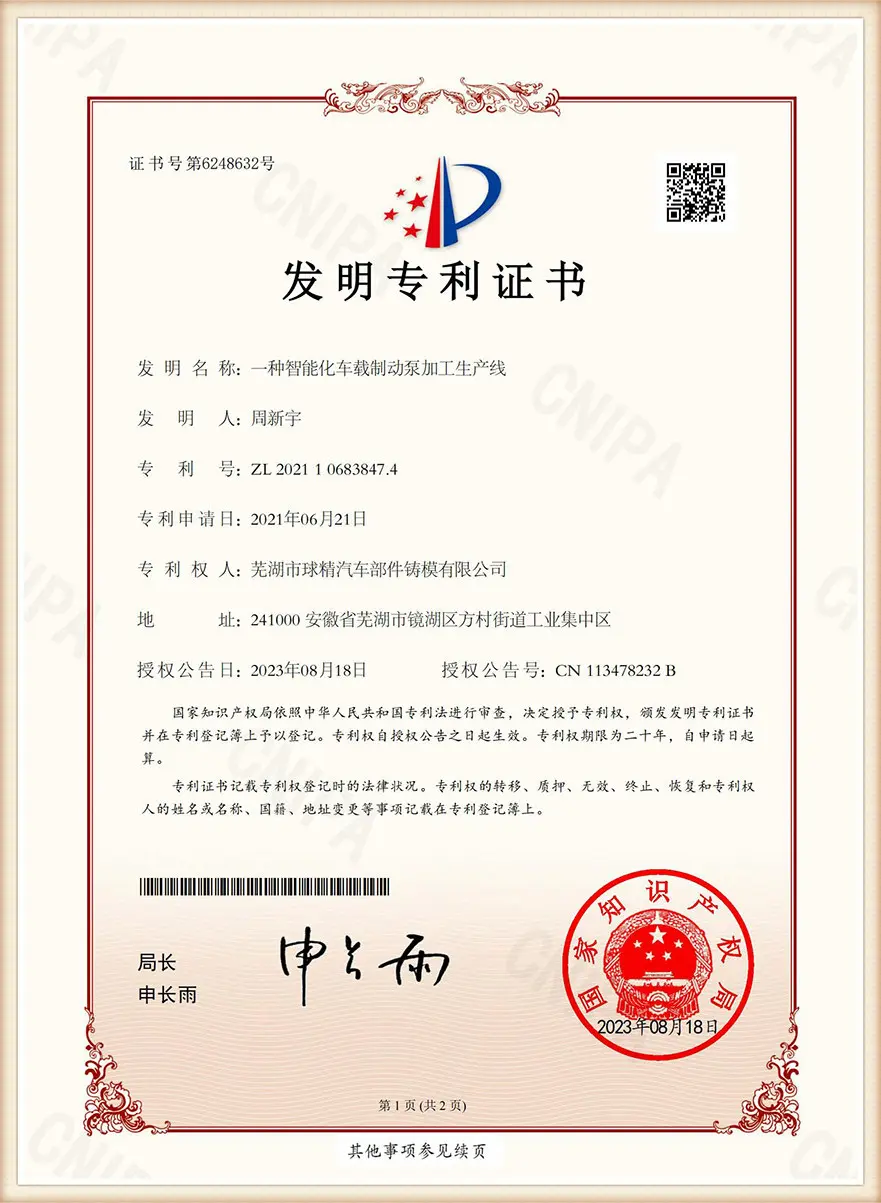
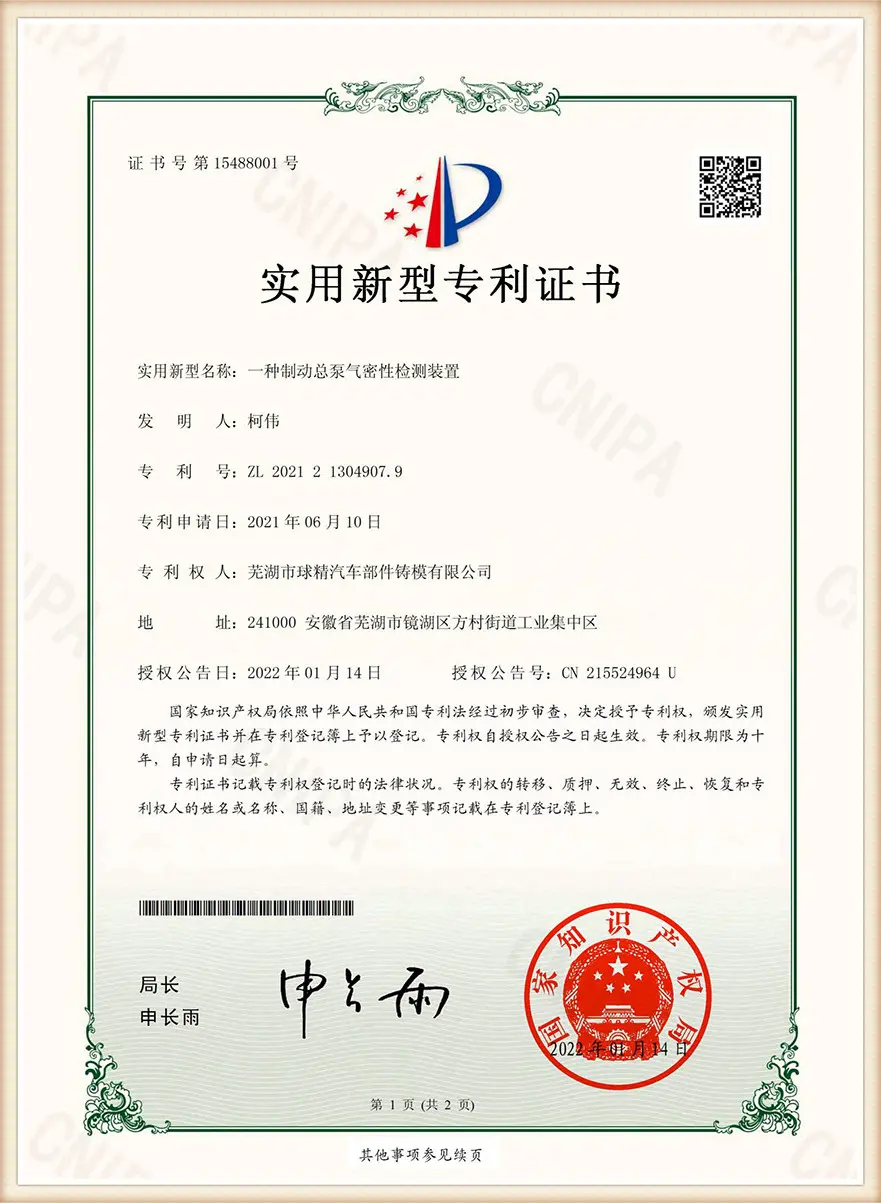
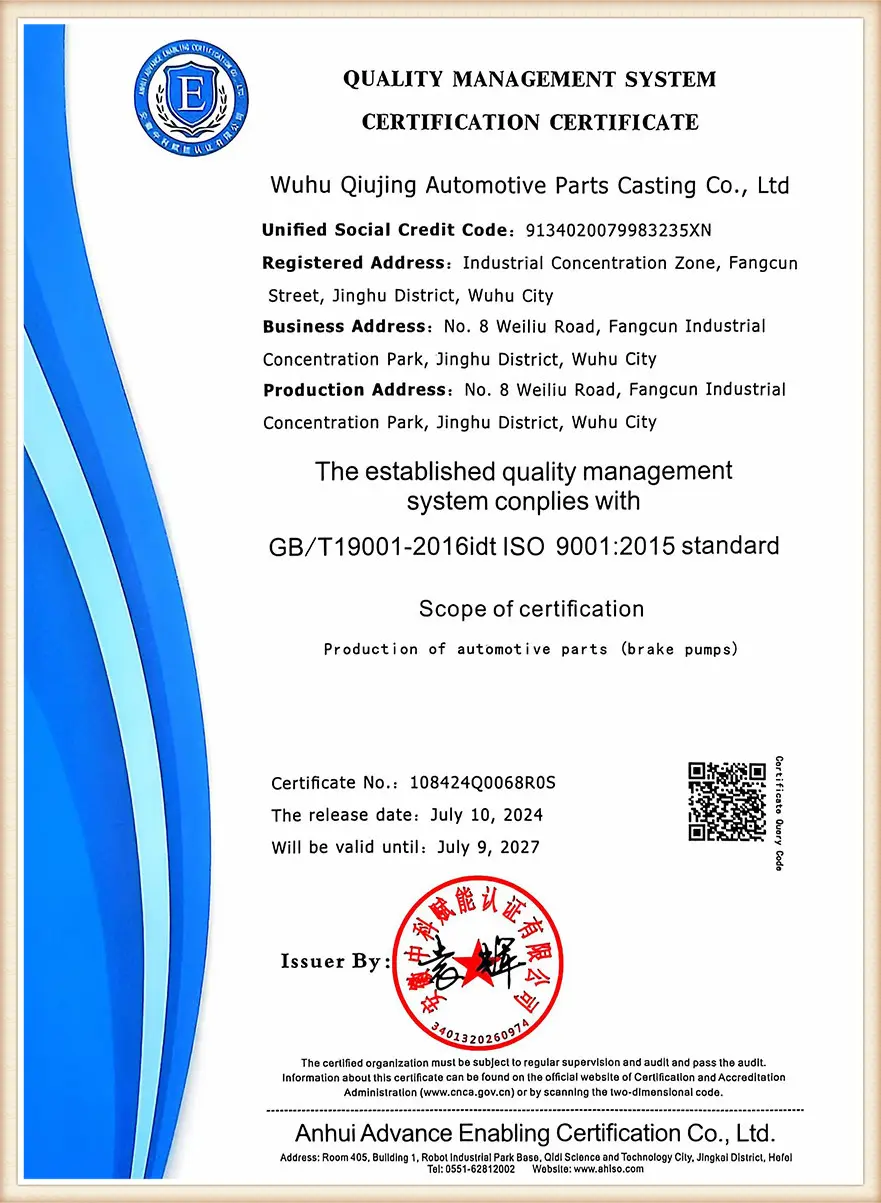
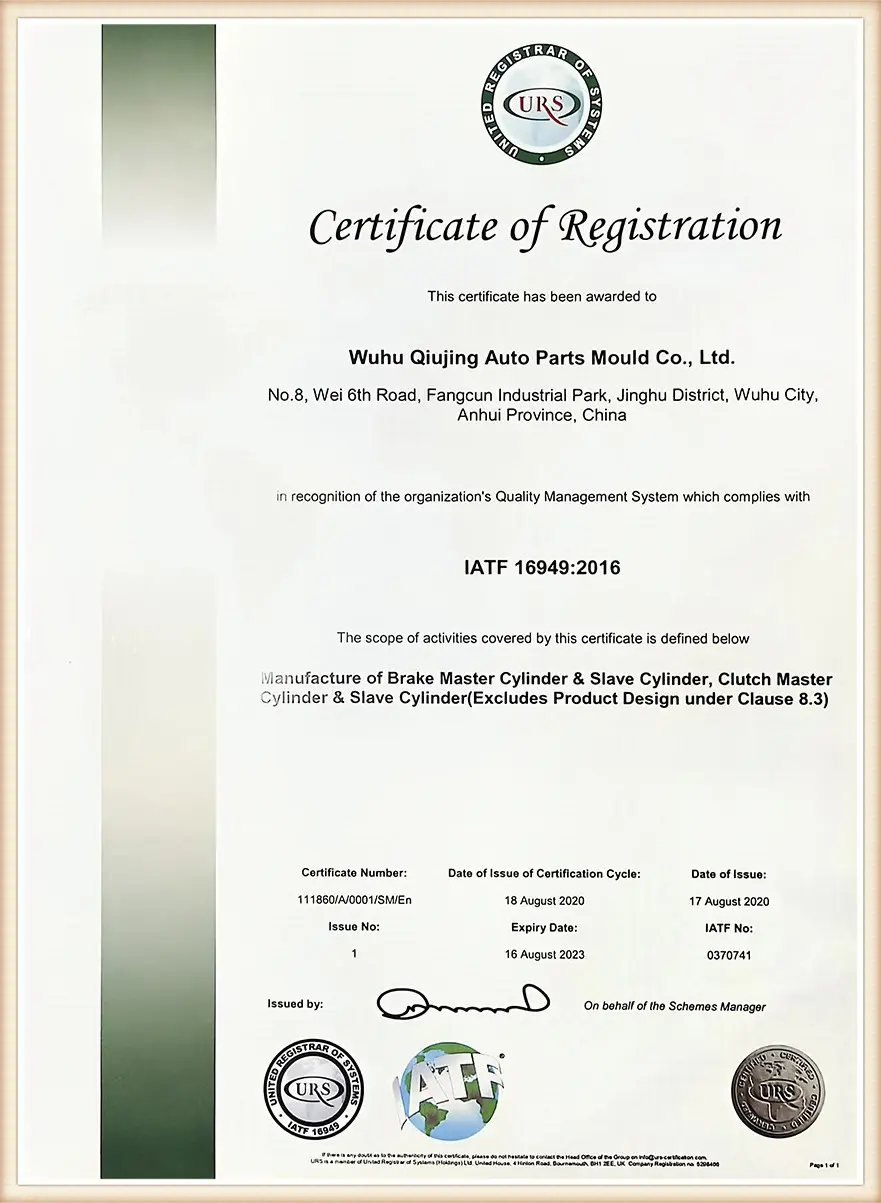
Industrialization has fueled a demand for reliable brake components across Asia-Pacific, North America, and Europe. Rapid urban distribution models demand components that withstand high cyclic stress and thermal loads. High-frequency stop-and-go patterns accelerate wear and tear on inferior brake cylinders, leading to system failure, premature seal degradation, and internal fluid bypass. To combat this, global supply chains depend on source manufacturers operating under standardized, certified quality management systems like IATF 16949:2016 and ISO 9001:2015.
Technical Focus: Piston Design, Cast Iron vs. Aluminum Alloys, and Seals
The performance of a master cylinder is defined by its materials and machining tolerances:
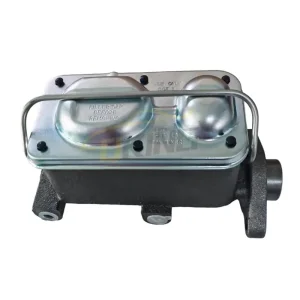
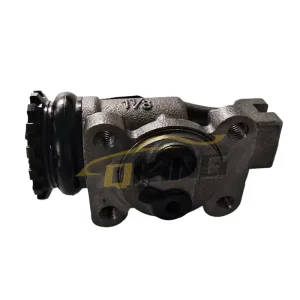
- Body Casting: Premium cylinders utilize high-strength grey cast iron or hard-anodized, lightweight aluminum alloys. Cast iron offers extreme structural rigidity under high hydraulic pressure, while aluminum significantly reduces overall vehicle weight, contributing to reduced fuel consumption and lower carbon emissions.
- EPDM Seal Elements: We source or fabricate premium ethylene propylene diene monomer (EPDM) seals. These offer excellent resistance to glycol-ether-based brake fluids (DOT 3, DOT 4, and DOT 5.1), preventing seal swelling and elasticity loss from -40°C up to 120°C.
- Precision Honing: Cylinder bores are honed to tolerances under ±0.02 mm. A mirror-like bore finish minimizes piston friction, preventing premature cup wear and guaranteeing immediate pressure build-up.