Direct OEM Replacement Components from ISO 9001 and IATF 16949 Certified Manufacturing Lines
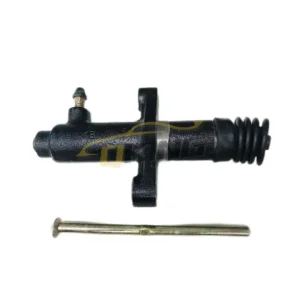
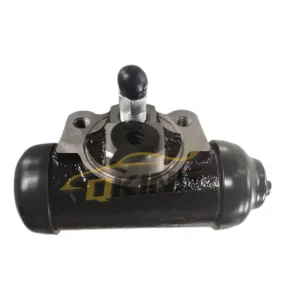
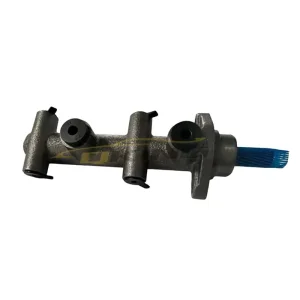
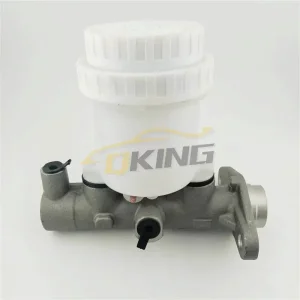
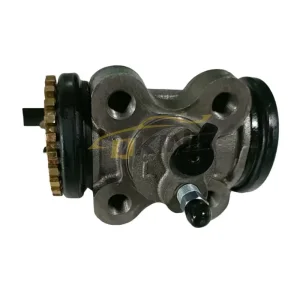
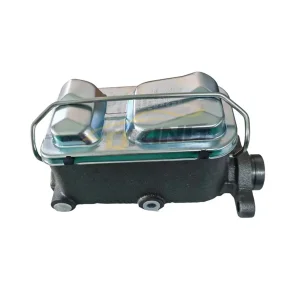
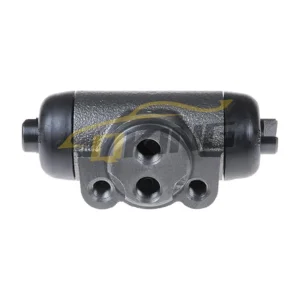
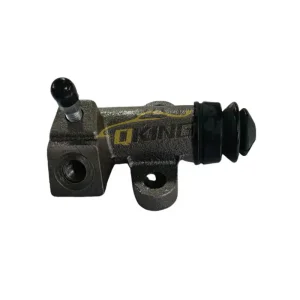
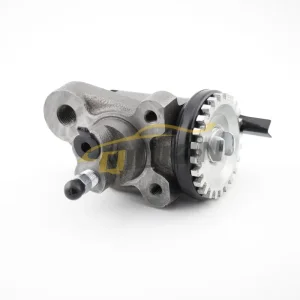
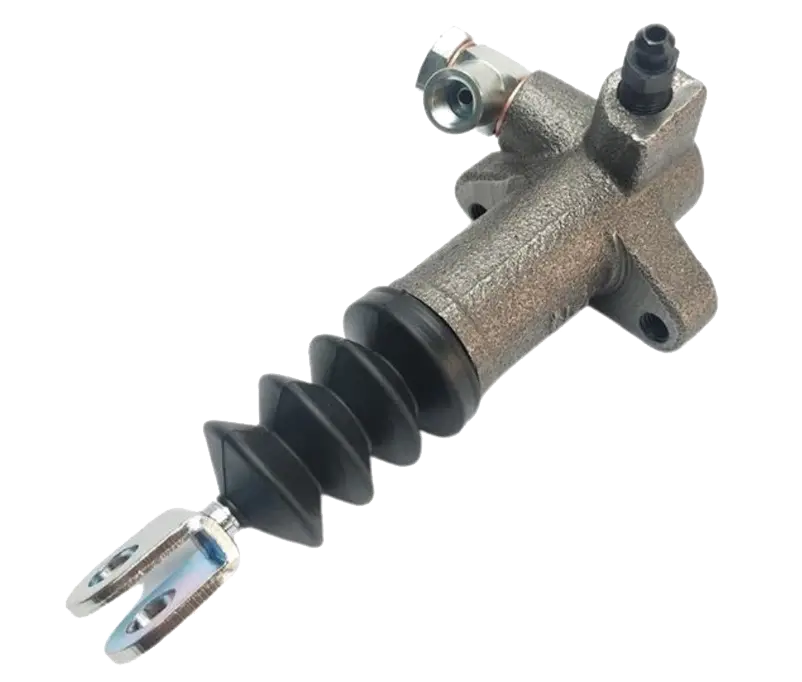
The 30620-V6311 (along with its sister designation 30620-V6360) represents a critical design in modern heavy-duty and light-duty commercial vehicle drivetrain actuation. Specifically engineered for Nissan applications, this clutch slave cylinder acts as the final translator of hydraulic force into mechanical displacement, pushing the clutch release fork to disengage the engine load during gear transitions.
From an engineering perspective, clutch slave cylinders are subject to rapid, repeated cyclic loading, thermal radiation from the adjacent engine block, and environmental contamination from road grime. Therefore, the manufacturing tolerances, metallurgy, and sealing materials chosen by the OEM or primary aftermarket factory directly dictate the service life of the entire powertrain. In high-performance logistics fleets and daily operations, even a microscopic loss of hydraulic pressure inside the slave cylinder's bore can result in partial clutch disengagement, causing accelerated synchronous ring wear, gear grinding, and transmission failure.
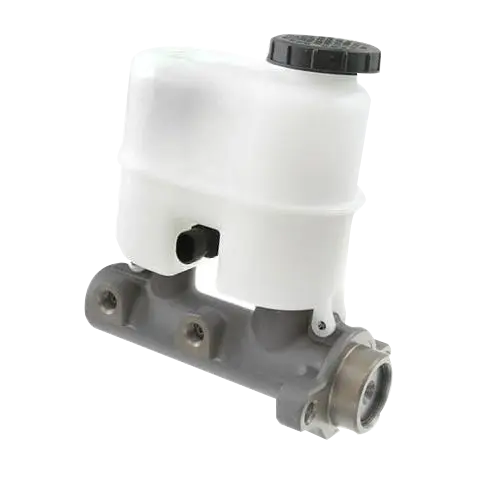
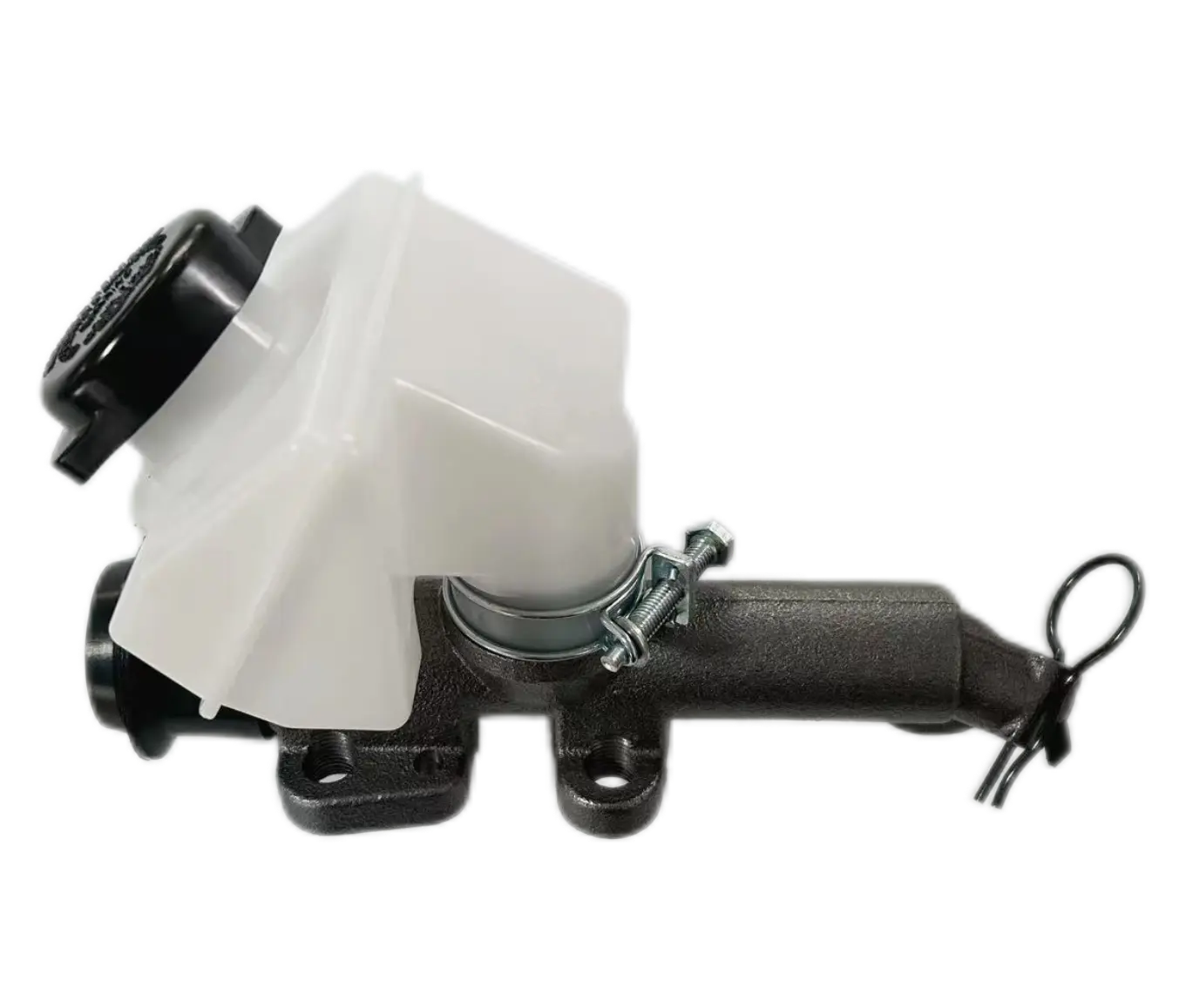
During actuation, fluid is forced from the Clutch Master Cylinder (CMC) into the Clutch Slave Cylinder (CSC) housing. The internal piston moves forward, compressing the return spring and pushing the pushrod. Any internal fluid bypass across the piston cup seals instantly drops system efficacy below standard operating parameters.
Global demand for high-performance hydraulic cylinders like the 30620-V6311 has seen steady growth, driven by the expansion of delivery vehicle fleets, light commercial vehicles (LCVs), and legacy passenger vehicle maintenance networks in developing markets. Asia-Pacific, Latin America, and Eastern Europe represent the highest density of manual transmission utility vehicles where these parts are widely deployed.
For procurement directors and aftermarket wholesale buyers, finding factories that maintain consistent output under IATF 16949 standards is paramount. High-rate production lines in modern factories utilize robotic casting lines, computerized numeric control (CNC) machining centers, and automated pneumatic testing loops. Sourcing direct from Chinese industrial hubs like Wuhu enables automotive parts importers to bypass multiple middle layers, securing competitive quotes while customizing rubber compound formulas (such as high-grade EPDM) tailored to regional climates (arid, humid, or sub-zero environments).
To understand the performance criteria of a high-quality 30620-V6311 replacement cylinder, engineers analyze the following parameters:
| Technical Metric | Standard Specification | Premium Factory Level (Qiujing) | Impact on Performance |
|---|---|---|---|
| Housing Metallurgy | Standard Cast Iron / Aluminum | Ductile Cast Iron / ADC12 Aluminum | Prevents structural fatigue & housing deformation |
| Bore Surface Finish | Ra 0.8 μm | Ra 0.4 μm (Precision Honed) | Reduces friction, prolongs seal cup lifespan |
| Seal Compound | Standard Nitrile (NBR) | Heavy-Duty EPDM (Ethylene Propylene) | Withstands high-temperature brake fluid (DOT 3/4) |
| Piston Material | Steel / Hard Plastic | Hard Anodized Aluminum / Synthetic Resin | Minimizes weight and prevents bore scoring |
| Pressure Threshold | 8.0 MPa | 12.0 MPa (Hydrostatic Test Peak) | Prevents burst under emergency over-extension |
Understanding failure states is key to offering E-E-A-T value to mechanical shops and fleet operators. Clutch slave cylinders typically fail due to three primary causes:
Different operating markets demand specific engineering modifications for the 30620-V6311 assembly:
1. Tropical & Equatorial Regions (e.g., Southeast Asia, Central America): High atmospheric humidity accelerates fluid degradation. Master and slave cylinders configured for these zones must feature dual-lip seals and external dust boots made of premium neoprene to prevent dust and water intrusion.
2. Cold Climates (e.g., Northern Europe, Canada): Standard rubber compounds become brittle at temperatures below -20°C. Our custom rubber compounds are formulated to maintain flexibility and elasticity down to -40°C, preventing cold-start leaks.
3. Heavy Transit & Mountain Terrain: Frequent shifting in mountainous urban centers creates elevated temperature profiles inside the engine bay. Premium aluminum-housed slave cylinders with cooling fins dissipate heat faster than traditional cast iron units, preventing fluid boil and pedal fade.
Complete Solutions for Brake and Clutch Control Assemblies
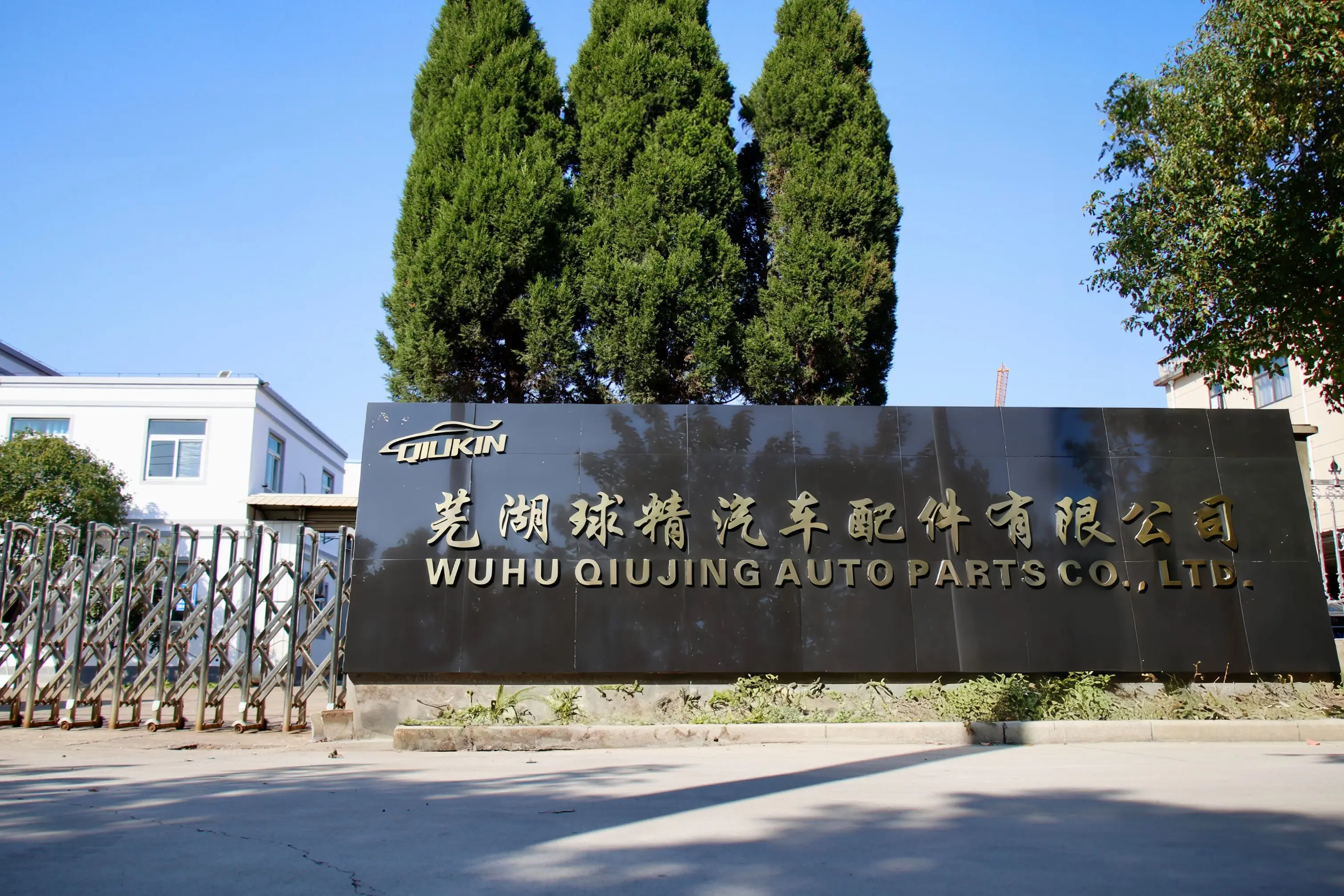
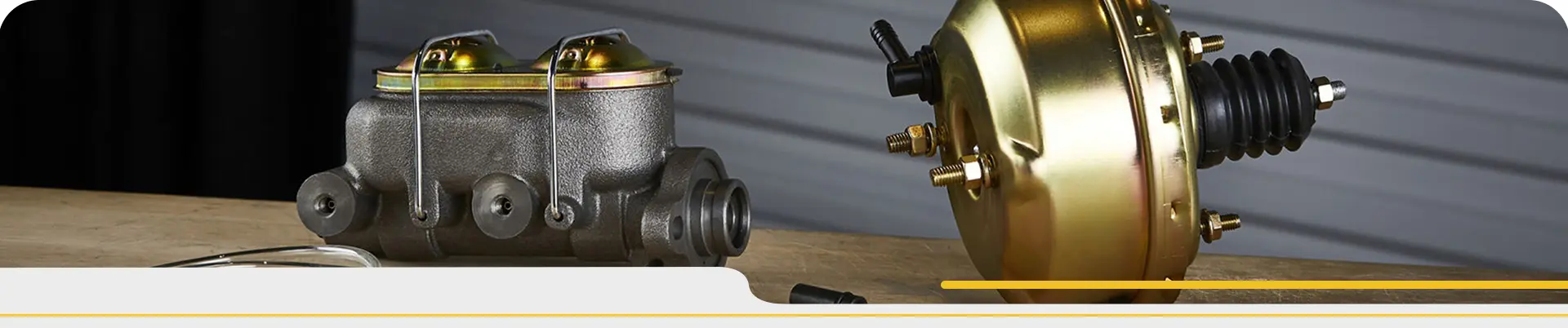

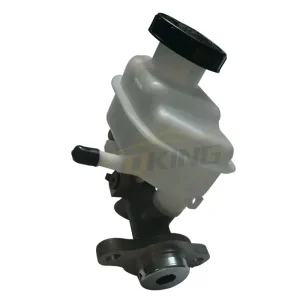
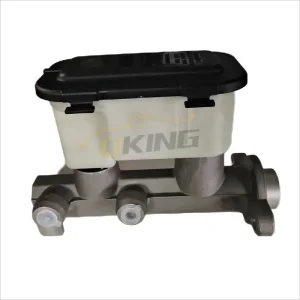
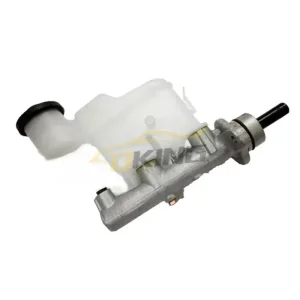
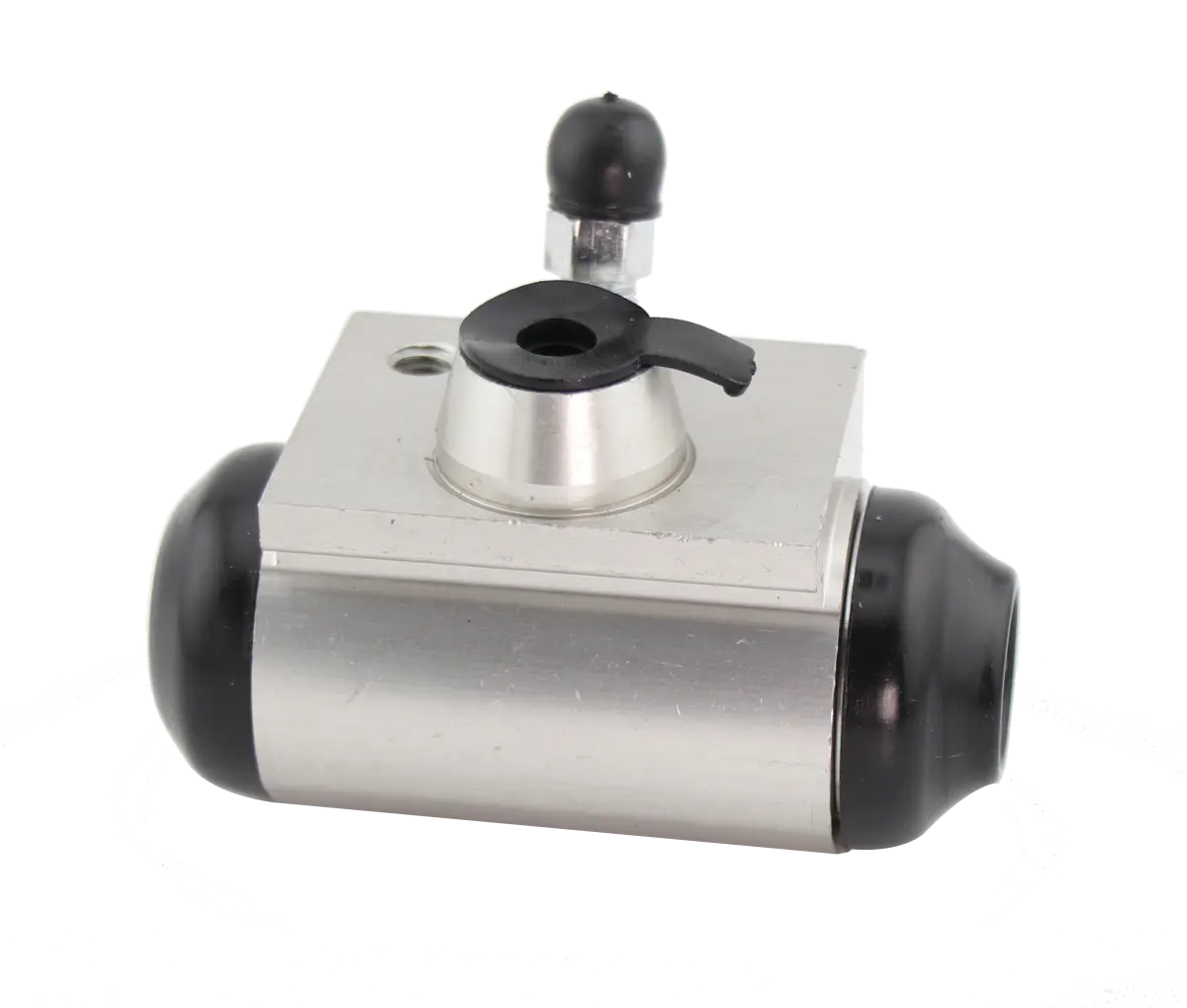
We are a specialized brake system parts manufacturer and supplier, focused on brake master cylinders, brake wheel cylinders, clutch master cylinders, and clutch slave cylinders. Our founder has been deeply engaged in automotive brake parts engineering since 1996.
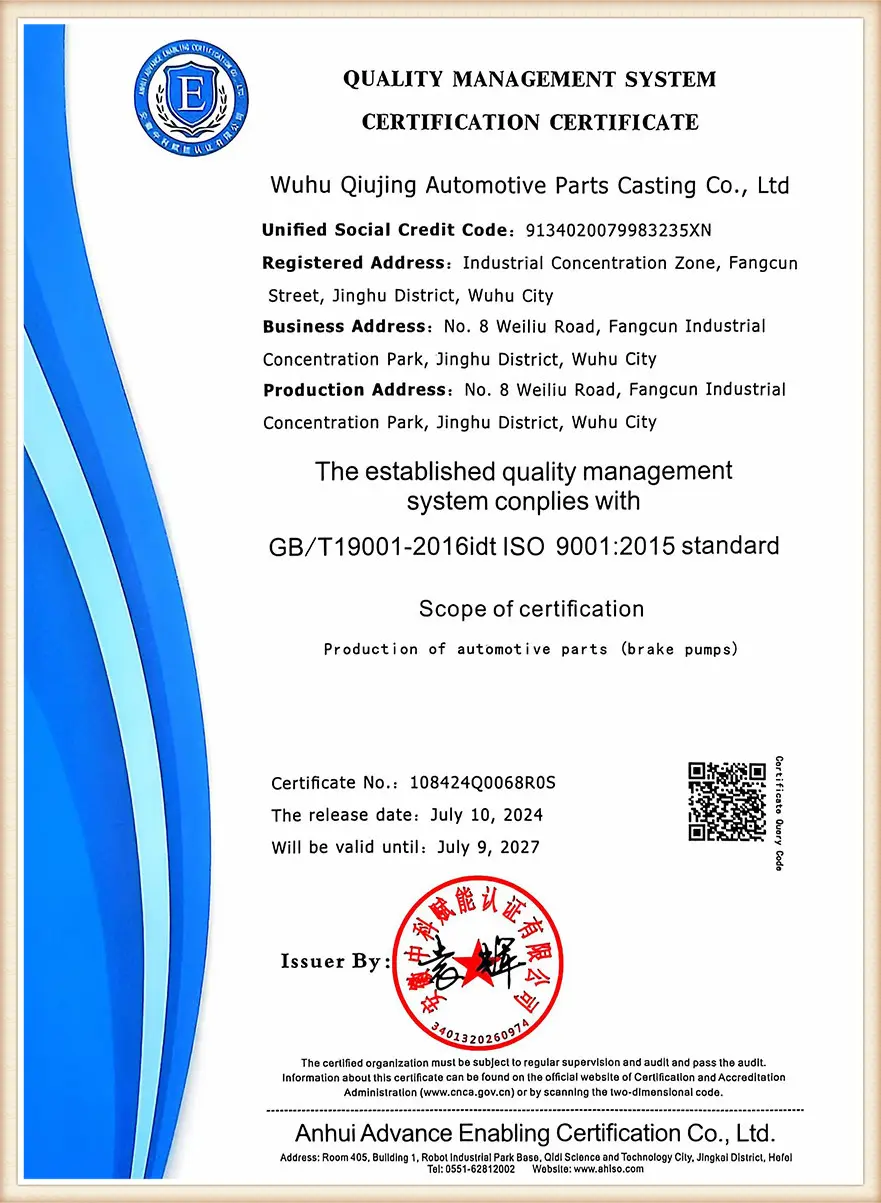
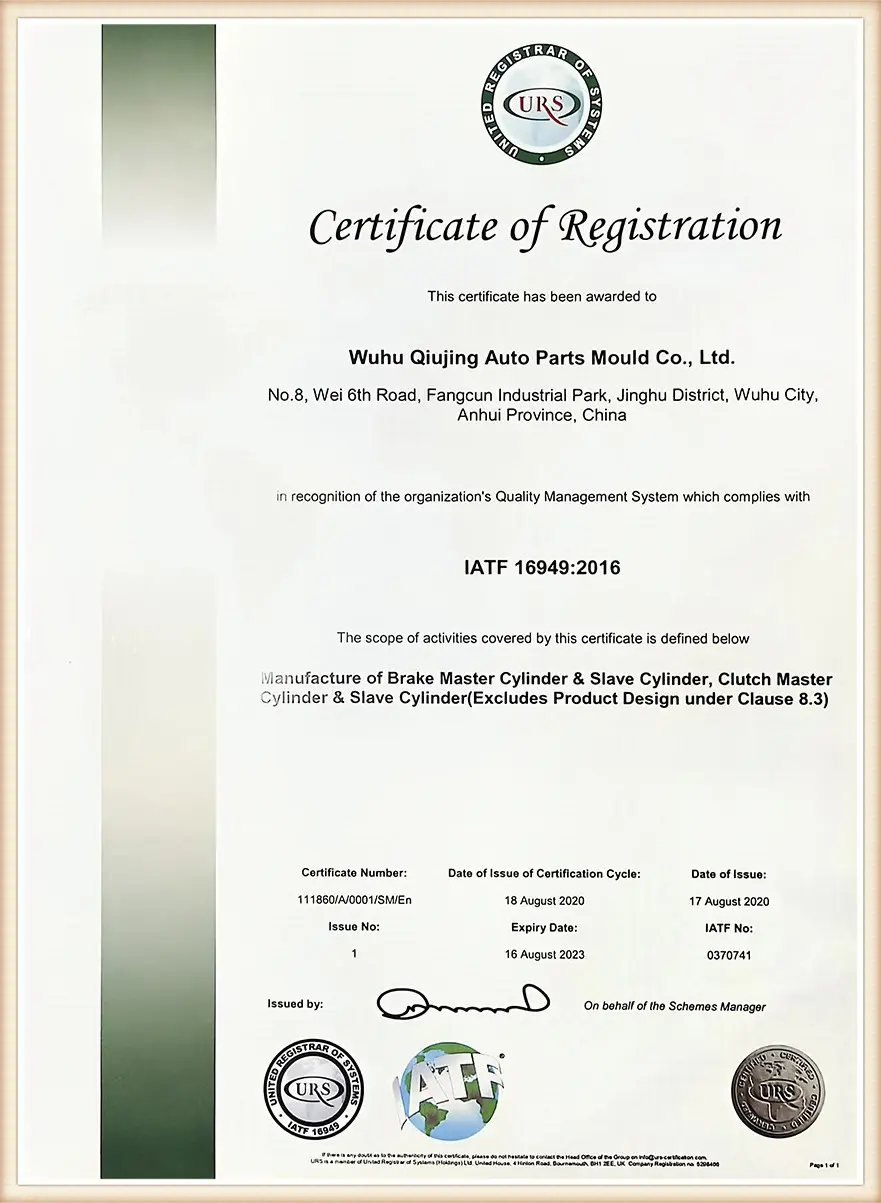
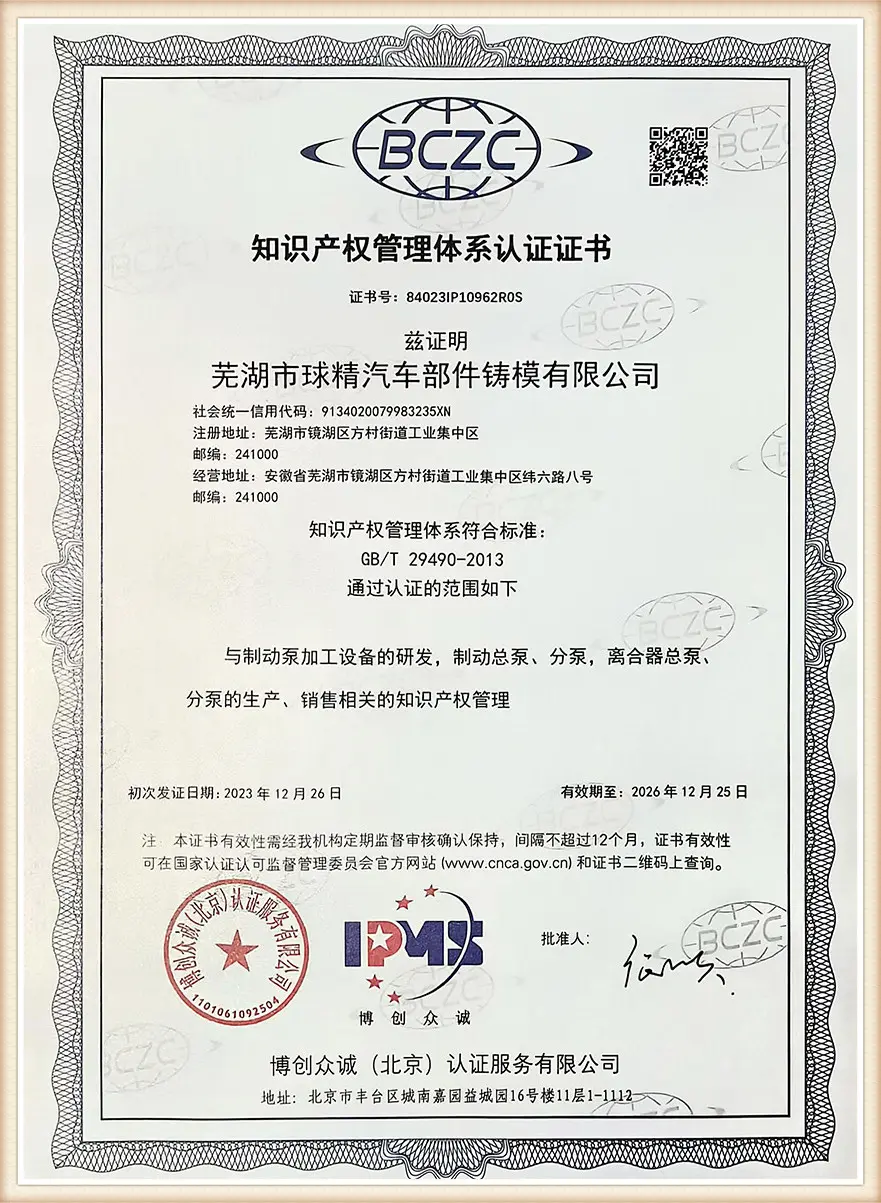
Through decades of manufacturing excellence and iterative technology upgrades, the Wuhu Qiujing factory has developed thousands of models to ensure absolute compatibility with international vehicle brands. Our products are fully compliant with GB/T19001-2016 / ISO 9001:2015 and IATF 16949:2016 quality management systems.
 "Safety First" is the foundational engineering standard of our facility.
Actively promoting our core philosophy of integrity, innovation, and efficiency.
"Safety First" is the foundational engineering standard of our facility.
Actively promoting our core philosophy of integrity, innovation, and efficiency.
A Professional, Efficient, and Integrated Sourcing Platform for Global Aftermarket Distributors
We own and operate our production facility, encompassing over 6,000 m² of office and plant space, with a staff of over 50 skilled automotive engineers and workers producing 2 million units annually.
Equipped with state-of-the-art precision honing machines and hydraulic testing rigs, we confidently back all parts with a 2-year warranty and complete technical support.
Through robust quality control workflows, we enforce batch uniformity from raw castings to finished assemblies, ensuring stable performance across multiple ordering cycles.
Our dedicated R&D, manufacturing, inspection, and logistics teams cooperate to ensure your technical requirements are met, minimizing lead times and custom tooling cycles.
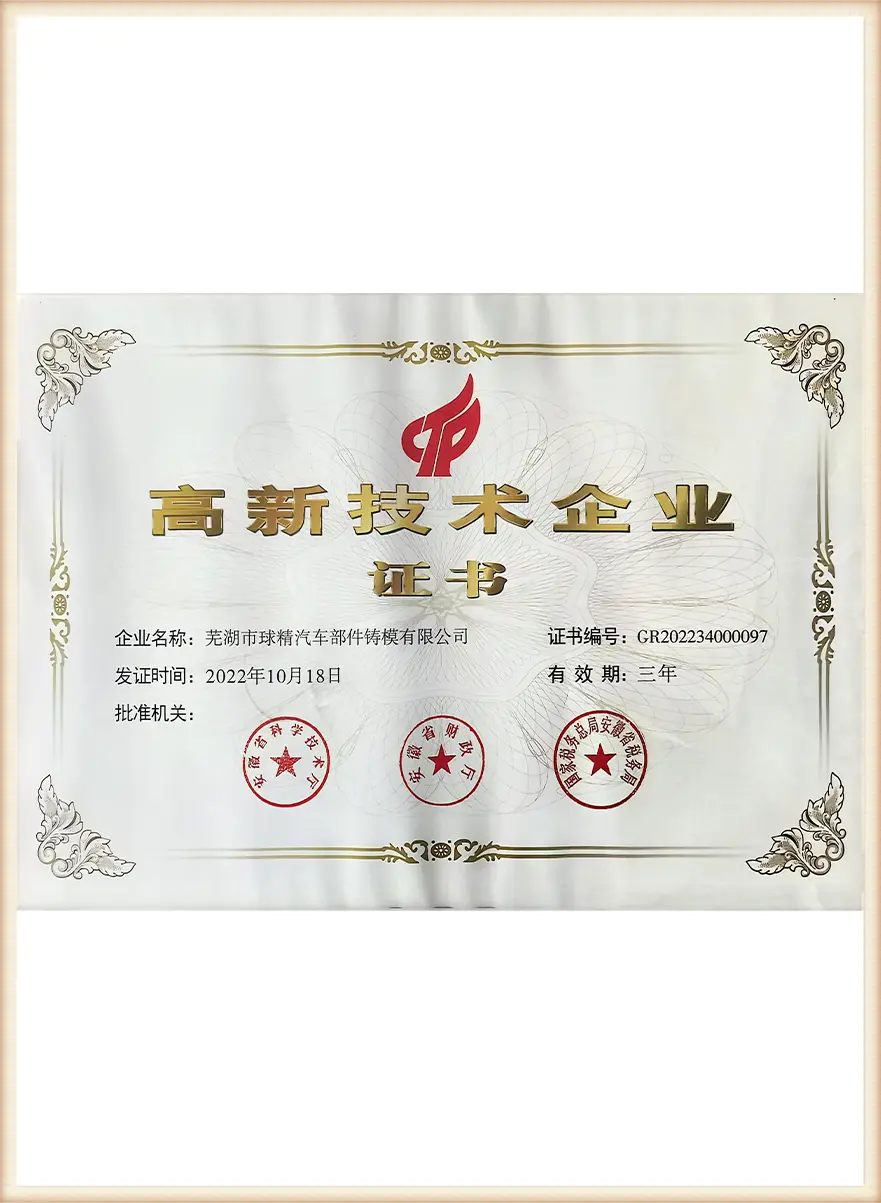
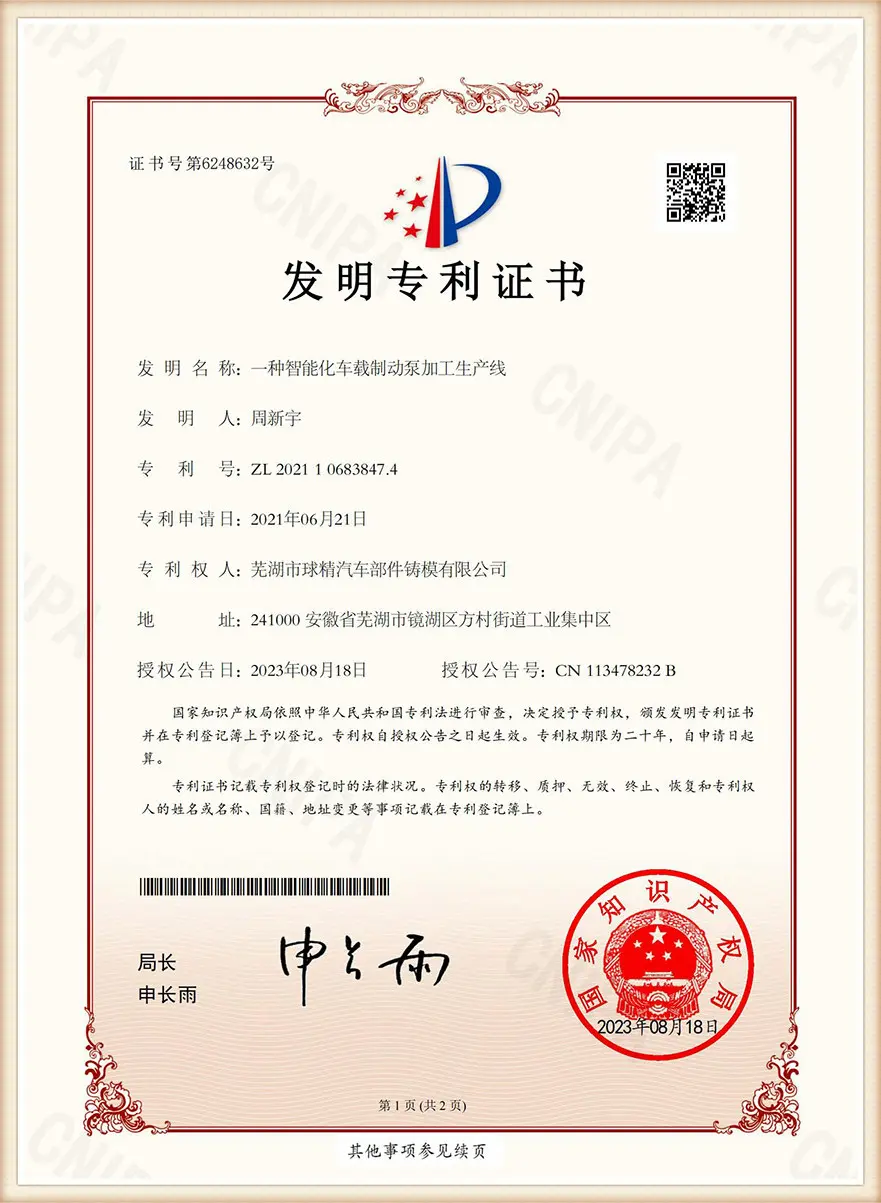
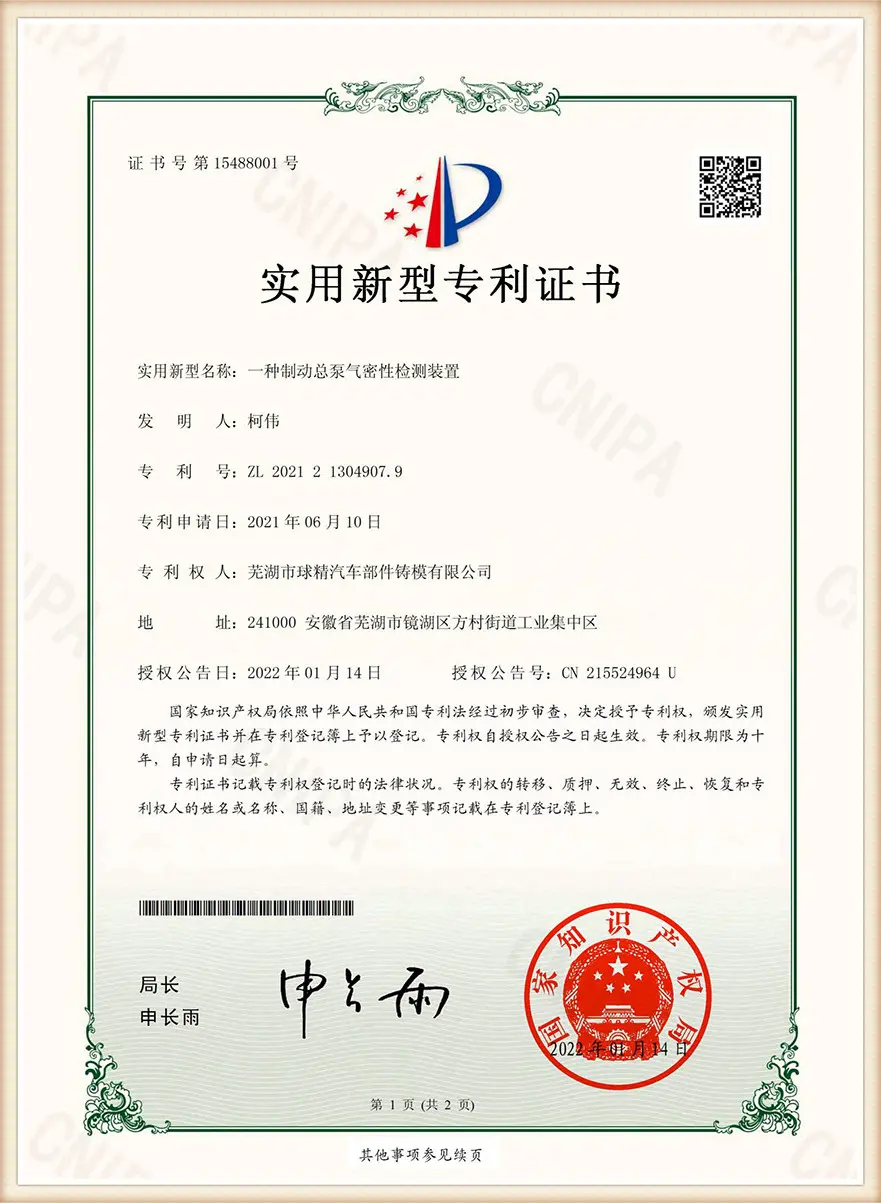
Stringent compliance structures matching global automotive safety benchmarks
Stay up to date with manufacturing advances and schedules
Annual festival schedules and shipping deadlines for wholesale international partners are shared ahead of holidays to ensure supply chain continuity.
View Details →
Wuhu Qiujing Auto Parts Co., Ltd. announces the official resumption of high-capacity production to address backlog orders for brake master and slave cylinders.
View Details →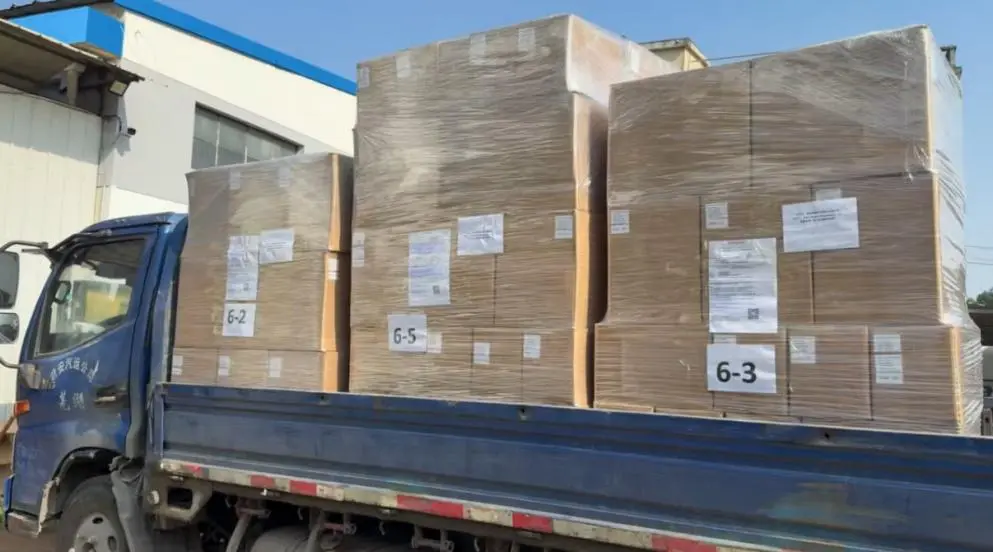
Our logistics team successfully concluded critical dispatch tasks, shipping thousands of customized replacement cylinders to international distribution partners.
View Details →The global transition toward alternative drivetrains and smart mechanical systems has influenced the production of hydraulic cylinders. While electric vehicles rely on one-pedal regenerative braking systems, the demand for high-reliability hydraulic systems for commercial vehicles, hydrogen-combustion powertrains, and hybrid mechanical platforms remains strong.
Our technological roadmap focuses on three development areas:
For procurement departments sourcing parts like the 30620-V6311, focusing solely on unit price can lead to high return rates and damage client trust. We advise assessing the following factors when selecting a manufacturer:
Technical answers to support your engineering and sourcing decisions
Common symptoms include a soft or spongy clutch pedal, difficulty shifting gears, fluid pooling beneath the transmission bell housing, and drop-off in fluid levels in the reservoir. If the internal EPDM cup seal fails, hydraulic pressure escapes, preventing complete release of the clutch assembly.
Yes. In many Nissan applications, these numbers cross-reference to the same physical dimensions, bore diameter, and mounting flange configurations. However, it is essential to verify pushrod length and fluid port thread sizing before placing bulk orders.
We implement a strict quality control process. Every single cylinder undergoes a 100% automated pressure sealing test before packaging. We are certified to IATF 16949, and each production batch is traceable via laser-engraved serial codes.
We use premium EPDM rubber, which offers superior wear resistance and tolerates temperatures from -40°C to +120°C. This material is highly compatible with standard DOT 3 and DOT 4 brake fluids, preventing early seal swelling or cracking.
For custom cylinder designs, standard mold creation and testing phases require 30 to 45 days. Once approved, typical bulk production runs take 25 to 30 days depending on raw material sourcing cycles and volume requirements.
Submit your specifications to receive technical drawings and volume-based wholesale quotes from our engineering department.
Explore our wider range of OE replacement products manufactured to international standards