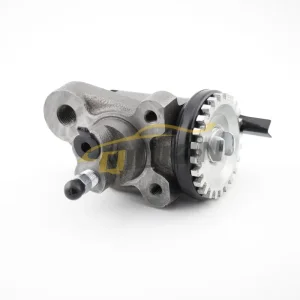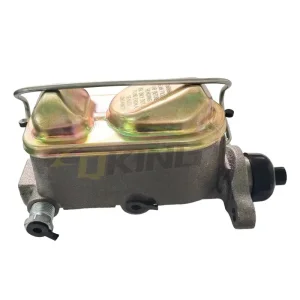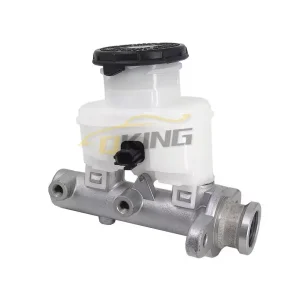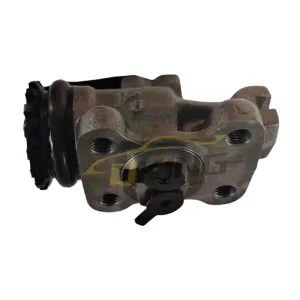
Premium OEM aftermarket solutions for global passenger cars, SUVs, and heavy duty commercial vehicle chassis platforms.
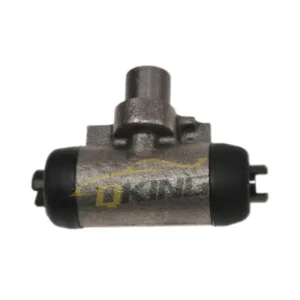
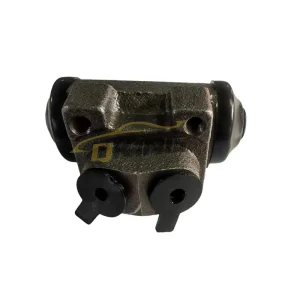
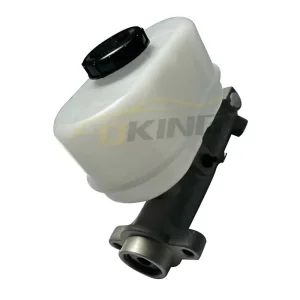
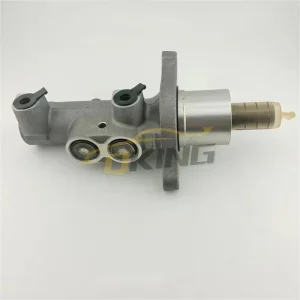
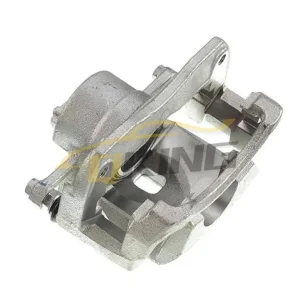
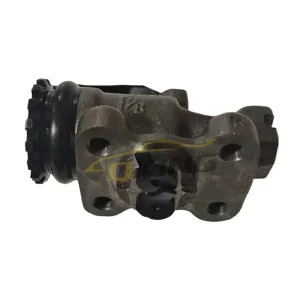
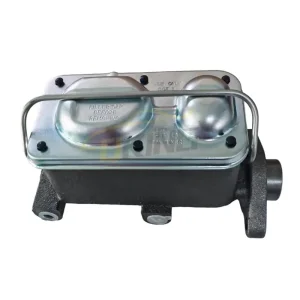
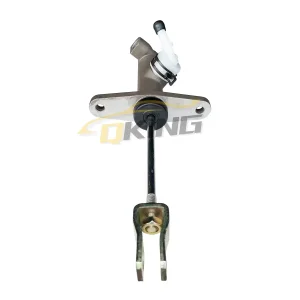
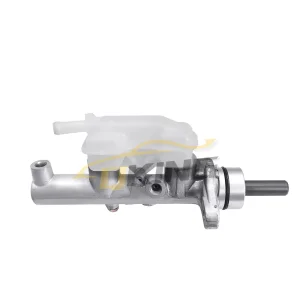
In modern automotive engineering, the hydraulic braking system remains the ultimate guarantor of active passenger safety. Within this domain, the brake cylinder assembly—comprising both the Brake Master Cylinder (BMC) and the Brake Wheel Cylinder (BWC)—acts as the primary pressure transducer. For Subaru platforms, which prominently feature the signature Symmetrical All-Wheel Drive (AWD) system paired with the active vehicle safety suit, the demands on hydraulic fluid volume, pressure transmission linearity, and structural rigidity are exceptionally high.
As a leading automotive parts manufacturer with more than two decades of industrial experience, Wuhu Qiujing Auto Parts Co., Ltd. presents this whitepaper to analyze the metallurgical standards, manufacturing tolerances, supply chain challenges, and procurement variables associated with OEM Subaru brake cylinders.
The hydraulic pressure inside a Subaru braking loop can quickly exceed 15 MPa (150 bar) during emergency braking maneuvers activated by electronic crash mitigation systems. To prevent mechanical flexing and subsequent loss of pedal pressure, premium OEM brake cylinders must meet strict structural standards:
Nodular Cast Iron: Ideal for commercial utility, heavy cargo, and classic chassis lines. High fatigue limit, robust wear resistance.
Anodized Aluminum: Selected for modern passenger models, performance applications (WRX/BRZ). Weight reduction up to 45% compared to iron, excellent heat dissipation.
Unlike conventional front-wheel or rear-wheel-drive configurations, Subaru’s Symmetrical AWD distributes driving forces to all four wheels simultaneously. This continuous torque distribution changes vehicle dynamics under deceleration. When the EyeSight Driver Assist Technology triggers Autonomous Emergency Braking (AEB), the Electronic Stability Control (ESC) unit relies heavily on rapid, predictable pressure build-up in the brake master cylinder.
If the master cylinder exhibits mechanical lag or high transient volumetric loss, the ESC cannot accurately regulate brake pressure modulation to prevent yaw rate deviations. Therefore, OEM suppliers must ensure that the pressure response time of the master cylinder stays under 100 milliseconds from pedal movement to brake caliper engagement.
As the automotive industry transitions to hybrid (e-Boxer) and fully electric drivetrains (such as the Subaru Solterra), the braking system is changing. The lack of engine manifold vacuum in electric platforms requires a transition from traditional vacuum-assisted boosters to electromechanical brake boosters (e-boosters).
This shift alters the pressure profile applied to the brake master cylinder. E-boosters deliver faster pressure rise rates, subjecting the master cylinder piston and seals to higher mechanical stresses. The future product roadmap for Subaru-compatible brake cylinders includes optimized piston geometry, low-friction coatings (such as DLC - Diamond-Like Carbon), and integration with electronic secondary containment valves.
For global distributors, aftermarket retailers, and fleet maintenance companies, procuring OEM-grade brake cylinders involves balancing high product reliability with cost efficiency. Sourcing directly from certified Chinese manufacturing plants offers major logistics and financial advantages:
Explore our comprehensive production categories, designed to meet strict OEM guidelines.
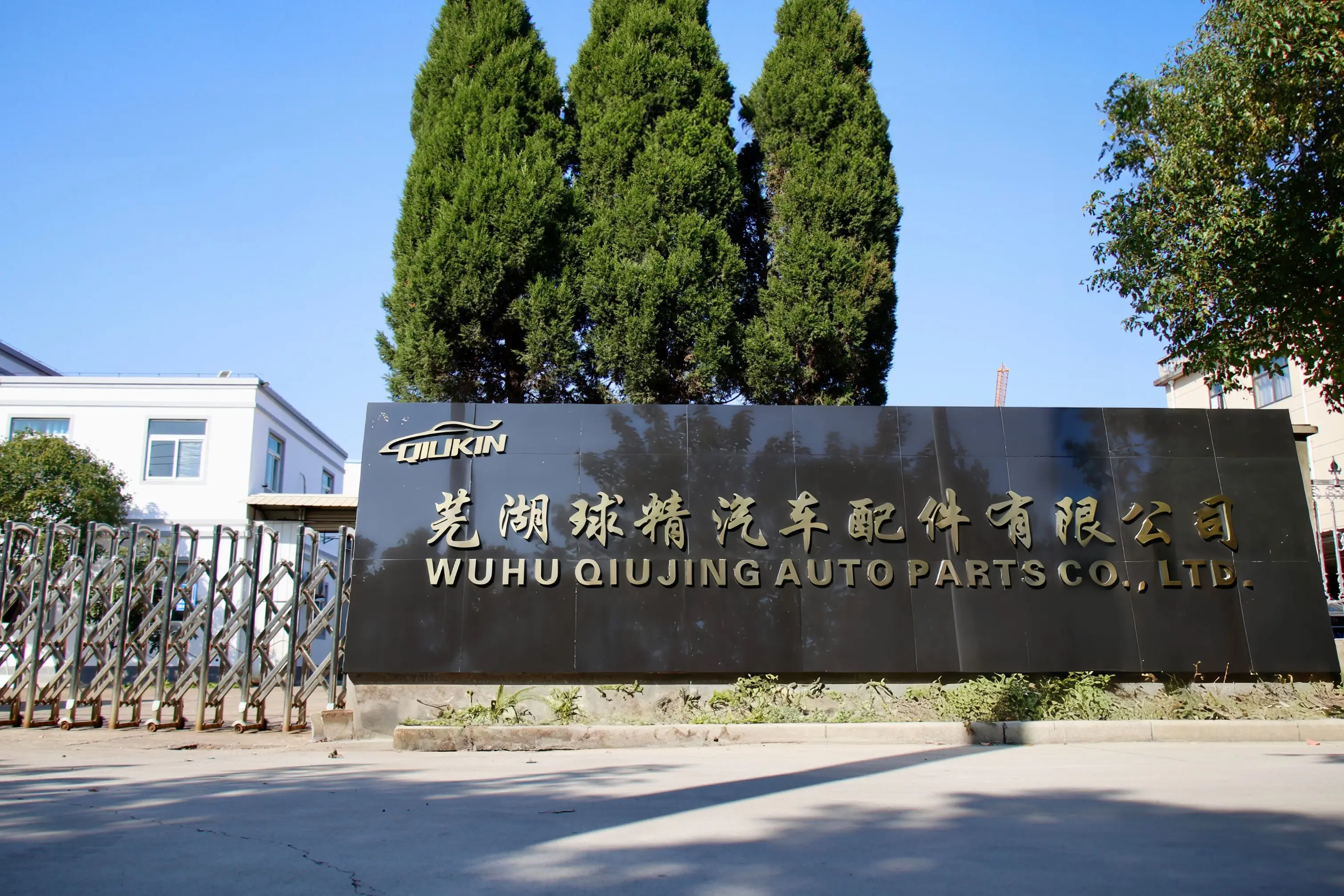
Est. 2007 - Wuhu Qiujing Auto Parts Co., Ltd.
Advanced Manufacturing Plant for Braking Systems
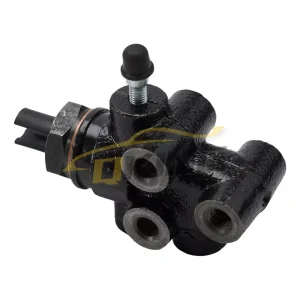
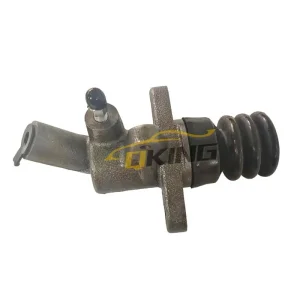
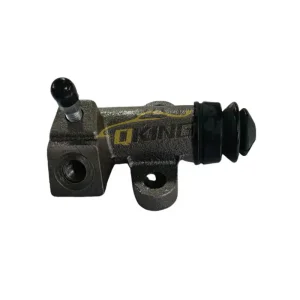
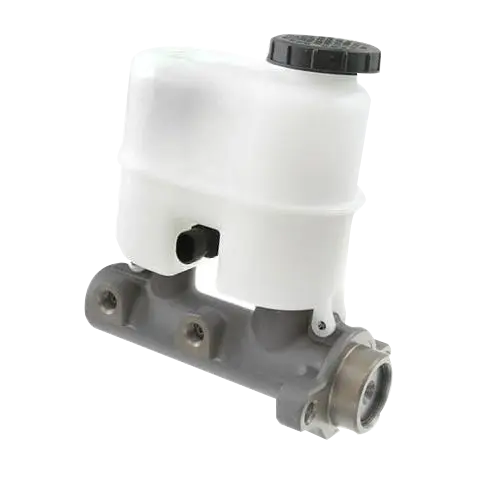
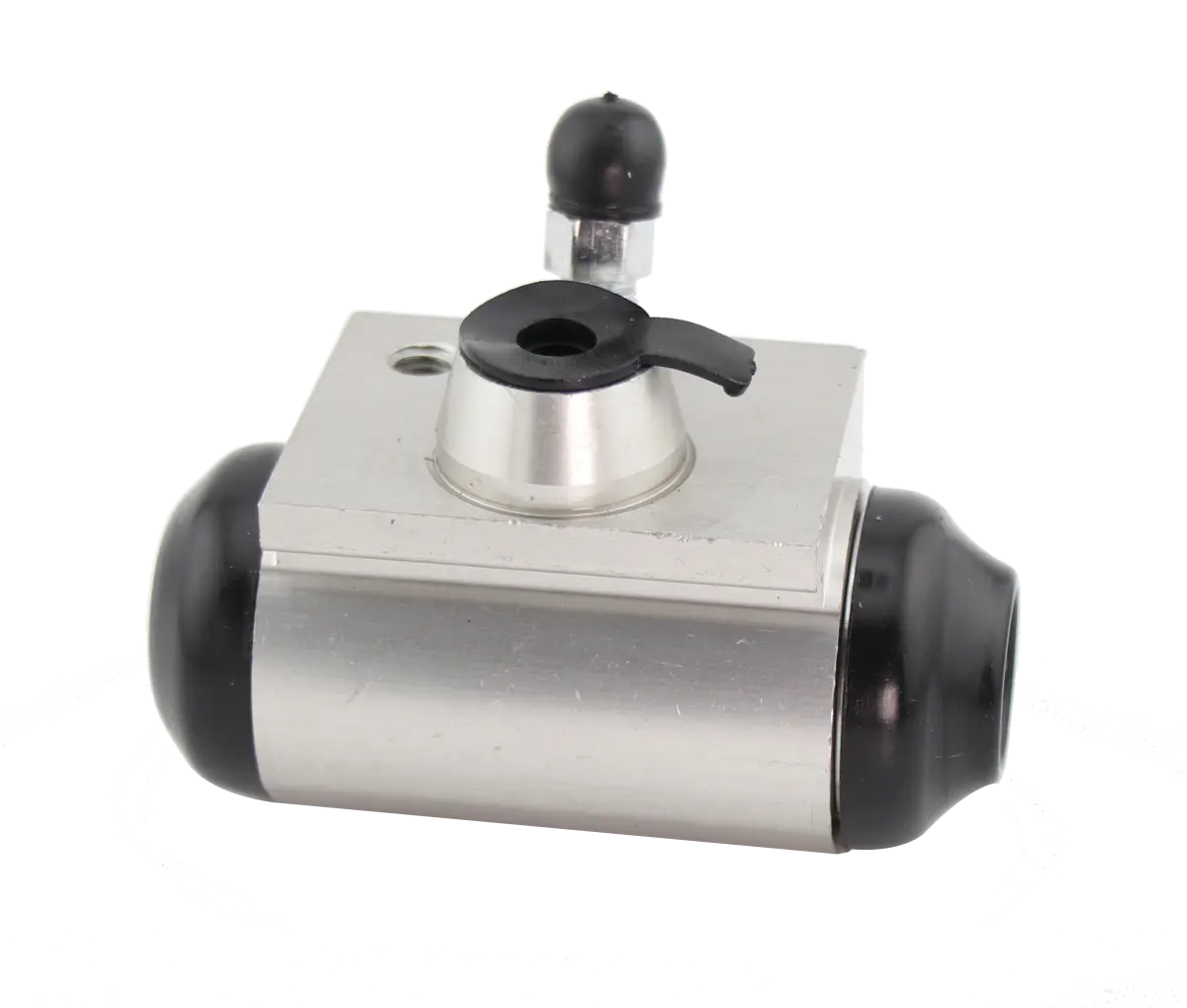
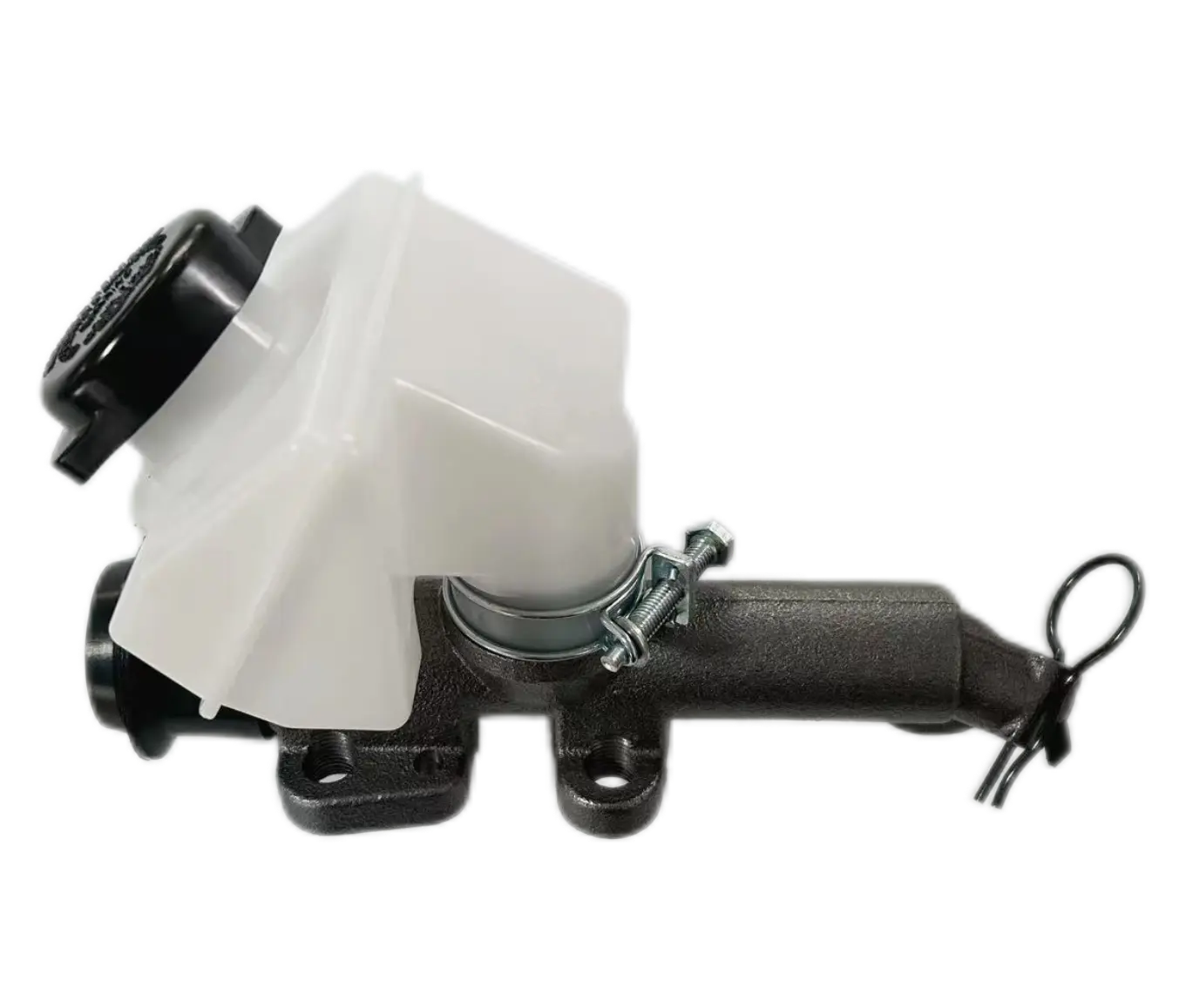
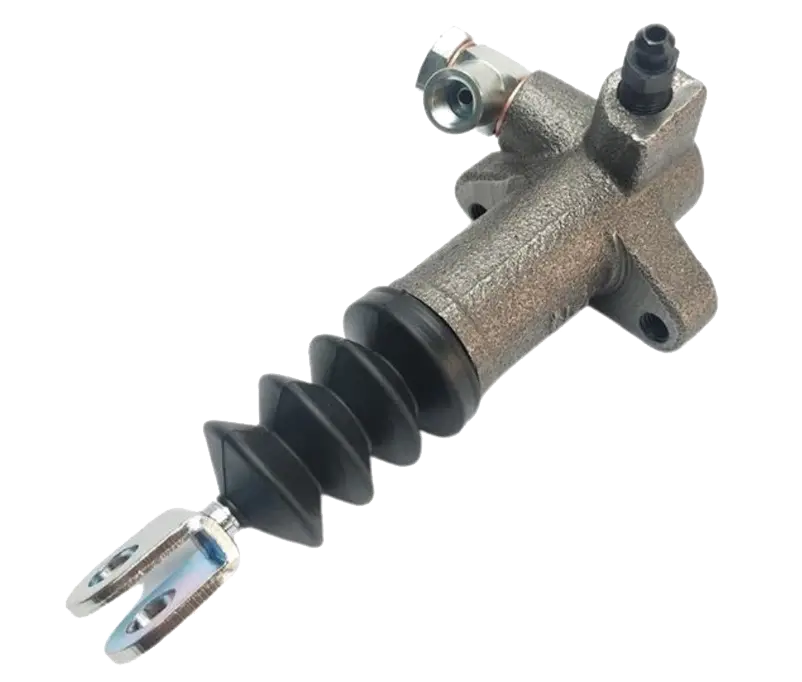
We are a professional brake system parts manufacturer and supplier, producing brake master cylinders, brake wheel cylinders, clutch master cylinders, and clutch slave cylinders. Our founder has been deeply engaged in automotive brake parts design and production since 1996. By leveraging decades of industry experience and advanced production technology, our factory has developed thousands of models to ensure compatibility with different vehicles and demanding road conditions.
 "Safety first" is the guiding philosophy in all our engineering designs.
We actively promote a culture of integrity, technical innovation, and operational efficiency.
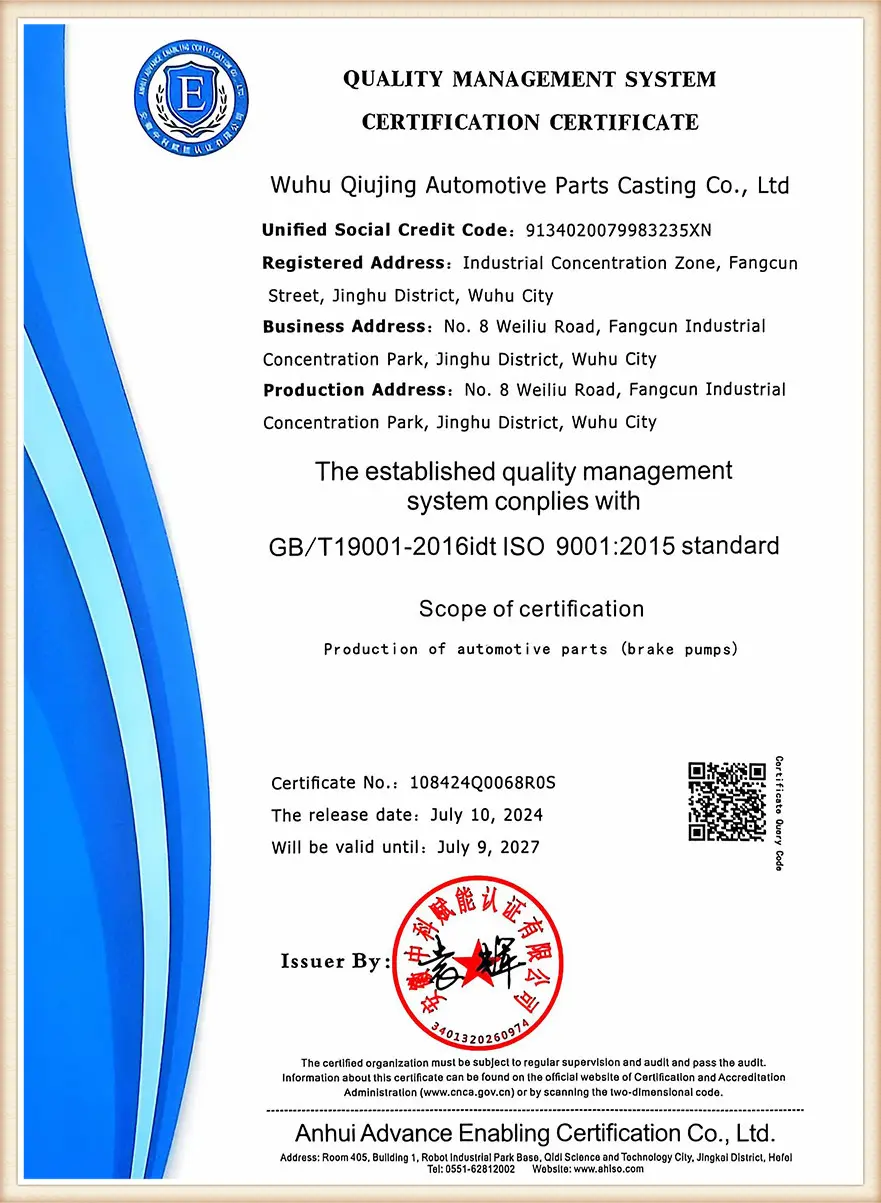
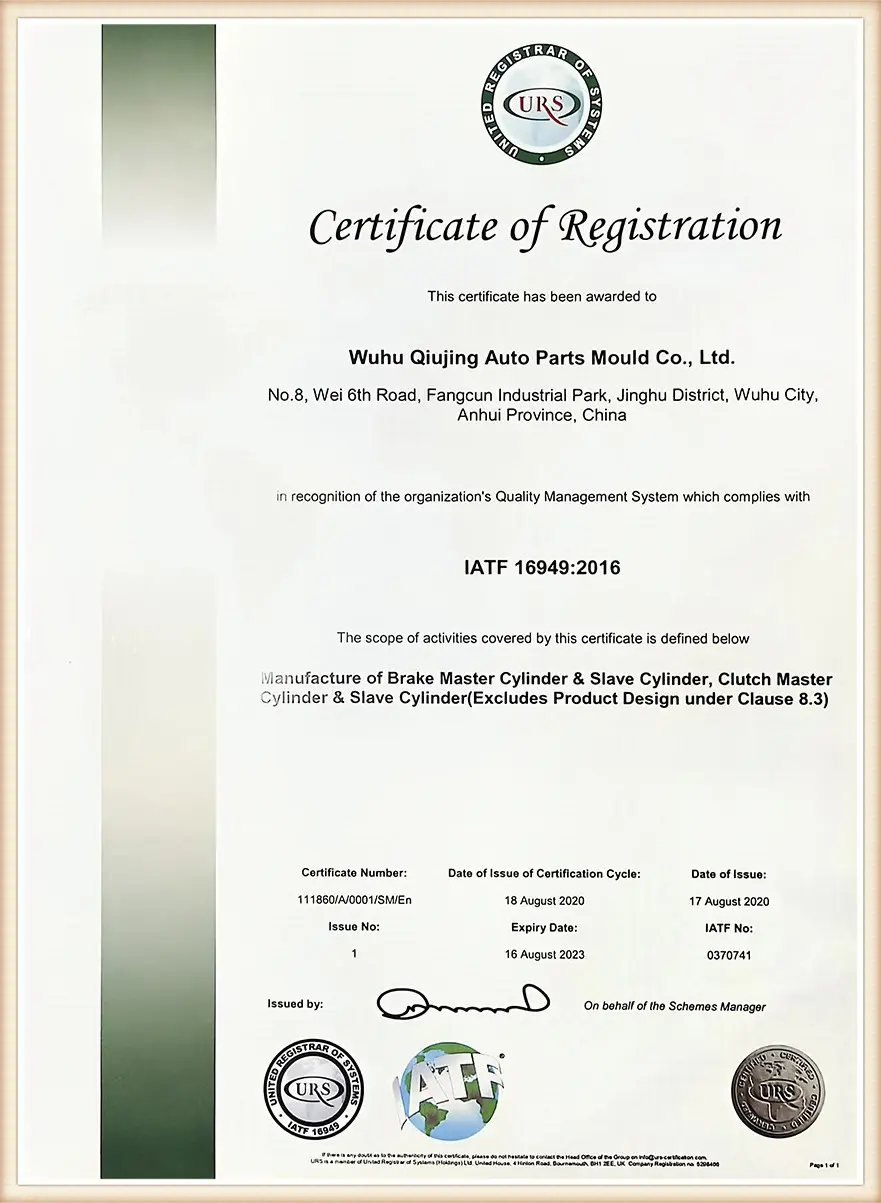
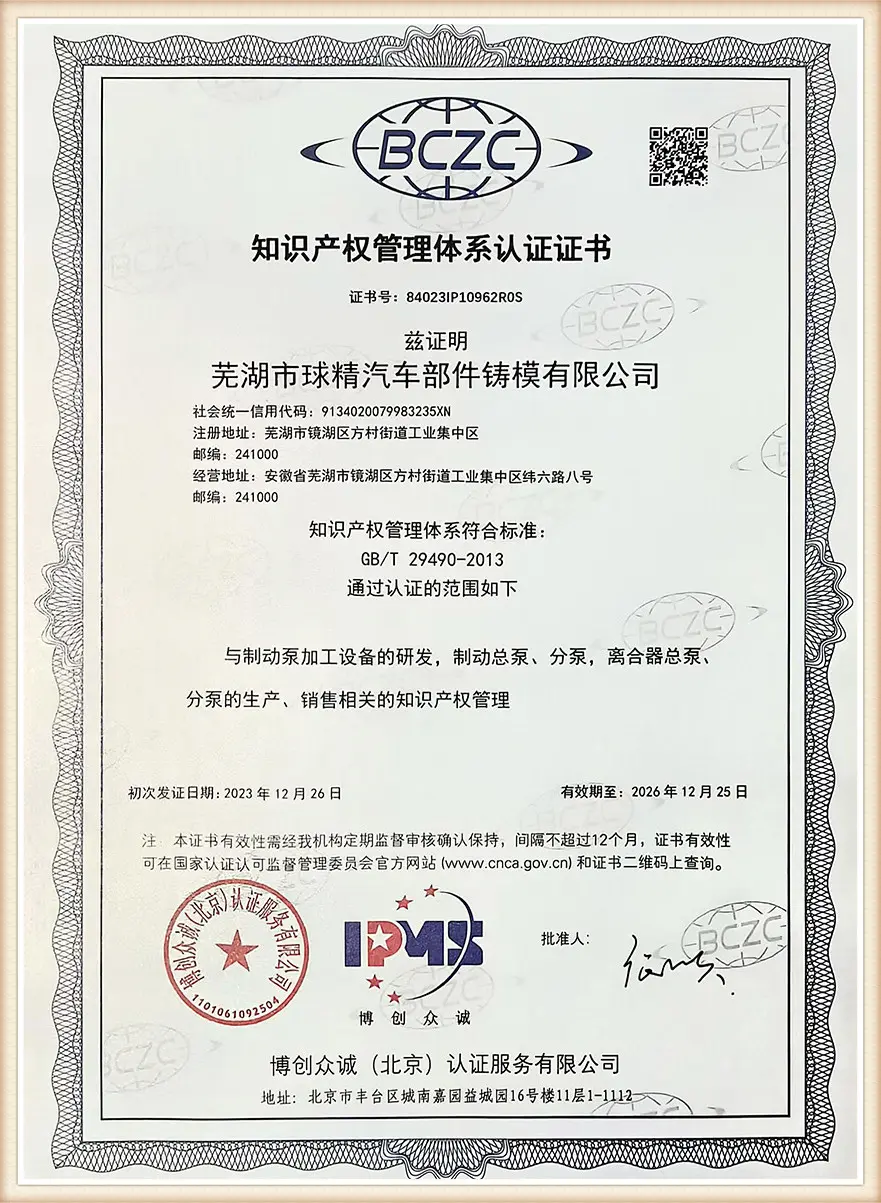
Our facility is fully certified to GB/T19001-2016 / ISO 9001:2015 and IATF16949:2016 quality standards.
"Safety first" is the guiding philosophy in all our engineering designs.
We actively promote a culture of integrity, technical innovation, and operational efficiency.
Our facility is fully certified to GB/T19001-2016 / ISO 9001:2015 and IATF16949:2016 quality standards.
A professional, efficient, integrated, and comprehensive service system for global partners.

We own and operate our production facility, with over 6,000m² of production and office space, 50+ professional staff, and an annual capacity exceeding 2 million units.

Equipped with advanced manufacturing machinery and test benches to verify product performance. We offer a two-year aftermarket warranty on all products.

Our strict quality control systems and flexible production scheduling ensure consistent product runs, making us a reliable partner for long-term sourcing contracts.

Our dedicated R&D, manufacturing, inspection, and customer service teams cooperate to ensure quick development cycles and seamless customer communication.
We combine competitive pricing with advanced manufacturing standards under a recognized QA framework.
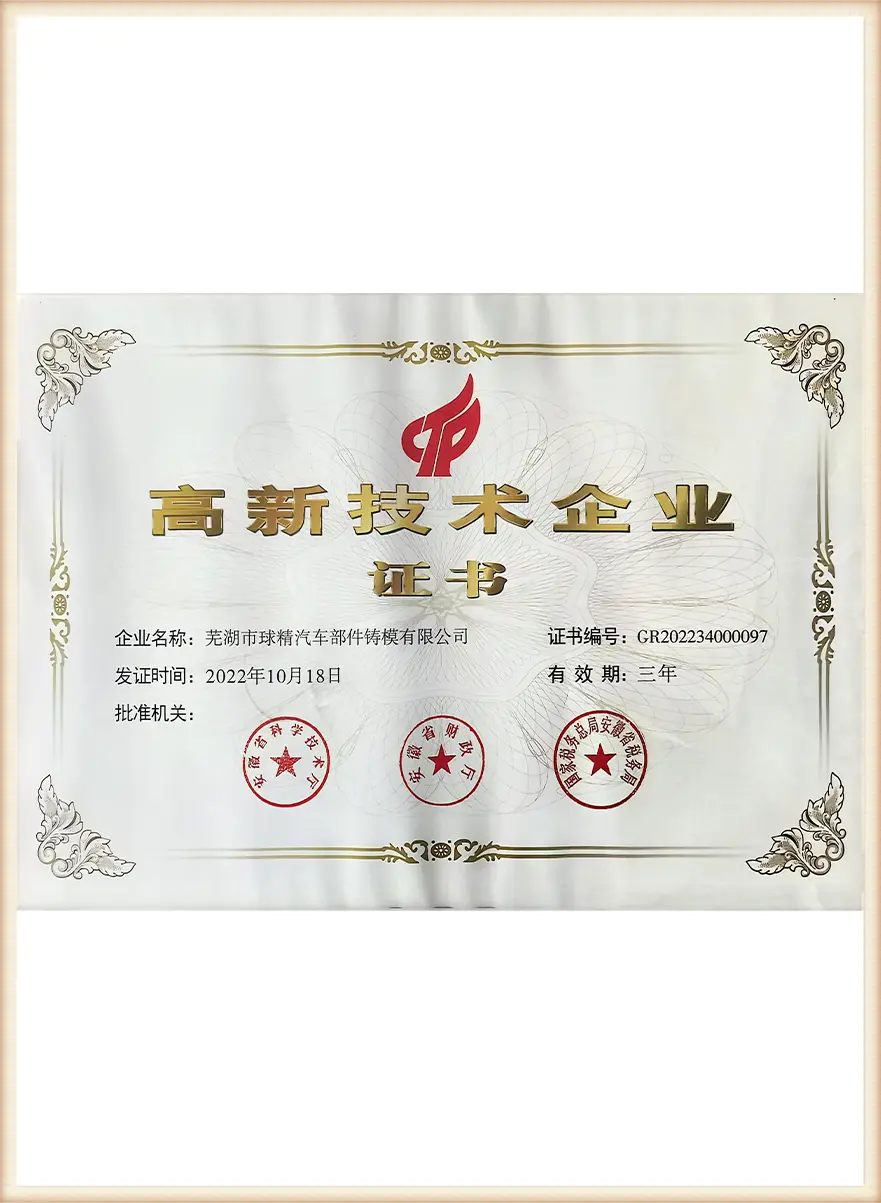
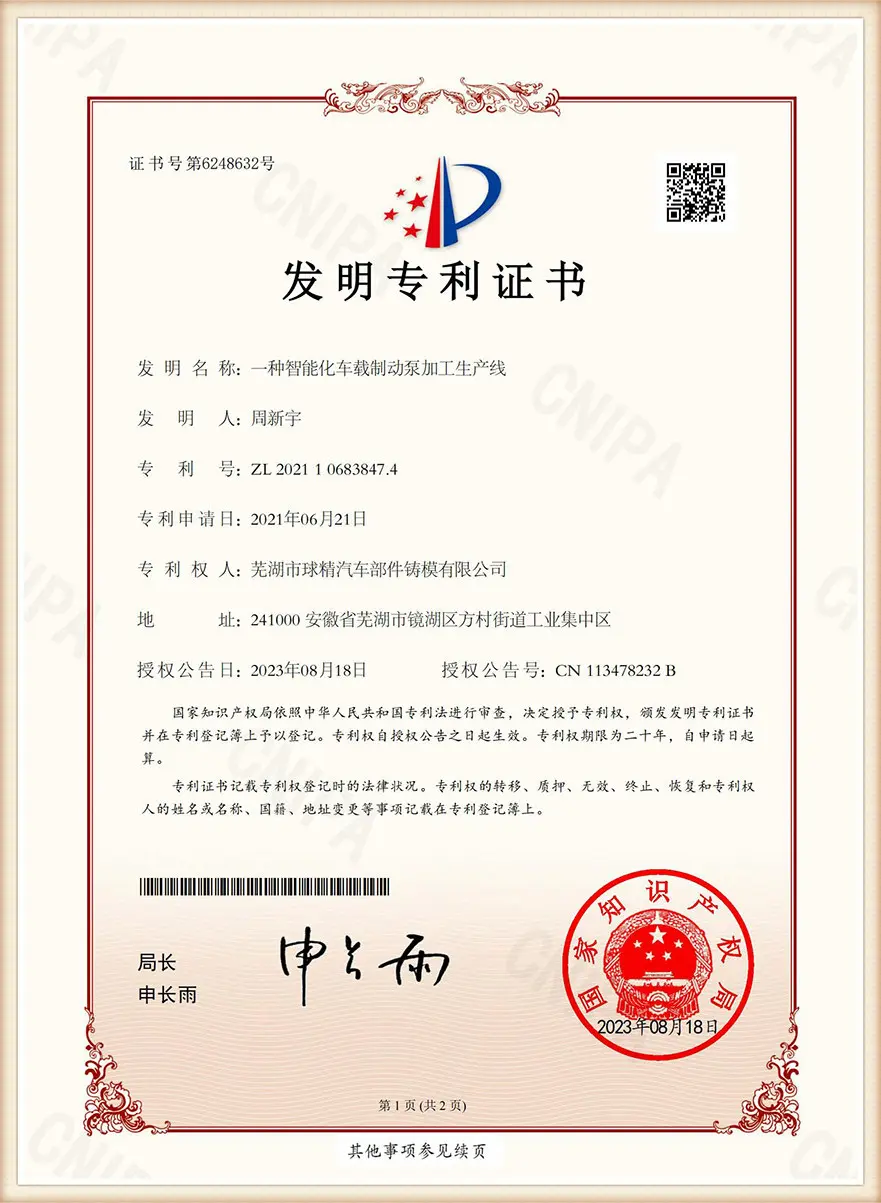
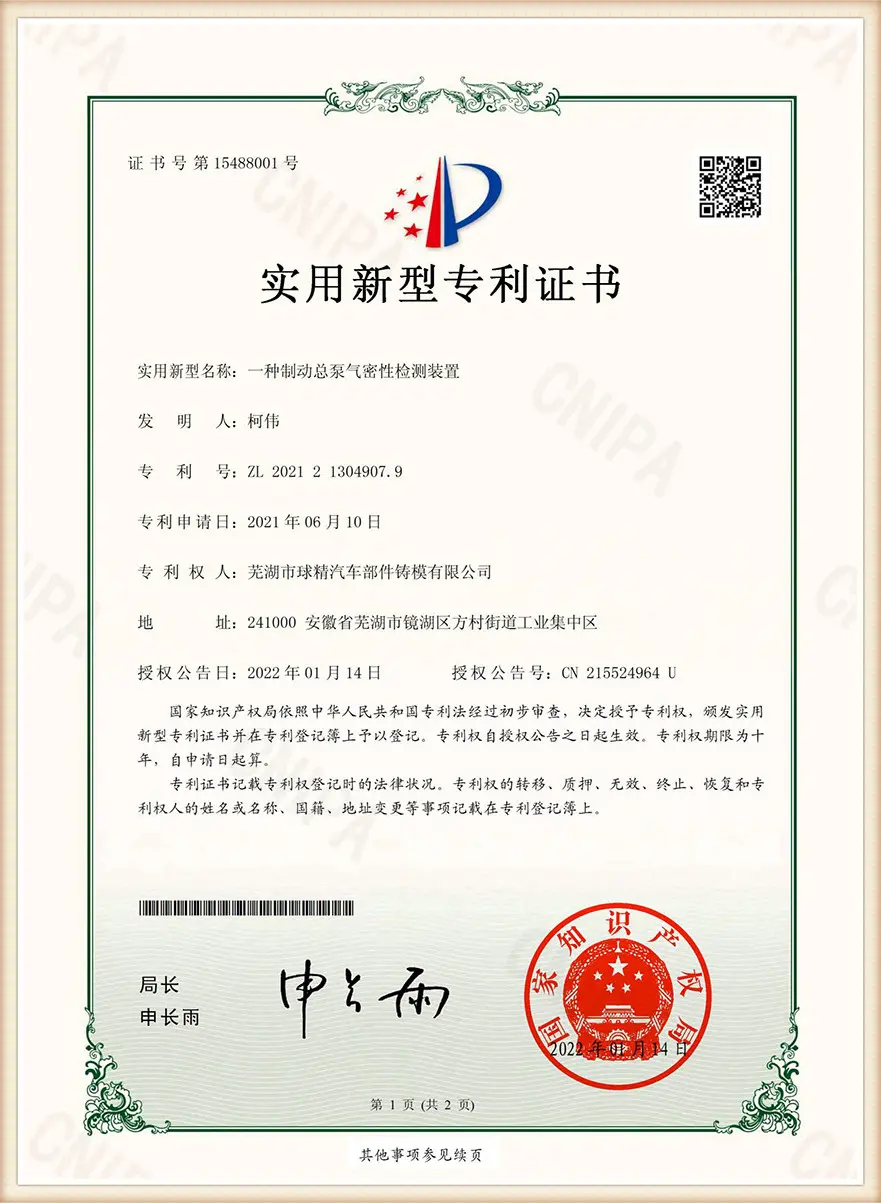
Stay informed about our production schedules, holiday notices, and business milestones.
Get answers to common technical, logistics, and quality assurance questions about our manufacturing processes.
We analyze original OEM components using coordinate measuring machines (CMM) to map out dimensions, mechanical properties, and flow rates. We then program our CNC centers to match the exact bore sizes, fluid bypass ports, and mounting positions of the target models, ensuring plug-and-play installation.
Every unit undergoes strict quality control testing. We run automated high-pressure pneumatic tests to verify cylinder wall integrity and seal alignment, followed by low-pressure vacuum decay testing to check for micro-leaks. A sample from each batch is also tested on our dyno benches to simulate lifetime wear under various temperatures.
Yes. Our engineering department can customize components based on technical drawings or physical samples. We can adjust the bore diameter (to modify pedal pressure), change the mounting flange angles, apply hard anodizing treatments, and use high-temperature EPDM seals to suit performance driving conditions.
Our standard Minimum Order Quantity (MOQ) depends on the specific product model and material requirements. For popular passenger vehicle components that share catalog designs, we offer flexible MOQ levels. Standard production runs take 30 to 45 days, while in-stock catalog items can ship sooner.
Get in touch with our engineering and sales teams to request technical specifications, physical samples, or custom quotes. We typically reply within 24 business hours.
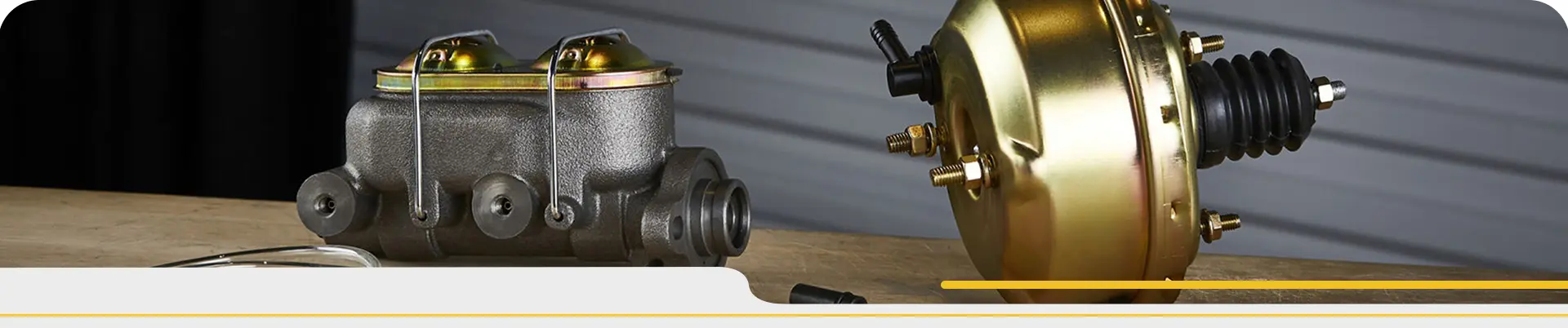
Premium replacement options for Japanese, European, and American vehicle makes.