OEM Selected Auto Parts Supplier & Factory

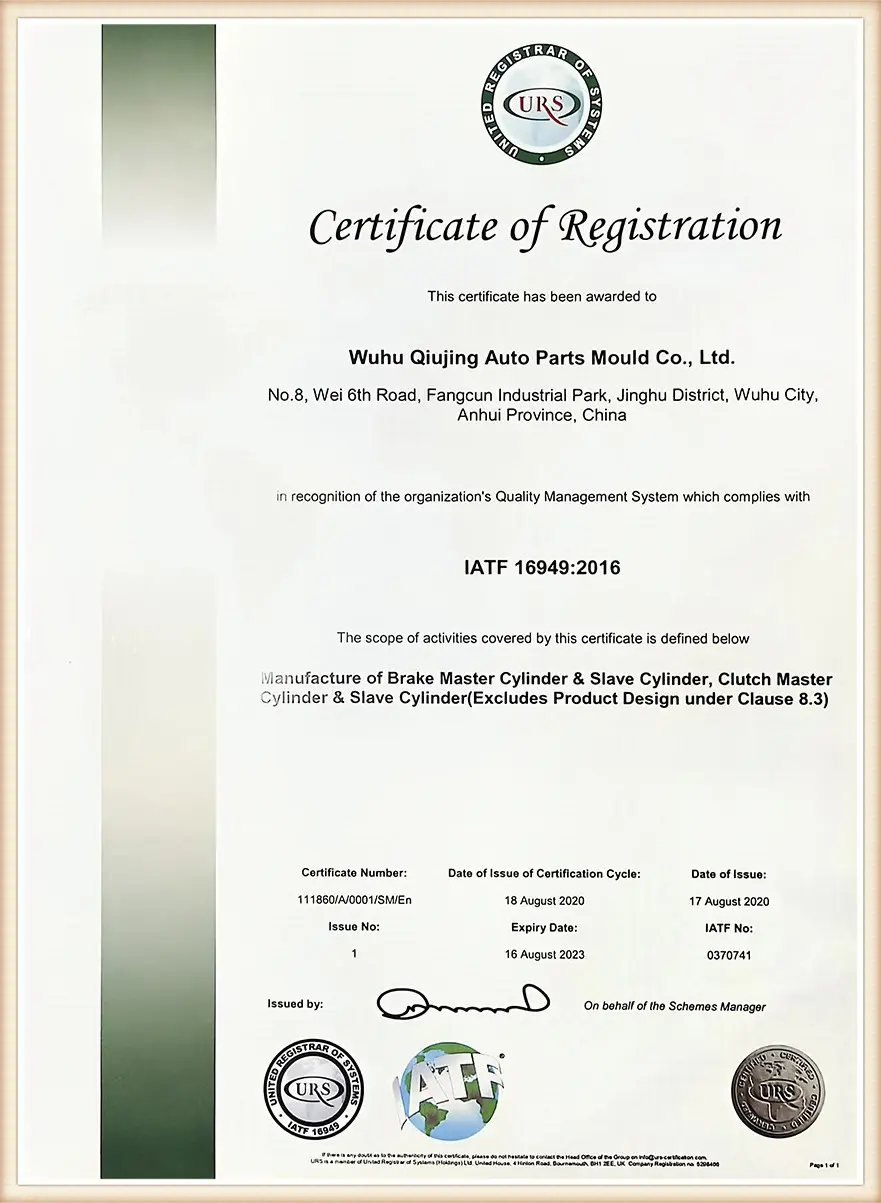
Premium Actuation Systems & OEM Solutions: ISO 9001:2015 & IATF 16949:2016 Certified Automotive Hydraulics

Product Categories

Fully certified engineering lines catering to commercial, pickup, and heavy vehicle sectors globally.
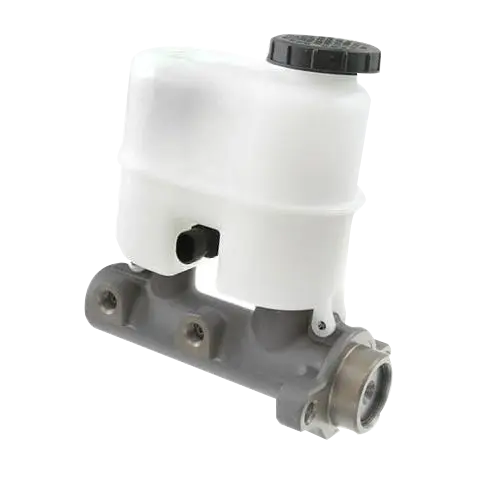
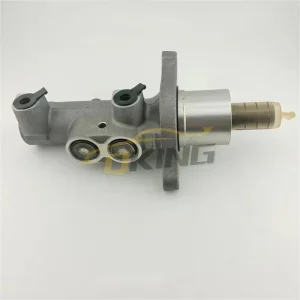
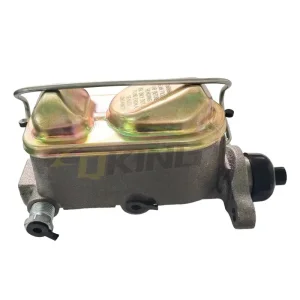
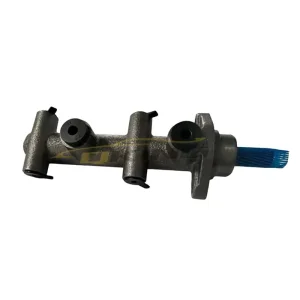
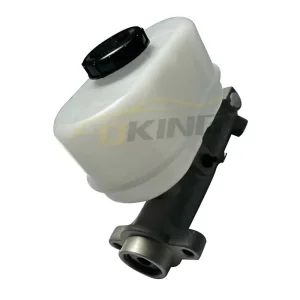
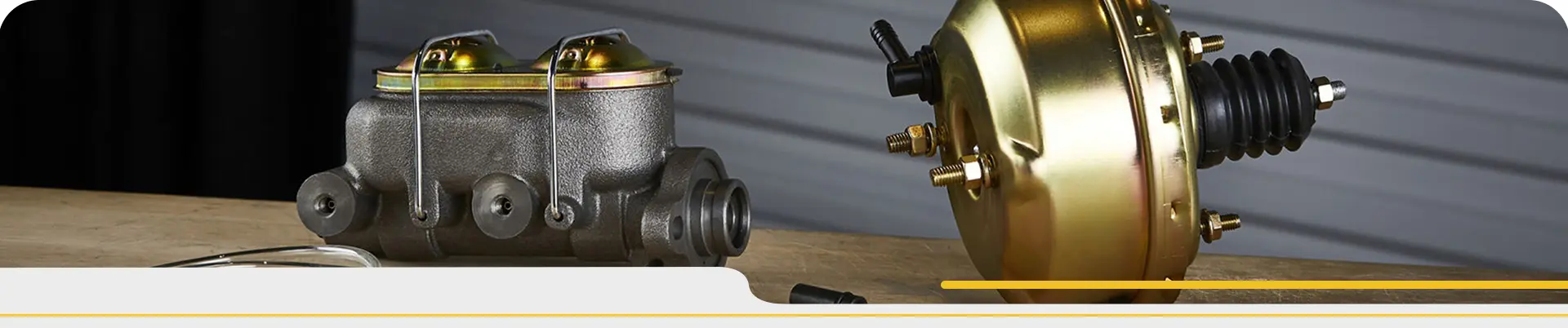
Brake Master Cylinder

Brake Master Cylinder

High-durability anodized aluminum and cast iron housings with EPDM seals for ultimate safety.

Learn More
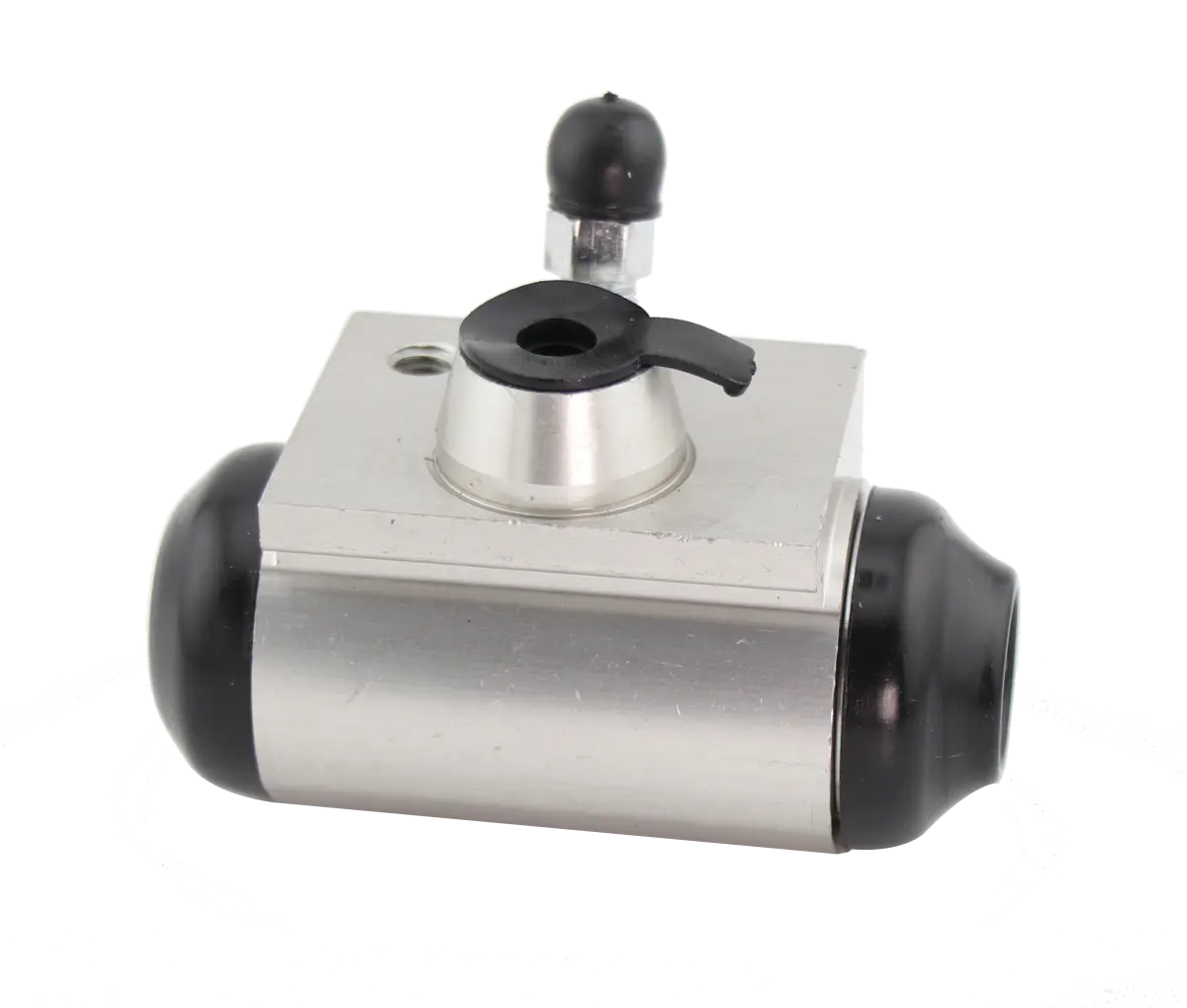
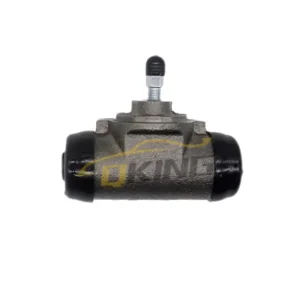
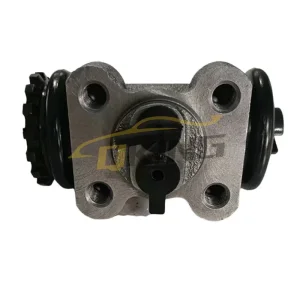
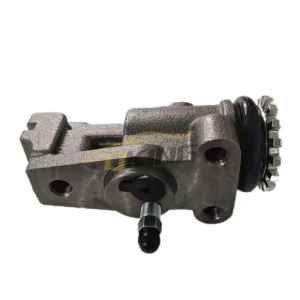
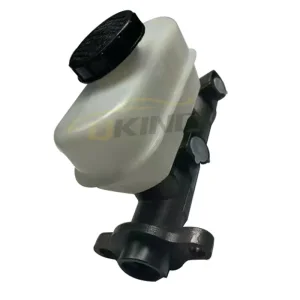
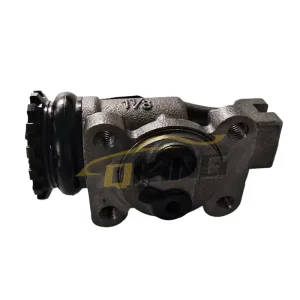
Brake Wheel Cylinder

Brake Wheel Cylinder

Engineered for high-humidity resistance and thermal stability under long-term utility cycles.

Learn More
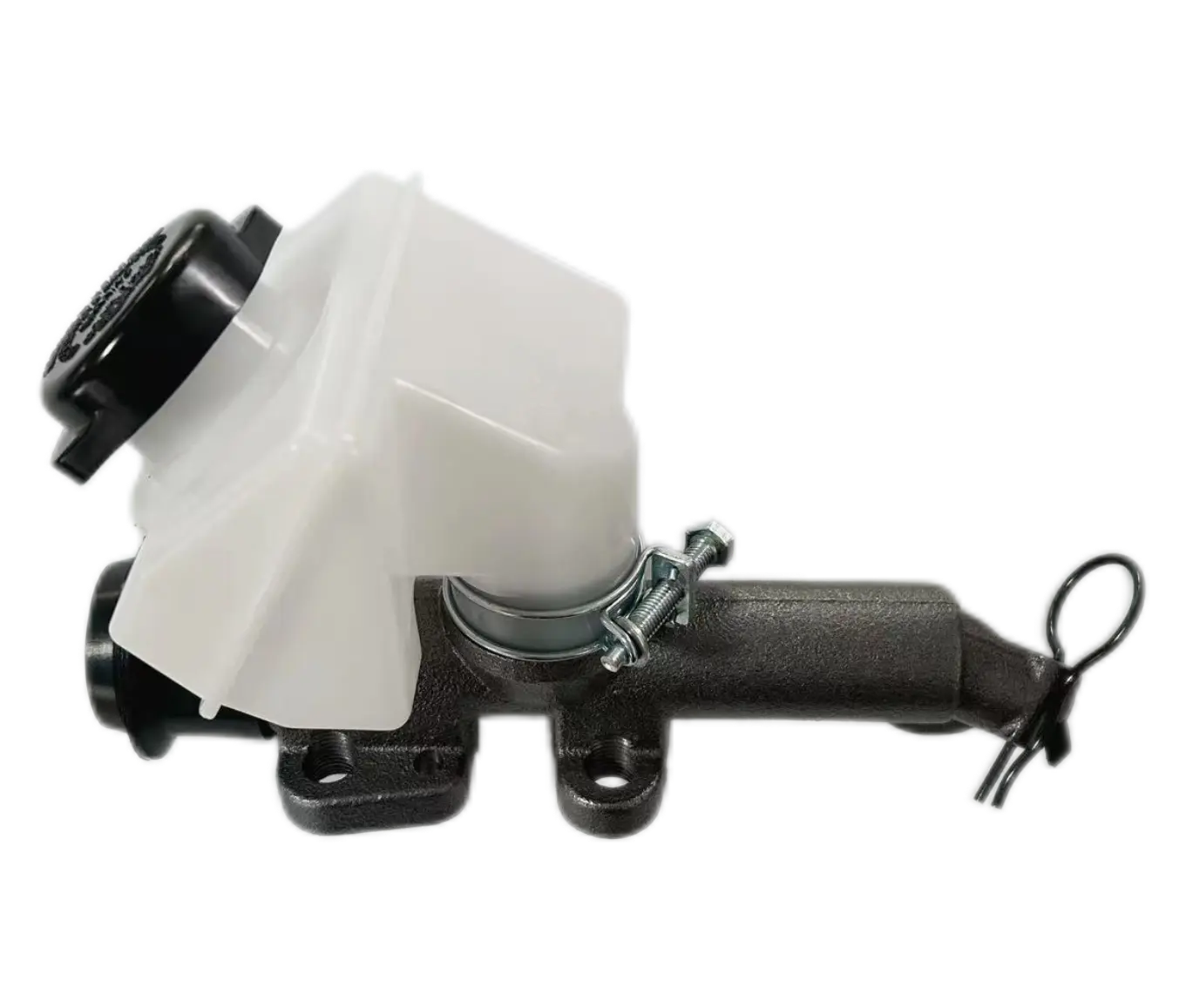
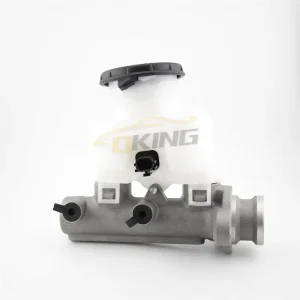
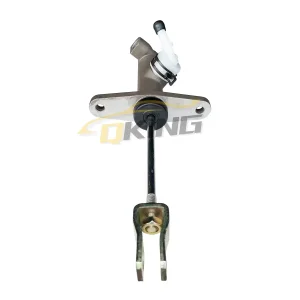
Clutch Master Cylinder

Clutch Master Cylinder

Providing crisp hydraulic response and precise driver interface modulation across vehicle setups.

Learn More
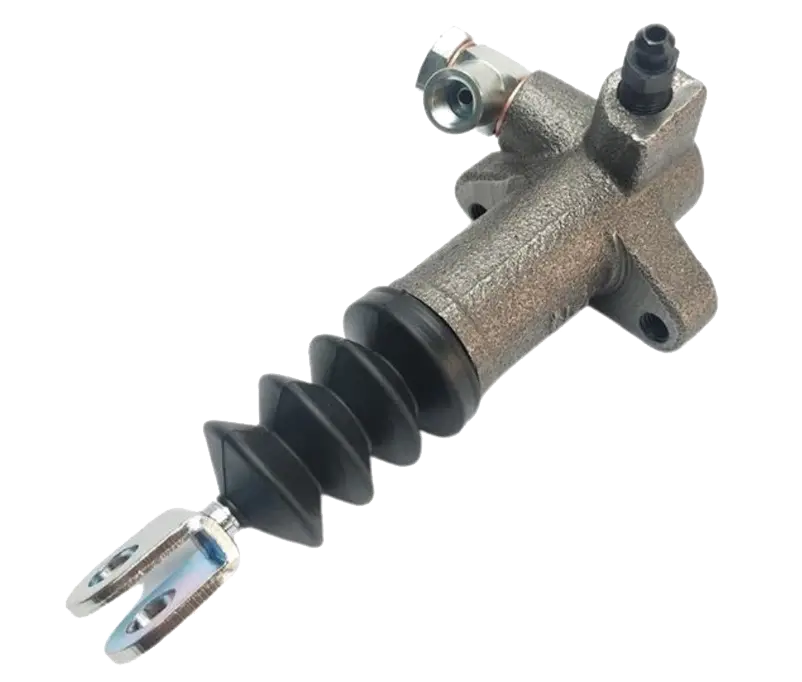
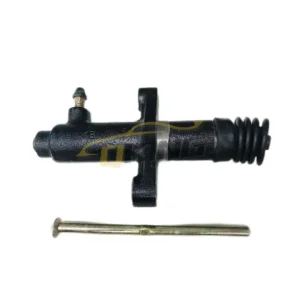
Clutch Slave Cylinder

Clutch Slave Cylinder

Precision-machined pistons matching OE stroke lengths for commercial heavy trucks.

Learn More
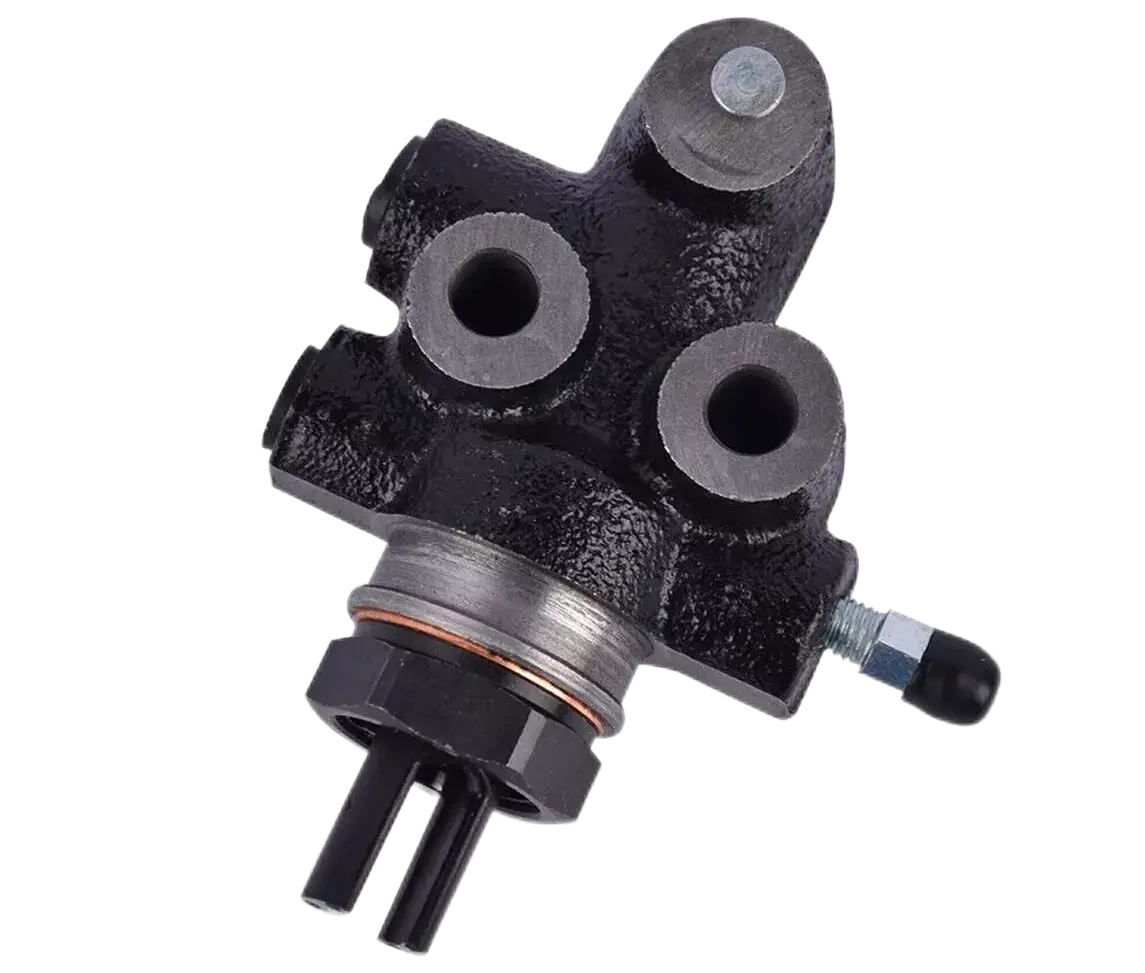
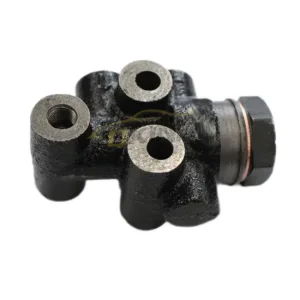
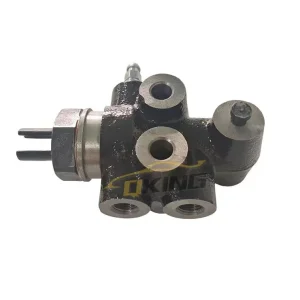
Brake Proportioning Valve

Brake Proportioning Valve

Load-sensing and inertia-type dynamic valves regulating distribution between axles.

Learn More
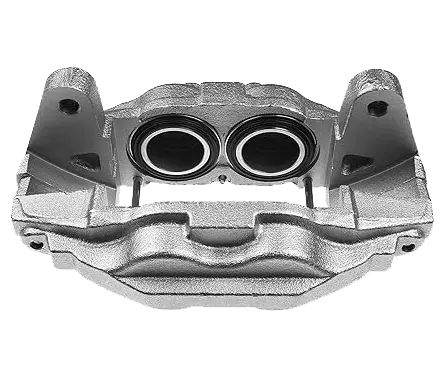
Brake Caliper

Brake Caliper

High performance castings optimized for dynamic thermal dissipation and anti-seize life.

Learn More

Our Technical Foundations

Wuhu Qiujing Auto Parts Co., Ltd. - Built on Precision Engineering since 1996.
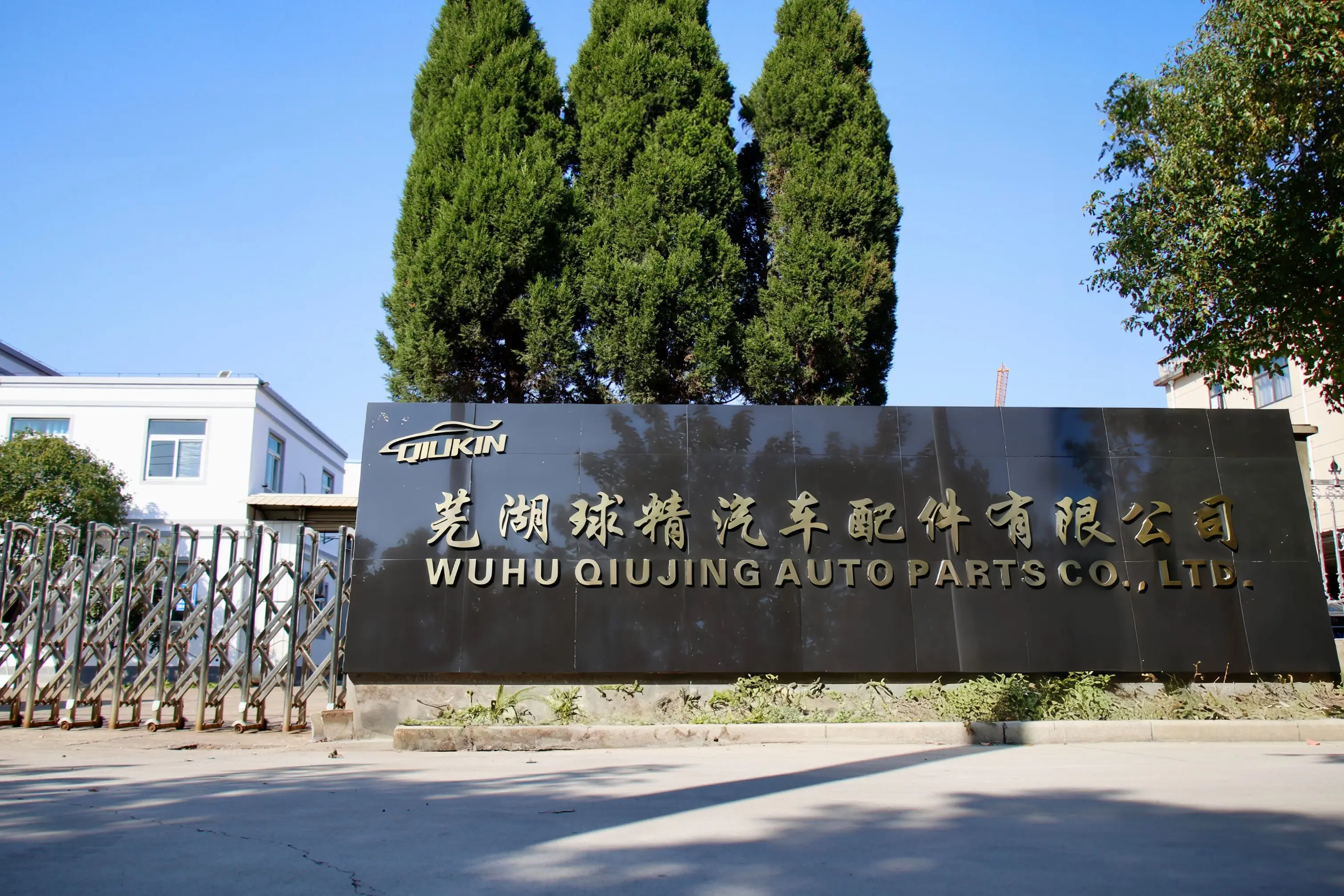
Qiujing Auto Parts Factory Outer Area Qiujing Assembly Line
Professional OEM/ODM Partner

Actuating Mechanical Stability Across Crucial Heavy Duty Cycles

Founded by industry specialists active since 1996 and consolidated in 2007, Wuhu Qiujing Auto Parts Co., Ltd. represents one of the industry's reliable domestic forces in hydraulic engineering. Covering over 6,000 m² of specialized office and clean manufacturing environments, we employ more than 50 technical workers and engineering operators to manage output lines reaching 2,000,000 units yearly.

With ISO 9001:2015 and IATF 16949:2016 certifications, we prioritize "Safety first" and structural integrity. Every product family utilizes standardized alloys, premium compound EPDM gaskets, and anti-corrosive plating designed for severe field conditions.

6,000m²
Factory Footprint
2M+
Annual Capacity
20+
Years Experience
50+
Skilled Employees

Why Industrial Buyers Choose Qiujing

Integrated supply chain security, complete control of mechanical tolerances, and reliable service systems.

Direct Source Factory

6,000+ m² modernized industrial footprint allows for dynamic batch control, scaling capabilities, and pricing stability.

Quality Assurance

Advanced diagnostic machineries inspect pressure holding limits and seal tolerances. Full two-year assurance period provided.

Stable Consistency

Strict raw material standard inspections guarantee uniform hardness metrics, preventing leakage and bypass failures.

Technical Configuration

In-house specialized engineering teams, dynamic R&D processes, and direct customer support for faster delivery.

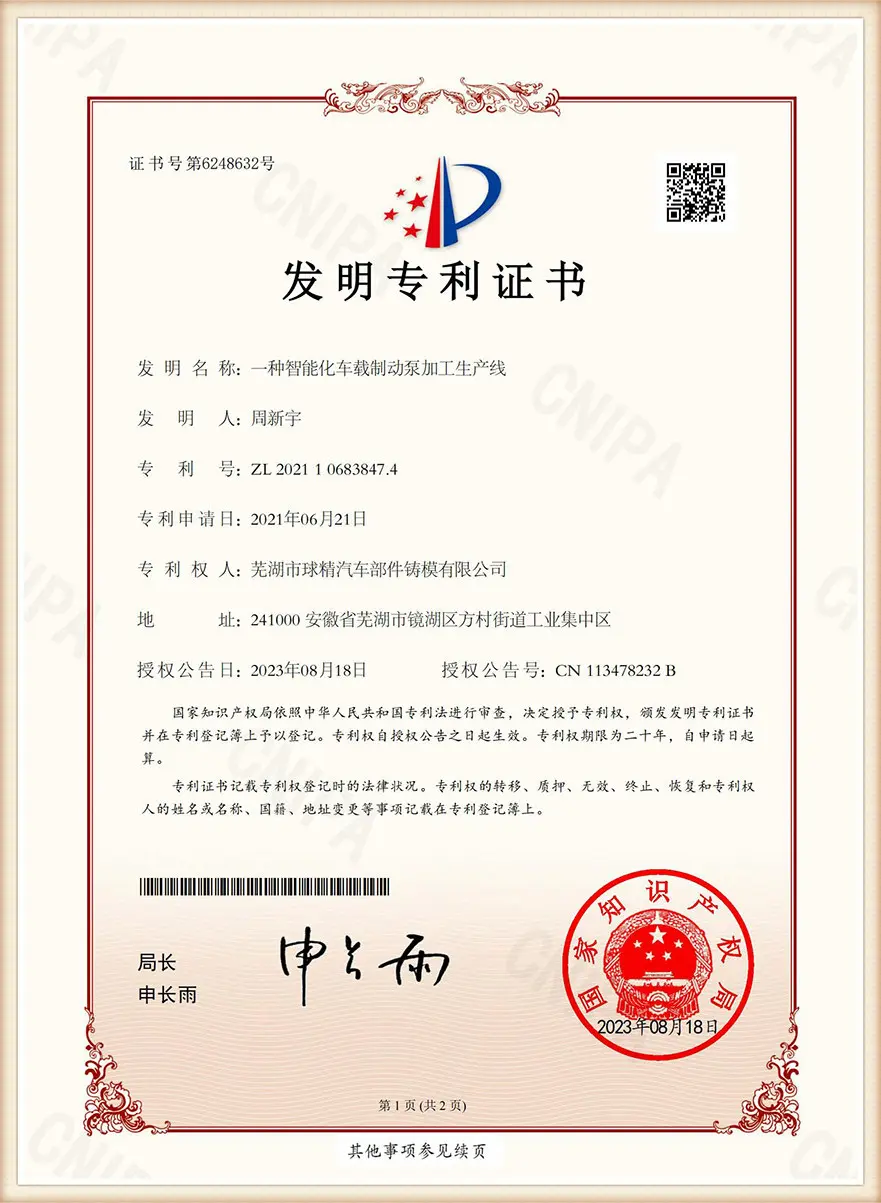
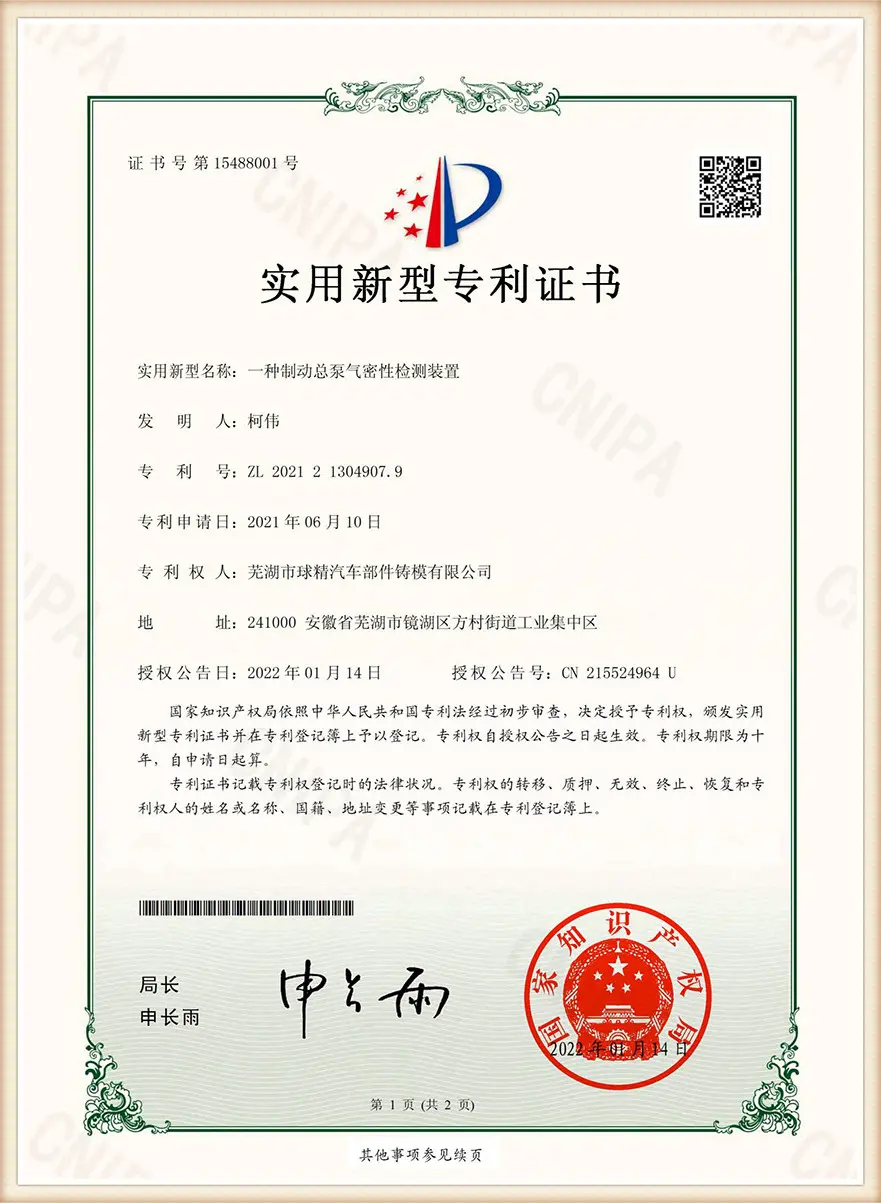
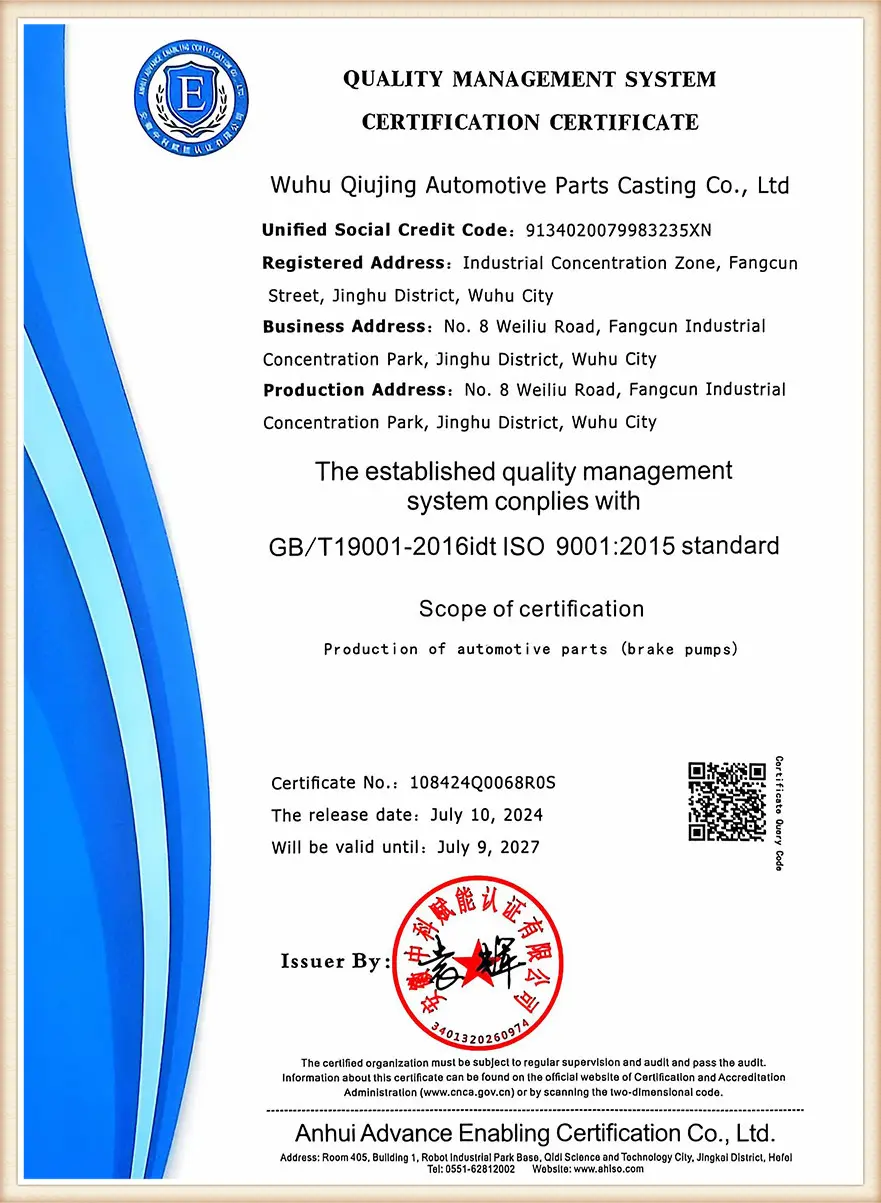
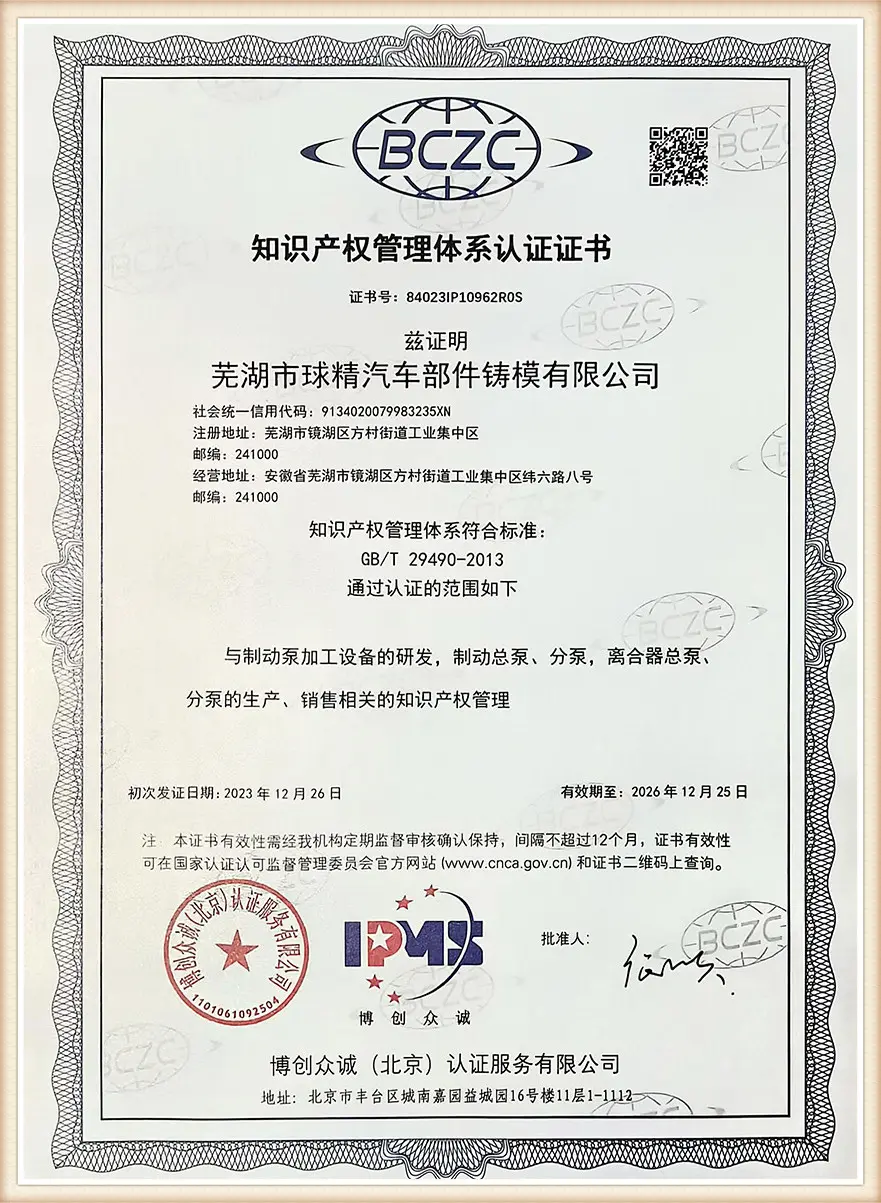
Global Safety & Standards Certification

Ensuring cross-border compliance through rigorous verification procedures.
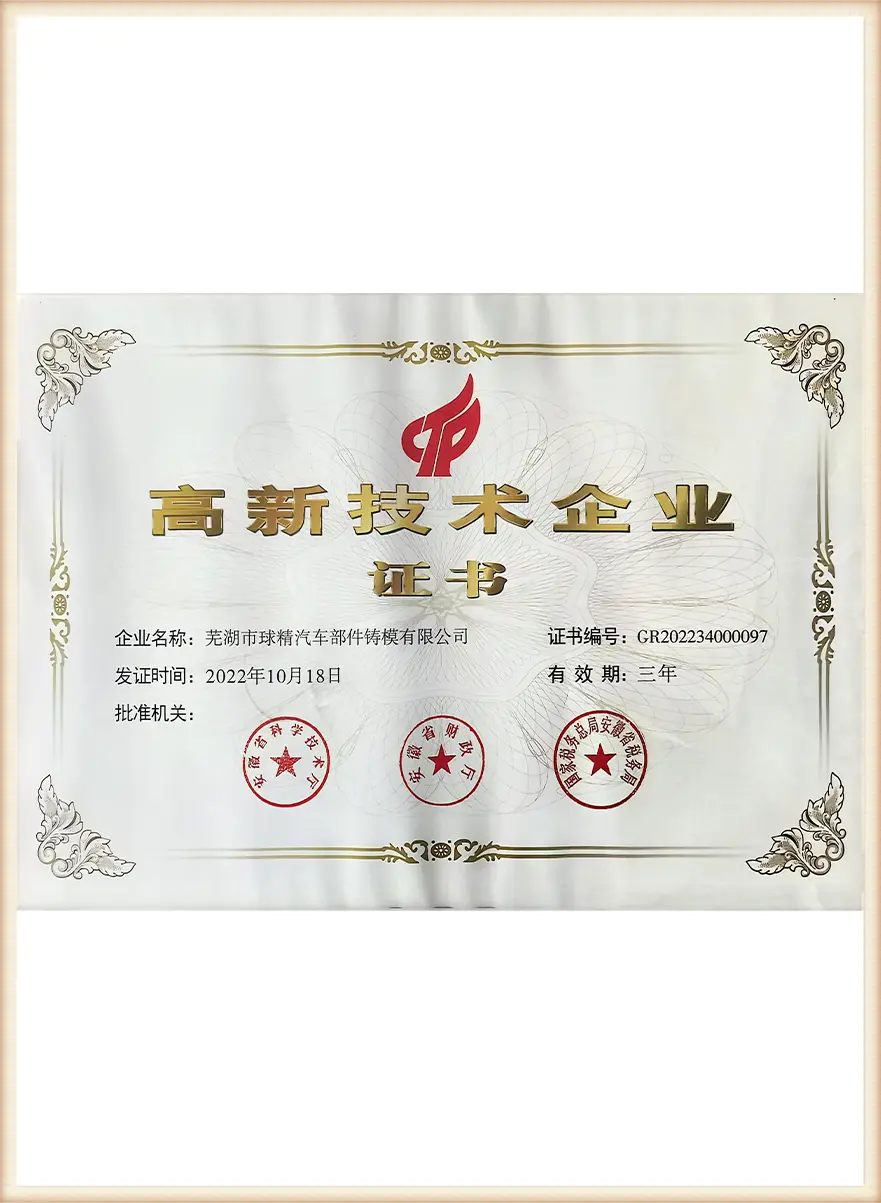
Quality Standard Certificate 1
Quality Standard Certificate 2
Quality Standard Certificate 3
Quality Standard Certificate 4
Quality Standard Certificate 5
Quality Standard Certificate 6

Global Automotive Hydraulics: Technical Whitepaper

Deep-dive research on material sciences, engineering solutions, and structural standards in modern chassis control.

1. Macro Industry Solutions: Hydraulics in the Electrification Era

As the automotive sector transitions towards hybrid and fully electric propulsion systems, the fundamental physics of stopping power remain non-negotiable. While regenerative braking recovers kinetic energy and reduces standard brake pad wear, friction-based hydraulic safety backups remain mandatory worldwide. Dual-circuit systems powered by Master Cylinders and balanced by Proportioning Valves serve as the ultimate mechanical link when electronic systems experience voltage drops or localized sensor failures.

From light-duty utility vehicles to long-haul commercial trucks (such as the Isuzu ELF series or Mitsubishi Fuso platforms), hydraulic systems must withstand extreme operating conditions. Modern engine bays present tighter packaging configurations, driving up localized operating temperatures. Consequently, components like the Brake Master Cylinder must run reliably without thermal deflection. Standardizing bore finishes, utilizing corrosion-resistant coatings, and selecting specialized elastomer compounds are critical practices to eliminate pressure degradation over long-term field exposure.

2. Global Commercial & Industrial Sourcing Paradigms

In globalized aftermarket distribution networks and Tier-1 manufacturing facilities, component longevity directly impacts operational costs. Procurement managers face several industry challenges:

  • Material Fatigue & Wear: Cylinder bores subjected to repeated strokes must maintain structural integrity to prevent internal pressure bypass. Wuhu Qiujing addresses this by using wear-resistant aluminum alloys and high-density ductile cast iron.
  • Fluid Compatibility: Modern braking systems run on varying formulations of DOT 3, DOT 4, and DOT 5.1 glycol-ether based fluids. These compounds can degrade non-standardized rubber cups, leading to seal softening or expansion. Qiujing sources high-performance, heat-stabilized EPDM elastomers to ensure reliable chemical resistance.
  • Environmental Exposure: Undercarriage parts, such as Clutch Slave Cylinders and Wheel Cylinders, are continually exposed to water, road salt, and debris. This environment demands durable exterior surface treatments to prevent oxidation and piston seizing.

3. Localized Engineering Standards & Global Regulatory Compliance

Different regions place distinct requirements on automotive braking components. Sourcing partners must understand these compliance frameworks to avoid customs delays and liability issues:

  1. North America (FMVSS 105 & 135): Federal Motor Vehicle Safety Standards mandate specific performance requirements for braking distances and pedal feel. Replacement master cylinders must match the exact displacement volume of the OE unit to preserve system balance and prevent changes in pedal travel.
  2. Europe (ECE R90 & REACH): European standards require replacement brake parts to perform within ±15% of the original component. Additionally, chemical regulations prohibit the use of hazardous substances in surface treatments, prompting a shift away from traditional hexavalent chromium coatings.
  3. Asia-Pacific (GB/T & ISO Standards): Compliance with GB/T19001-2016 and IATF 16949:2016 ensures standardized quality control across automated assembly lines, supporting consistent quality across production batches.

4. Technical Application Scenarios

Automotive hydraulic components perform critical roles in a range of light and heavy-duty vehicles:

  • Light Pickups (e.g., Mazda B-Series, Ford Ranger): These commercial utility vehicles operate under varying payload conditions, requiring reliable wheel cylinders to stabilize drum brake setups on the rear axle.
  • Commercial Freight (e.g., Isuzu ELF, Mitsubishi Fuso): Heavy cargo transport requires durable clutch actuation systems. The Clutch Master and Slave Cylinders must deliver consistent release action through millions of shifting cycles to prevent drivetrain wear.
  • Dynamic Braking Systems: Systems equipped with Brake Load Sensing Proportioning Valves (LSPV) automatically adjust hydraulic output to the rear wheels based on suspension compression, maintaining vehicle control during hard braking.

5. Materials, Machining Tolerances, and Quality Assurance

Ensuring component longevity requires precise manufacturing controls:

  • Bore Honing and Surface Roughness (Ra): The cylinder bore's internal finish must be carefully controlled. Excessively rough surfaces speed up rubber seal wear, while overly smooth finishes prevent fluid retention, causing the seals to dry run and fail. Qiujing maintains Ra values within a tight 0.2 to 0.8-micron window.
  • EPDM Seal Performance: Standard seals can harden or shrink when exposed to wide temperature ranges (-40°C to +120°C). Qiujing uses premium, peroxide-cured EPDM compounds to preserve flexibility and seal integrity across seasonal shifts.
  • Corrosion Control: External cast-iron and aluminum bodies receive zinc plating and anodization treatments, showing resistance during ASTM B117 salt-spray tests to protect components in regions using road salt.

Technical Roadmap & Future Outlook

How Qiujing is adapting product lines to match the shifting demands of modern vehicle platforms.

Electrochemical Anodization Integration

Transitioning all light-alloy cylinder bores to hard-anodized coatings to increase wear resistance and extend cylinder life.

Smart Proportioning Development

Developing mechanical proportioning systems with integrated pressure sensors to interface with basic electronic stability controls.

Eco-Conscious Chrome-Free Plating

Transitioning entire casting lines to chromium-free trivalent zinc plating systems to meet REACH and EPA environmental requirements.

Automated Laser Alignment

Installing robotic laser-inspection stations to verify piston clearance dimensions down to single-micron tolerances.

Technical FAQ & Sourcing Solutions

Answers to common engineering and commercial questions for procurement managers and distributors.

What raw materials and plating treatments does Qiujing use to prevent internal corrosion?
We use high-density ductile cast iron and weight-reduced aluminum alloys. External surfaces receive trivalent zinc plating, while internal bores are polished and hard-anodized. These processes help our components exceed standard 96-hour salt spray tests, maintaining clear pathways even in coastal climates.
How does Wuhu Qiujing ensure compliance with IATF 16949:2016 during production?
We run a documented Quality Management System (QMS) that tracks parts from incoming raw alloy verification through final leak testing. Every batch undergoes document control, PPAP submission, and automated testing, allowing us to maintain trace records for each finished cylinder assembly.
Why are premium EPDM rubber cups critical for cylinder assemblies?
Standard rubber seals can swell, shrink, or soften when exposed to glycol-based DOT brake fluids, which can lead to leaks or internal bypass. Our peroxide-cured EPDM seals are chosen for their high-temperature stability and resistance to swelling, helping the cylinder retain pressure through extensive duty cycles.
Can Wuhu Qiujing produce custom hydraulic cylinders based on OEM drawings?
Yes. Our engineering division can take standard 2D blueprints or 3D CAD files (such as STEP or IGES formats) to create tooling and custom castings. We manage the development cycle in-house, covering mold design, prototype generation, testing, and final mass production.
How does a Brake Load Sensing Proportioning Valve (LSPV) optimize braking force?
The LSPV is mounted to the vehicle chassis and linked to the rear axle. As vehicle load increases, the suspension compresses, shifting the valve linkage. This allows the valve to route higher pressure to the rear brakes, adjusting output to match the payload and prevent premature rear-wheel lockup.

Request Technical Drawings & Bulk Pricing

Submit your part numbers, technical drawings, or OEM references. Our engineering team will review your specifications and supply a detailed quote within 24 hours.

100% pneumatic testing for leakage verification
24-Month technical support period
Production matching IATF 16949 standards