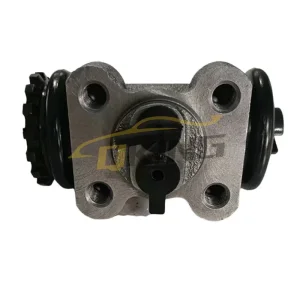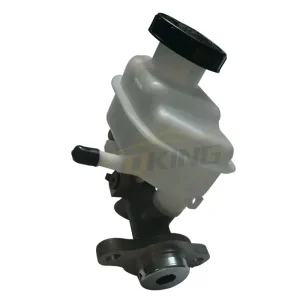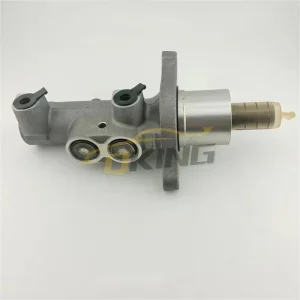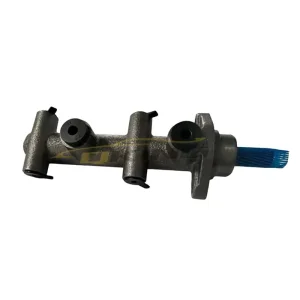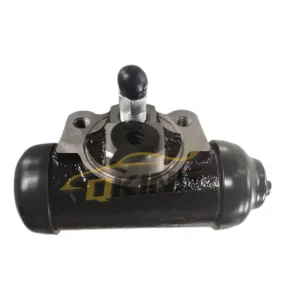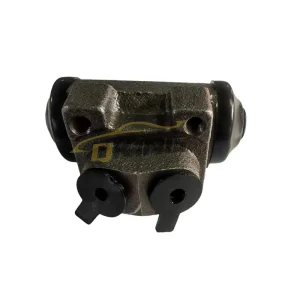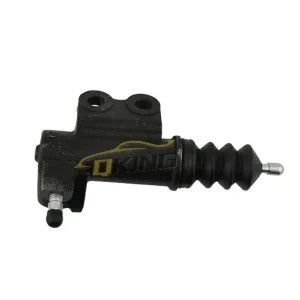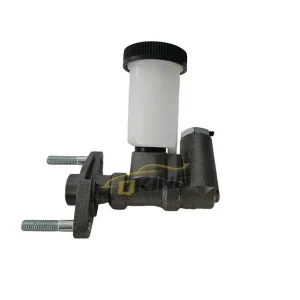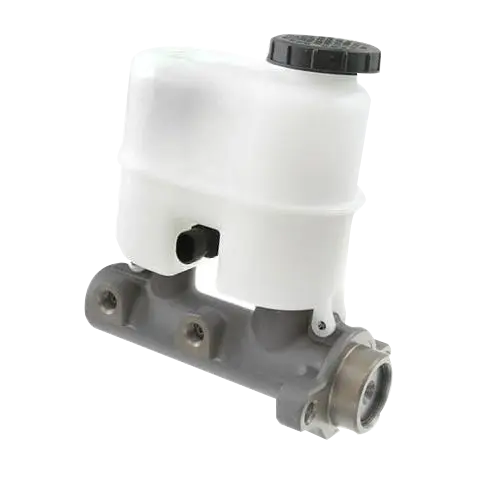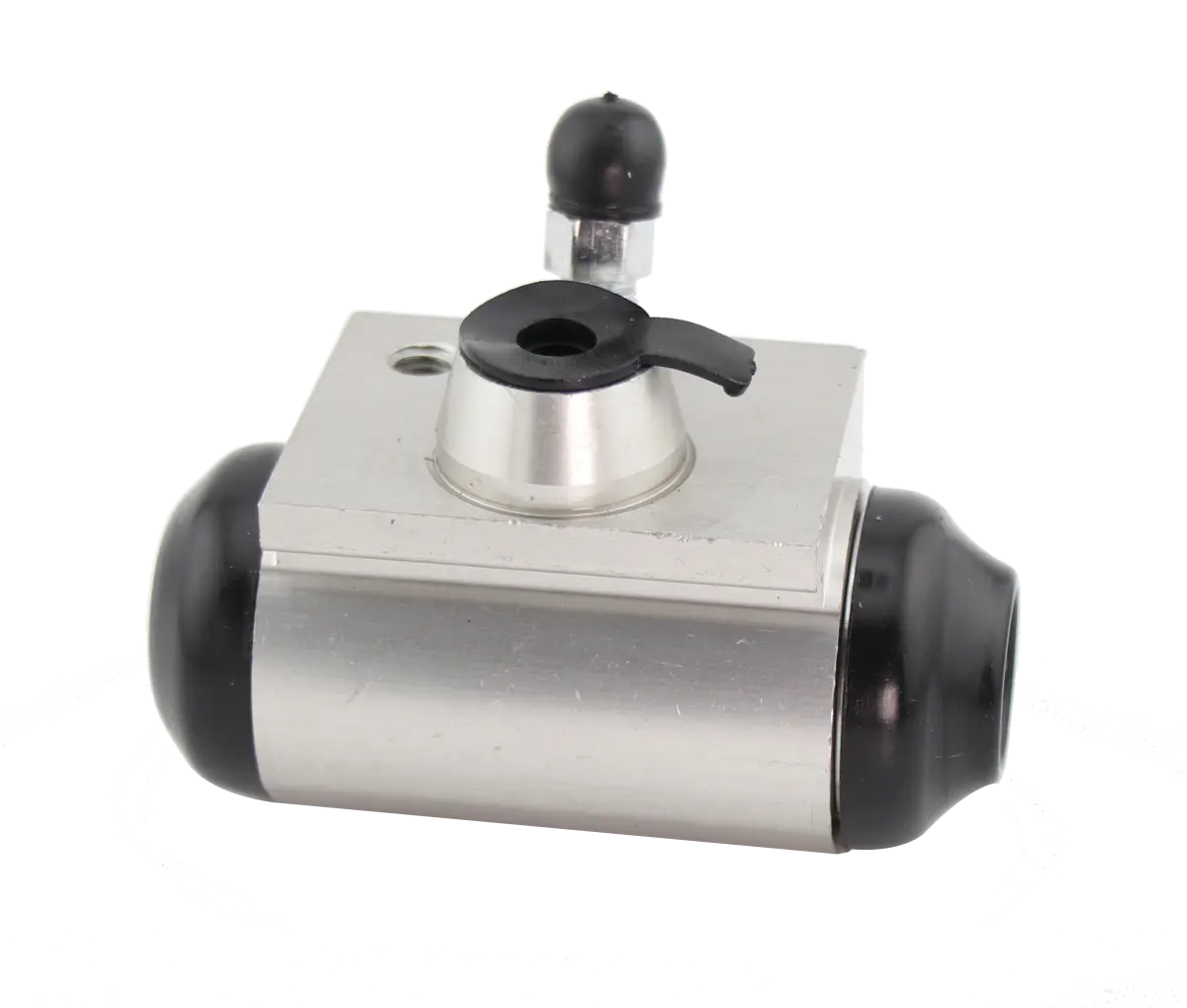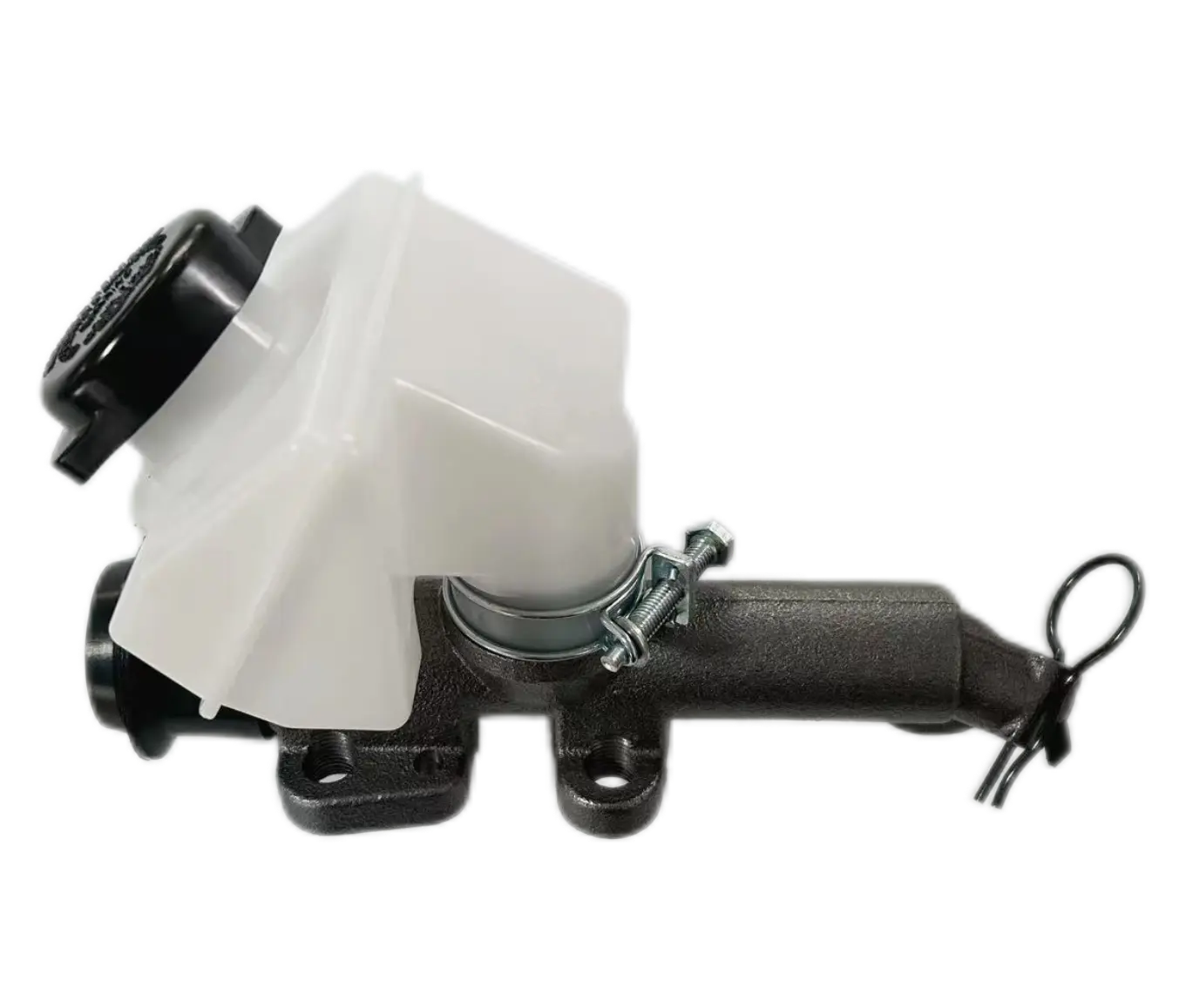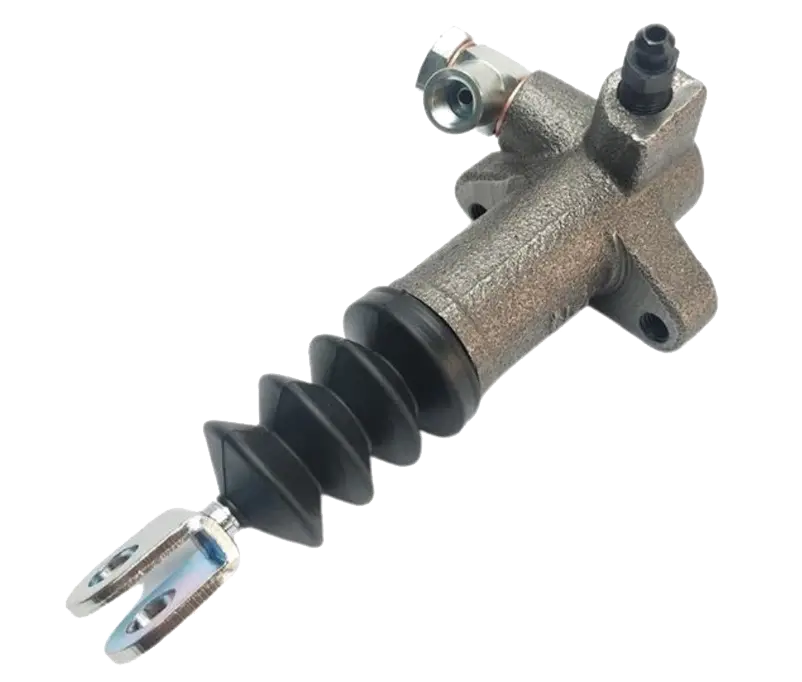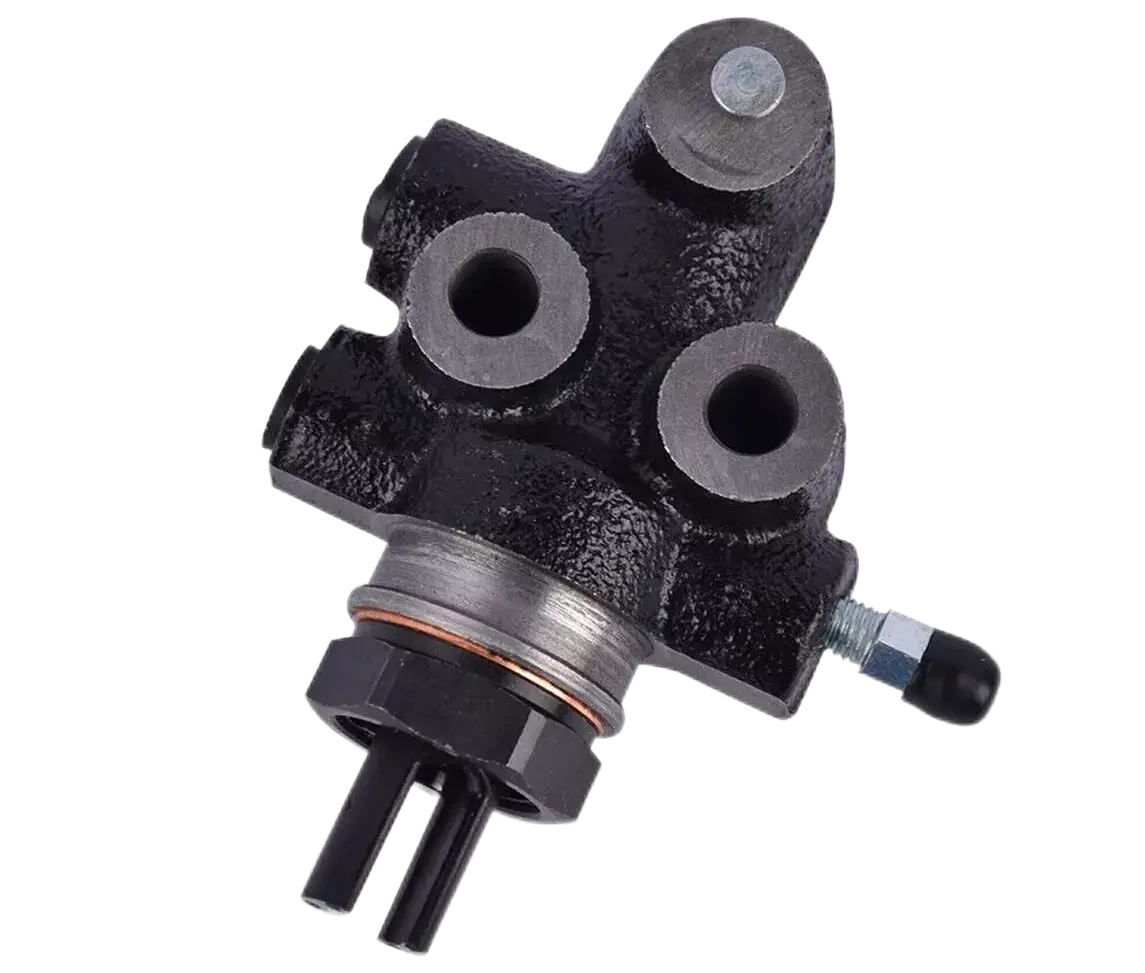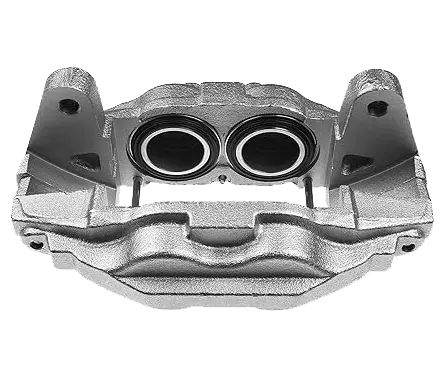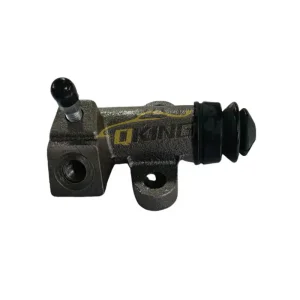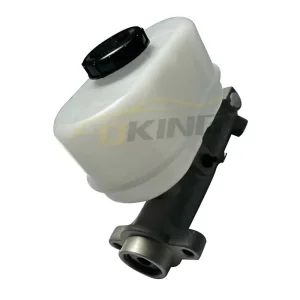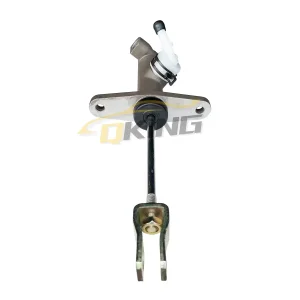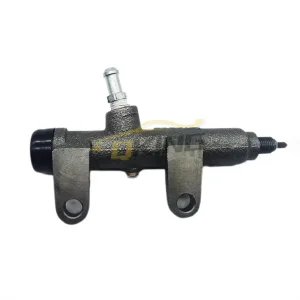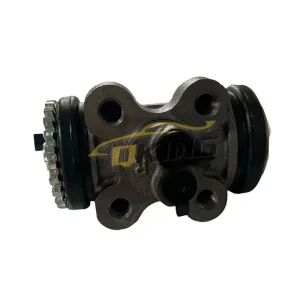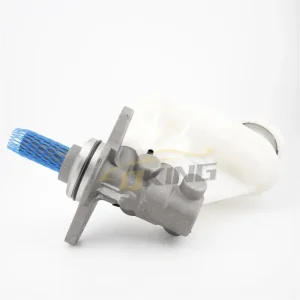
Explore our high-precision brake master cylinders, wheel cylinders, and clutch slave controls engineered to surpass rigorous OEM tolerances and international safety benchmarks.
In heavy-duty logistics and commercial road transport, safety and braking efficiency are non-negotiable parameters. The Radbremszylinder Lkw (truck brake wheel cylinder) is a vital hydraulic actuator within drum braking systems. Its performance dictates the safety profile of a truck, transferring hydraulic pressure initiated from the master cylinder directly to the brake shoes. Under extreme operations—such as alpine descents, stop-and-go heavy transport, or prolonged highway hauling—a brake wheel cylinder is subjected to extreme thermal loads and cyclic pressure fluctuations.
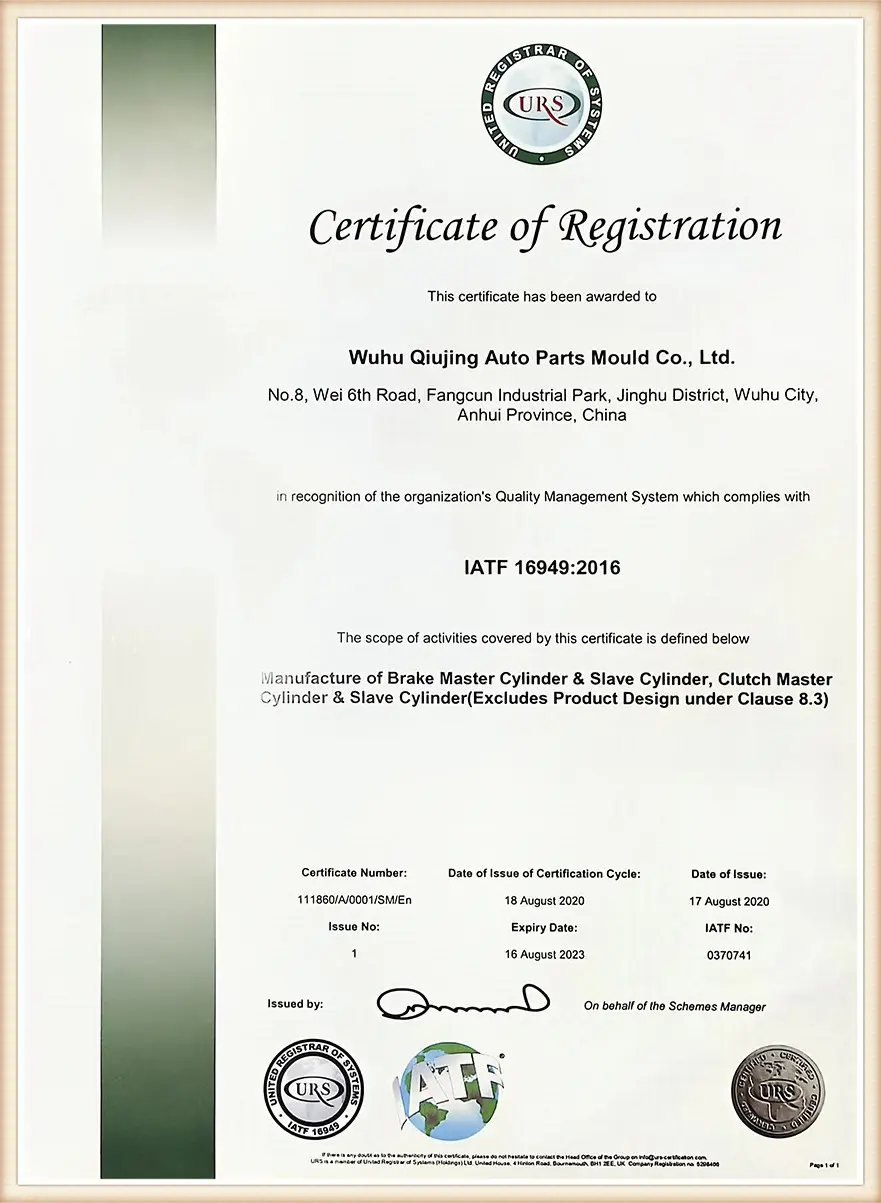
Modern commercial trucking logistics demand components that minimize downtime. If a brake cylinder exhibits micro-leakage or piston seizure, the immediate consequence is uneven brake force distribution, culminating in directional instability or brake fade. Therefore, sourcing from accredited OEM factories that operate under strict automotive frameworks, such as IATF 16949:2016, is a fundamental risk-mitigation strategy for international distributors and fleet managers.
We supply a comprehensive suite of hydraulic actuation components, manufactured inside high-precision Chinese facilities to cover global medium-to-heavy commercial vehicle needs.
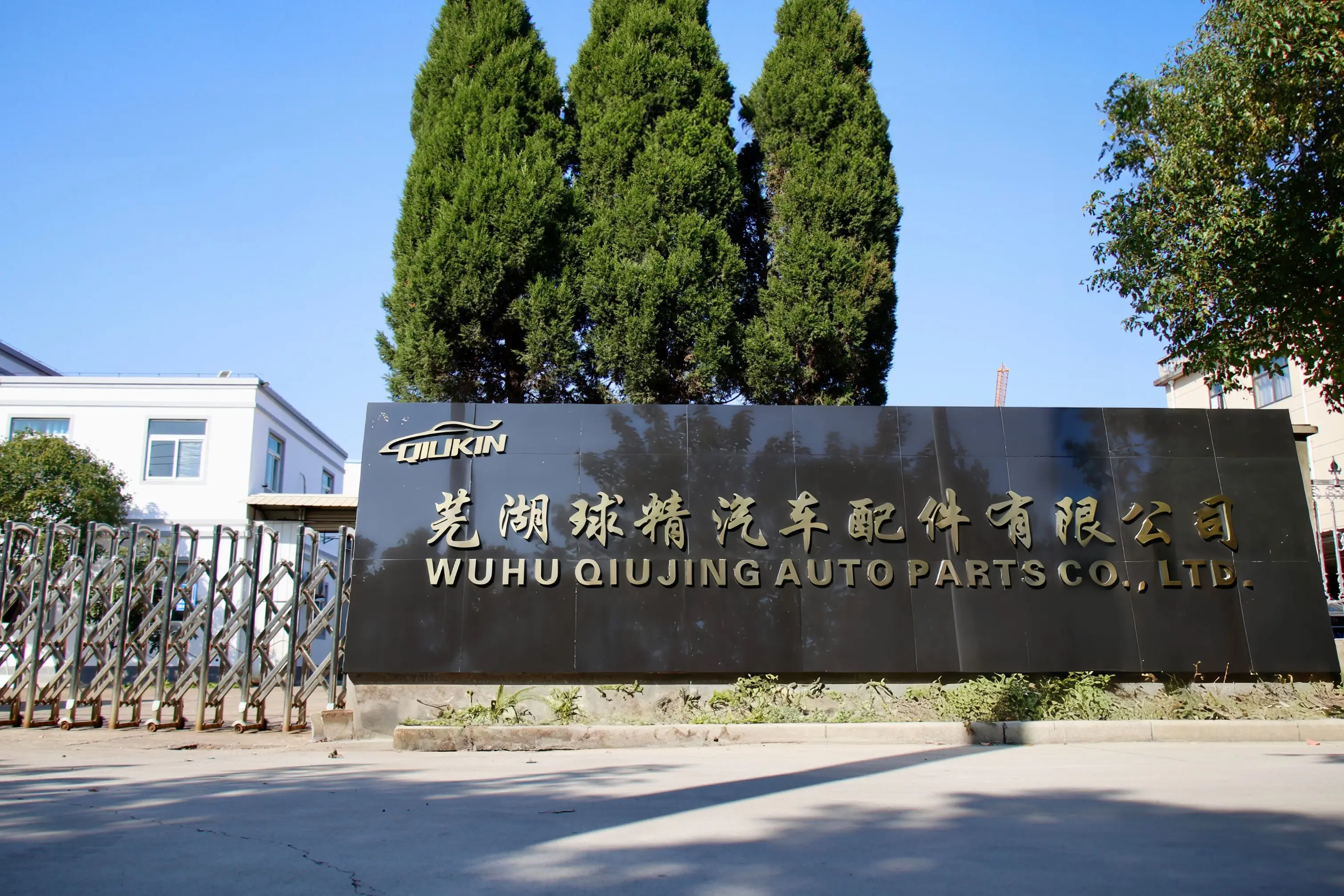
As an industry-leading manufacturer, Wuhu Qiujing Auto Parts Co., Ltd. has established a robust reputation as a premier Source Factory for safety-critical automotive braking components. Initiated by founders deeply immersed in braking component metallurgy and fluid engineering since 1996, the formal corporate entity was established in 2007. Over the decades, we have continuously scaled our technical expertise, structural testing labs, and automatic production lines.
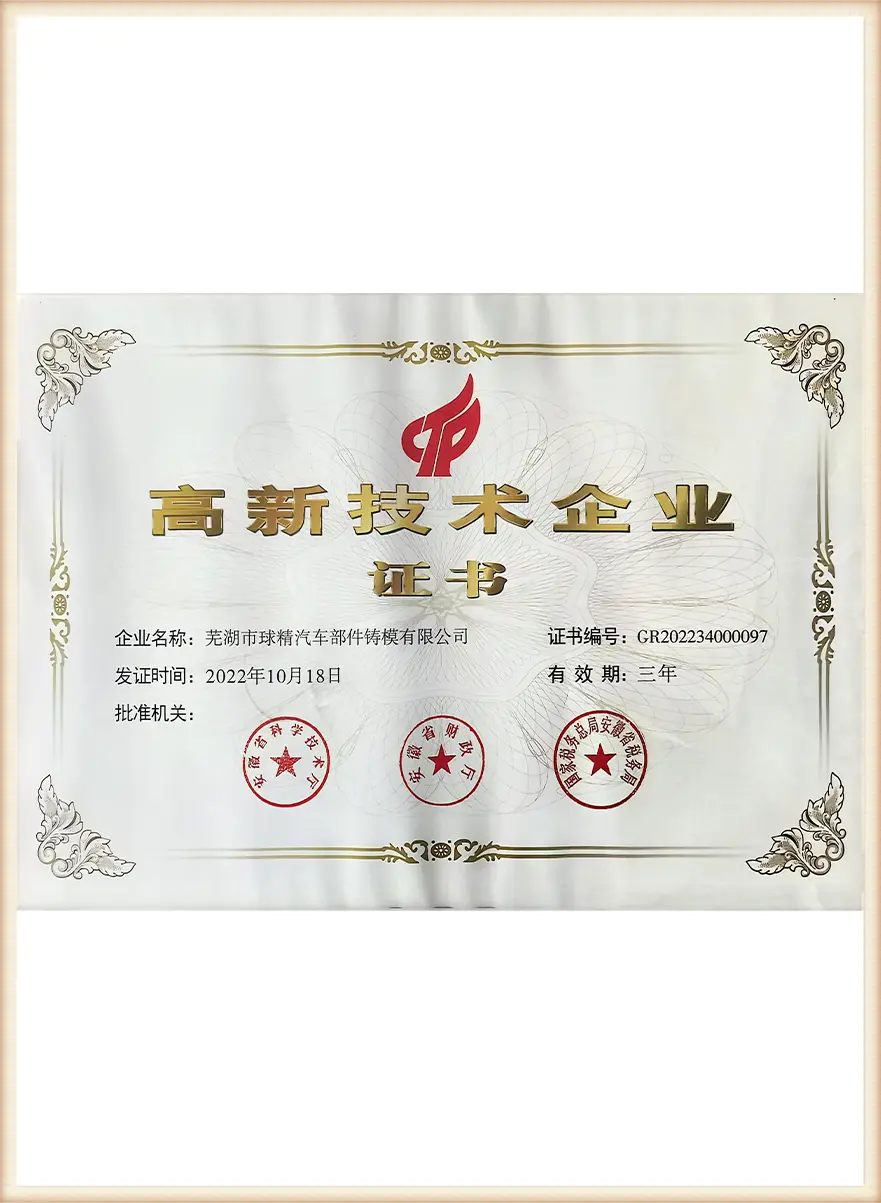
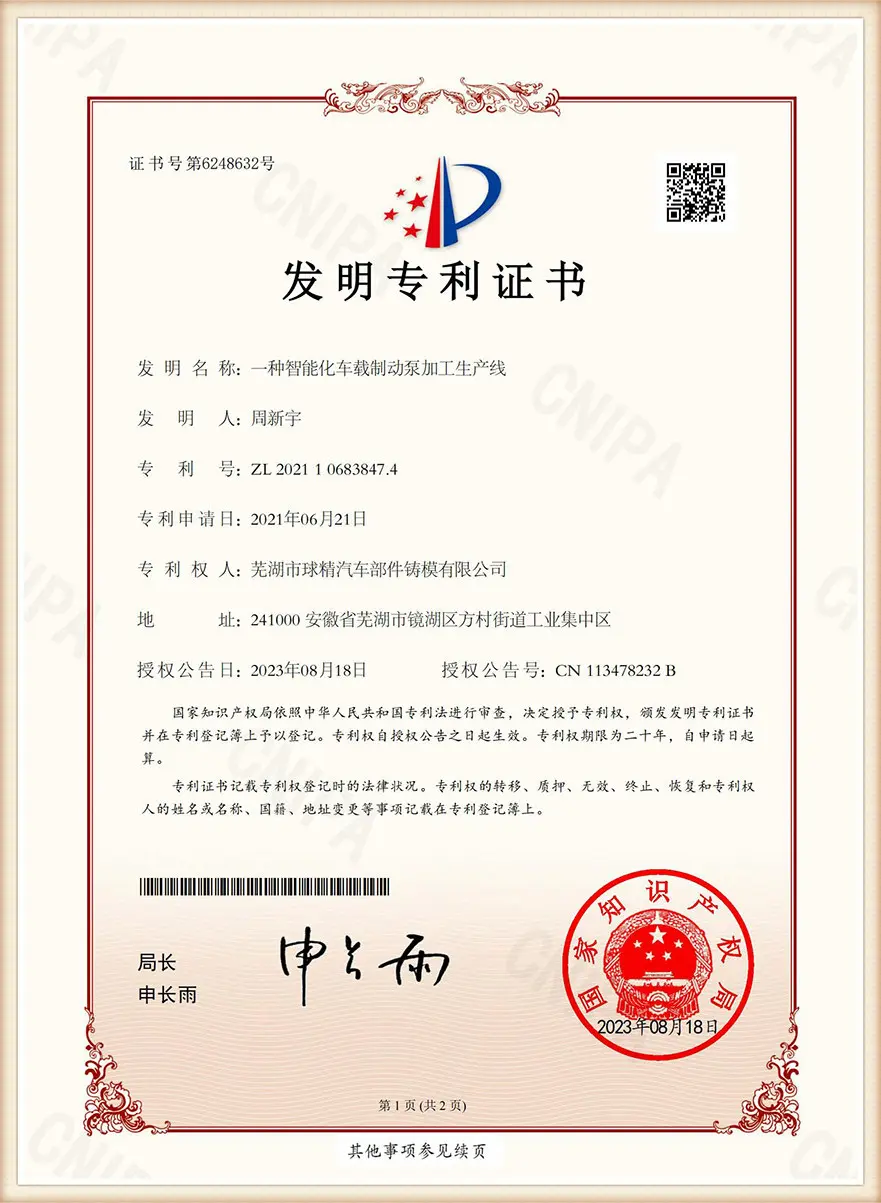
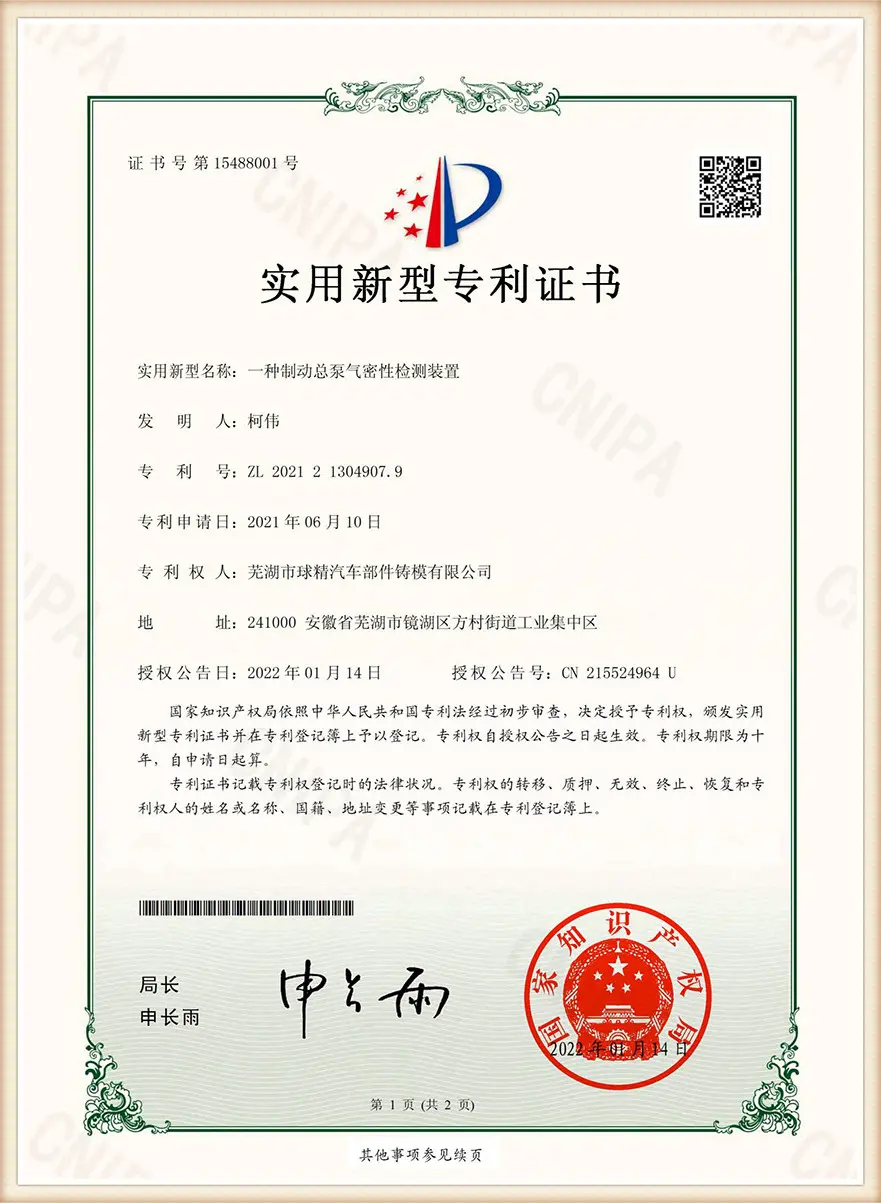
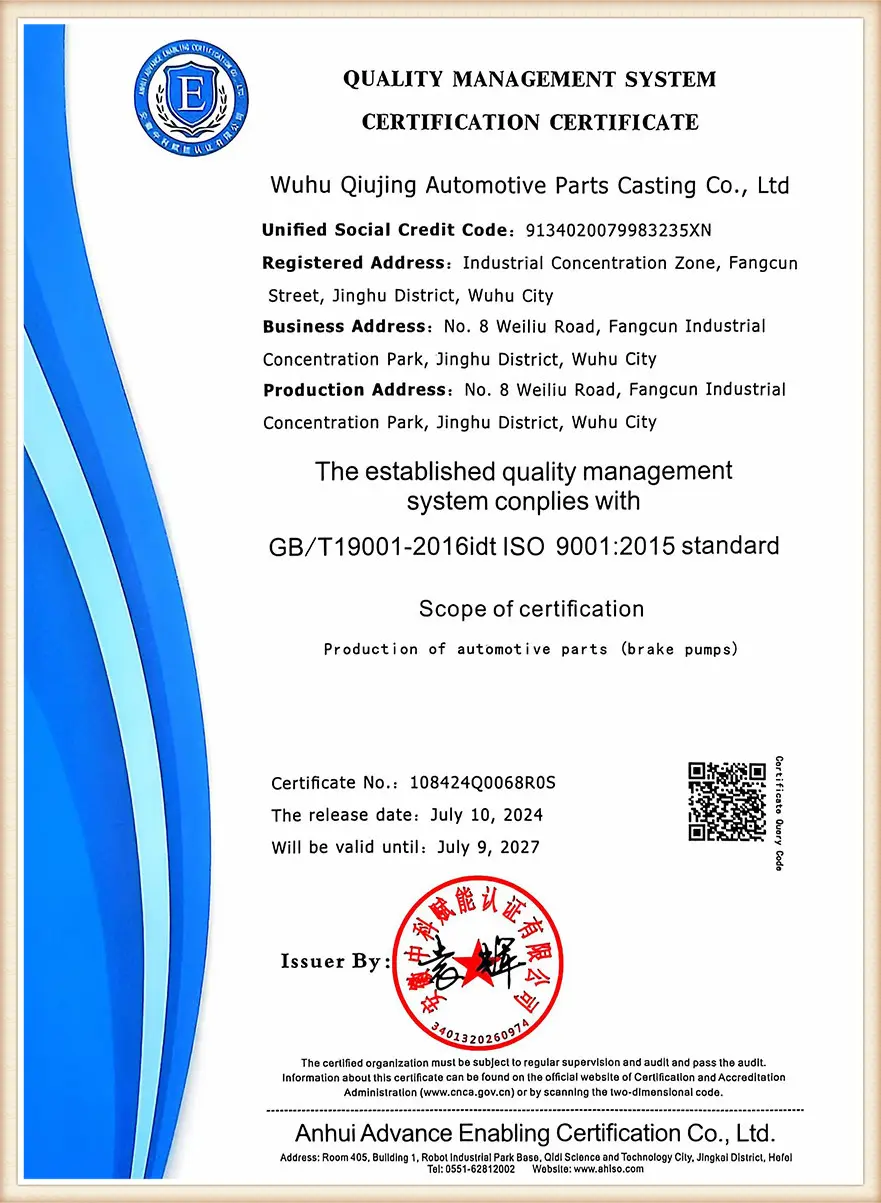
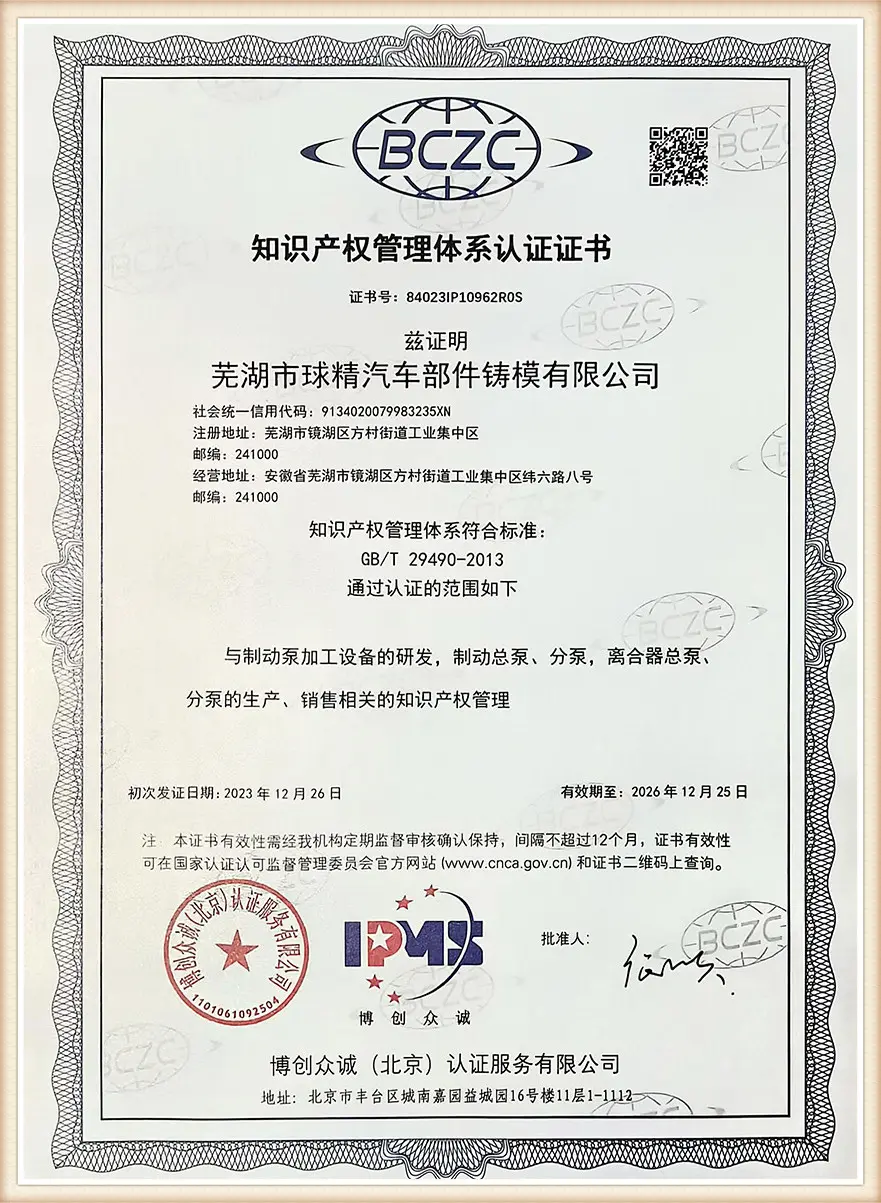
 Strict Compliance: Certifications include GB/T19001-2016/ISO 9001:2015, IATF16949:2016, and GB/T29490-2013 intellectual property standards.
Engineering First: Every design undergoes pressure, stroke-rate, thermal aging, and burst-pressure testing before dispatch.
Strict Compliance: Certifications include GB/T19001-2016/ISO 9001:2015, IATF16949:2016, and GB/T29490-2013 intellectual property standards.
Engineering First: Every design undergoes pressure, stroke-rate, thermal aging, and burst-pressure testing before dispatch.
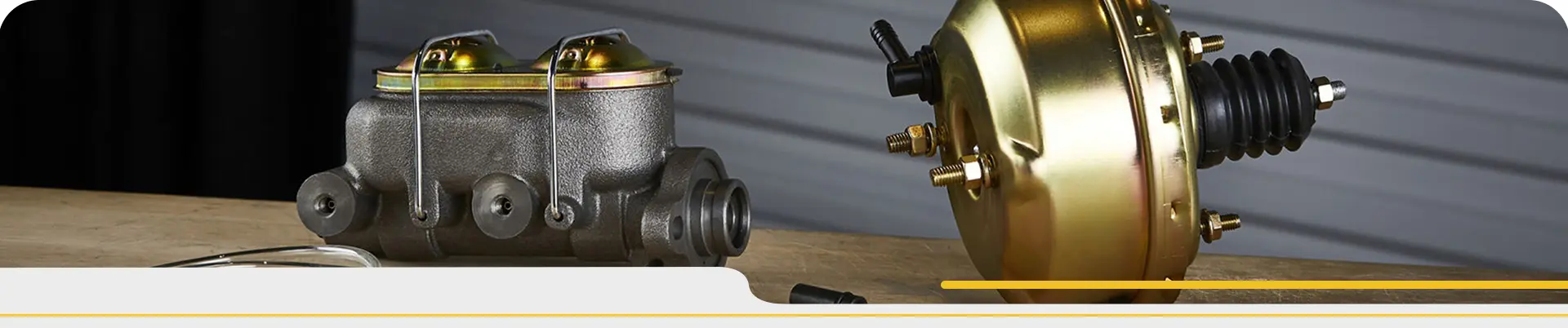
We leverage advanced machinery, in-house metallurgical testing, and agile manufacturing cells to provide a robust supply solution.
6,000+ m² facility, modern CNC machining, and automated boring machines ensure cylindrical tolerance controls down to the micron level (Ra 0.4 finish).
100% pneumatic low-pressure leak test and high-pressure hydraulic tests performed on our entire output. Enjoy two years of warranty security.
Integrated manufacturing workflows allow us to configure wall thickness and seal chemistry for specialized trucks or extreme operating conditions.
Our engineering leads bring 28+ years of technical experience in brake fluid dynamics, ensuring rapid prototyping of new OEM references.
The global automotive supply chain relies heavily on Chinese manufacturing clusters, particularly in Anhui and Zhejiang provinces. The competitive advantage of sourcing a Radbremszylinder Lkw from a specialized factory like Wuhu Qiujing is grounded in deep industrial integration. From raw iron casting foundries to high-precision machining, raw-material availability and automated manufacturing systems work in synergy.
Our machining floor utilizes precision horizontal honing centers. Why is this critical? The inner bore of a brake cylinder dictates the operational lifetime of its internal rubber cups. Any surface deviation or micro-roughness accelerates seal abrasion, causing premature pressure bypass. By using diamond honing tools, we achieve a bore cylindricity within 0.005mm and a surface finish of Ra 0.2 to 0.4 microns. These processes are further backed by automated assembly lines that prevent the contamination of critical internal components.
Heavy duty trucks run on diverse terrains. Whether a distribution network spans freezing highway corridors in Northern Europe or works inside highly dusty mines in Australia, localized vehicle usage scenarios govern brake cylinder wear profiles. A generic aftermarket part often fails because it cannot withstand local environmental challenges.
For instance, municipal transit fleets in urban environments experience endless stop-and-go duty cycles, causing rapid heat build-up inside the drum brake assembly. Under high heat, conventional rubber seals lose elasticity and crystallize. For these specific environments, our factory configures custom EPDM compounds with superior thermal stability, ensuring continuous elasticity even at 150°C. Conversely, for trucks working in salt-treated winter roads, our outer castings feature thick, electro-galvanized or black oxide anti-corrosion barriers to prevent external rust and pitting around the bleeder valve.
Our production protocols align with standard global quality systems, including IATF 16949:2016 and ISO 9001:2015, guaranteeing batch-to-batch consistency.
For international buyers—including automotive spare parts importers, OEM service networks, and industrial fleet managers—understanding the composition of a quotation is paramount. The cost structure of a Radbremszylinder Lkw is determined by mechanical complexity, alloy composition, batch sizing, and compliance protocols. While generic factories compete solely on lowest unit costs, they often achieve this by cutting corners on seal quality or body metal density.
A comprehensive technical quote from Wuhu Qiujing covers raw material indexing, surface treatment coatings, and precision seal validation. We suggest commercial clients establish long-term framework agreements rather than transactional spot purchases. Long-term agreements protect buyers against steel alloy market fluctuations, optimize shipping schedules, and guarantee dedicated manufacturing queues inside the factory. Furthermore, a transparent supply chain model prevents unexpected operational downtime.
The heavy vehicle landscape is rapidly transitioning. Although pneumatic and electro-pneumatic systems are standard on class-8 trucks, hydraulic actuation remains crucial for medium-duty trucks, light commercial vehicles (LCVs), and industrial utility vehicles. Additionally, with the rise of hybrid and pure electric logistics fleets, braking units must support regenerative braking systems.
Regenerative integration shifts typical duty profiles. Since the electric motor manages a substantial part of low-deceleration braking, hydraulic wheel cylinders experience extended periods of inactivity. This increases the risk of corrosion due to moisture accumulation in the brake fluid. To address this risk, modern OEM factories utilize advanced corrosion-resistant bore platings, preserving piston movement even during long periods of brake fluid stagnation.
Find authoritative answers to critical engineering, manufacturing, and procurement inquiries regarding heavy vehicle hydraulic cylinders.
Our OEM castings are made of high-density G3000 grey cast iron or GGG40 ductile cast iron. These materials offer exceptional structural integrity, tensile strength, and heat dissipation properties. This prevents bore distortion and structural fatigue when subjected to internal pressures exceeding 15 MPa.
We source our internal piston seals and cups from top-tier polymer manufacturers utilizing high-grade EPDM formulations. These cups are manufactured to conform to SAE J1601 standards, offering high resistance to glycol ether brake fluids (DOT 3, DOT 4, and DOT 5.1) and maintaining flexibility from -40°C to +150°C.
Yes, Wuhu Qiujing processes are fully certified under the global automotive standard IATF 16949:2016, alongside GB/T19001-2016/ISO 9001:2015. Every step, from casting preparation to final testing, follows a strict quality control protocol.
We implement a 100% testing protocol for every unit. Each cylinder undergoes a low-pressure pneumatic leak test followed by a high-pressure hydraulic structural integrity test. This ensures no micro-fissures or seal failures bypass our shipping warehouse.
Absolutely. Our in-house R&D engineering team can reverse-engineer or customize brake wheel cylinders from physical samples, CAD files, or technical drawing specifications. We control the complete process from mold design to casting, machining, and final validation.
For standard catalog items, orders are processed and shipped within 30-45 days, depending on batch sizes. For custom OEM developments requiring new mold configurations, the timeline ranges from 60 to 90 days, which includes sample prototyping and pilot testing.
All cast iron bodies receive a protective coating, such as black electrophoretic paint or zinc plating. For export, cylinders are packed in moisture-resistant vapor corrosion inhibitor (VCI) bags and heavy-duty wooden crates to prevent oxidation during sea transit.
Quotes are structured based on annual volume commitments, seal compound requirements (standard vs. extreme thermal EPDM), packaging specifications (bulk vs. branded retail boxes), and shipping incoterms (FOB, CIF, or DDP).
Stay informed on our manufacturing schedules, seasonal shipping updates, and technical developments.
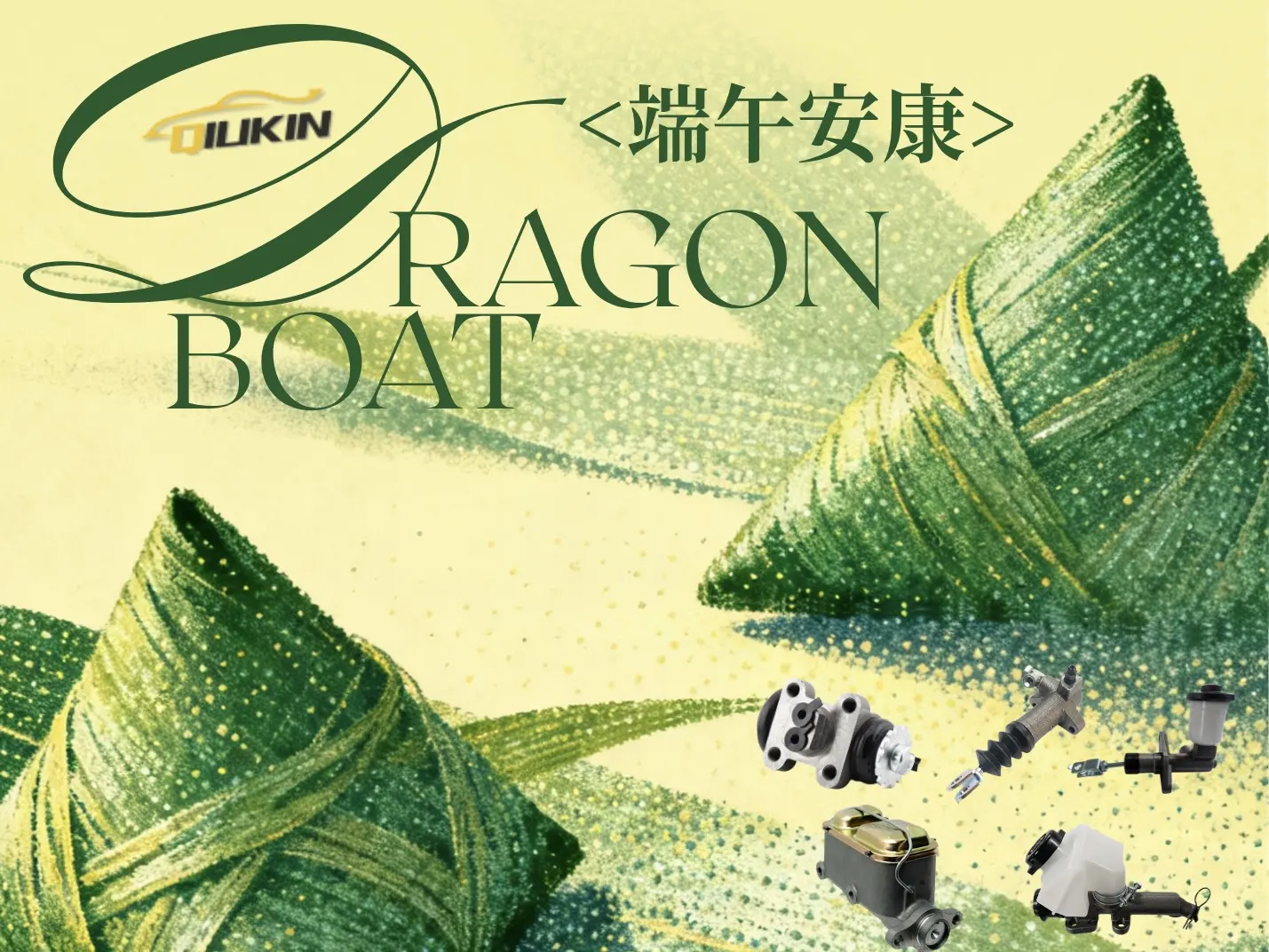
Read about our scheduled operational adjustments, customer service availability, and emergency logistics planning during the upcoming traditional festival.
View More
Wuhu Qiujing Auto Parts Co., Ltd. is pleased to announce the official resumption of production today, following the scheduled maintenance break. Our assembly lines are running at full capacity to fulfill pending orders.
View More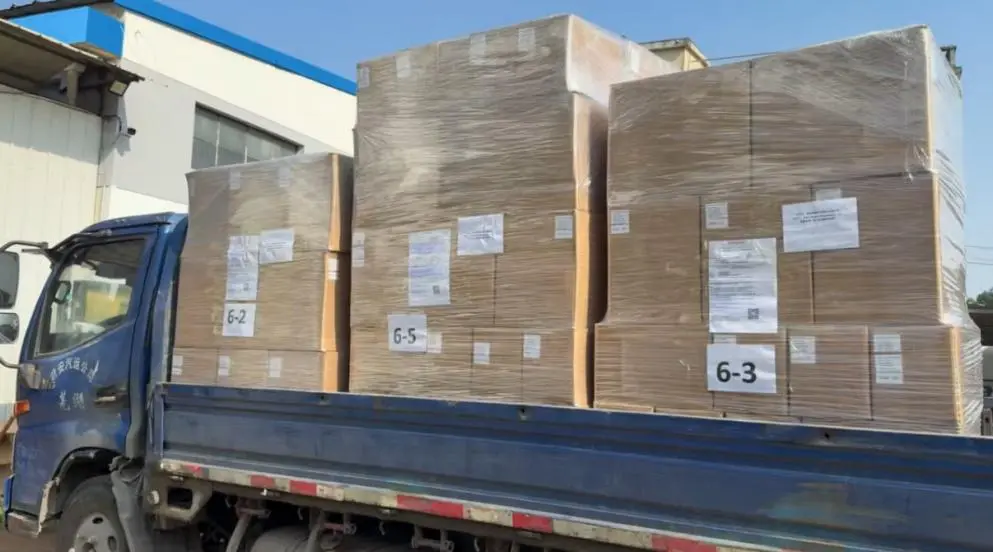
[Wuhu, January 2025] As the Lunar New Year approaches, Wuhu Qiujing Auto Parts Co., Ltd. has successfully completed major shipments for international distributors, ensuring supply chain continuity during the winter season.
View MoreRequest quotes, customized product drawings, material composition sheets, and wholesale pricing. Our sales and engineering teams will reply within 24 business hours.
Explore our second selection of high-precision components, including clutch actuators and specialized truck wheel cylinders.