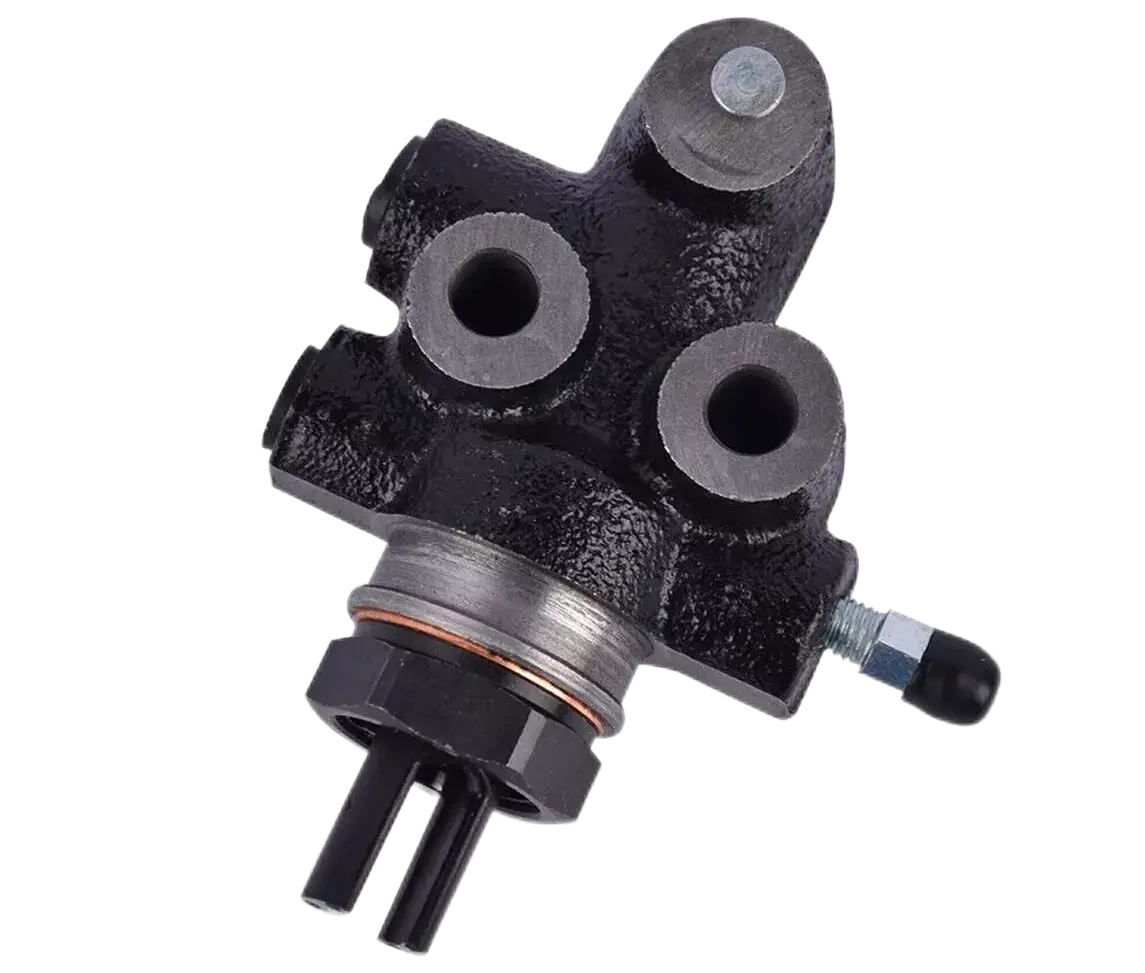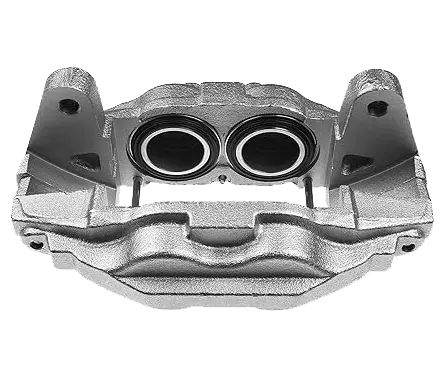
Explore our top-tier catalog of precision-engineered brake master cylinders, wheel cylinders, and clutch units designed to meet strict international standards.
An analytical review of engineering standards, manufacturing hubs, and procurement mechanics within the international automotive industry.
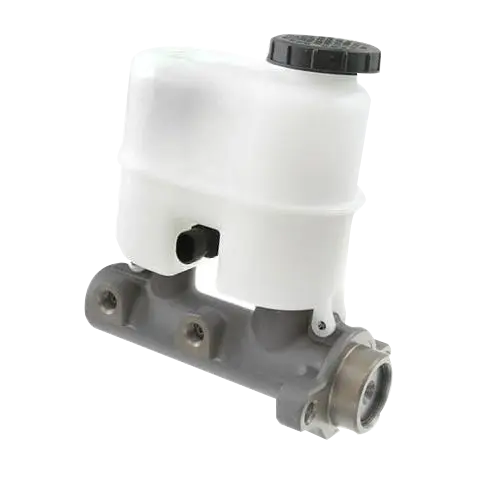
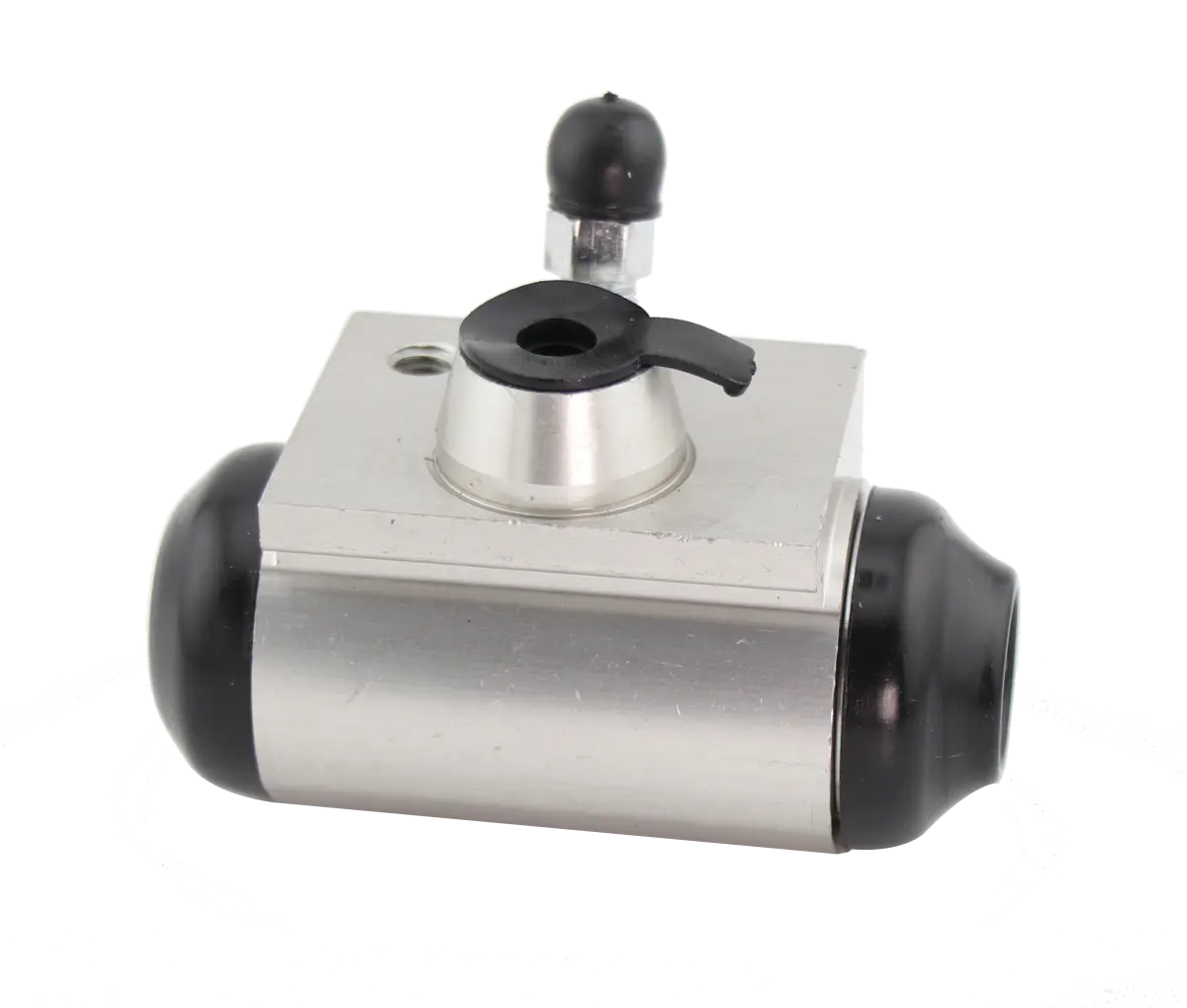
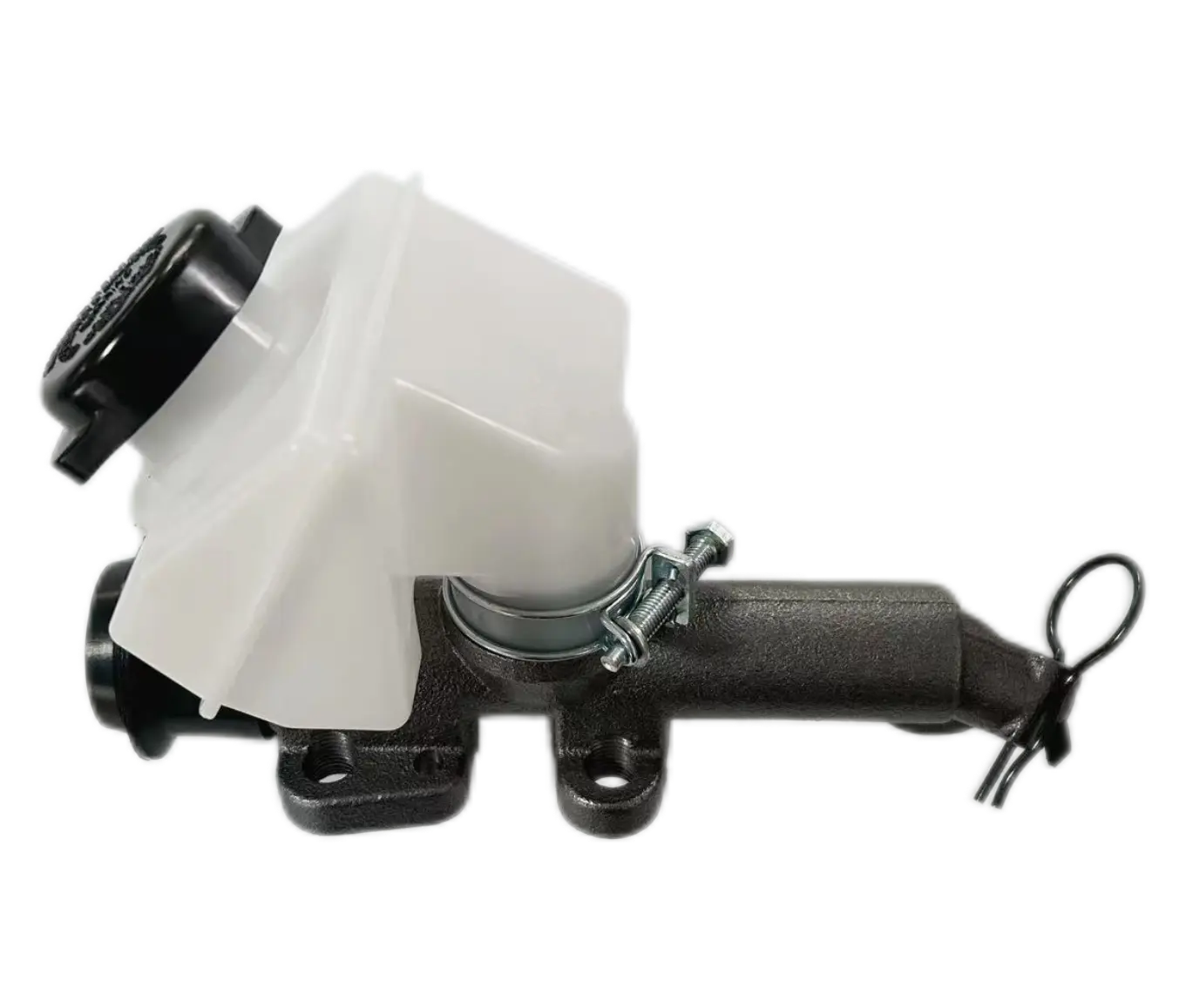
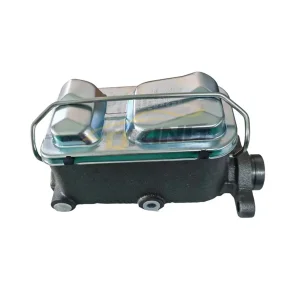
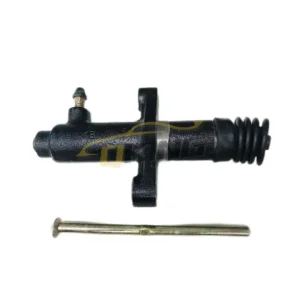
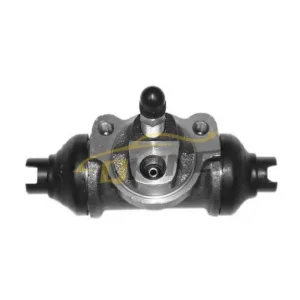
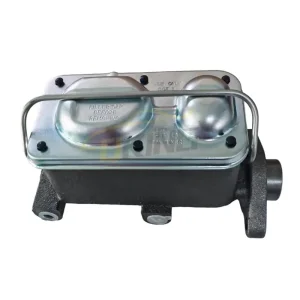
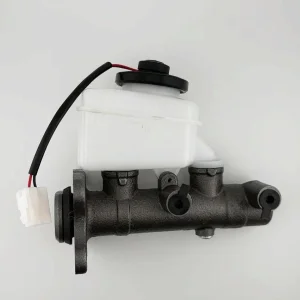
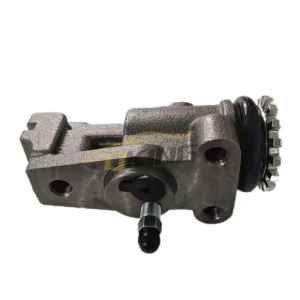
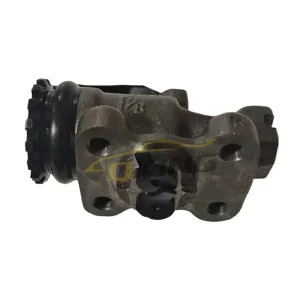
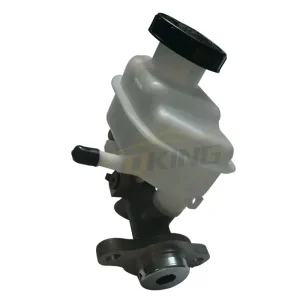
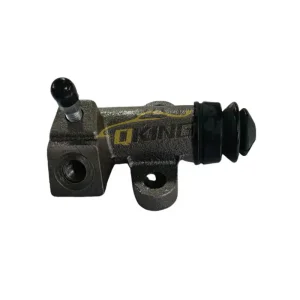
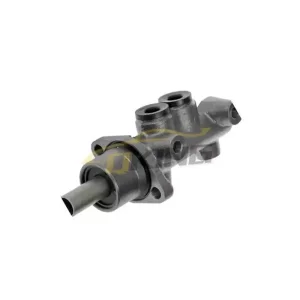
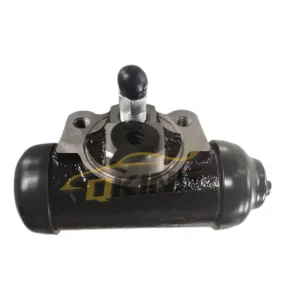
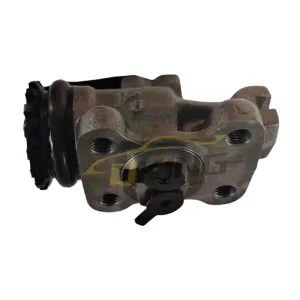
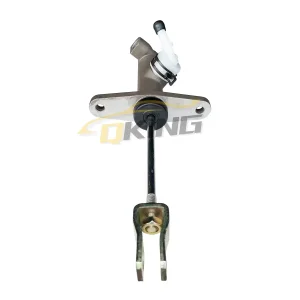
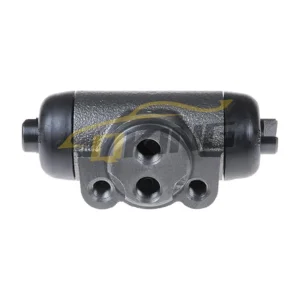
Hydraulic brake systems are the cornerstone of vehicle safety dynamics. Among global manufacturers, Mitsubishi Motors and its commercial affiliate Mitsubishi Fuso represent some of the most rigorous operational demands in both passenger transportation and heavy-duty logistics. The Brake Master Cylinder operates as the heart of this system, translating pedal force into hydraulic pressure, while the Brake Wheel Cylinder directly actuates the drum brake linings against the moving drums.
In the global arena, heavy wear-and-tear profiles, extreme temperature swings, and chemical exposure from road treatment compounds dictate that brake components must be manufactured with robust metallurgical and chemical properties. A failure in seal integrity or bore tolerances can result in pressure loss, causing catastrophic braking degradation.
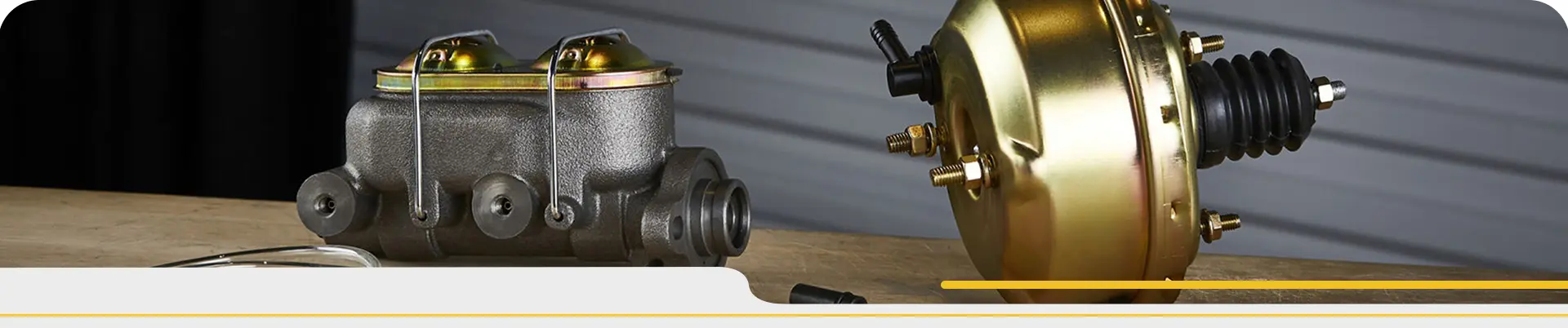
China has evolved beyond a pure volume manufacturer into a hub of high-technology precision engineering. In regions like Anhui province, clusters of specialized automotive suppliers benefit from massive industrial integration. The efficiency advantages of a domestic OEM Mitsubishi Brake Cylinder Factory in China, such as Wuhu Qiujing Auto Parts Co., Ltd., are built upon three core pillars:
Brake master and wheel cylinders are subjected to rigorous cyclical hydraulic pressures ranging from 5 to over 15 MPa depending on the braking event. The design utilizes premium cast-iron (such as HT250 grade) or lightweight high-durability aluminum alloys. To prevent internal corrosion caused by the hygroscopic nature of standard polyglycol-based brake fluids (DOT 3, DOT 4, and DOT 5.1), internal bores undergo chemical passivation or hard-anodizing treatments.
Piston seal components represent the primary vector of wear. The use of premium ethylene-propylene-diene monomer (EPDM) rubber cups is mandatory to resist chemical degradation, swelling, and cracking at extreme temperatures (-40°C to 120°C). Our manufacturing processes ensure strict adherence to these metallurgical and polymer specifications to guarantee standard-setting system longevity.
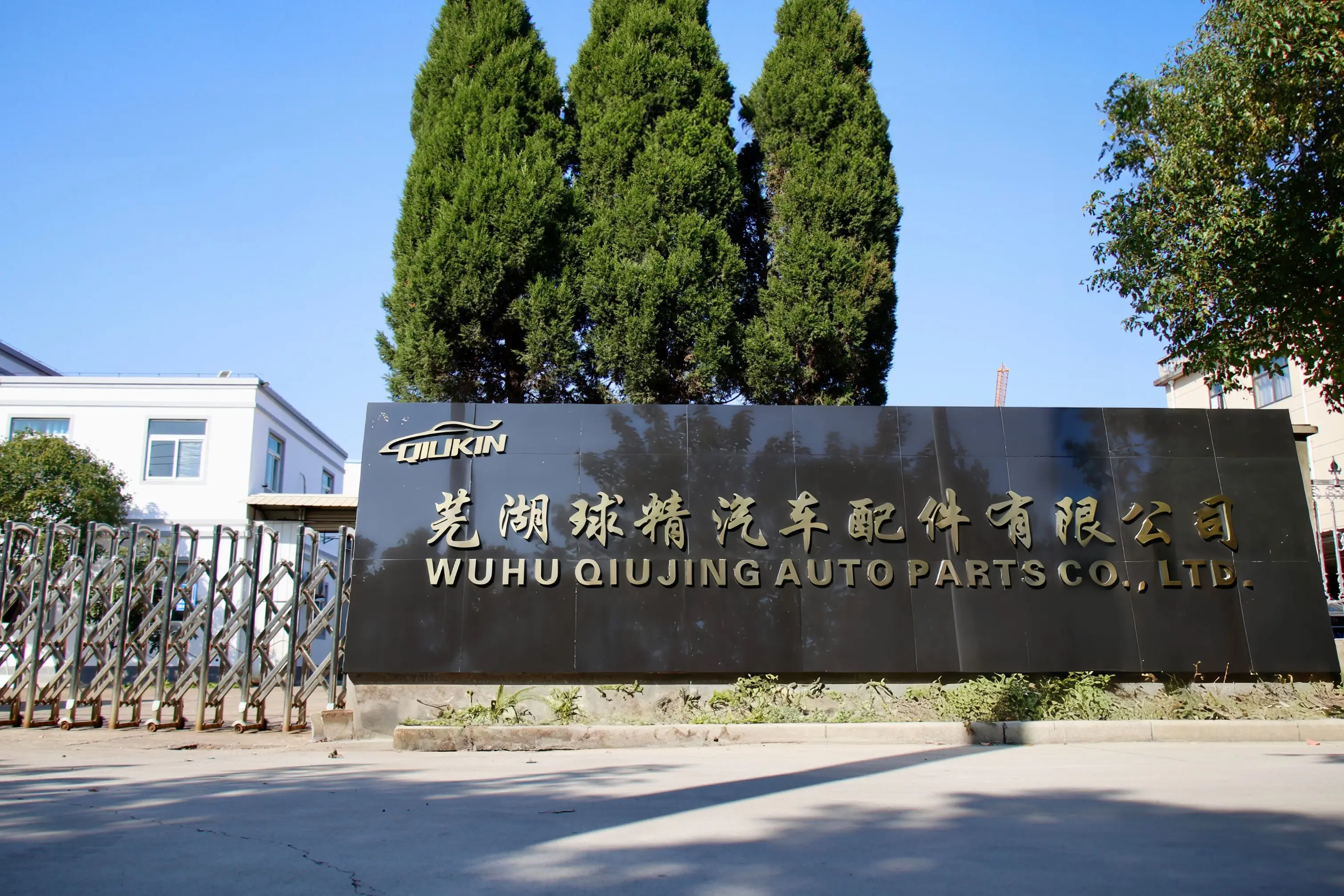
Braking components must be calibrated to specific vehicle profiles. For example, a heavy-duty commercial vehicle like the Mitsubishi Fuso Canter running urban logistics requires high thermal dissipation to handle frequent stop-and-go load cycles. In contrast, passenger cars like the Mitsubishi Lancer require precise volumetric cylinder displacement to achieve comfortable pedal feedback and linear modulation.
For vehicles operating in coastal regions or areas using chemical road de-icing salts, our premium external plating processes protect outer metal surfaces from oxidation and pitting, ensuring consistent long-term piston travel.
For enterprise purchasing managers, logistics agencies, and wholesale distributors, securing a reliable supply chain requires balancing high production rates with stable, predictable pricing. The cost structures of brake cylinders are influenced by raw materials indexation (specifically iron ore, aluminum ingot, and petrochemical rubbers), manufacturing cycle efficiency, and shipping logistics.
Sourcing directly from a Source Factory bypasses intermediate markups. By establishing bulk purchasing agreements (MOQs optimized to container levels), global enterprises can obtain optimal factory pricing while securing multi-year product warranties and customization options (e.g., custom branding, laser etching of part numbers, and custom packaging).
Direct from Wuhu Qiujing Auto Parts: Certified hydraulic and mechanical brake components for global commercial applications.
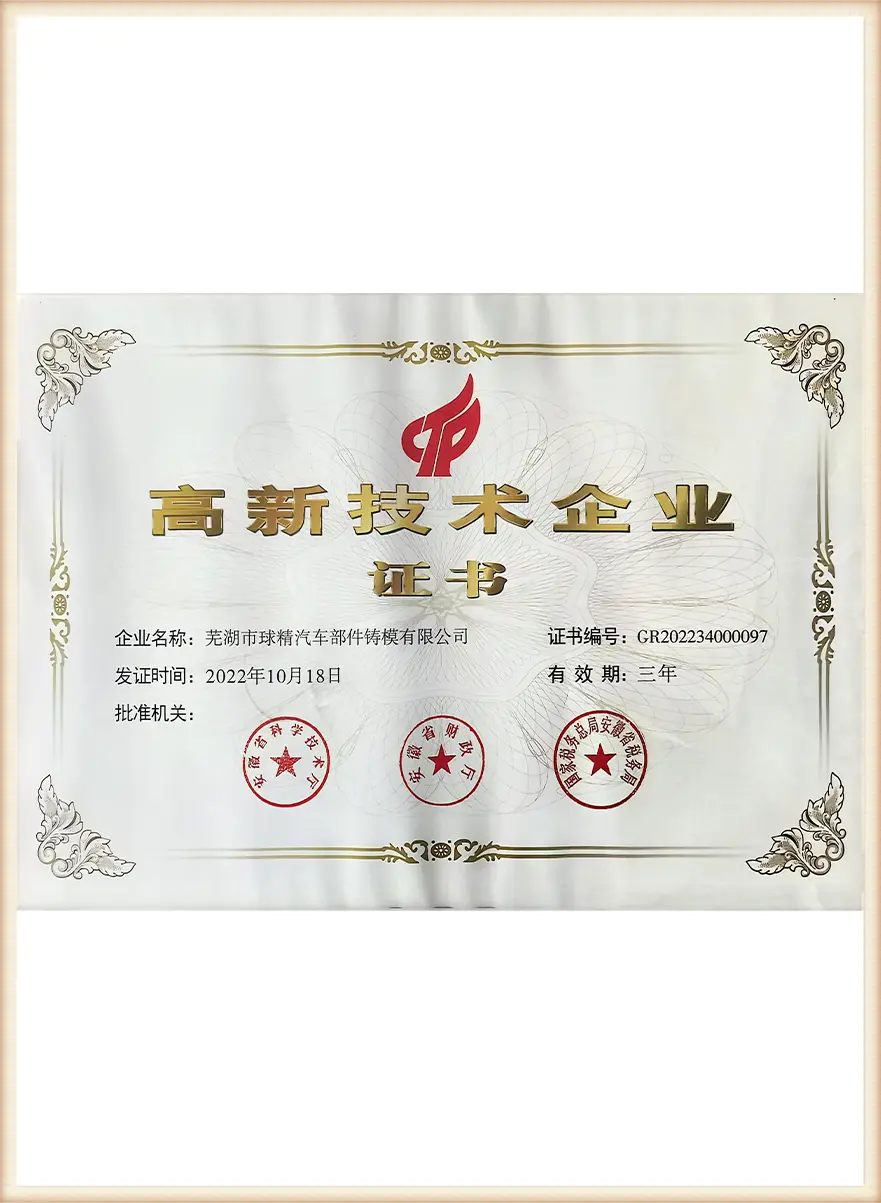
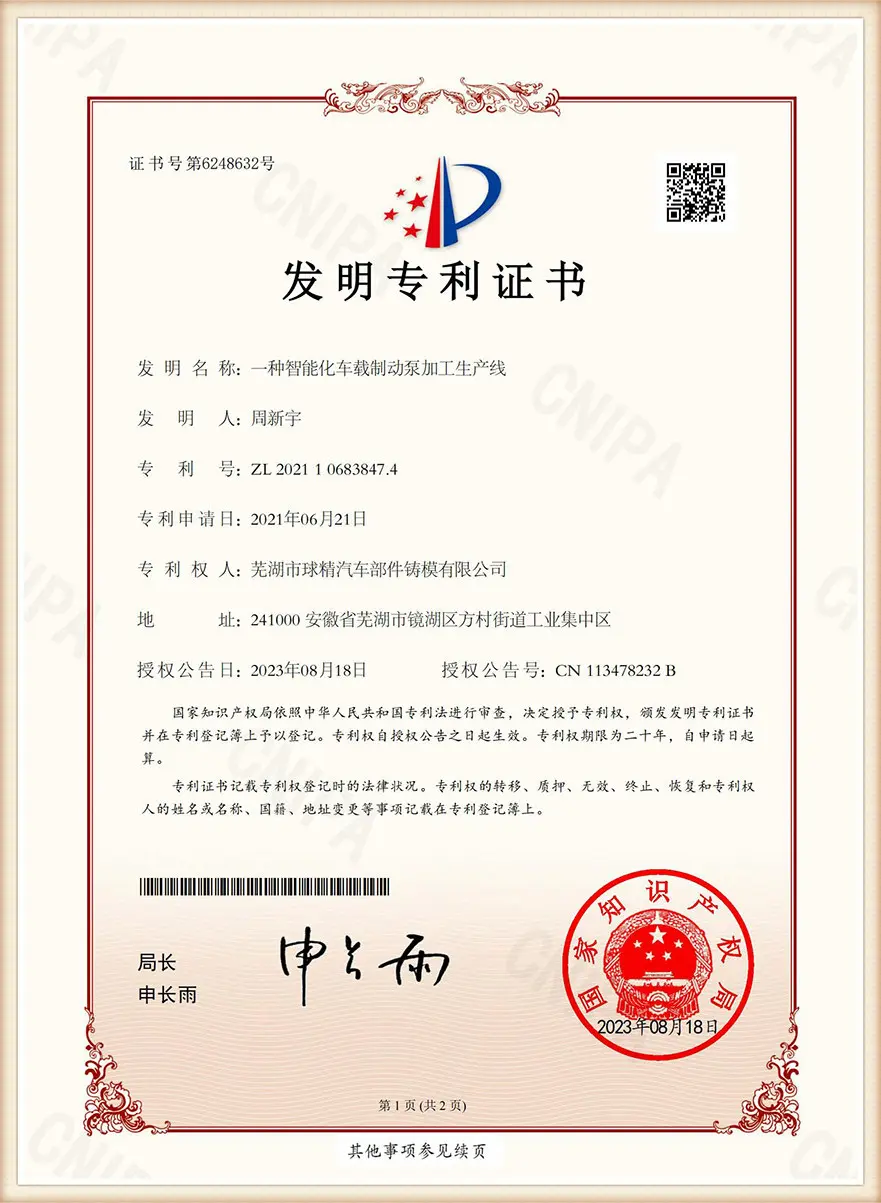
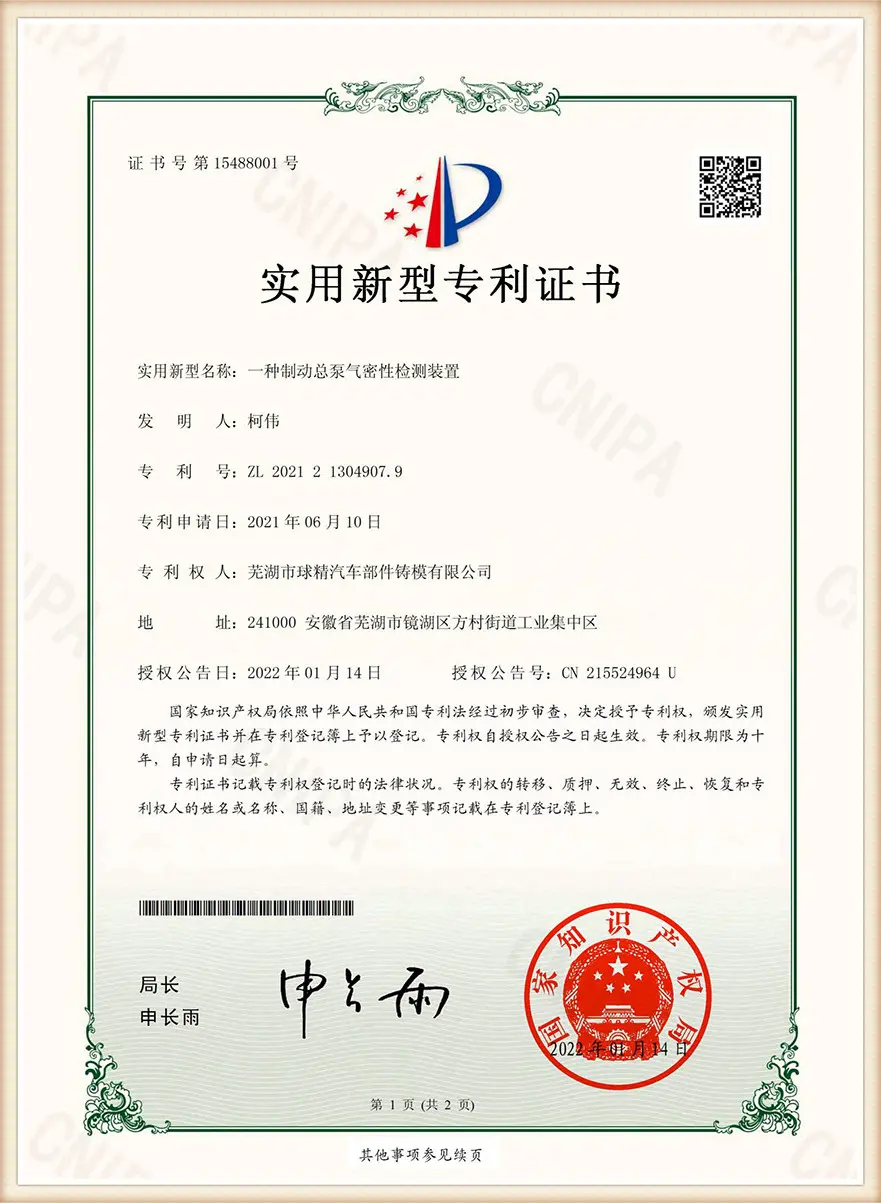
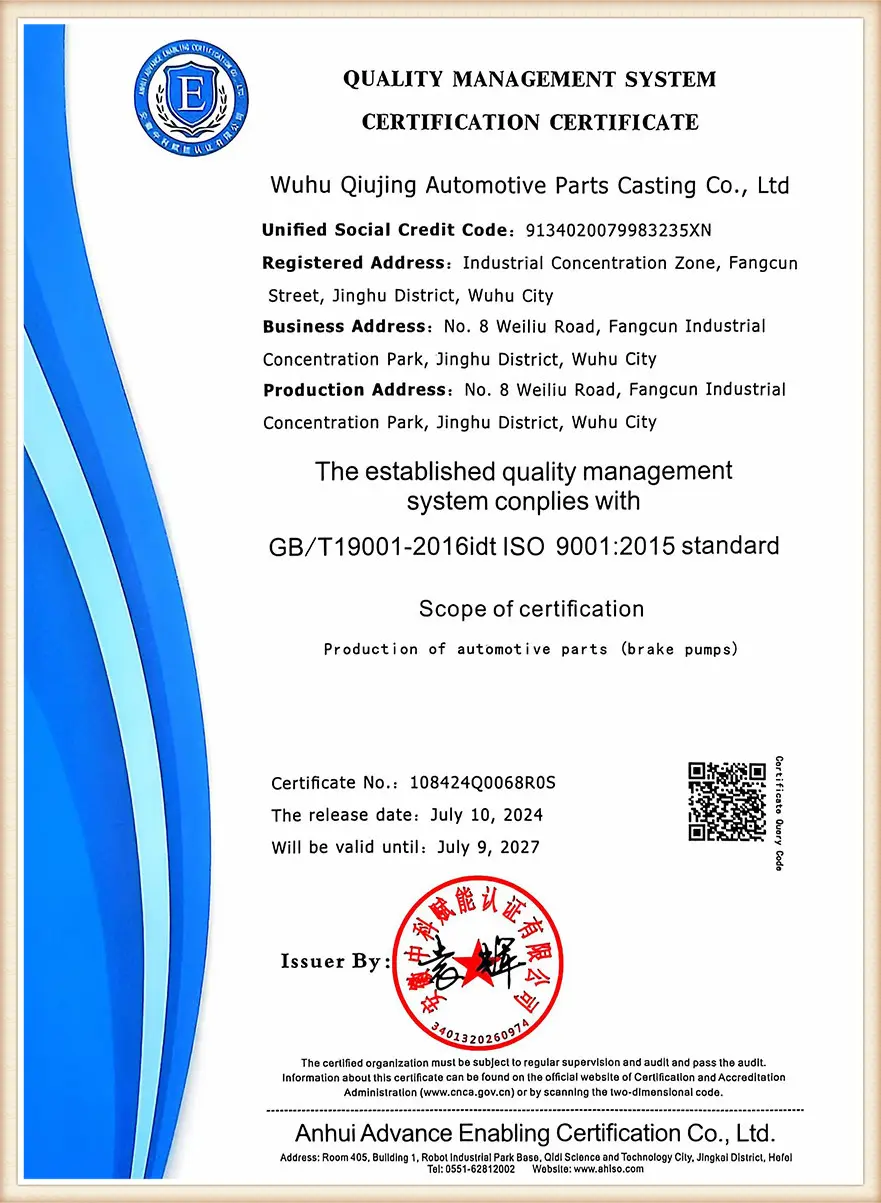
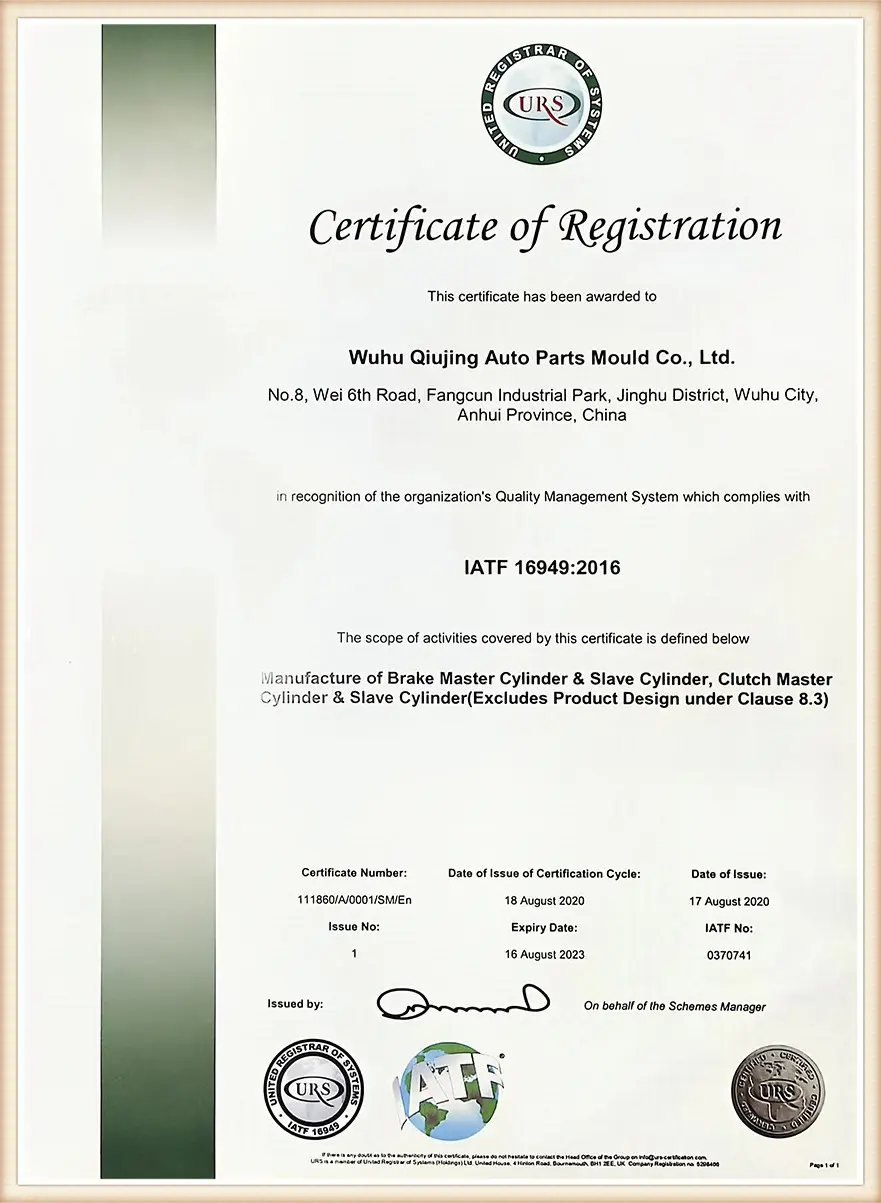
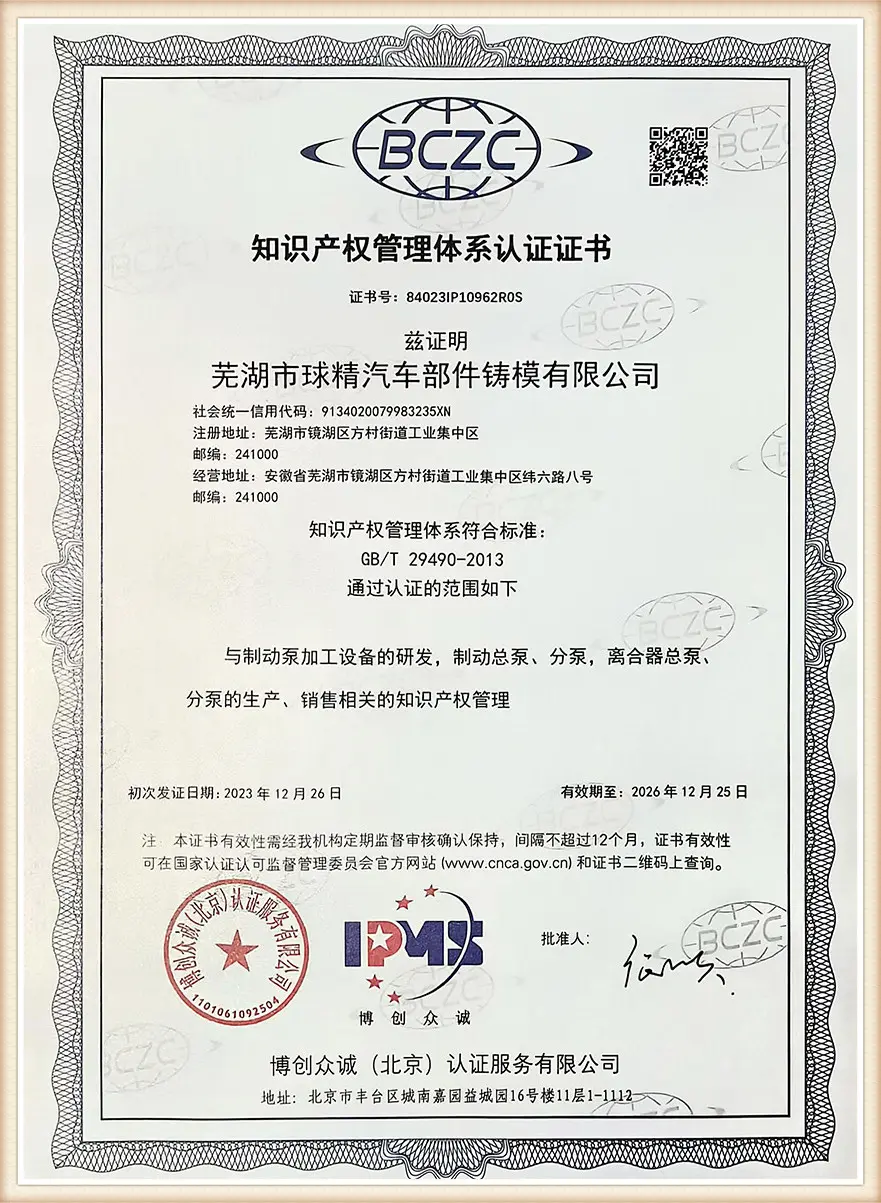
Our engineering facility adheres to rigorous quality control guidelines under international certifications including ISO 9001:2015, IATF 16949:2016, and GB/T 29490-2013.
How modernization, electrification, and chemical regulations shape the future of OEM component design.
As the automotive industry transitions towards vehicle electrification and hybrid layouts, the functional environment of the hydraulic brake cylinder is adapting. Electric vehicles (EVs) utilize regenerative braking as their primary deceleration force. This shifts the mechanical brakes to secondary/backup systems or high-torque binders during emergency stops.
Consequently, brake master cylinders must adapt to sudden pressure demands and longer periods of inactivity. This raises the standard for corrosion resistance and seal stability. Furthermore, environmental directives (such as EU REACH regulations and similar global guidelines) push manufacturers to transition away from hexavalent chromium surface coatings toward eco-safe zinc-nickel electroplating treatments.
Wuhu Qiujing Auto Parts tracks these shifts by integrating advanced polymer seals and chemical treatments into our manufacturing lines. This helps ensure that replacement components for older Mitsubishi models and modern platforms remain compliant and high-performing.
Expert technical responses to help procurement officers and distribution partners manage bulk orders.
Maintain fleet safety with our verified aftermarket and OEM-spec hydraulic assemblies.
Stay informed with the latest updates on production schedules, holiday notifications, and shipping dispatches from the Wuhu Qiujing team.
Read about our holiday schedule, administrative updates, and support availability during the Dragon Boat Festival.
View Details →
Wuhu Qiujing Auto Parts Co., Ltd. is pleased to announce the official resumption of full-scale production today, following the Spring Festival break.
View Details →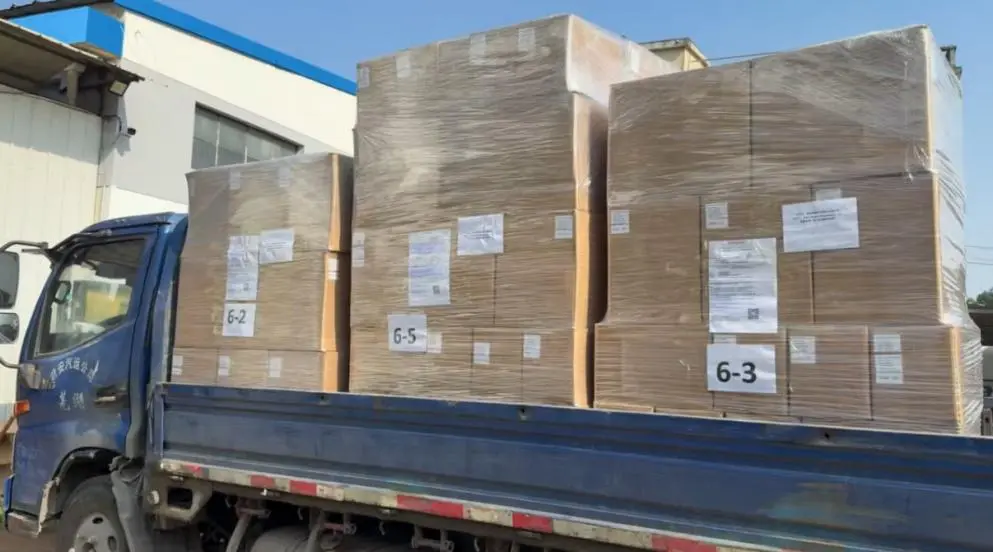
[Wuhu, January 2025] As the Lunar New Year approaches, Wuhu Qiujing Auto Parts Co., Ltd. has successfully completed critical logistics shipments.
View Details →