
Engineered to precise factory tolerances, ensuring peak vehicle deceleration safety and clutch modulation reliability.
Within modern automotive engineering, the dependency on digitized database platforms has evolved from standard inventory keeping into a baseline operation for just-in-time (JIT) manufacturing and aftermarket replenishment. The global trade for automotive components now demands absolute cross-platform interoperability, connecting complex product taxonomies directly to supplier systems. As dynamic e-commerce pipelines push regional distributors to source components directly from primary manufacturing facilities, catalog cross-referencing capabilities define the margin between operational agility and logistics failures.
Critical hydraulic units, specifically brake master cylinders, clutch cylinders, and proportioning valves, form the backbone of vehicle active safety. In these structural assemblies, a variance of micrometers in bore finish or a sub-standard compound within an internal cup seal can trigger catastrophic pressure drops under hard braking conditions. To mitigate these risks, Tier-1 automotive procurement agents rely on standardized cross-referencing networks (such as TecDoc and OEM catalog numbers) to secure parts from verified manufacturers who operate within global quality framework standards.
A typical vehicle is constructed with tens of thousands of individual parts, each requiring specific catalog indexing to prevent misidentification. In the hydraulic segment, minor cosmetic differences can obscure critical internal design differences, such as bypass port positions or spring-rate constants. When buying organizations request quotes for OEM components like the 47201-28180 for Toyota Previa or 8-97162-963-0 for Isuzu ELF, they are specifying precise hydraulic fluid displacements and structural mounting parameters. Sourcing directly from certified facilities ensures these parameters match original technical blueprints.
When selecting brake and clutch hydraulic components, engineers balance mechanical strength, weight constraints, and corrosion resistance. Below is a structural analysis comparing common materials used in modern component production:
| Component Material | Tensile Strength | Corrosion Resistance | Primary Application Areas | Weight & Thermal Conductance |
|---|---|---|---|---|
| Ductile Iron (cast) | High (400+ MPa) | Medium (Requires coating) | Heavy-duty master cylinders, calipers | Heavy, lower thermal dissipation |
| Anodized Aluminum | Medium-High (290 MPa) | Excellent (Anodized layer) | Modern lightweight master & slave cylinders | Lightweight, superior thermal conductivity |
| EPDM Rubber Seals | N/A (Elasticity focus) | High resistance to glycol-based fluids | Internal piston cups, boot dust covers | Retains properties at -40°C to 120°C |
Explore our extensive range of high-performance brake and clutch system parts, manufactured to strict technical requirements.
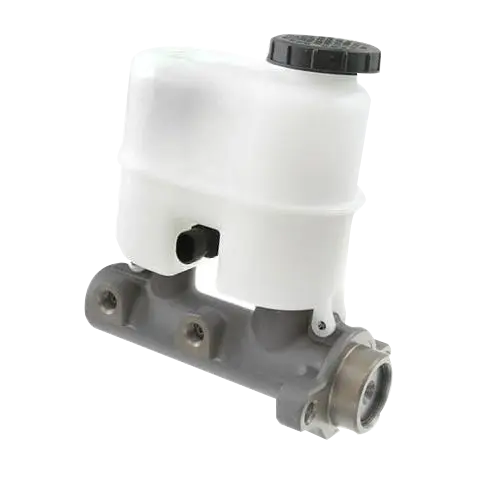
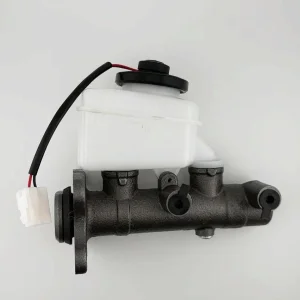
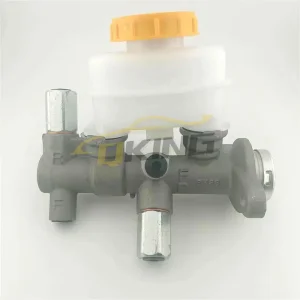
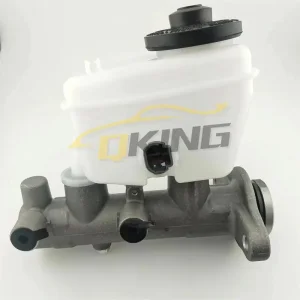
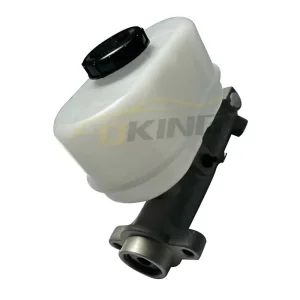
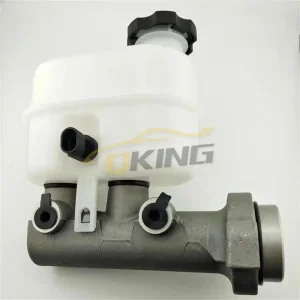
Converts mechanical pedal pressure into hydraulic force, utilizing precision-honed bores to generate linear pressure output.
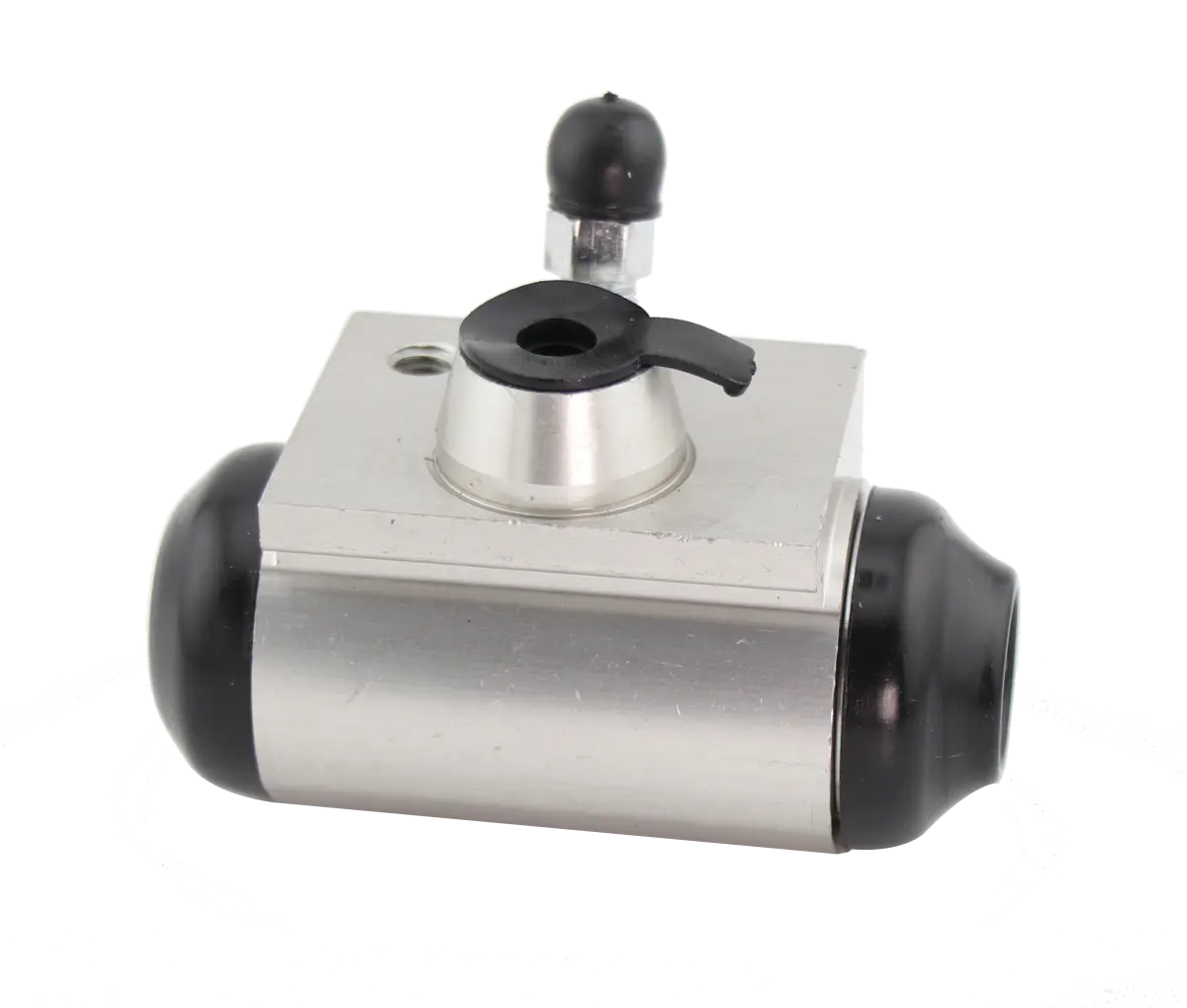
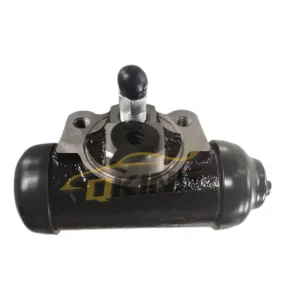
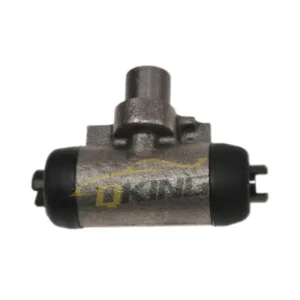
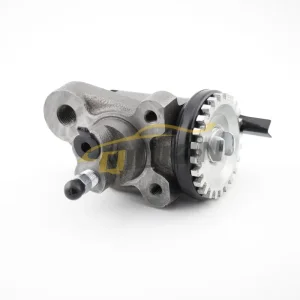
Delivers responsive actuation to drum brake systems, maintaining consistent clamping forces under thermal stress.
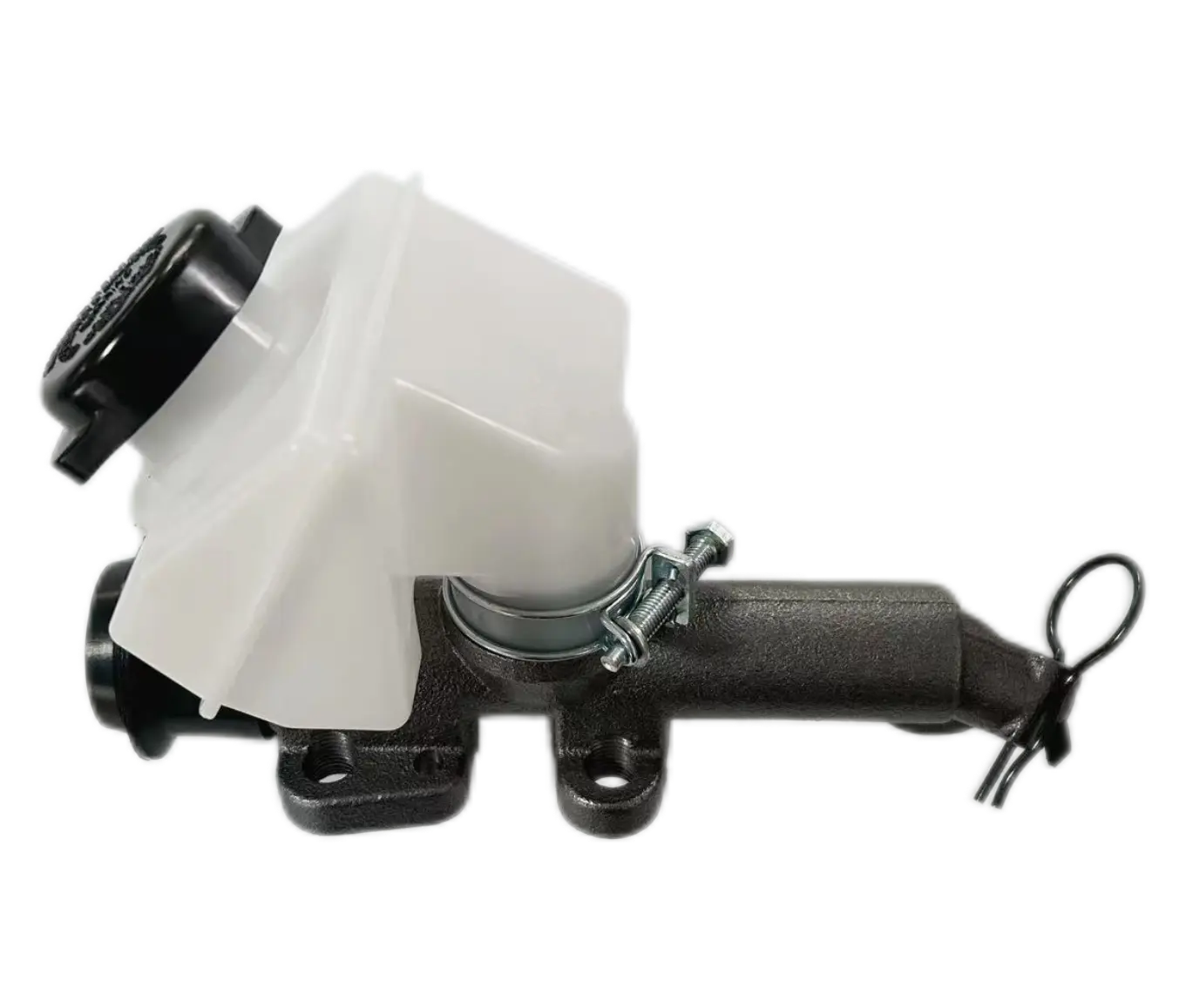
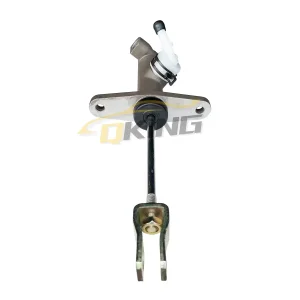
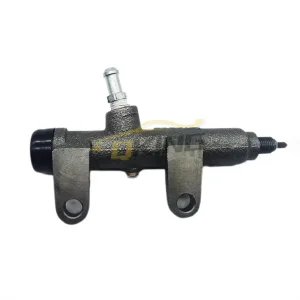
Ensures smooth shifting action and precise transmission coupling via dependable hydraulic feedback.
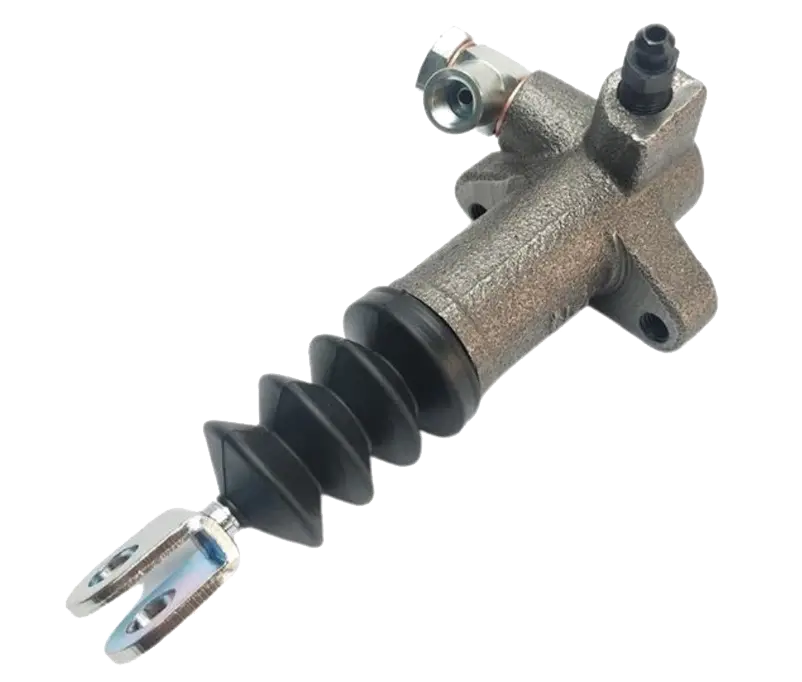
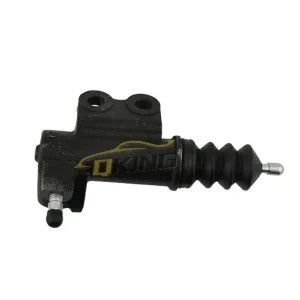
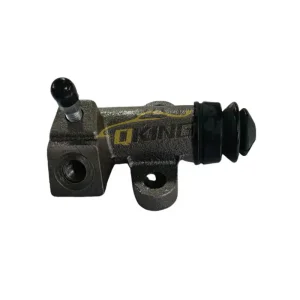
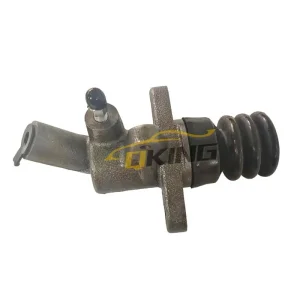
Deploys release forks efficiently, featuring premium EPDM seals that stand up to high cycle fatigue.
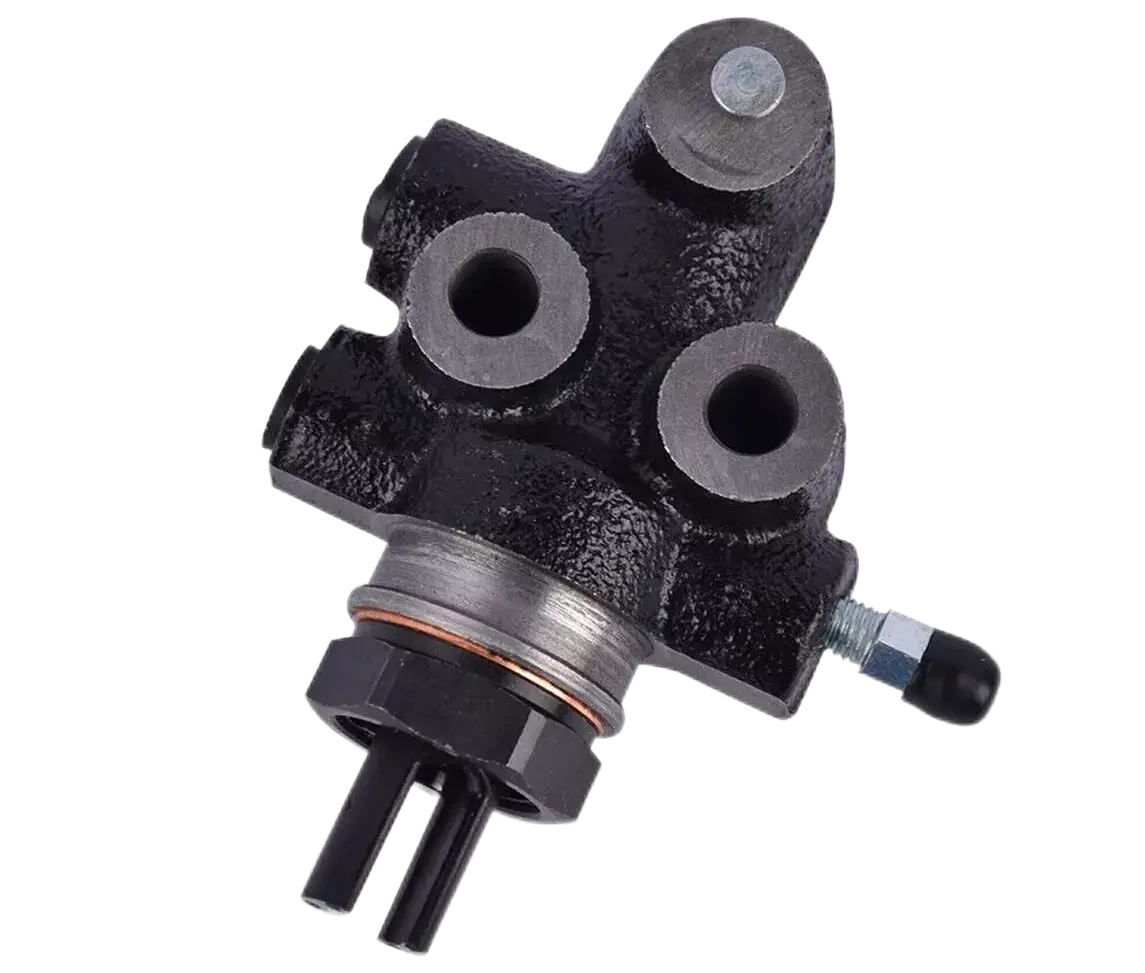
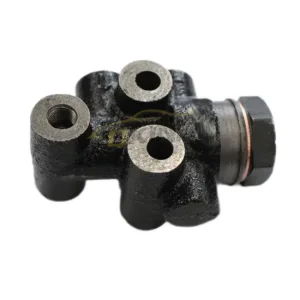
Balances braking force dynamically between front and rear axles to prevent rear-wheel lockups.
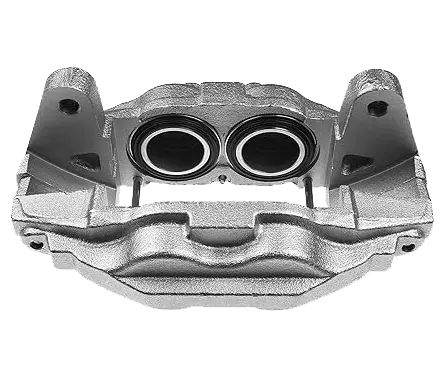
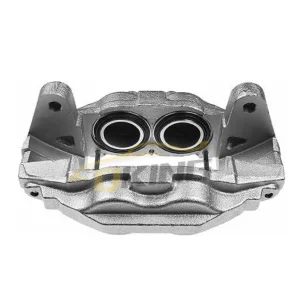
Constructed with durable castings and high-precision pistons for reliable stopping power in challenging environments.
Wuhu Qiujing Auto Parts Co., Ltd. is a dedicated developer and manufacturer of high-quality automotive brake and clutch hydraulic components. Built upon foundation expertise dating back to 1996, the factory has established itself as an industry source for global supply chain partners.
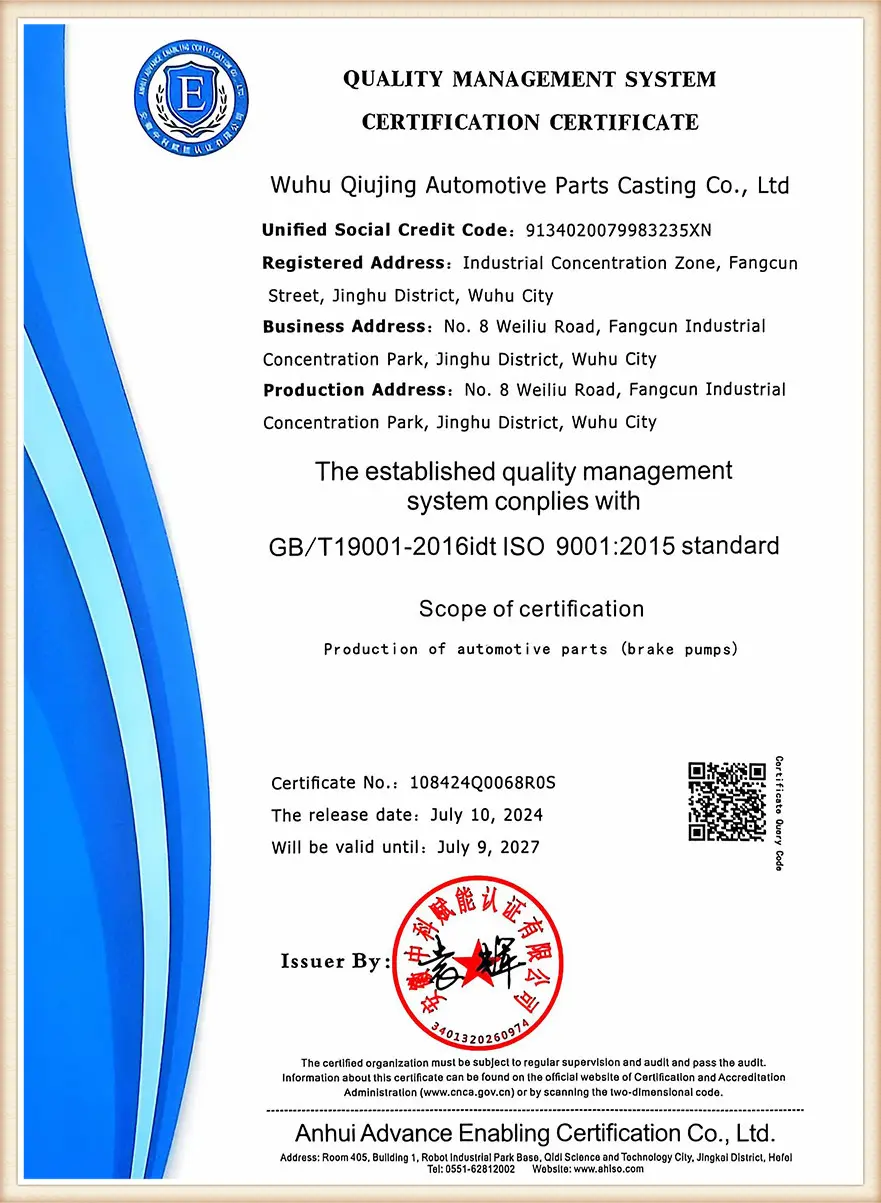
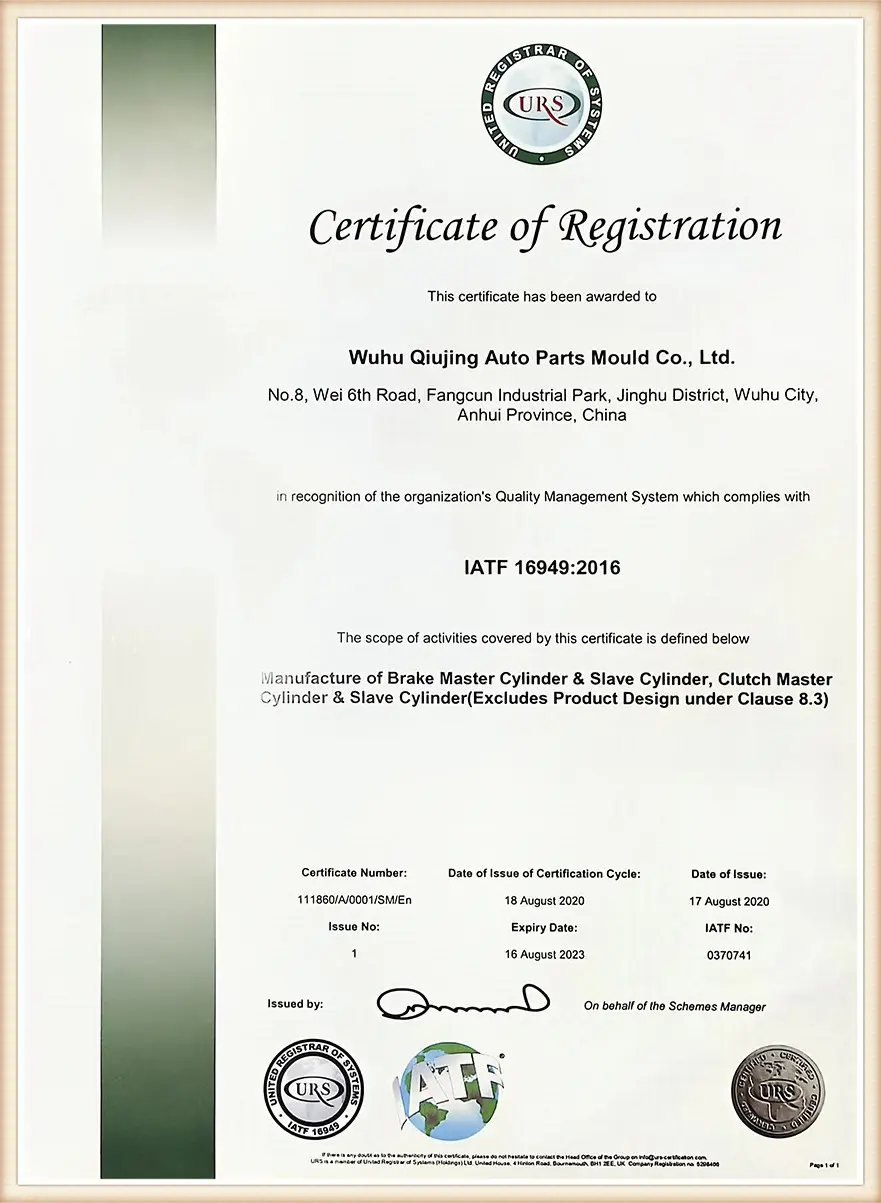
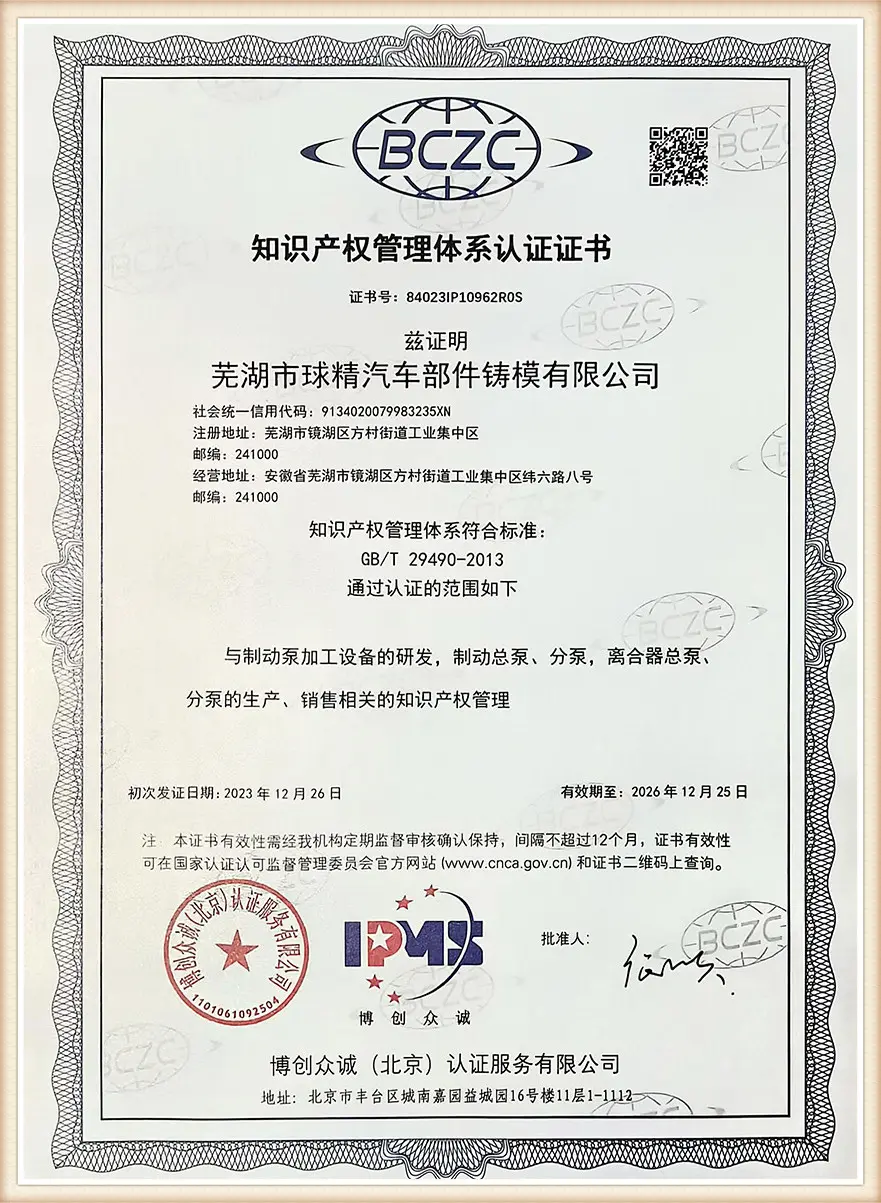
Occupying a modern 6,000-square-meter facility, the plant utilizes advanced boring systems and high-precision inspection rigs to deliver an annual capacity of over 2 million units. By executing strict quality inspections at every step, the facility maintains certifications including GB/T19001-2016 / ISO 9001:2015, IATF 16949:2016, and GB/T29490-2013.
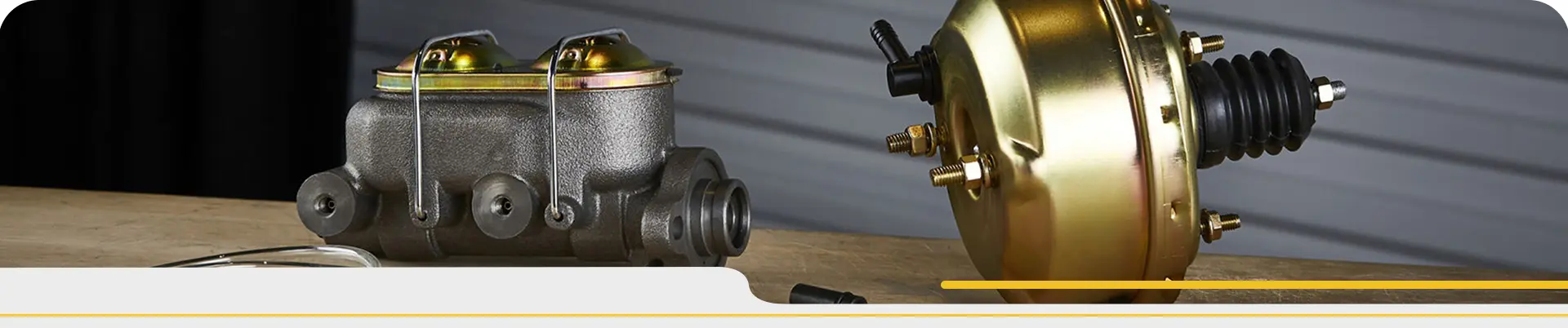

Direct-from-factory pricing combined with high quality assurance and robust technical support.

6,000+ m² manufacturing facility, 50+ experienced technicians, delivering an annual capacity exceeding 2 million units.

Utilizing high-end tooling and checking processes. Covered by a 2-year warranty and backed by full technical support.

Uniform QA testing regimes and production planning guarantee predictable shipments for long-term partnerships.

Dedicated engineers, modern production lines, and responsive sales teams handle technical and commercial issues.
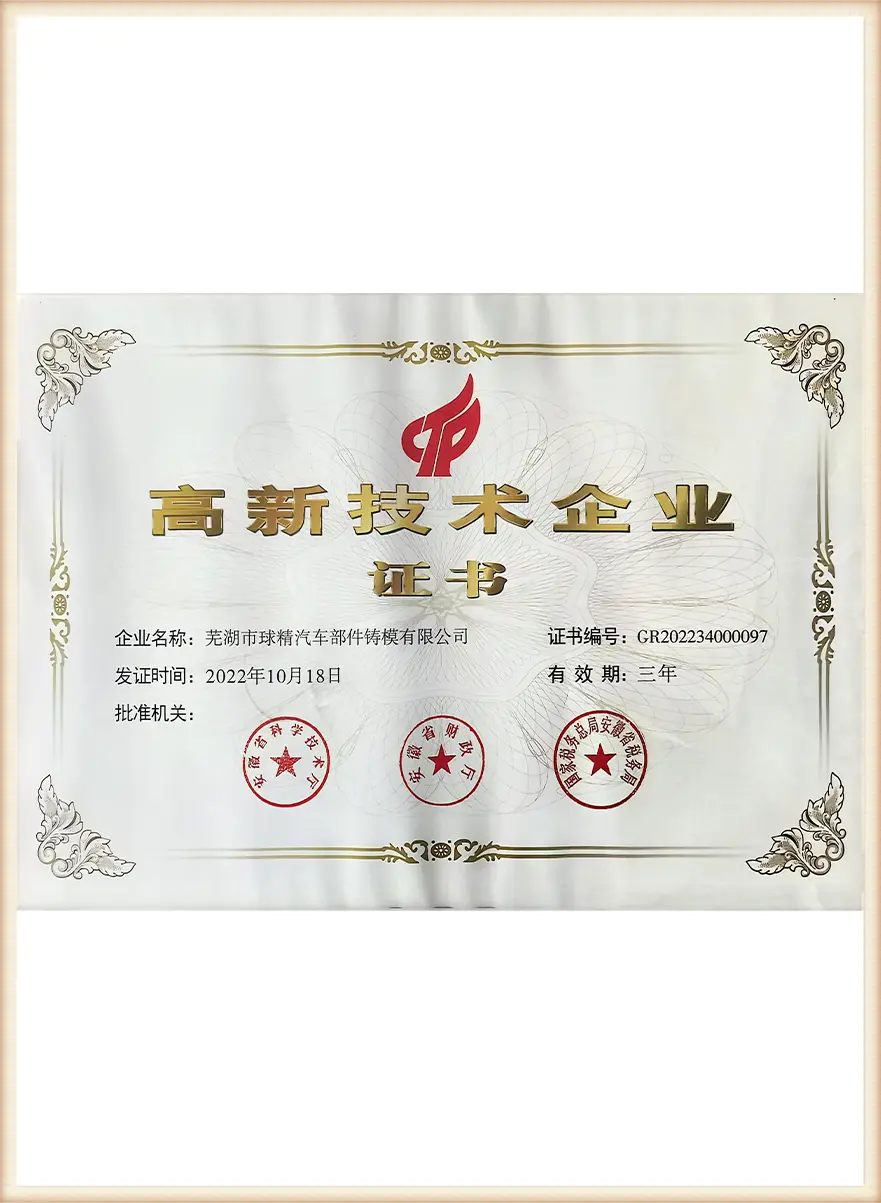
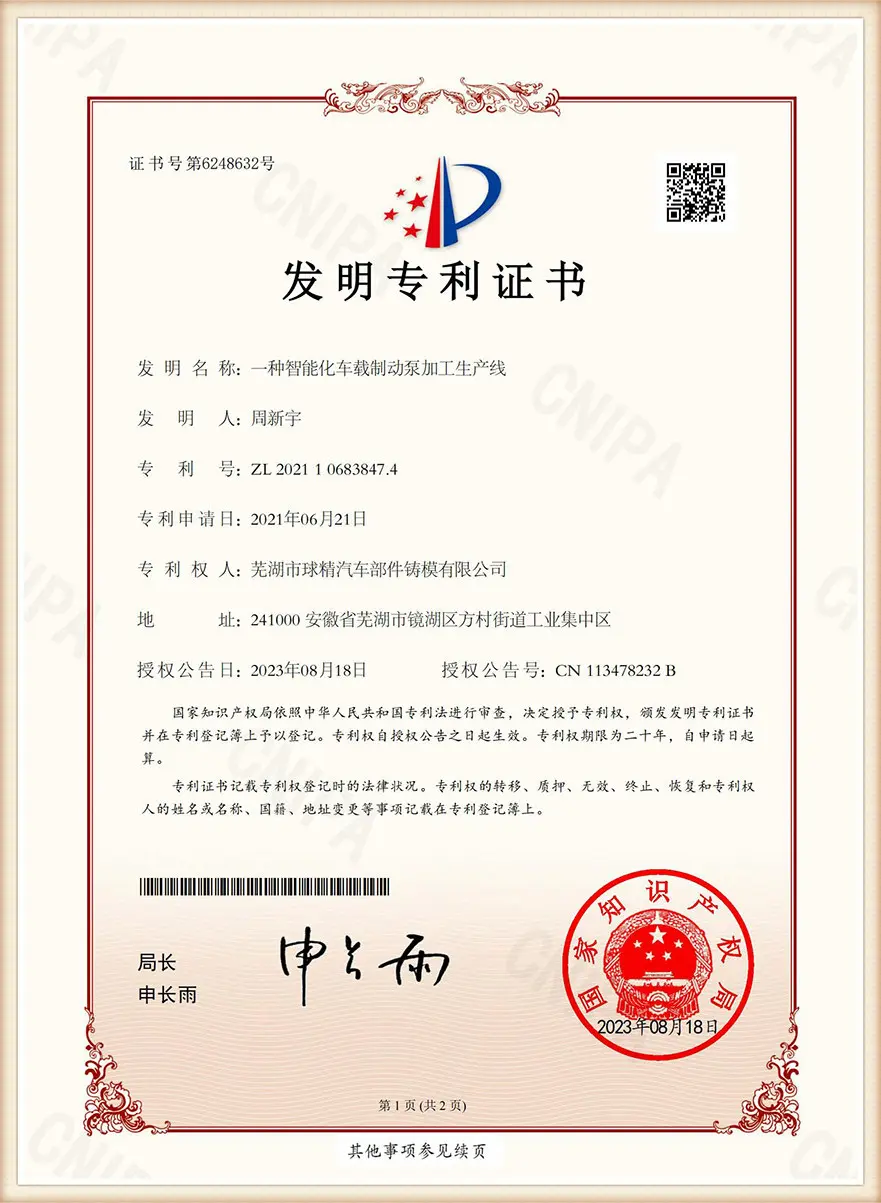
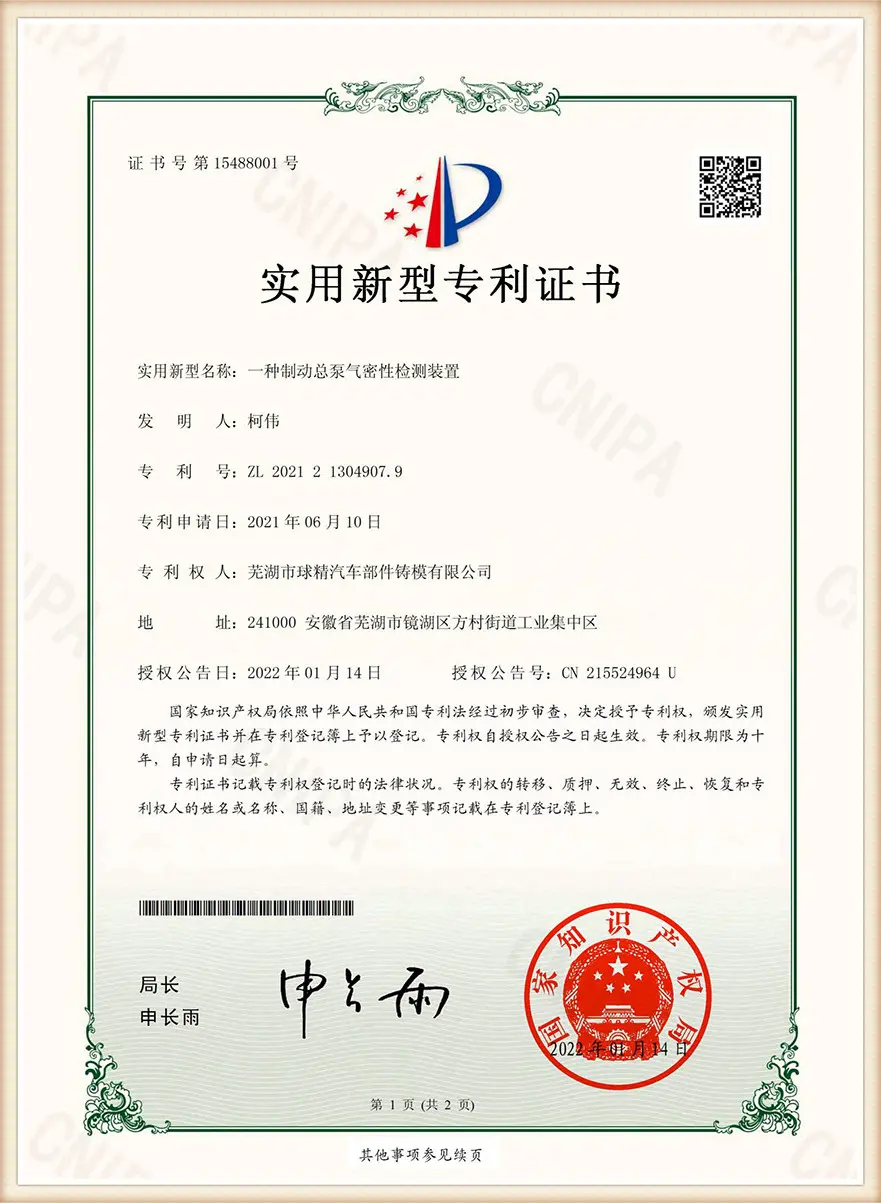
Our production operates in compliance with international automotive supplier standards:
Purchasing agents evaluating suppliers in the automotive segment prioritize quality consistency and cost efficiency. The Yangtze River Delta region, particularly Wuhu, is an automotive hub with an integrated upstream material supply chain. This ecosystem supports quick material sourcing and efficient custom tooling development.
Primary components, including high-purity aluminum alloys, ductile iron castings, and specialized EPDM elastomers, are sourced from regional suppliers. This geographic proximity minimizes logistics lead times, keeps shipping costs low, and reduces inventory requirements for raw materials.
Wuhu Qiujing has integrated automated CNC machining centers with precision boring systems. Controlling internal bore tolerances within microns reduces dimensional variation across production batches. This consistency prevents premature cup seal wear and ensures stable pressure retention over the product's service life.
Wuhu's logistics infrastructure links regional manufacturing directly to major shipping ports like Shanghai and Ningbo. Automated export documentation systems, including custom barcode generation and parts catalog matching, help keep shipping schedules predictable and clear customs smoothly.
Our brake cylinder bores are honed to a surface finish rating of Ra 0.2 to 0.4 microns. This smooth finish helps reduce internal friction and prevents seal wear, ensuring reliable hydraulic performance under high pressures.
Vehicles operate in diverse climates, meaning hydraulic parts must withstand varying environmental challenges. Modern component development incorporates designs suited to regional needs:
In cold regions like Northern Europe and North America, rubber seals can stiffen and lose elasticity. We utilize EPDM compounds that remain flexible at temperatures down to -40°C. This prevents fluid leaks and maintains system pressure during cold-weather startups.
In hot, humid climates like Southeast Asia and Latin America, standard metal components are susceptible to accelerated corrosion. Our master cylinders feature specialized anodized or zinc-plated coatings. These surface finishes withstand salt spray and moisture exposure, preventing oxidation from compromising internal bores.
Vehicles operating in hilly regions or carrying heavy payloads place higher thermal demands on their braking systems. Our heavy-duty brake wheel cylinders are cast from high-tensile ductile iron, which helps dissipate heat and resists physical expansion under high operating pressures.
Find answers to common technical, quality control, and logistics questions about brake and clutch hydraulic systems.
We maintain an OEM cross-reference database linked to major catalog platforms. Each incoming drawing is cross-checked against standard dimensions, including bore diameter, thread pitch, and mounting bolt spacing, ensuring compatibility with parts like 47201-28180 (Toyota) or 46010-72Y04 (Nissan).
Every brake master cylinder undergoes dual pneumatic-hydraulic pressure testing. Units are tested at low pressure (0.05 MPa) to verify seal seating, and high pressure (up to 15 MPa) to confirm body integrity and check for micro-leaks. Testing complies with IATF 16949 requirements.
Yes. Our engineering team can modify design features such as mounting hole sizes, port thread configurations, and cylinder bore coatings. We also develop custom tooling for unique applications using regional specifications or provided samples.
We use premium EPDM rubber seals that resist swelling and degradation when exposed to DOT 3, DOT 4, and DOT 5.1 glycol-based brake fluids. These seals maintain elasticity across a temperature range of -40°C to 120°C.
Standard lead times for catalog components range from 30 to 45 days. High-volume orders or those requiring custom casting runs may have adjusted timelines. We work with clients to coordinate delivery schedules for consistent stock replenishment.
Browse our full selection of replacement cylinders and valves designed for light, medium, and heavy-duty vehicles.
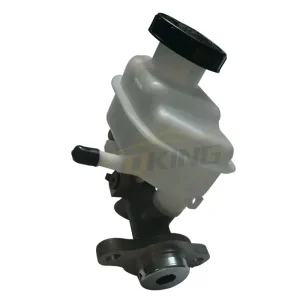
Discover the latest developments and factory announcements from our team.
An update regarding our production schedule and logistics arrangements during upcoming public holidays.
View Details →
Our manufacturing facility has resumed normal operations, with automated production lines running at standard capacity.
View Details →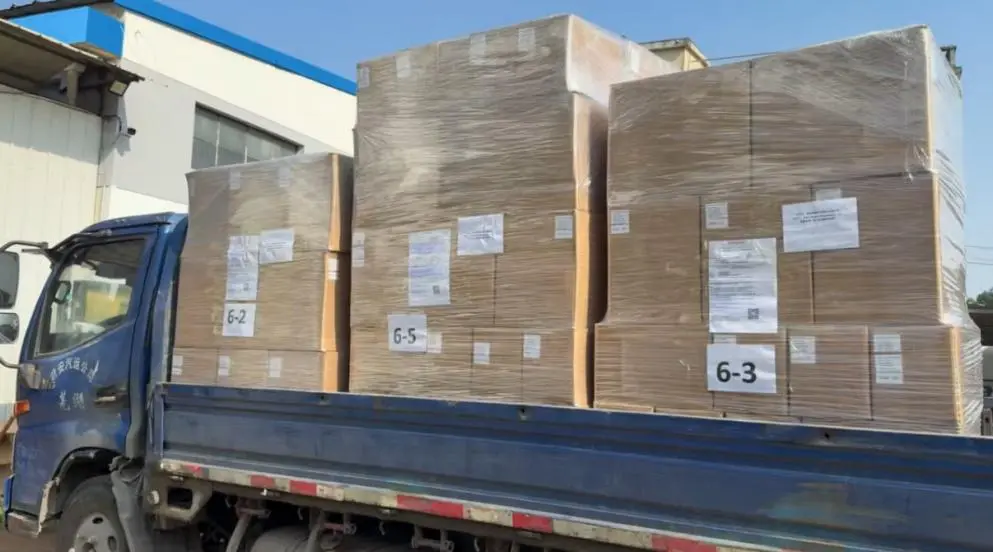
Our shipping team successfully completed critical year-end shipments to overseas distributors ahead of holiday deadlines.
View Details →
Contact our sales engineers for product specifications, pricing catalogs, and direct factory quotes.