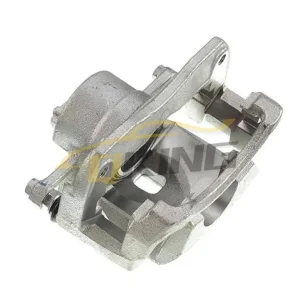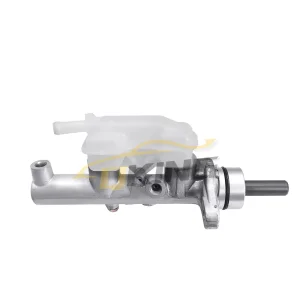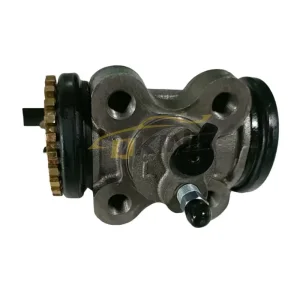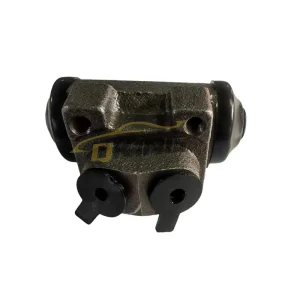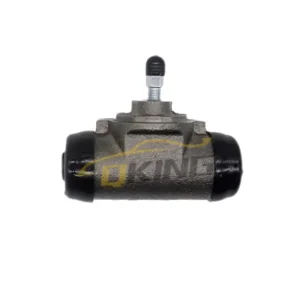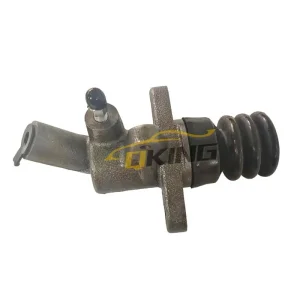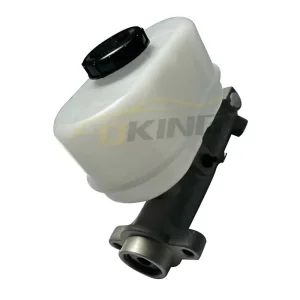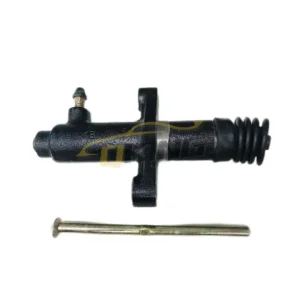
Explore our premium replacement and custom-engineered brake assemblies matching major OEM standards globally.
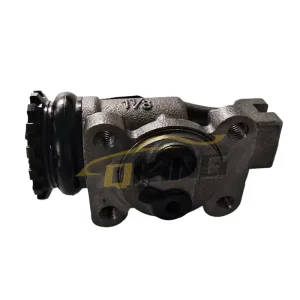
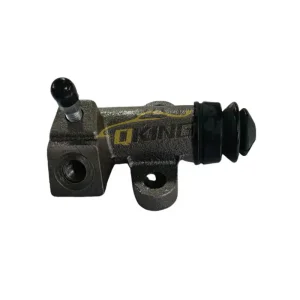
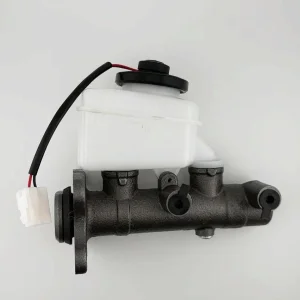
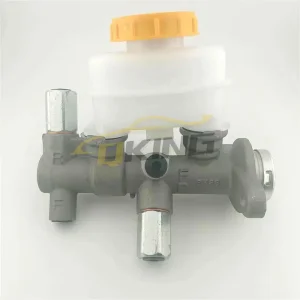
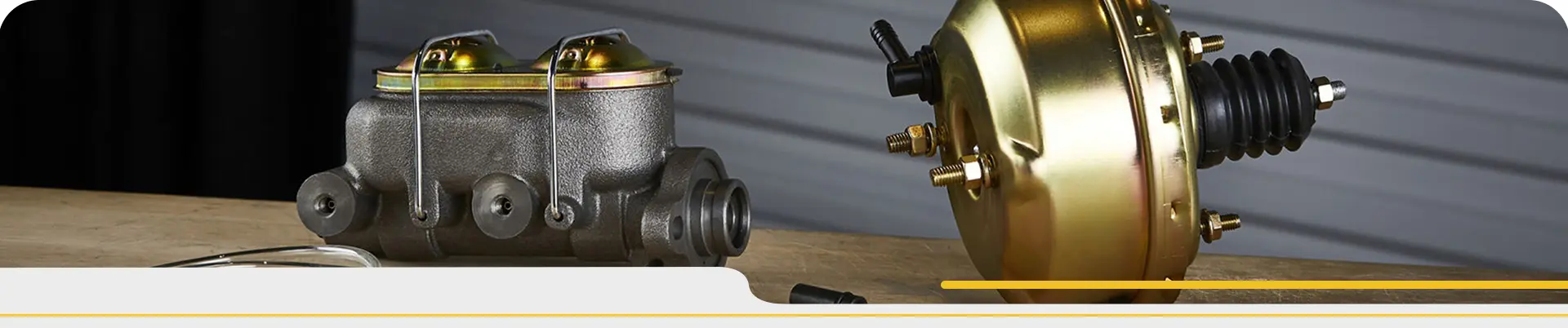
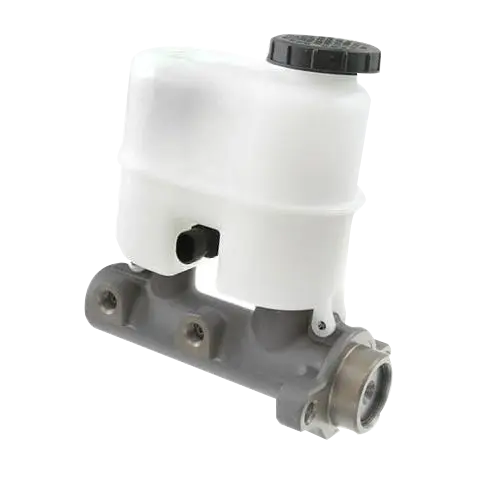
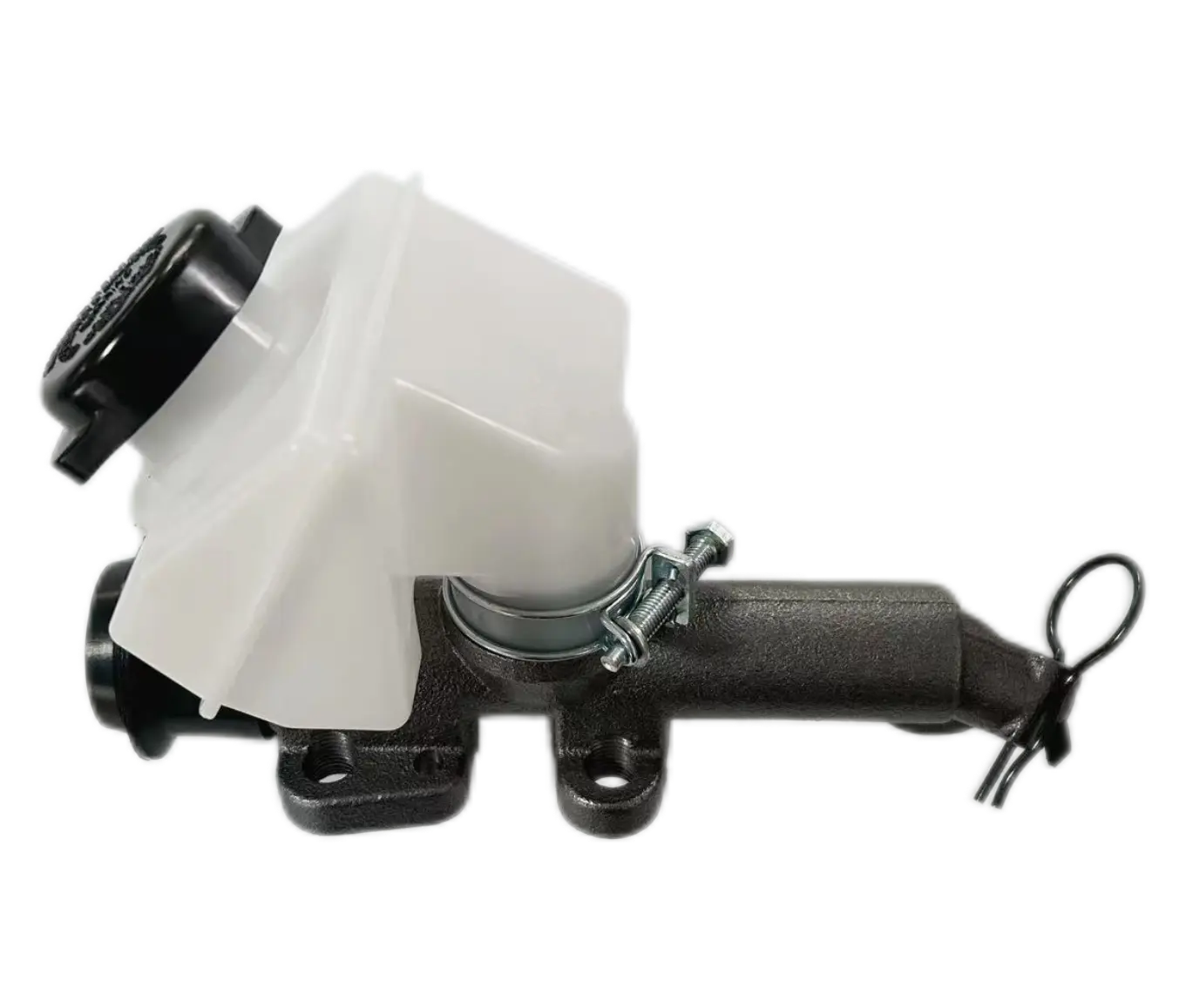
The Brake Master Cylinder Assembly is the central pressure-generating core of any hydraulic braking loop. Under Pascal's Principle, mechanical force applied at the brake pedal is instantly converted into controlled hydraulic pressure, directed to the calipers and wheel cylinders. Choosing an OEM manufacturing partner requires a deep understanding of metallurgy, rubber chemistry, and pressure tolerance. Poor quality control leads to pressure drop-off, internal fluid bypass, and brake fade—risks that modern automotive supply chains cannot tolerate.
Global procurement teams must balance unit costs against supply chain resilience. High-quality master cylinder manufacturing relies on micro-finish cylinder bores (usually with an Ra of 0.2 to 0.4 microns) to minimize wear on EPDM cup seals. Sourcing from uncertified factories compromises these metrics, resulting in early field failures.
For Tier-1 automotive integrators, selecting a production partner involves auditing their tooling engineering and machining capabilities. Specialized multi-axis CNC machines grind and hone the internal paths, ensuring clean fluid flow with minimal seal abrasion under high cycling pressures.
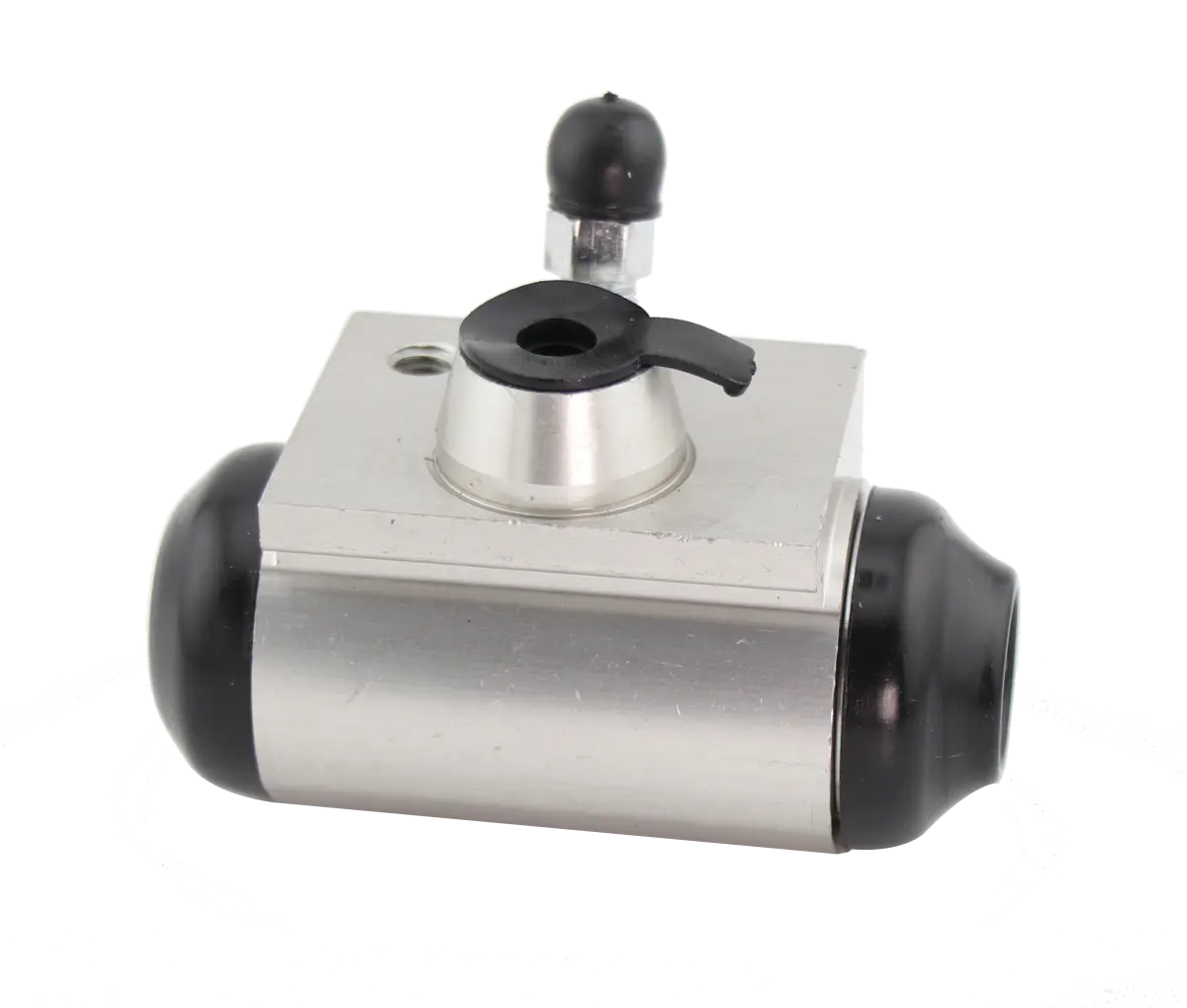
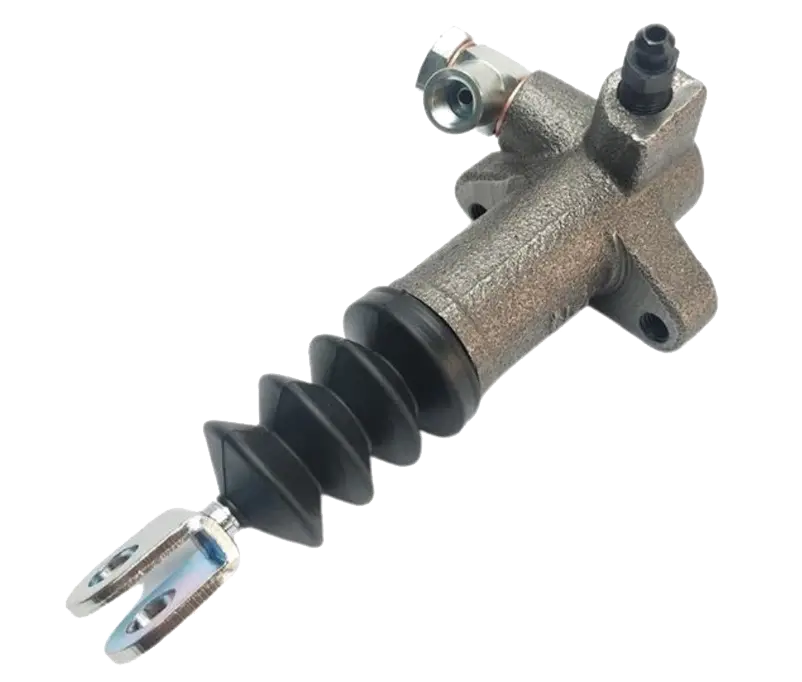
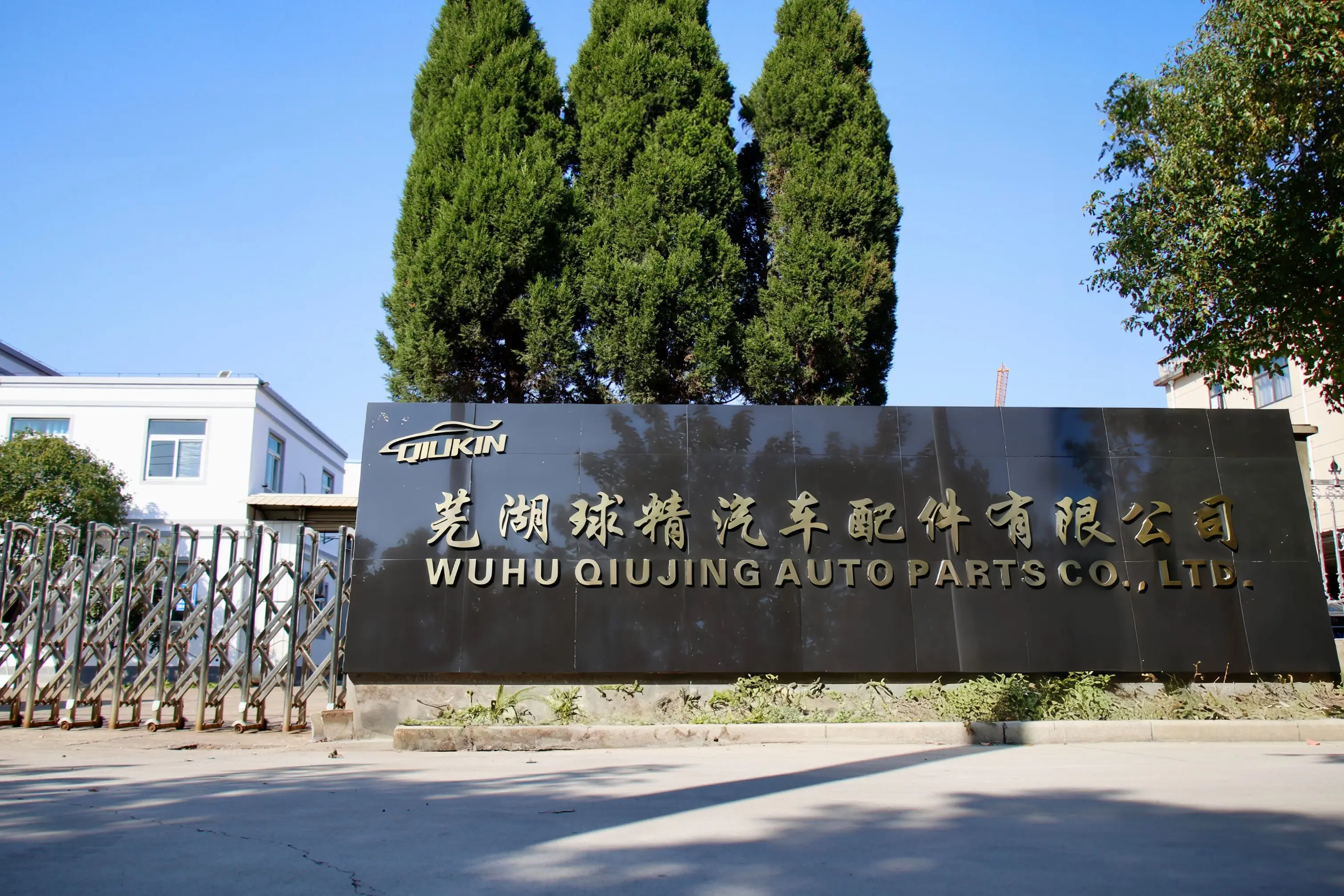
Founded in 2007, Wuhu Qiujing Auto Parts Co., Ltd. is a specialized manufacturer and supplier of key automotive brake components. Our founder has been dedicated to brake hydraulics since 1996, building deep expertise in raw material selection, precision machining, and strict testing protocols. Our product portfolio includes brake master cylinders, wheel cylinders, clutch master cylinders, and clutch slave cylinders. We support dozens of vehicle models and produce thousands of unique references, with quality systems audited and certified to GB/T19001-2016/ISO 9001:2015 and IATF 16949:2016.
"Safety First" is our primary operating standard. We maintain dedicated assembly lines with high-pressure leakage testers, coordinate precision components, and follow strict raw material testing requirements to protect passengers and vehicles under harsh braking conditions.
Modern vehicles use dual-circuit braking layouts controlled by tandem master cylinders. In this design, two pistons (primary and secondary) operate in series within a single bore. If one hydraulic loop leaks, the secondary loop continues to provide braking force. Standard designs rely on high-grade anodized aluminum alloys or cast iron housings. Anodized coatings protect against corrosive brake fluids (DOT 3, DOT 4, and DOT 5.1), preventing galvanic corrosion that can cause internal leaks.
| Engineering Property | Cast Iron Housings | Aluminum Die-Cast Housings | Our Target Tolerances |
|---|---|---|---|
| Yield Strength | 250–350 MPa | 150–220 MPa | Optimal Raw Alloy Grade Selection |
| Weight Comparison | High (Heavy Commercial Grade) | Lightweight (Passenger Cars) | Reduced unsprung mass systems |
| Corrosion Resistance | Requires external painting/coating | Self-passivating oxide layer | Anodization thickness: 12–20 microns |
| Bore Roughness (Ra) | < 0.4 μm | < 0.35 μm | ≤ 0.25 μm through diamond honing |
In addition to housing metallurgy, the rubber compounds used for primary and secondary seal cups are critical. We use high-performance Ethylene Propylene Diene Monomer (EPDM) formulations. These seals are engineered to withstand extreme temperatures (from -40°C up to +120°C) and constant exposure to polyglycol ether-based fluids. This keeps the seals flexible, preventing pressure loss during light braking inputs and resisting extrusion during panic stops.
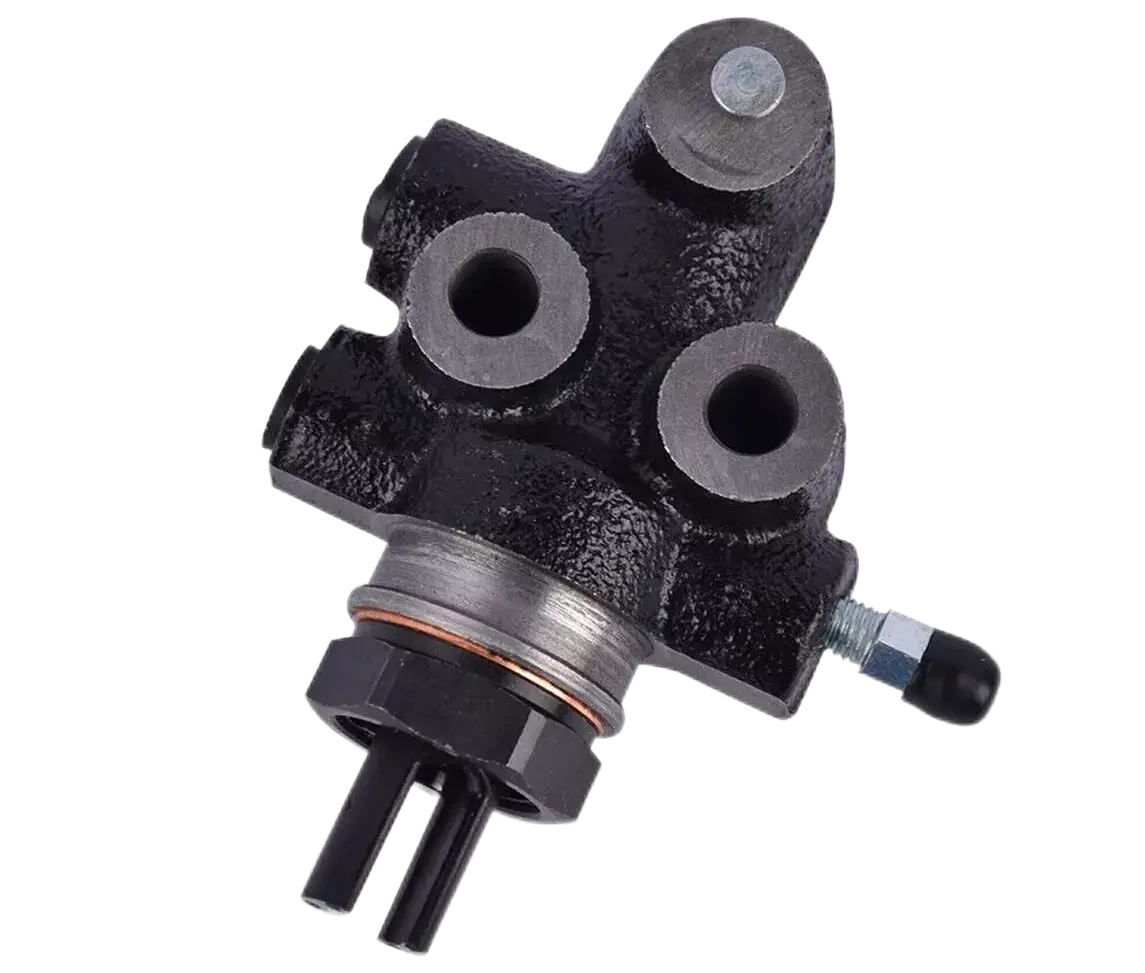
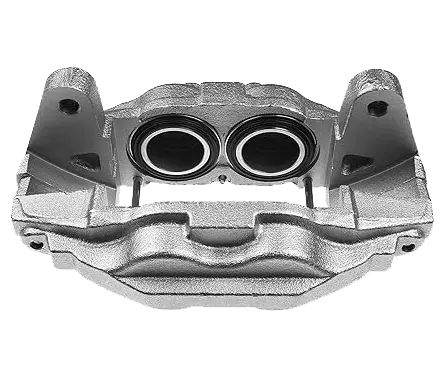
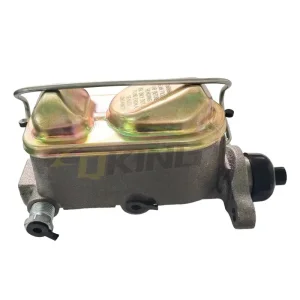
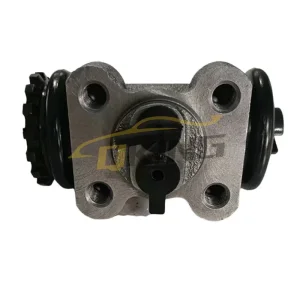
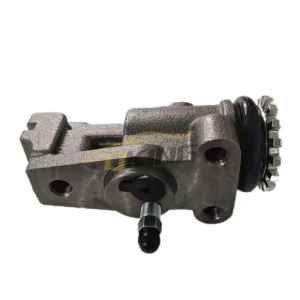
Wuhu Qiujing offers a complete range of hydraulic actuator solutions for commercial and passenger vehicle braking circuits.
B2B automotive parts buyers focus on total cost of ownership (TCO), supply chain reliability, and technical support. A critical challenge for distributors and commercial fleets is locating factories that can match OEM specifications across older, out-of-production vehicle models as well as newer platforms. We address this demand by maintaining a library of thousands of product profiles, supporting older vehicles and light commercial trucks from brands like ISUZU, Toyota, Nissan, Hyundai, Mazda, and Chrysler.
From a technical standpoint, we verify housing geometry using Coordinate Measuring Machines (CMM) to match mounting points, fluid connections, and pushrod bore alignments with original specifications. This limits assembly errors, simplifies installation for service technicians, and avoids premature wear on the brake booster pushrod.
Our master cylinders undergo extensive testing to meet global safety standards, including US FMVSS 105 and European ECE R13. Testing includes burst pressure evaluations (up to 30 MPa), vacuum filling simulations, and cycle fatigue testing to confirm durability over more than one million pedal applications.
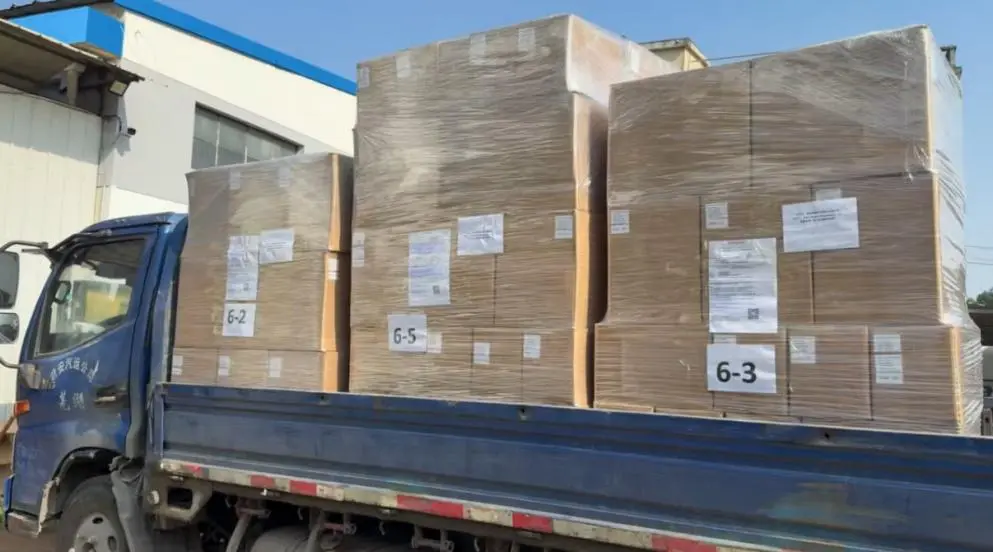
We work closely with global supply chains by organizing production schedules around bulk orders, offering customized packaging, and coordinating shipping documents to support clear customs processing. This helps reduce lead times and limits logistics delays for key components.
Ensuring efficiency, product consistency, and clear communication at every stage of the procurement cycle.

Wuhu Qiujing owns and operates a 6,000+ m² facility, keeping design, casting, machining, and final assembly under direct quality control.

Equipped with specialized testing systems to monitor performance parameters, backed by a two-year after-sales warranty.

We use automated precision machinery to maintain consistent manufacturing tolerances across large production runs.

Our engineering, manufacturing, QC, and sales teams coordinate closely to respond quickly to client requests.
The growth of hybrid and electric vehicles is changing the design requirements for brake master cylinders. EVs rely on regenerative braking, where the electric motor handles initial deceleration to recover energy. Traditional vacuum-assisted brake boosters are being replaced by electro-hydraulic and brake-by-wire designs. In these systems, the master cylinder is decoupled from direct line pressure, acting as a pressure simulator for pedal feel while providing emergency hydraulic backup.
Wuhu Qiujing monitors these market developments, adjusting our production capabilities to support lightweight components and specialized seal compounds suited for alternative braking designs. Using advanced aluminum alloys helps reduce vehicle weight to assist with EV battery range targets, while our tooling teams work to refine bore tolerances to handle the pressure cycles of automated brake systems.
Our engineering team uses CAD/CAM modeling tools to analyze fluid behavior within master cylinder reservoirs and bypass ports. This helps optimize layout designs, reducing air entrapment and improving bleeding speed during vehicle assembly.
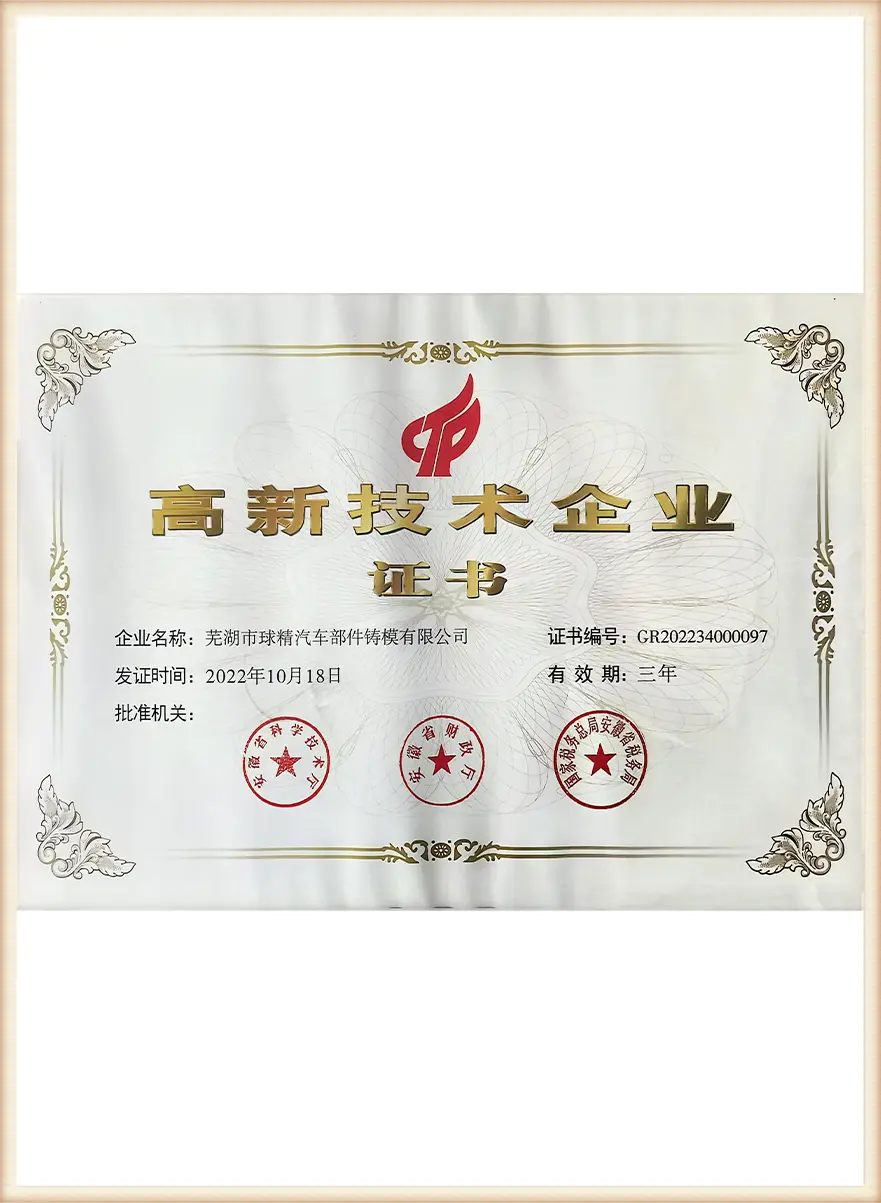
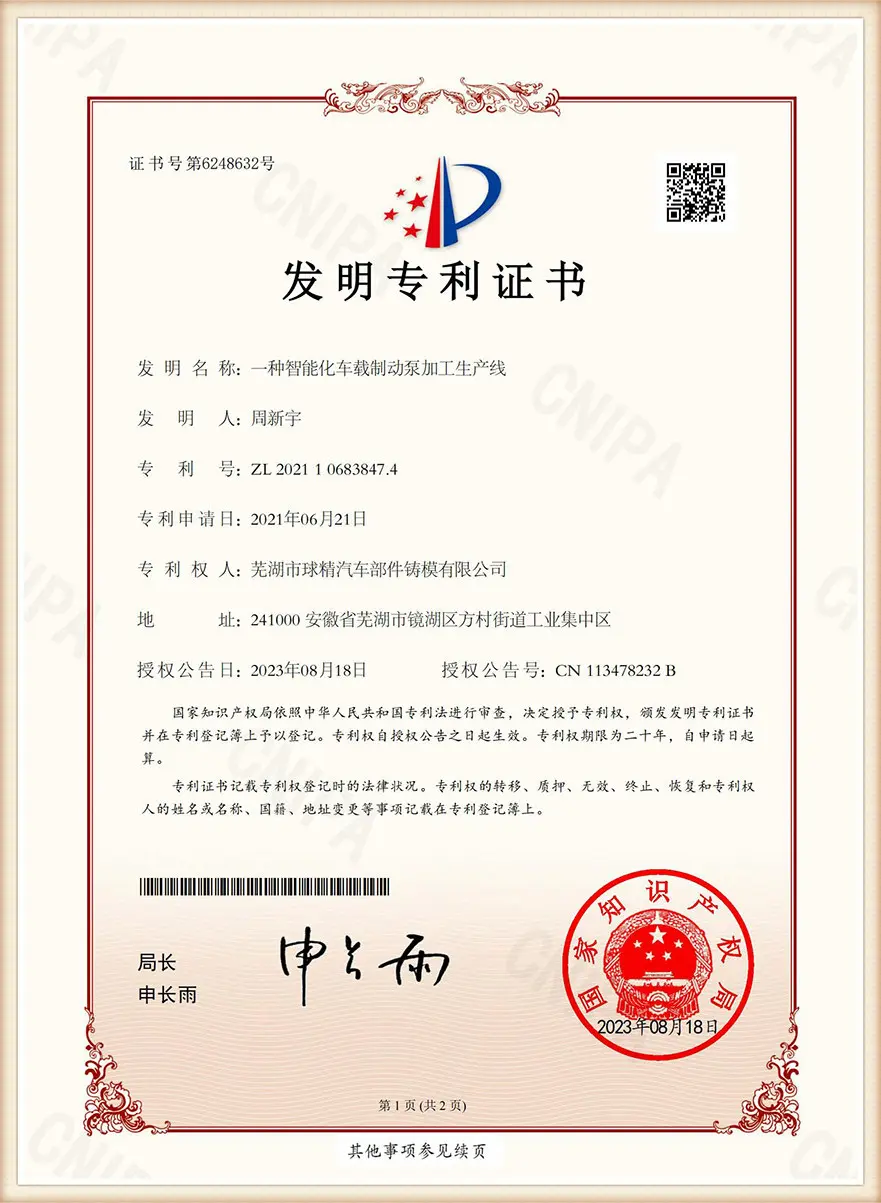
We verify our manufacturing and administrative operations against established international standards to ensure product safety.
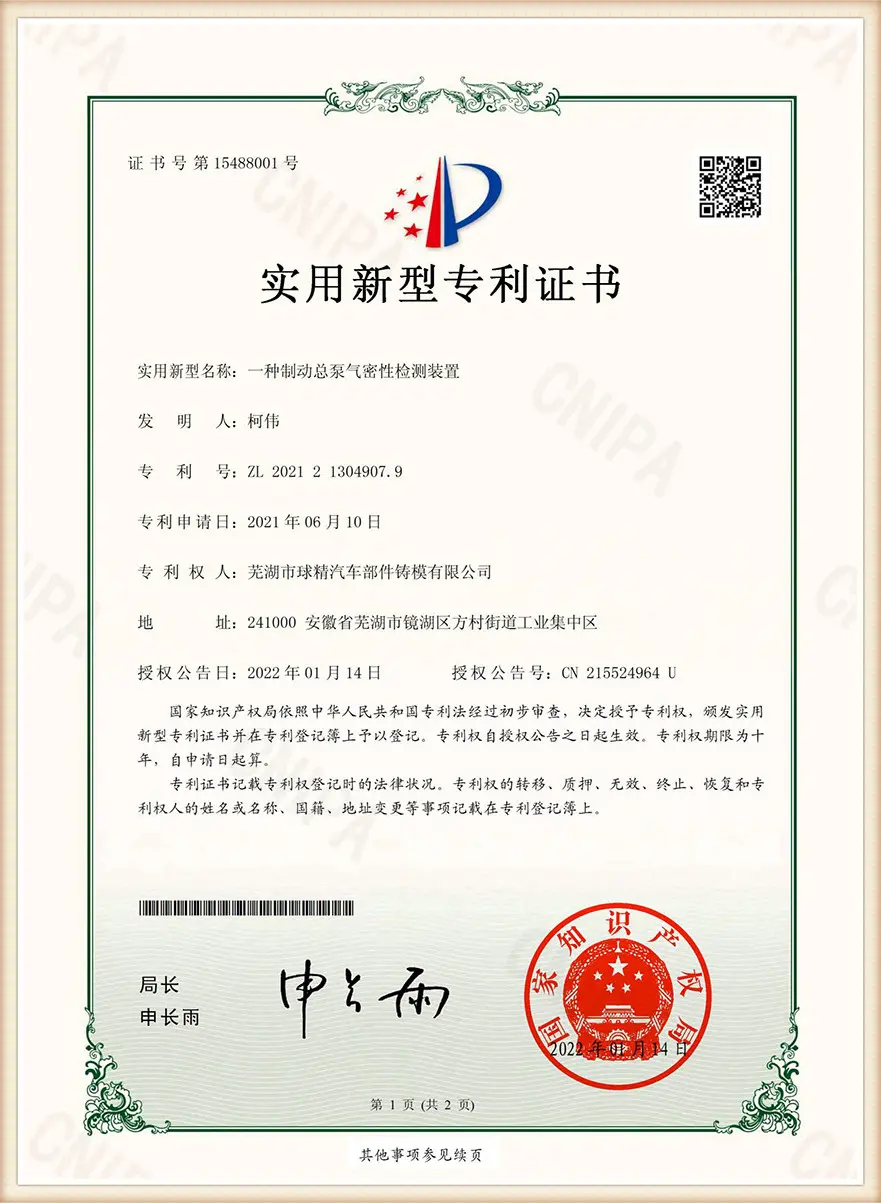
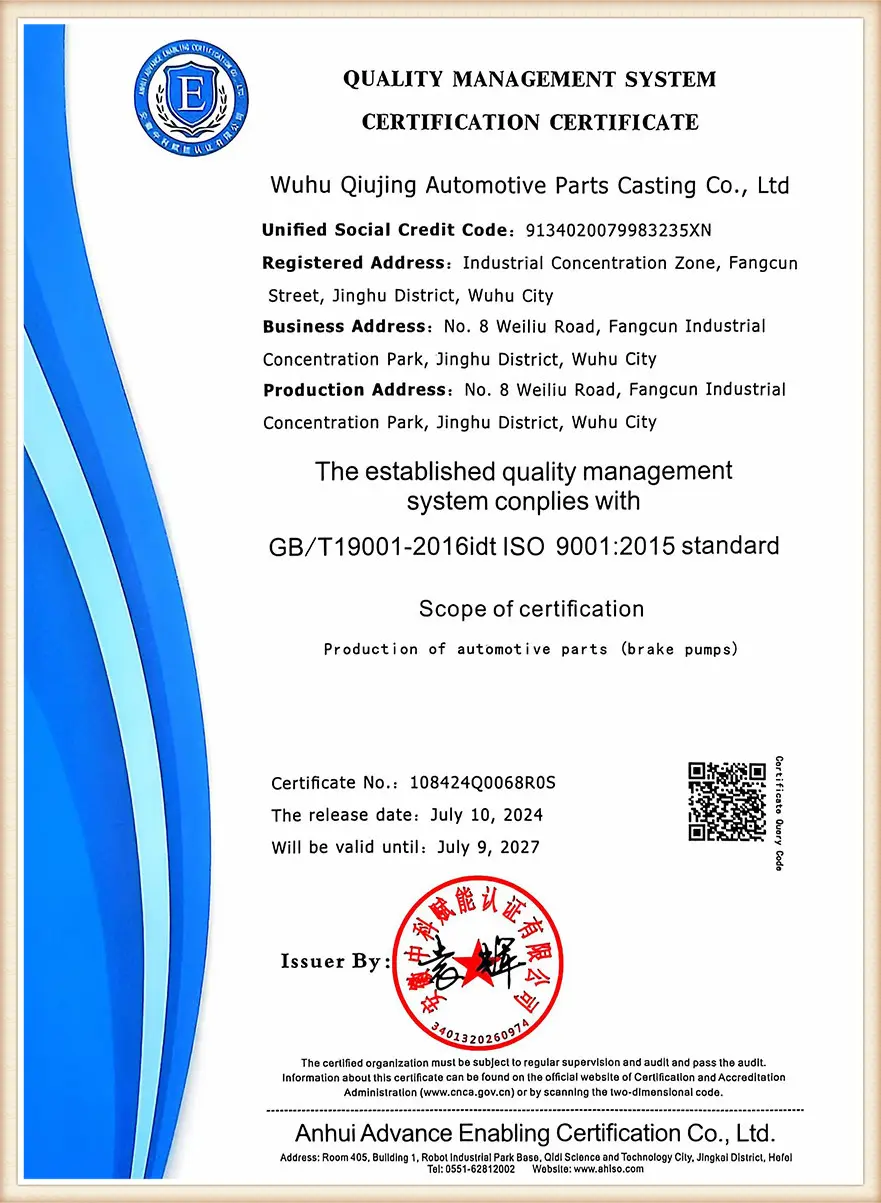
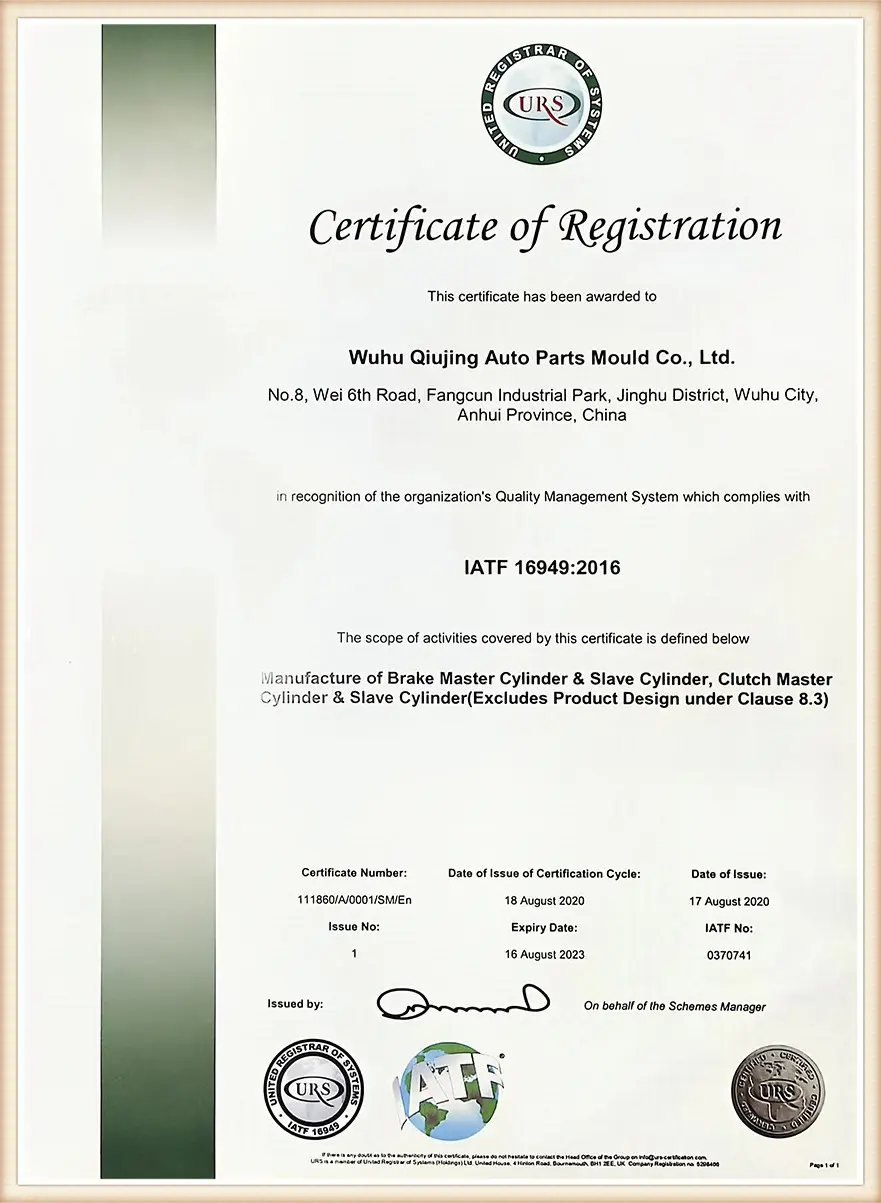
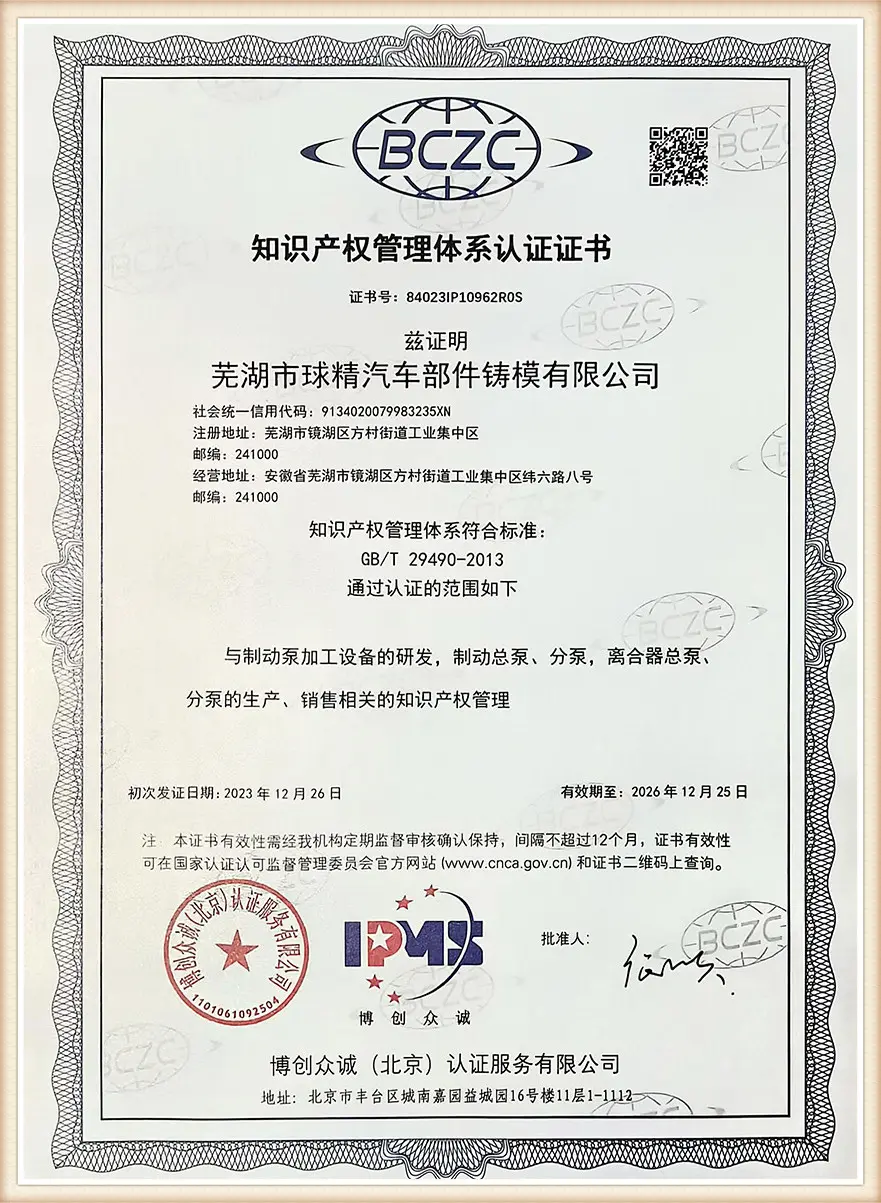
Keep up with our seasonal logistics schedules, manufacturing upgrades, and plant notifications.

Common technical and procurement questions answered by our engineering and sales teams.
Pedal sponginess is often caused by micro-tears in the primary EPDM sealing cups, bore surface wear, or air bubbles trapped in the hydraulic lines. Internal fluid bypass occurs when fluid slips past the primary piston cup back into the low-pressure reservoir, preventing the cylinder from building pressure. Ensuring low internal bore roughness (Ra ≤ 0.25 μm) helps minimize this seal wear.
Every single brake master cylinder and wheel cylinder we manufacture undergoes pneumatic leak testing and high-pressure hydraulic tests. We check for pressure drop over a preset dwell time. Our quality protocol requires random samples from each batch to undergo cyclic durability testing up to 1 million strokes in simulated high-temperature chambers.
Yes. Our engineering team can work from OEM blueprints, physical samples, or CAD models. We handle casting mold creation, precision CNC tooling setup, and sample testing to confirm the finished part matches your design specifications before proceeding with bulk production.
For standard components in our library, lead times are typically 30 to 45 days, depending on raw material stock and order volume. MOQs vary by product line and model requirements. Contact our sales department with your specific part numbers for detailed pricing and delivery terms.
Explore more parts from our catalog supporting global vehicle lines and industrial applications.
Reach out to our engineering and sales departments to discuss specific design tolerances, tooling options, or bulk delivery logistics. We will review your request and respond within 24 business hours.