Explore our high-performance brake master cylinders, wheel cylinders, and calipers engineered to precision specifications.
A comprehensive technical analysis of hydraulic design, metallurgical considerations, global supply chain procurement workflows, and industry-standard compliance paradigms.
Automotive supply chain managers and industrial engineering directors operate in a market demanding zero-defect tolerance. The brake master cylinder serves as the heart of hydraulic braking systems, translating mechanical pressure from a driver's foot (or electronic actuator) into hydraulic force. Sourcing these components at scale requires a deep understanding of manufacturing processes, material integrity, and testing frameworks. Tier-1 automotive procurement agents rely heavily on partners capable of scaling production while strictly adhering to international certifications.
The global automotive brake parts market has transitioned from traditional raw casting supplies to finished, pre-tested assemblies. High-volume procurement managers require transparency in chemical composition, precision dimensional analysis, and logistics coordination. Key factors influencing procurement decisions include low-temperature and high-temperature seal integrity, salt spray resistance coatings to ward off road corrosion, and custom branding/OEM private labeling opportunities.
The manufacturing of OEM brake master cylinders features two primary material categories: high-grade grey cast iron (providing exceptional wear resistance and structural stiffness) and anodized aluminum alloys (delivering substantial weight reduction and corrosion protection). The transition toward aluminum alloys in modern passenger vehicles supports global lightweighting initiatives without compromising structural burst limits.
| Property / Characteristic | High-Grade Cast Iron (GG25) | Anodized Aluminum Alloy (6061-T6 / Al-Si) |
|---|---|---|
| Weight Class | Heavy-duty, high mass density | Ultra-lightweight (up to 45% mass reduction) |
| Tensile Strength | Exceeds 250 MPa | Exceeds 310 MPa (post heat treatment) |
| Corrosion Resistance | Requires protective external coatings | Naturally resistant (enhanced via anodization) |
| Bore Wear Life | Excellent natural lubricity and durability | Requires precise hard-anodizing for long-term wear |
| Primary Application | Heavy commercial vehicles, classic OEM, light trucks | Modern passenger cars, EV/HEV platforms |
Equally critical to metallurgical choice is internal sealing chemistry. Automotive master cylinders use dual-seal piston rings made of high-grade Ethylene Propylene Diene Monomer (EPDM). These seals must remain chemically stable in the presence of highly hygroscopic brake fluids (DOT 3, DOT 4, and DOT 5.1). Mechanical tolerances inside the cylinder bore are maintained below ±0.02 mm, with a surface finish (Ra) of less than 0.25 µm. This minimizes friction wear, preventing micro-leakage across primary and secondary hydraulic circuits.
The automotive braking industry is undergoing a paradigm shift driven by ADAS (Advanced Driver Assistance Systems) and EV (Electric Vehicle) architecture. Traditional braking systems depend on engine-generated manifold vacuum to assist the master cylinder via a diaphragm booster. Electric powertrains require vacuum-independent actuation.
Our factory runs six dedicated hydraulic actuation production lines to cover complete vehicle system assemblies.
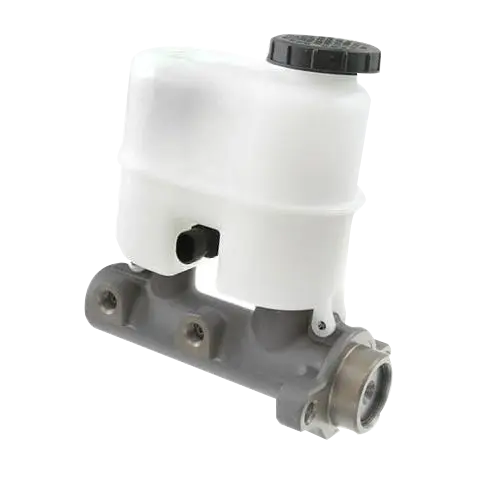
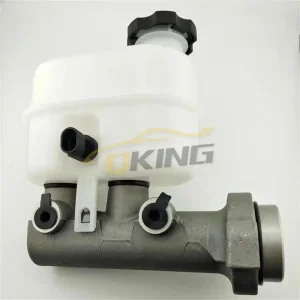
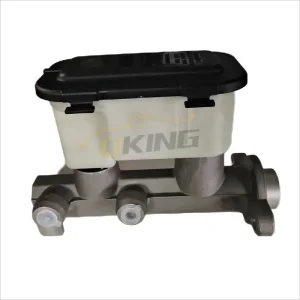
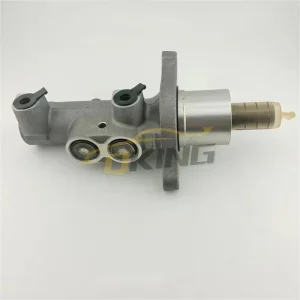
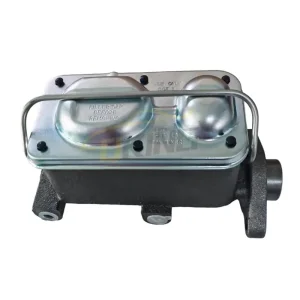
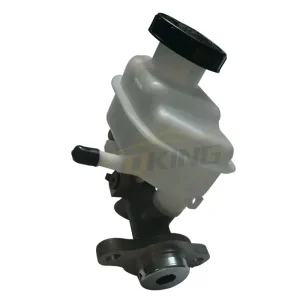
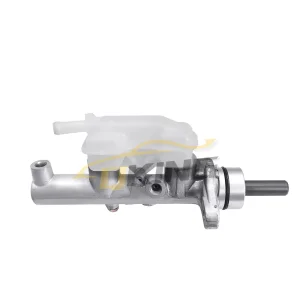
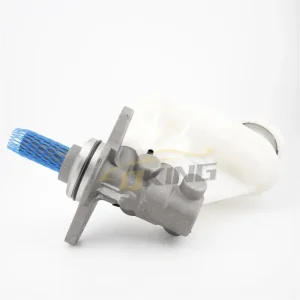
The central pressure actuator in automotive braking systems. Manufactured with micro-honed internal bores and premium EPDM seals for high-pressure safety margins.
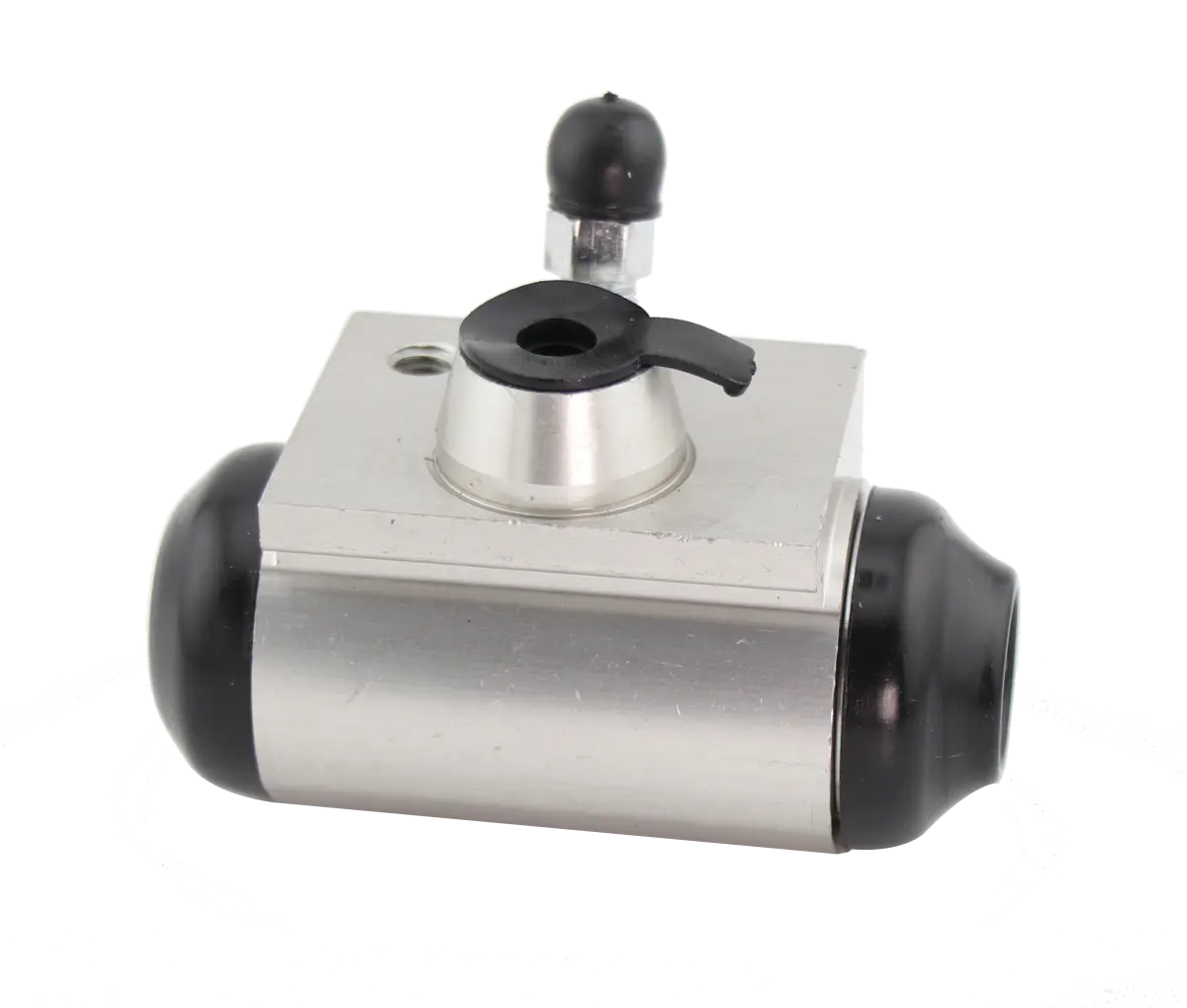
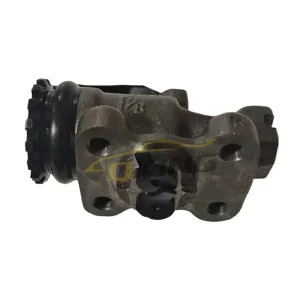
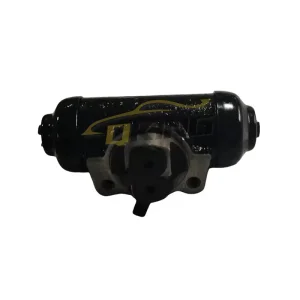
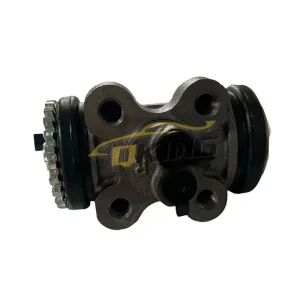
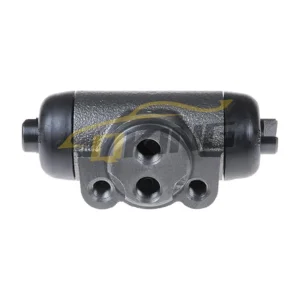
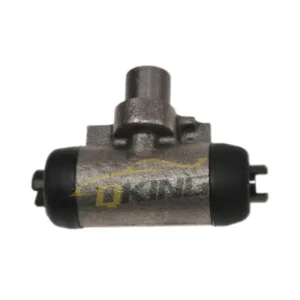
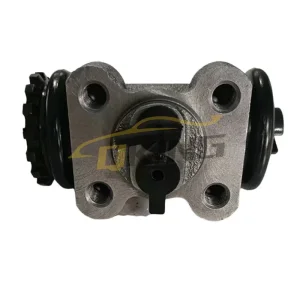
Engineered for rear drum assemblies. Features high-tensile casting bodies and dust covers that prevent contaminants from degrading piston movement.
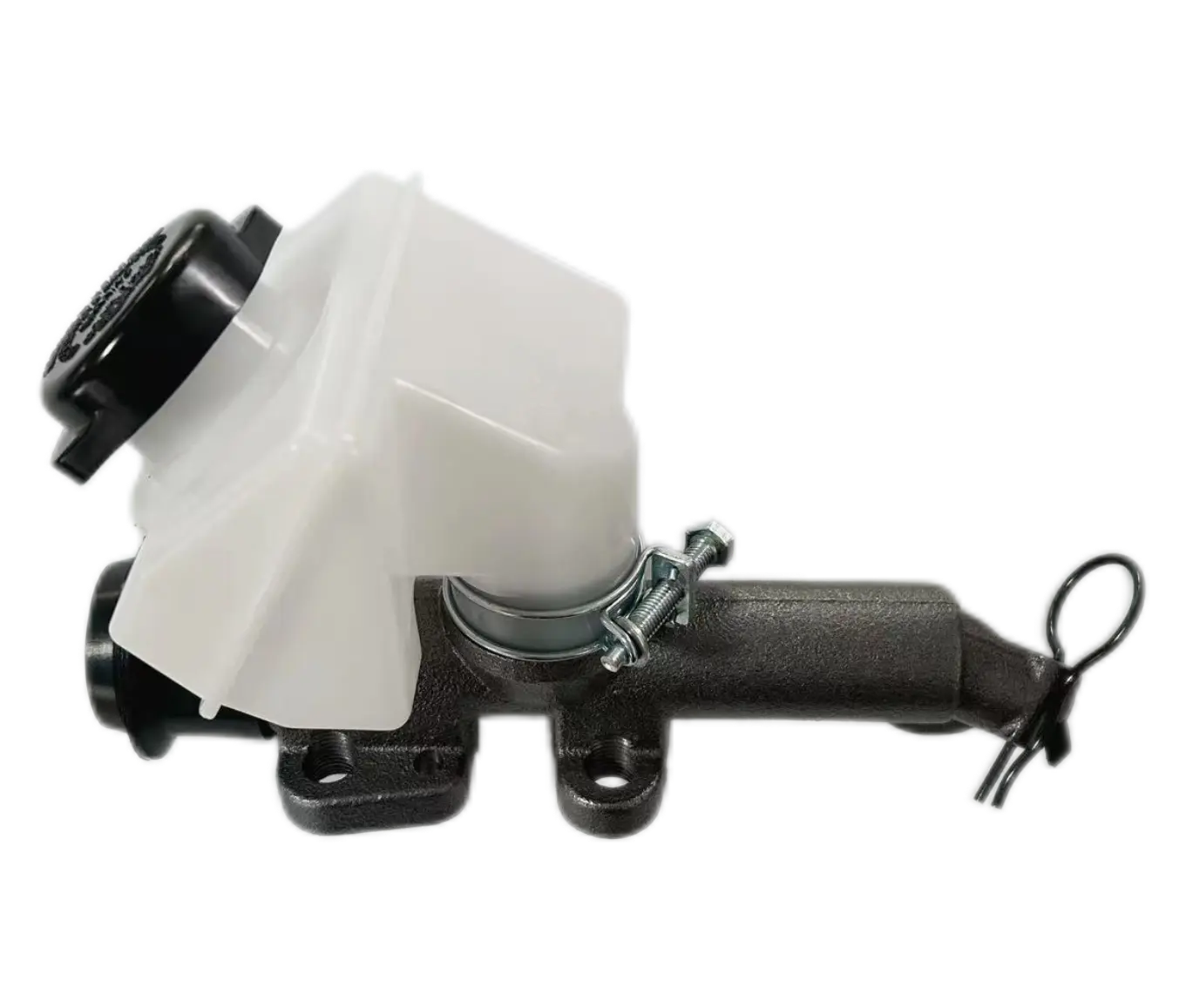
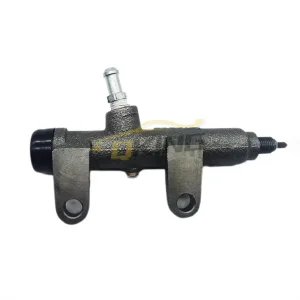
Delivers fluid pressure directly to the clutch release mechanism. Features smooth actuation and balanced pedal effort curves.
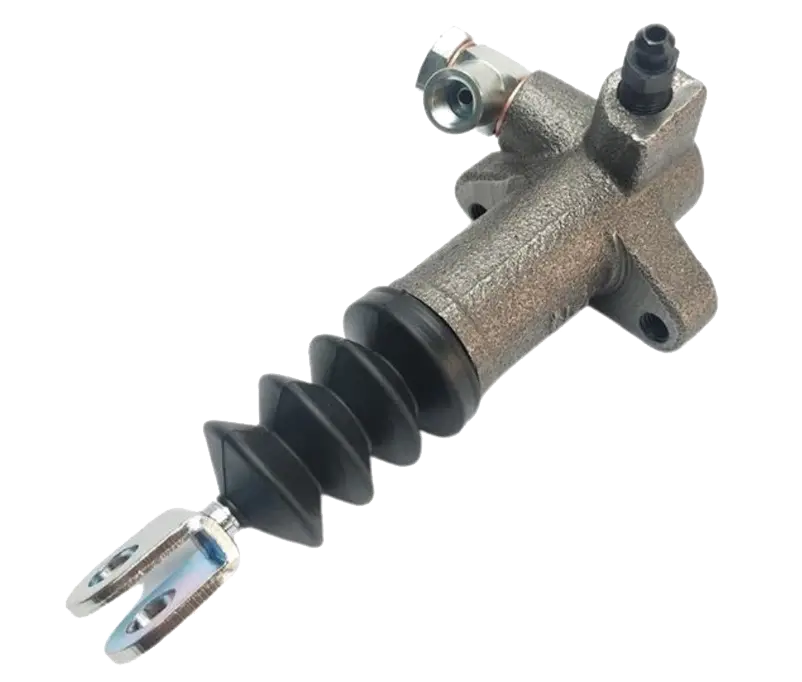
Works in tandem with the master cylinder to disengage clutches smoothly, reducing system wear in manual gearboxes.
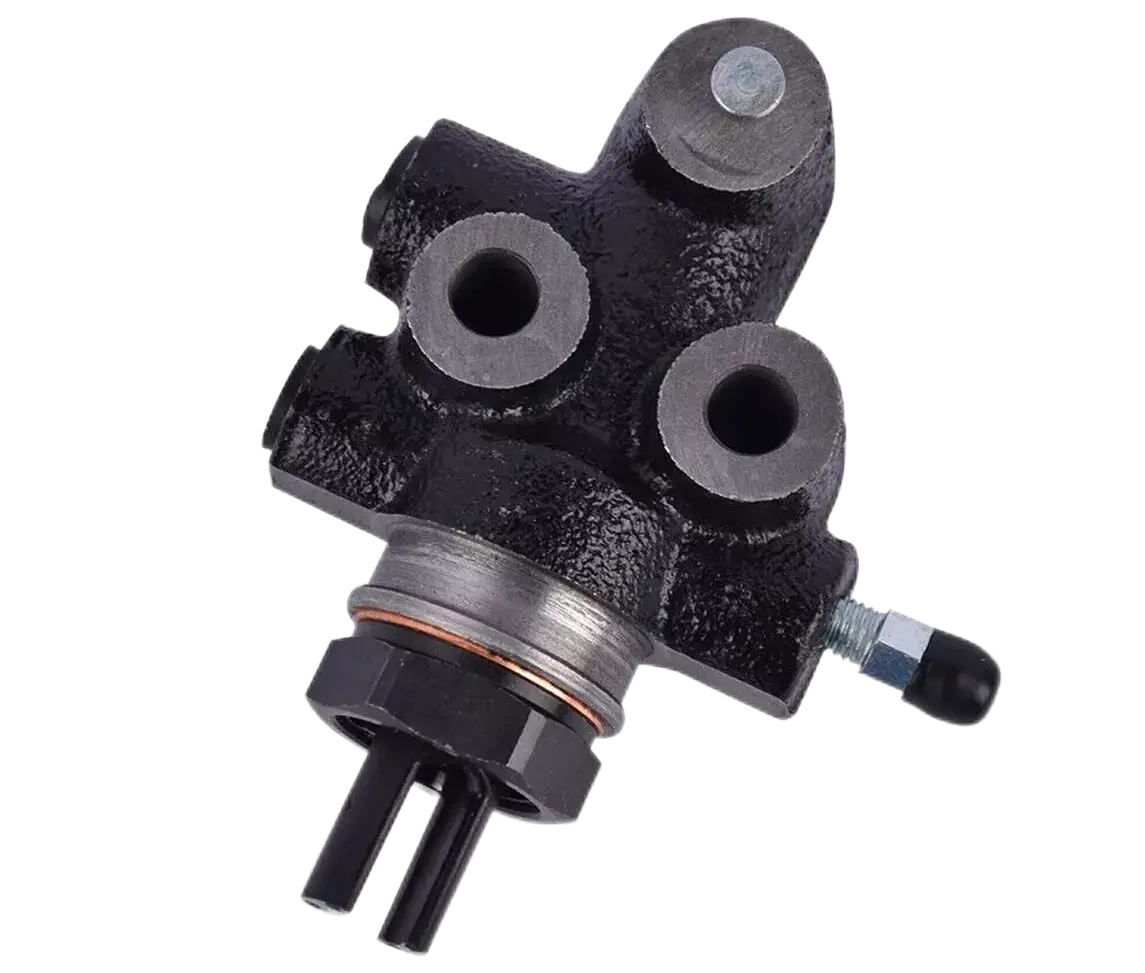
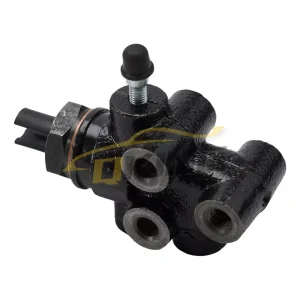
Controls hydraulic fluid distribution based on load sensing, preventing rear wheel lockup under severe braking loads.
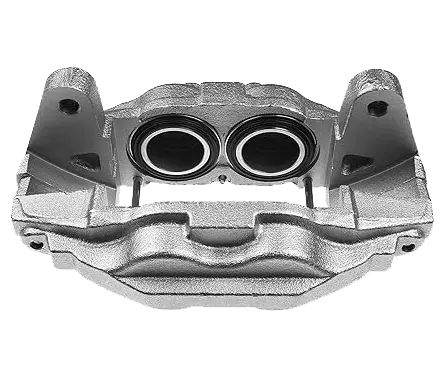
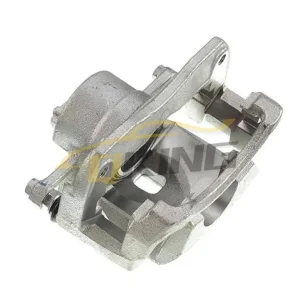
High durability caliper units designed to convert dynamic oil pressure into controlled frictional stopping force.
Factory Area
Yearly Capacity
Industry Experience
Skilled Employees
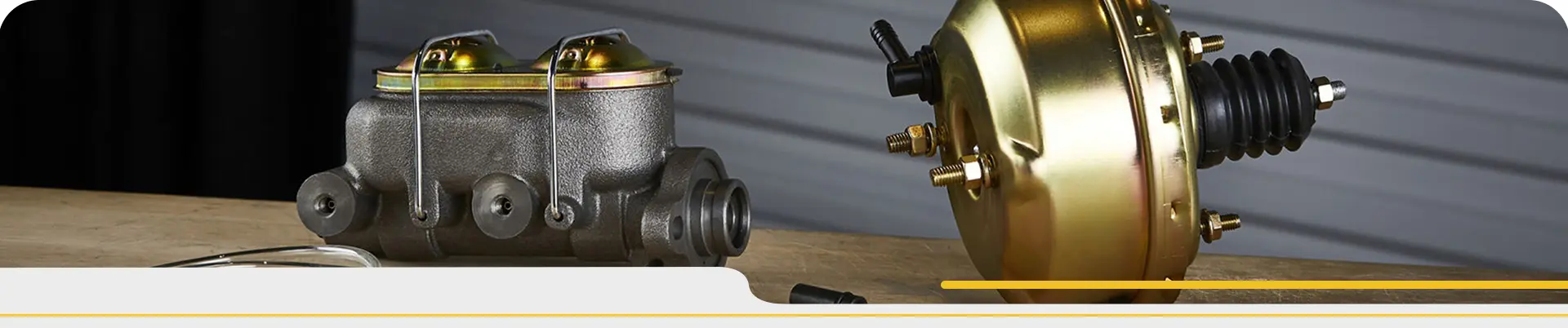

We are a highly specialized manufacturer and global supplier of safety-critical hydraulic brake parts. The founder has been deeply engaged in automotive brake systems since 1996. Our facility produces thousands of application-specific master and wheel cylinders to meet international vehicle fleet requirements.
A professional, highly integrated automotive manufacturer focused on long-term industrial partnerships.

6,000+ m² modern facility, 50+ staff, and robust manufacturing capacity exceeding 2,000,000 parts annually.

Equipped with advanced internal tooling and 100% hydraulic testing. We stand behind our work with a 2-year warranty.

Statistical process controls (SPC) ensure dimensional uniformity across high-volume production orders.

Dedicated R&D, quality control, precision machining, and logistics teams provide rapid turnaround times.
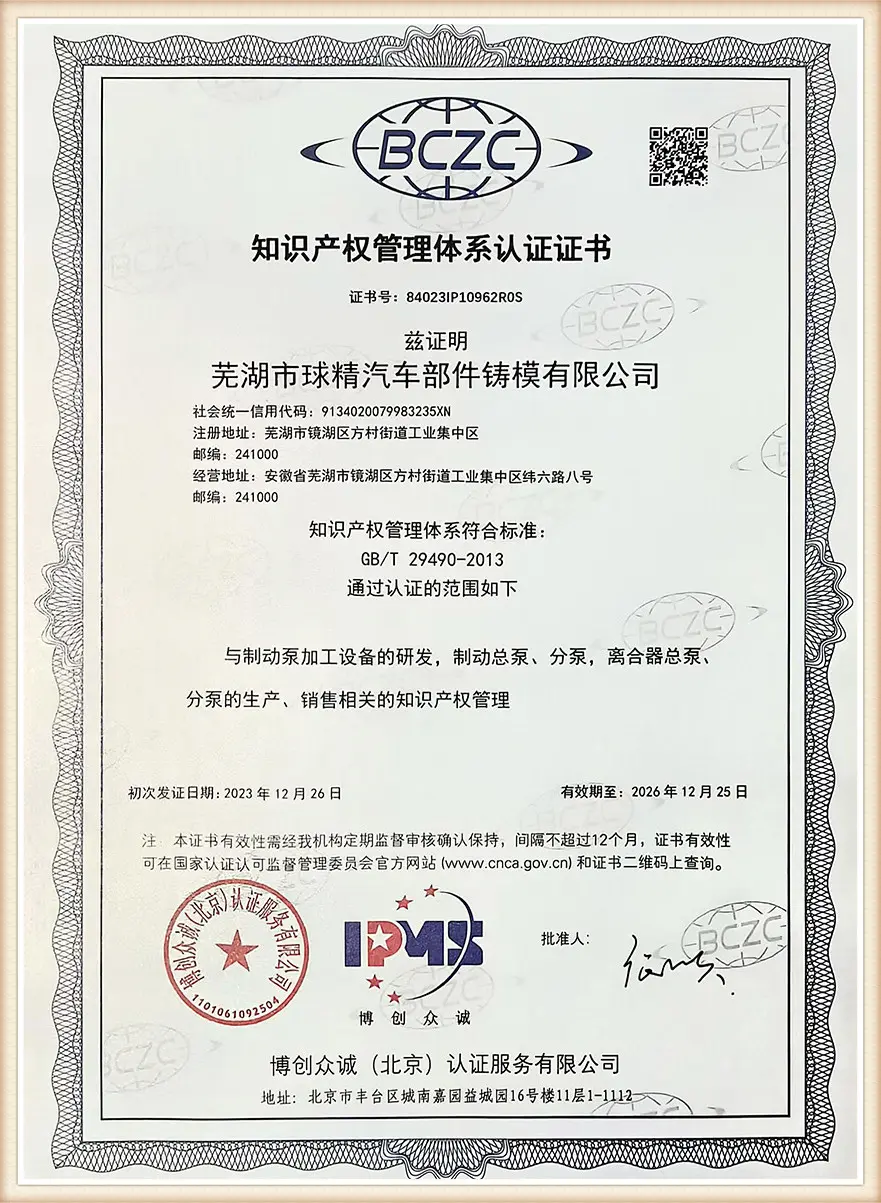
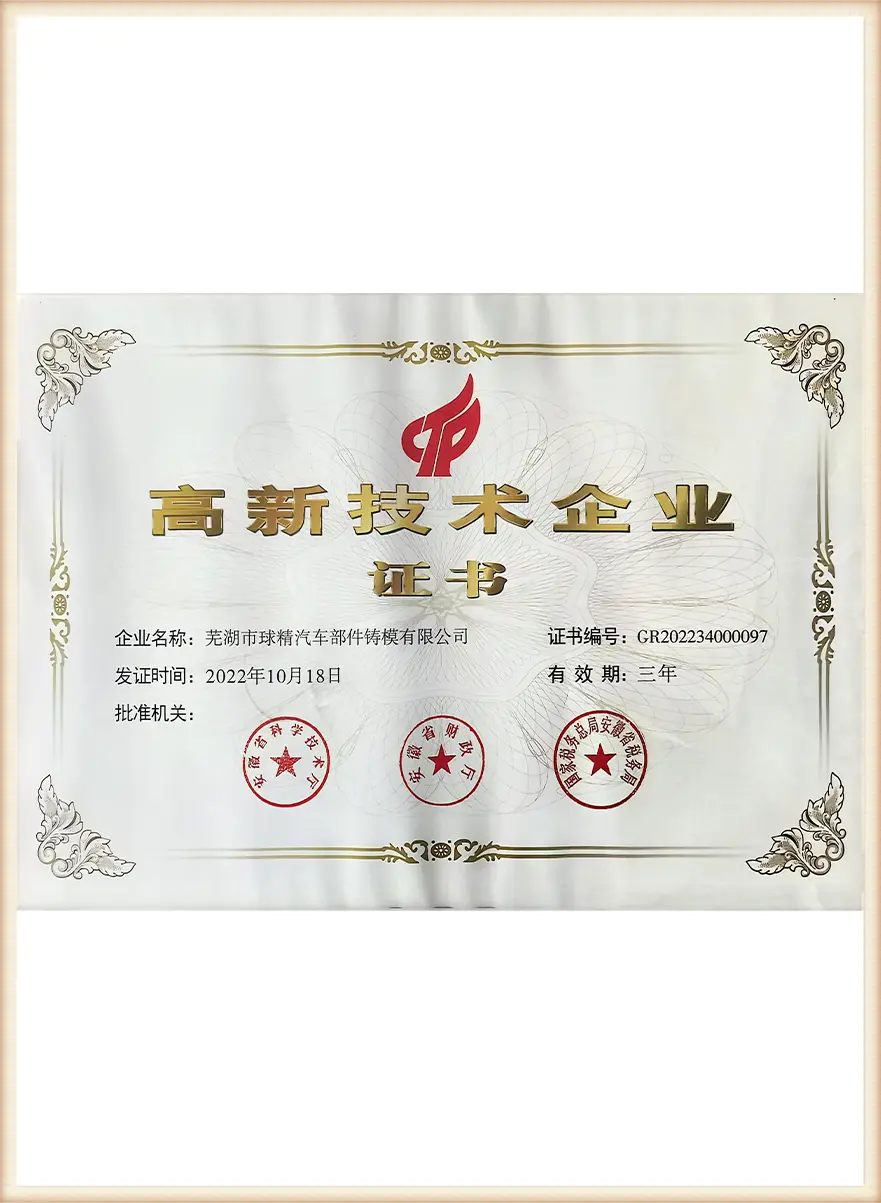
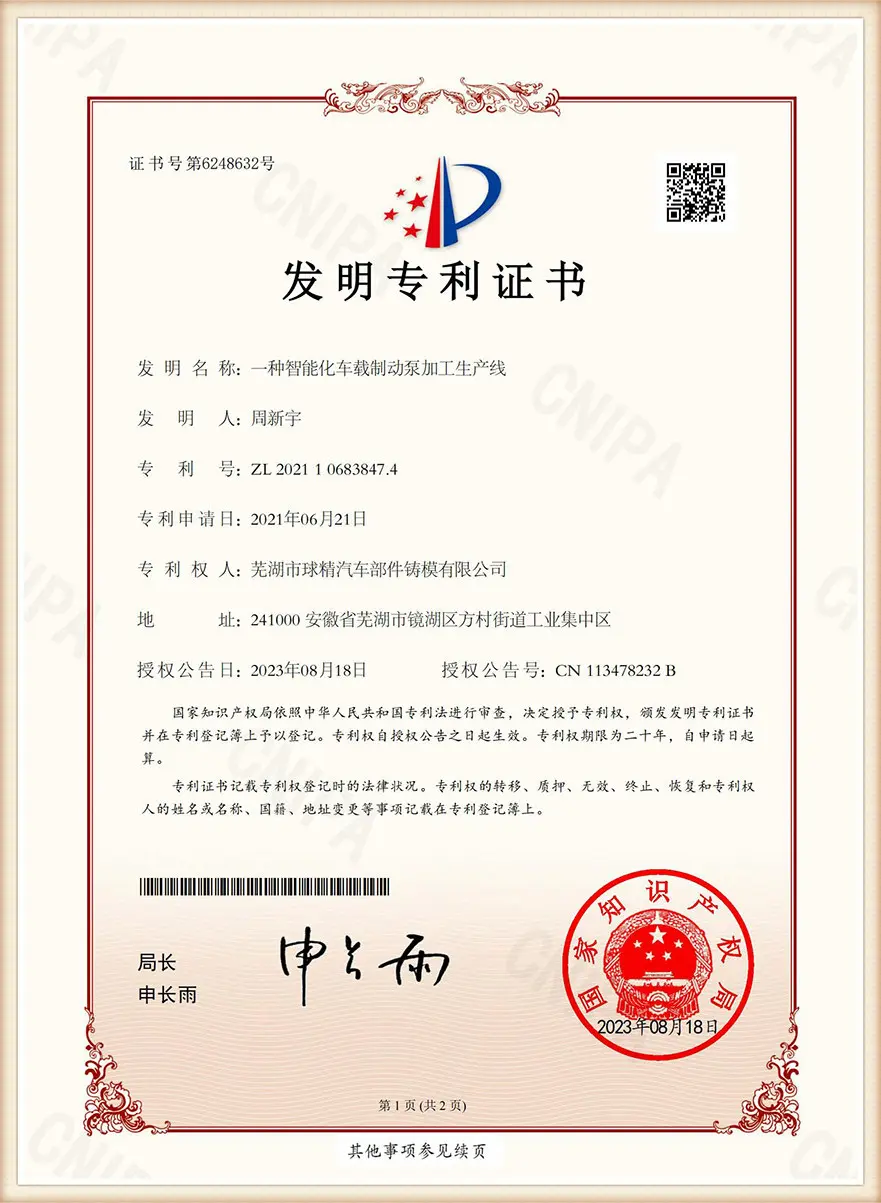
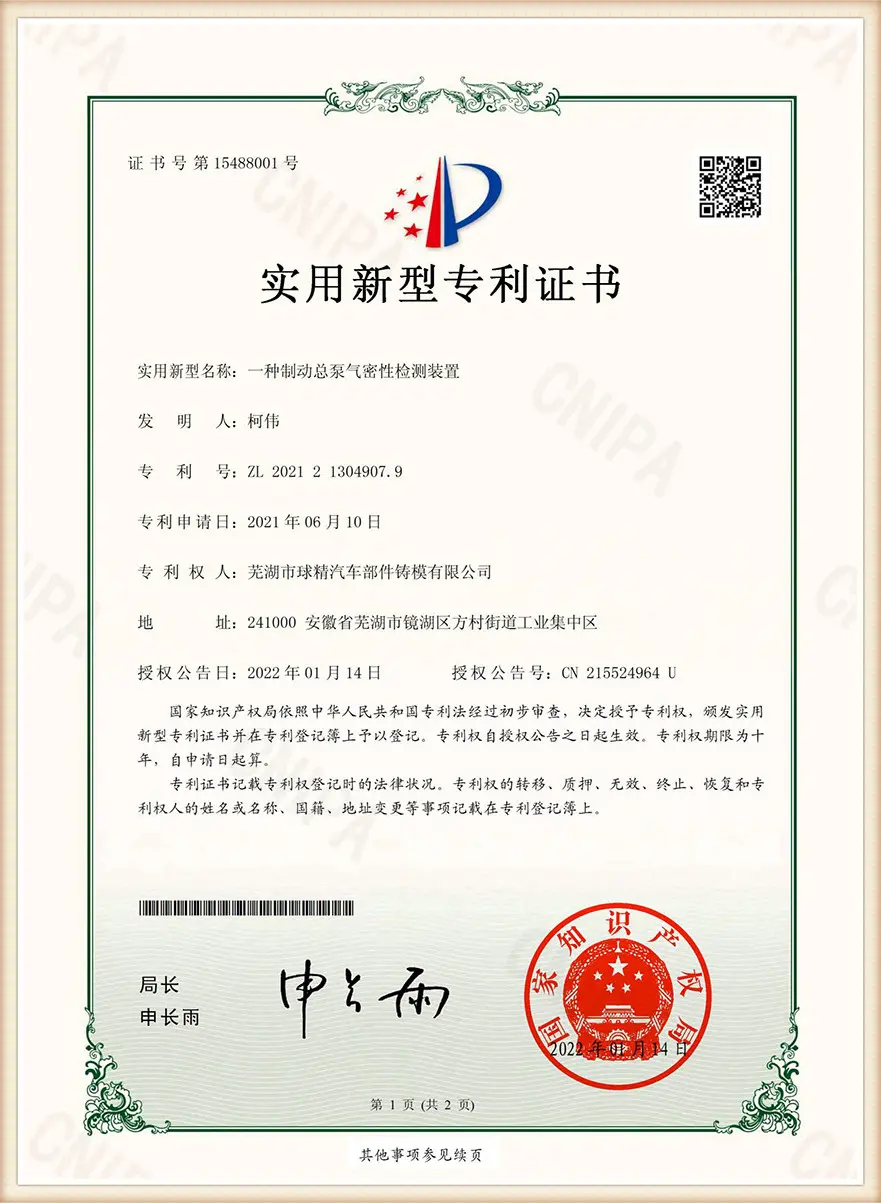
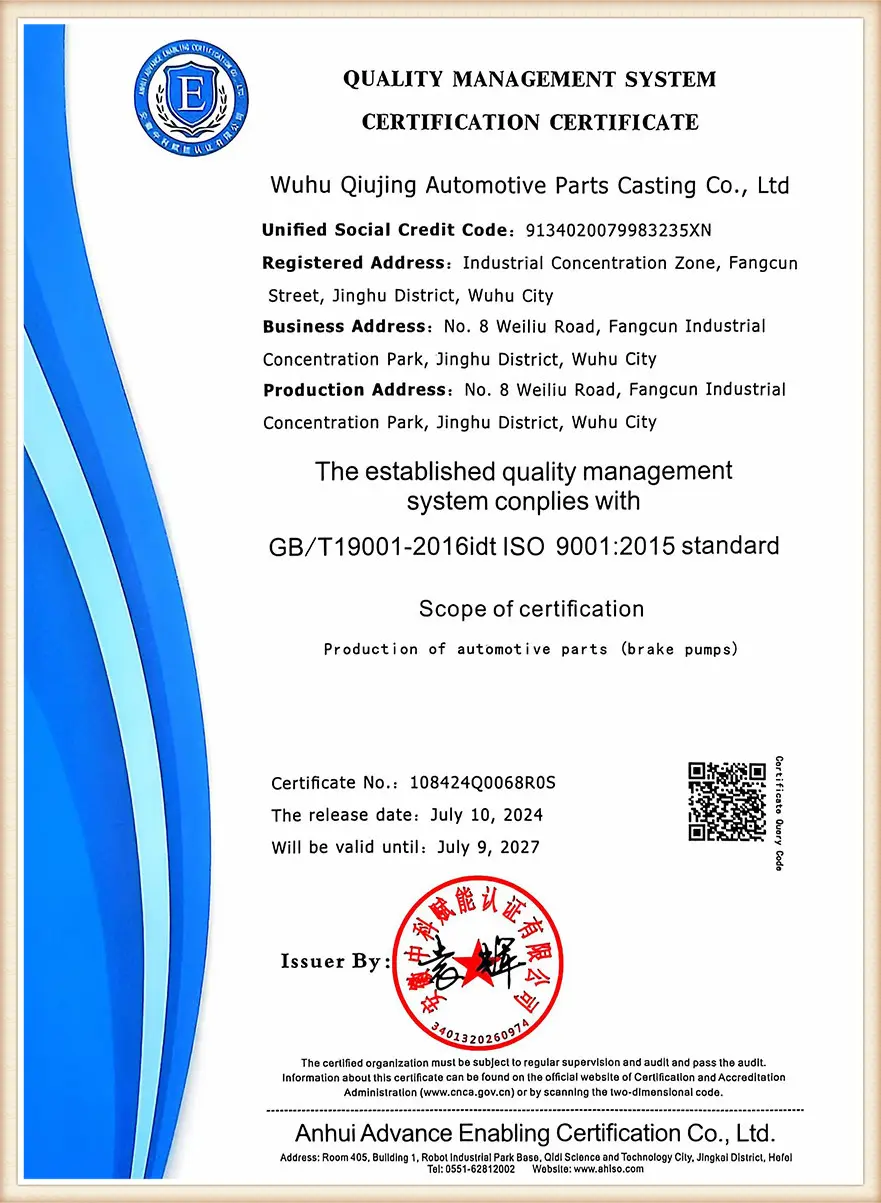
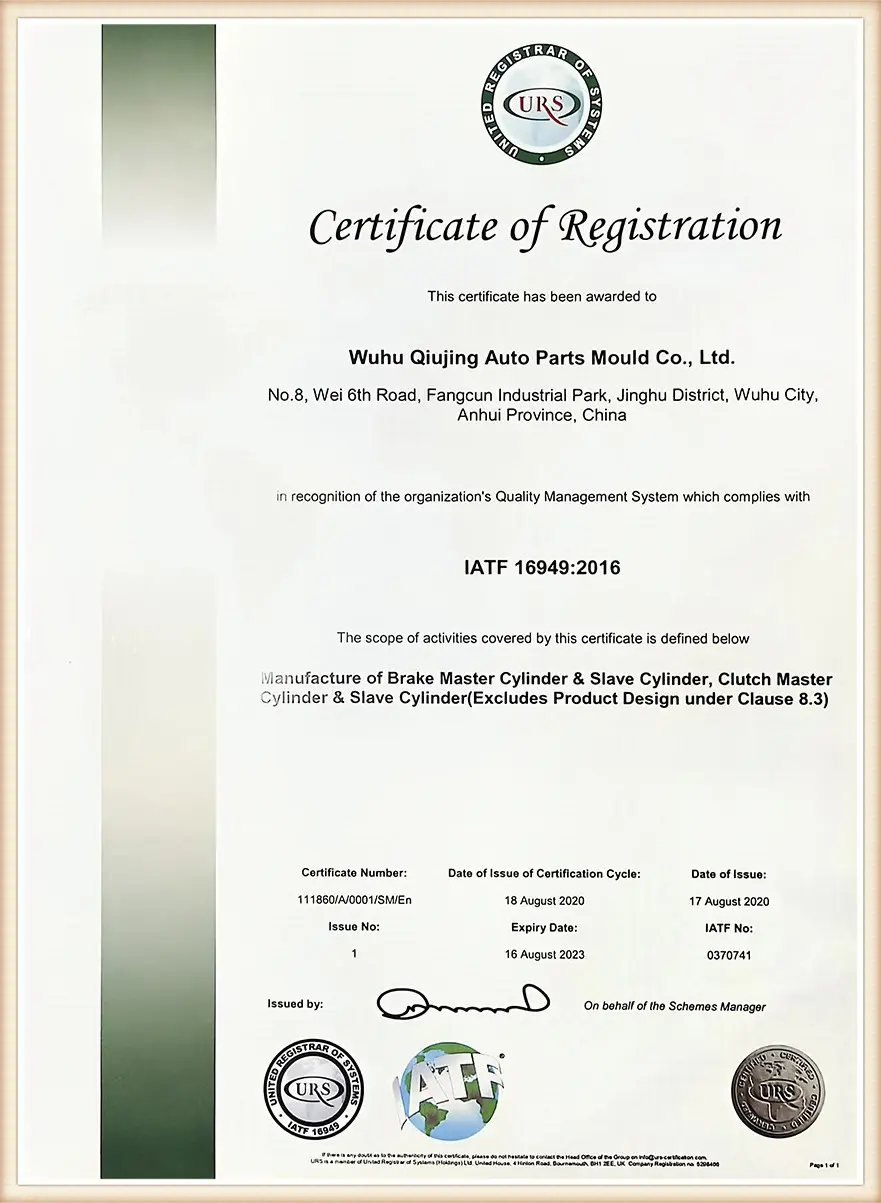
We comply with stringent global automotive regulations. Our testing processes are certified under standard manufacturing guidelines.
Expert answers to critical design and supply questions regarding brake master cylinders.
Every single unit undergoes automated low-pressure and high-pressure testing prior to leaving the line. This dynamic testing verifies pressure holding across primary and secondary circuits. We track assembly torque measurements to prevent structural distortion of the micro-honed bore.
EPDM (Ethylene Propylene Diene Monomer) rubber provides outstanding resistance to glycol-ether based brake fluids (DOT 3, DOT 4, and DOT 5.1). EPDM resists swelling and cracking under high operating temperatures, maintaining consistent seal performance throughout the vehicle's service life.
Yes. Our engineering department can adapt bore dimensions, reservoir mount options, and port threads (metric/imperial) based on sample components or custom CAD blueprints. This ensures seamless integration with custom and specialty fleet platforms.
Brake fade is typically caused by overheated pads and rotors rather than the cylinder itself. However, aluminum cylinders transfer heat away from the brake fluid faster than cast iron, reducing the risk of fluid boiling and pedal sponginess under heavy, repeated stopping conditions.
For standard OEM replacement batches, production ranges between 30 to 45 days depending on material availability. We ship out of major Chinese ports with customized crating to protect precision machined surfaces during transit.
Stay informed with the latest updates, engineering bulletins, and corporate milestones from our team.
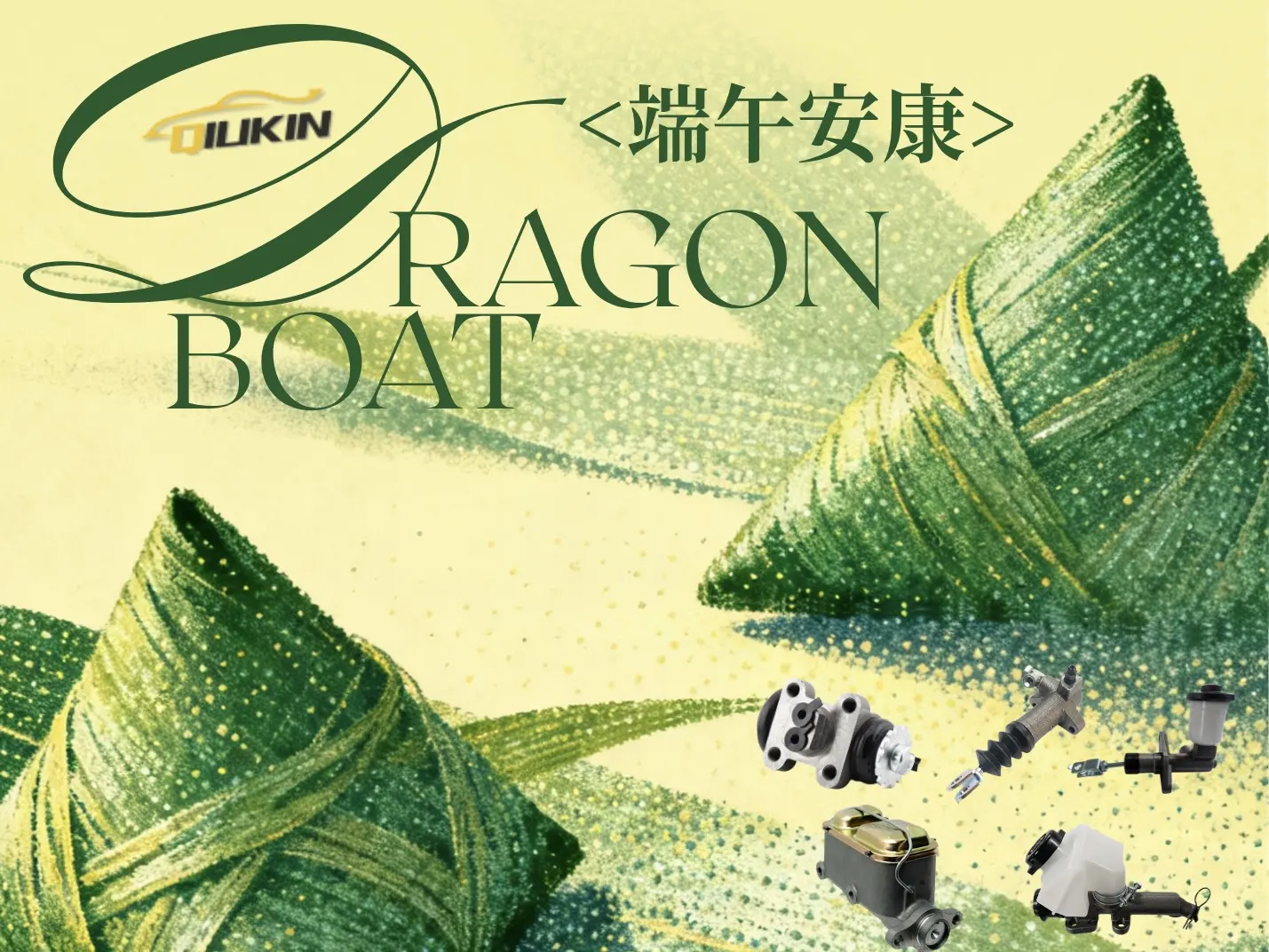
Read about our holiday schedule and how we maintain logistics coordination for international orders during seasonal breaks.

Following seasonal maintenance updates, our manufacturing lines are back online. We are ramping up capacity to meet Q2 order demands.
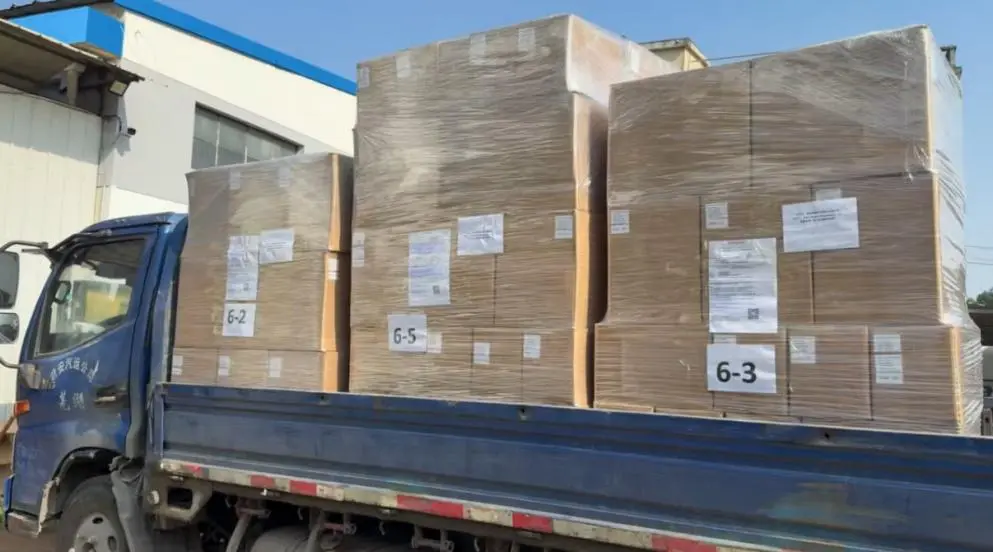
Our logistics and packing teams finalized large-scale OEM shipments to North American and European partners before the winter shutdown.
Browse our catalog of vehicle-specific proportioning valves, clutch systems, and wheel cylinders.

Submit your OEM part numbers, dimensional requirements, or material configurations to receive an accurate quote within 24 business hours.