
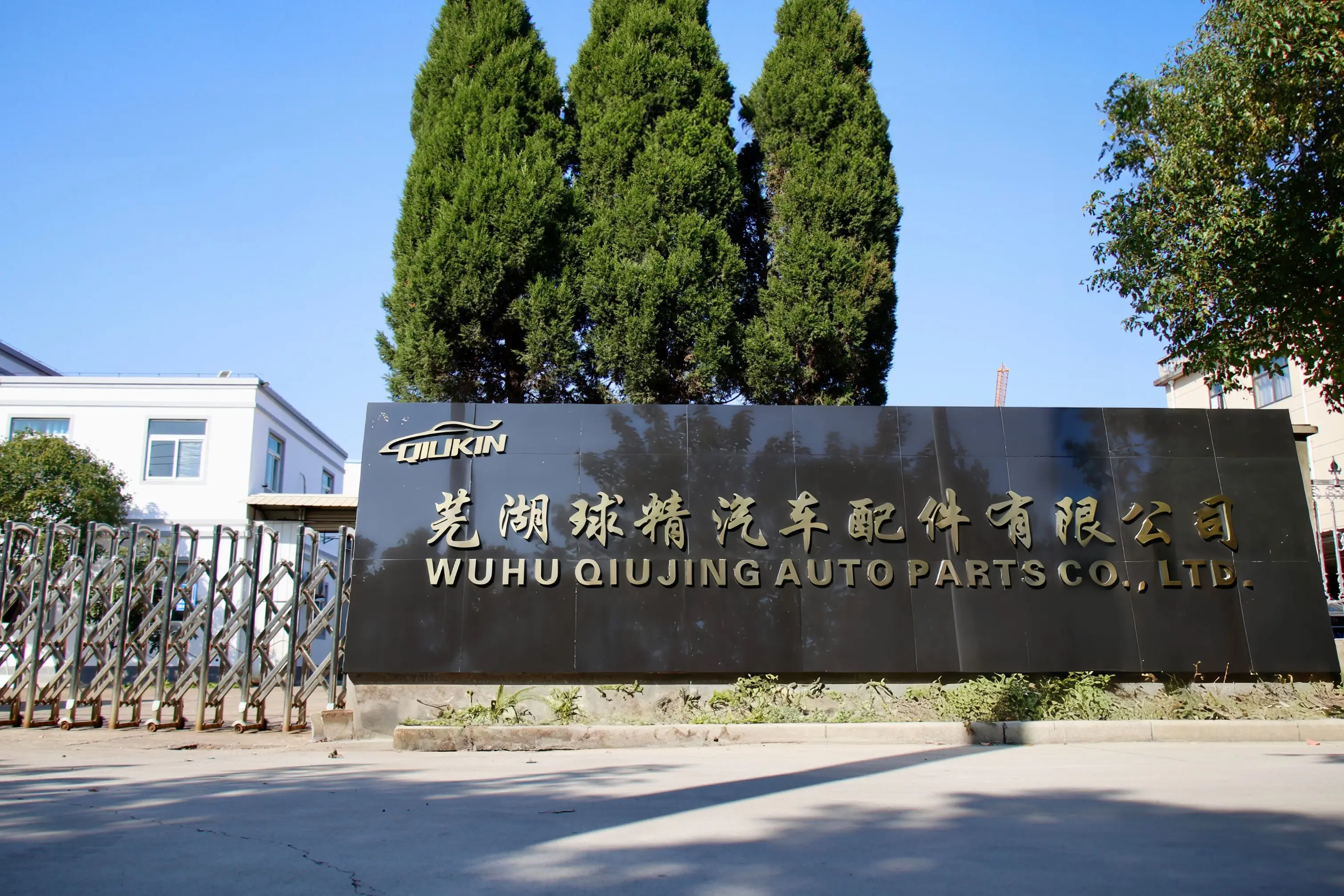
Engineering Standards & Sourcing Analysis for OEM 47201-28240
Deep-Dive Review on Metallurgical Integrity, Hydraulic Tolerances, and Global Market Demands
1. Introduction to OEM 47201-28240 Hydraulic System Architecture
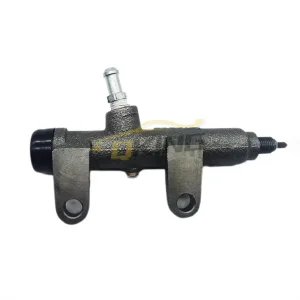
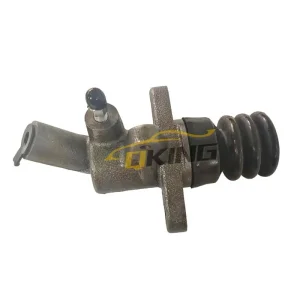
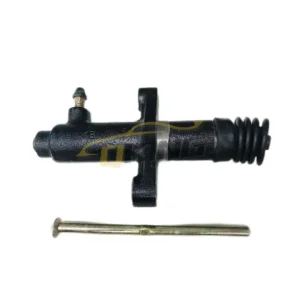
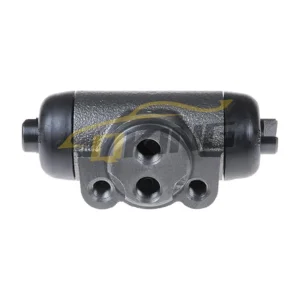
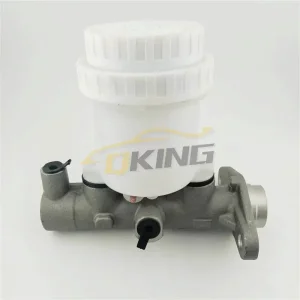
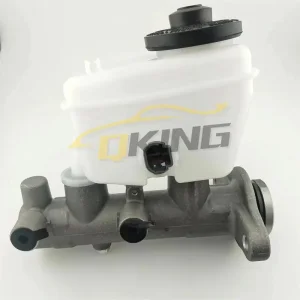
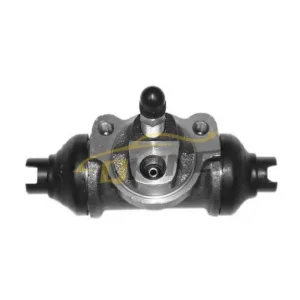
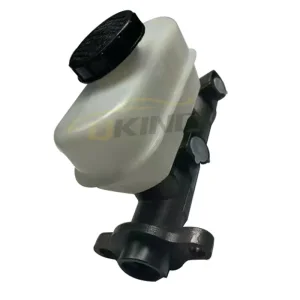
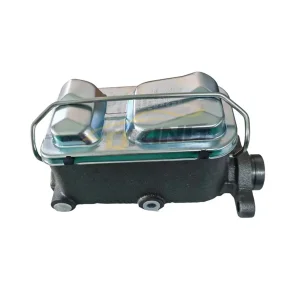
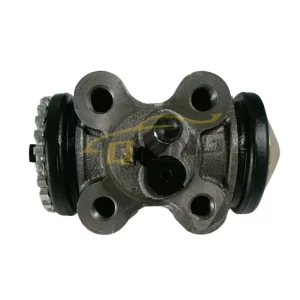
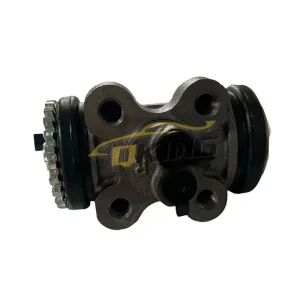
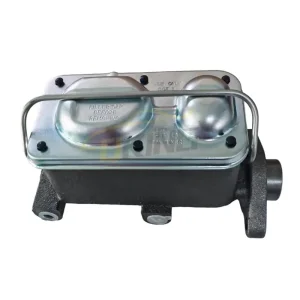
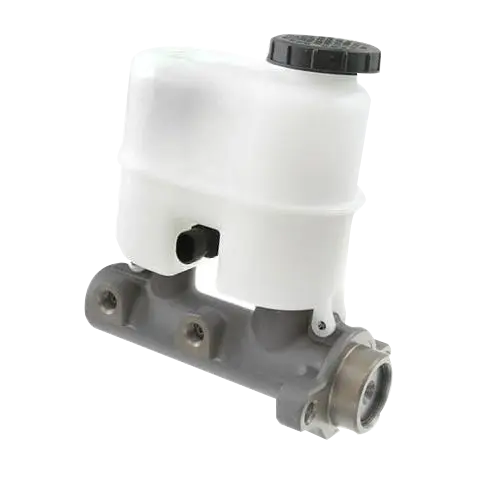
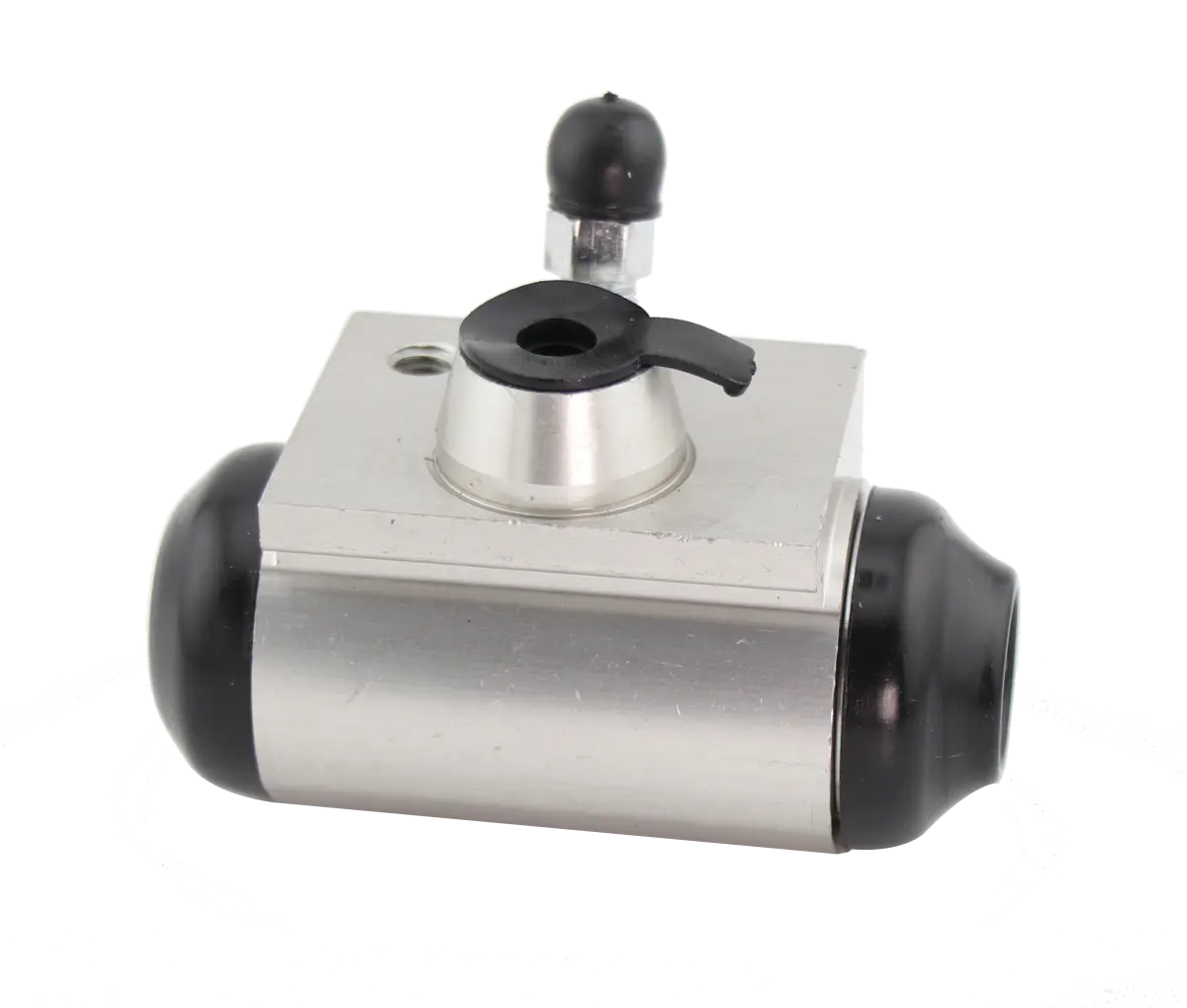
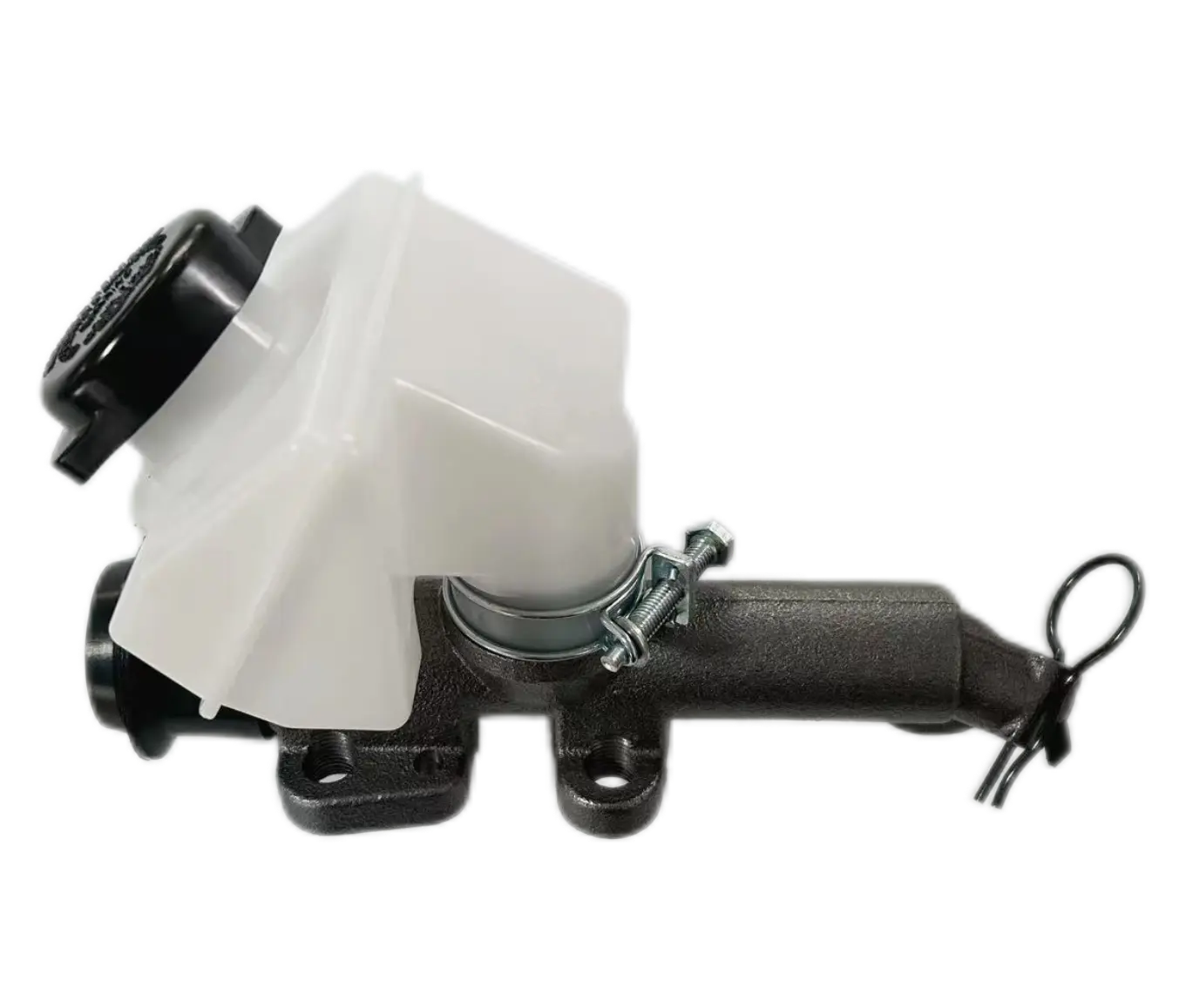
The OEM 47201-28240 is a highly critical, dual-port tandem brake master cylinder designed to regulate hydraulic pressure distribution across light-to-medium automotive chassis configurations. Acting as the primary pressure transducer within the hydraulic braking circuit, this component converts physical force applied via the brake pedal into kinetic pressure. It routes high-pressure brake fluid to the calipers and wheel cylinders, ensuring instantaneous vehicle deceleration under varied dynamic environments.
To achieve structural compliance with severe vehicle safety metrics, Wuhu Qiujing Auto Parts engineers the 47201-28240 with high-precision machining tolerances down to the sub-micron level. The inner bore is micro-honed to secure an ultra-smooth finish. This minimizes internal friction coefficient values, mitigates early deterioration of EPDM rubber seals, and prevents seal lip rollover under high backpressure cycles.
Key Performance Objective: The primary seal of the master cylinder must maintain structural integrity under instantaneous pressure loads exceeding 15 MPa while preserving zero-leakage metrics during standard operation down to -40°C.
2. Core Technical Specifications & Material Benchmarks
Understanding the metallurgical and polymer composition of the 47201-28240 master cylinder is crucial for global procurement teams evaluating total service life and product reliability.
| Performance Parameter | OEM Standard Baseline | Wuhu Qiujing Specifications | Verification Protocol |
|---|---|---|---|
| Bore Cylinder Material | Ductile Cast Iron / Al Alloy | Anodized High-Strength Aluminum Alloy | Spectrographic Material Assay |
| Bore Micro-Finish (Ra) | ≤ 0.25 μm | ≤ 0.15 μm (Precision Honed) | Laser Profilometer Inspection |
| Primary & Secondary Seals | Standard Nitrile / EPDM | Premium Grade EPDM (Ethylene Propylene) | Chemical Compatibility & Thermal Aging |
| Brake Fluid Compatibility | DOT 3 / DOT 4 | DOT 3, DOT 4, DOT 5.1 compliant | Long-term Immersion Testing |
| Burst Pressure Rating | ≥ 25 MPa | ≥ 32 MPa | Hydraulic Destruction Test |
3. Global Market Trends & Emerging Sourcing Demands
The global automotive aftermarket and OEM supply chain are experiencing a significant shift toward structural weight reduction and system consolidation. For hydraulic components like the 47201-28240, procurement officers are increasingly demanding parts that balance lightweight profiles with enhanced mechanical endurance. The adoption of high-performance aluminum alloys in place of traditional cast iron has emerged as a major trend, reducing overall unsprung mass and contributing to vehicle fuel efficiency and emission reductions.
Furthermore, globalized logistics chains have highlighted the need for strategic regional sourcing. Buyers in North America and Western Europe are looking for manufacturing partners that can guarantee not only technical compliance but also supply chain resilience. This has led to a rise in long-term procurement frameworks with verified Tier-1 and Tier-2 source factories that maintain extensive raw material reserves and automated manufacturing lines.
4. Macro Industry Solutions: Optimizing Braking Efficiency
Integrating a high-performance brake master cylinder like the 47201-28240 requires a macro-level understanding of the entire braking system. A master cylinder does not operate in isolation; it must be fully synchronized with the vehicle's Anti-lock Braking System (ABS), Electronic Stability Control (ESC), and regenerative braking systems in hybrid models.
At Wuhu Qiujing Auto Parts, we address these complex integrations by optimizing the pressure-volume (P-V) characteristics of our cylinders. By maintaining a highly stable P-V curve, we ensure that modern electronic braking controllers receive consistent hydraulic feedback, allowing for precise wheel slip control and shorter overall stopping distances.
5. Localized Support & Global Regulatory Compliance
Navigating global automotive markets requires strict adherence to international safety standards. Our production processes conform to key regulatory benchmarks, ensuring that our products can be seamlessly imported and distributed worldwide:
- Federal Motor Vehicle Safety Standards (FMVSS): Meets or exceeds FMVSS 106 and 116 for brake component safety and fluid compatibility.
- Society of Automotive Engineers (SAE): Engineered in compliance with SAE J1153 and J1154 performance standards.
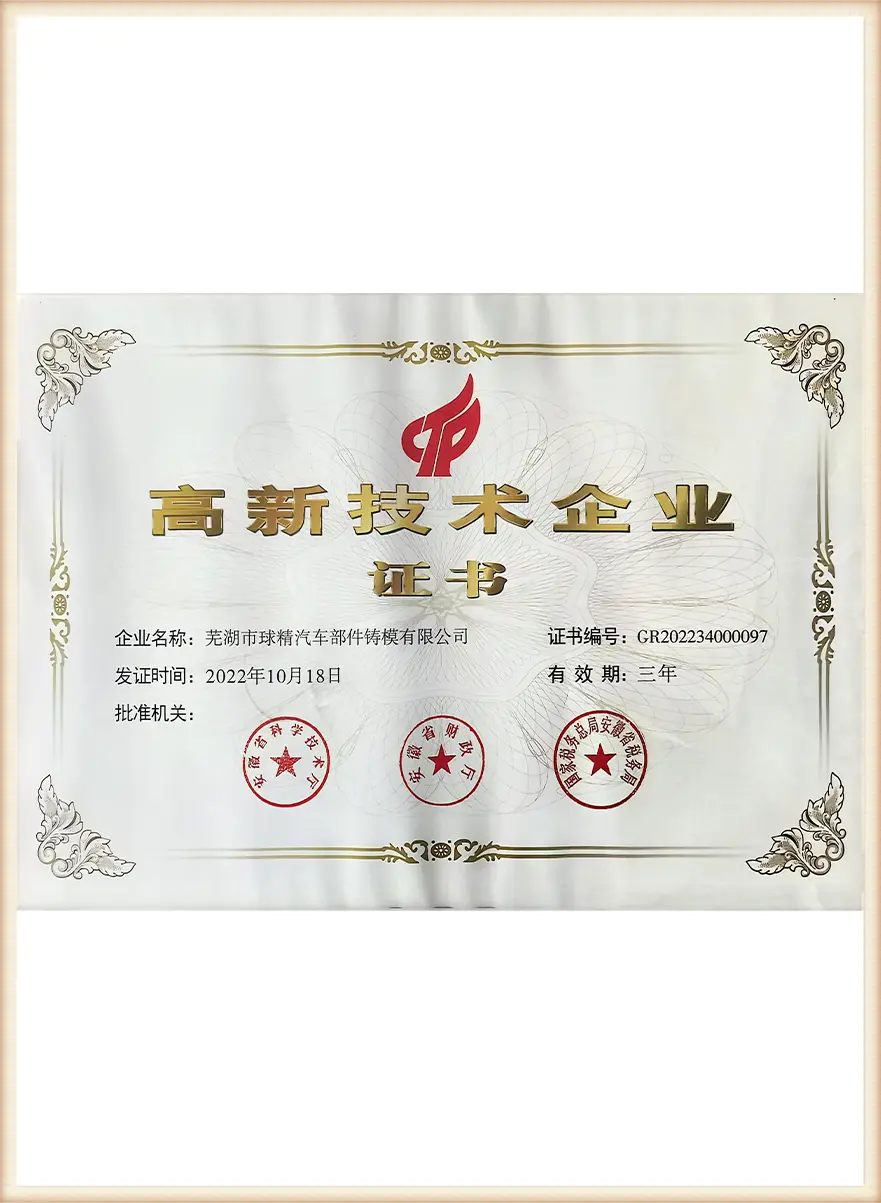
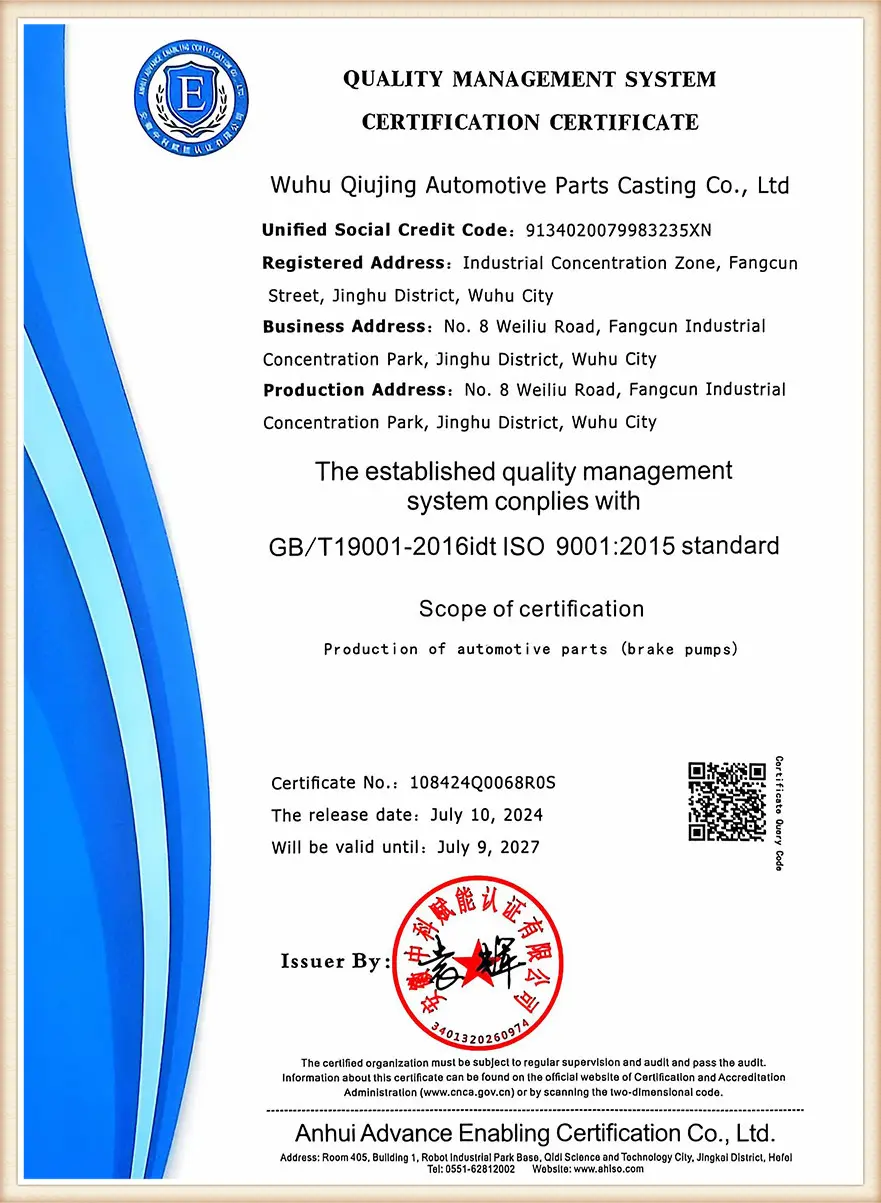
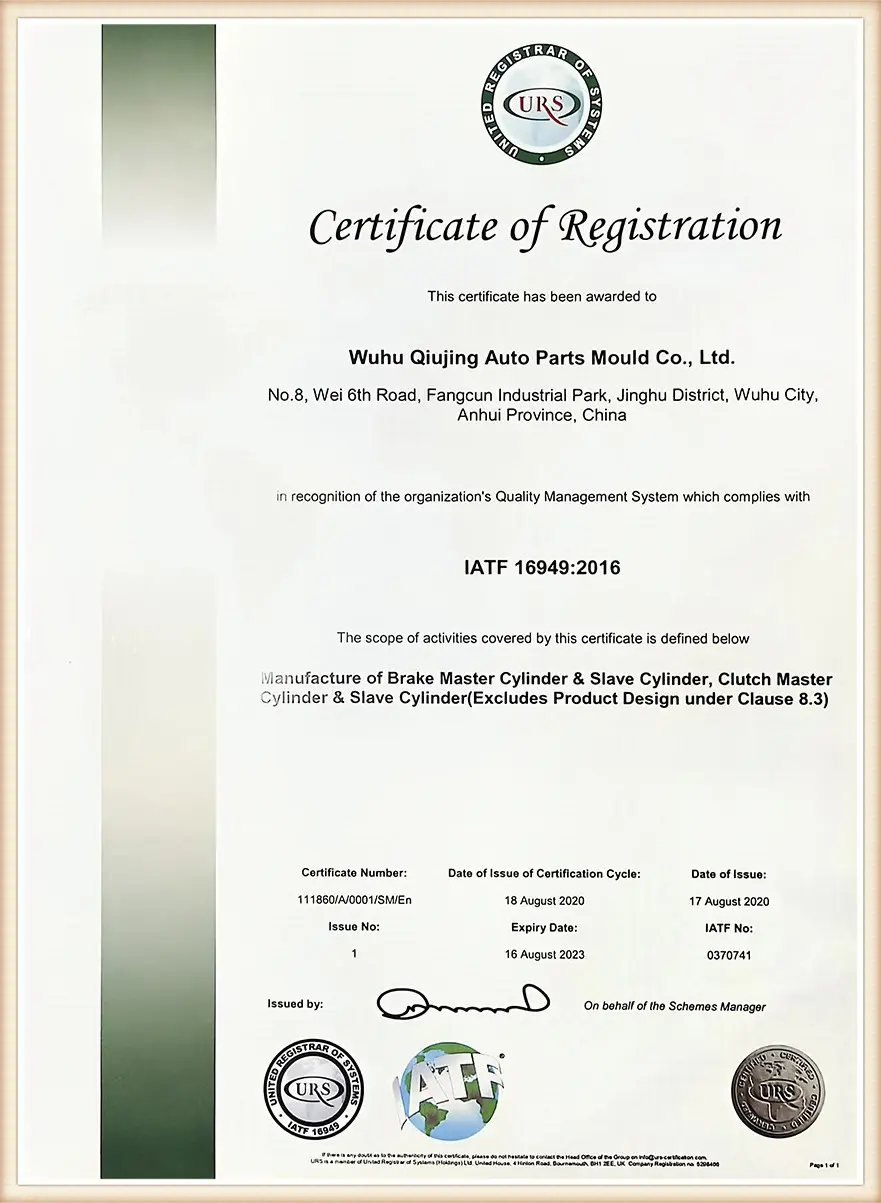
- IATF 16949:2016: Ensuring rigorous quality gatekeepers at every phase of the manufacturing process.
To support our international clientele, we offer comprehensive documentation, including detailed material test reports, PPAP (Production Part Approval Process) Level 3 documentation, and localized logistics support to manage import clearance and regional warehousing requirements.
6. Technical Roadmap & Future Outlook of Hydraulic Control Systems
As the automotive sector transitions toward electrification and autonomous driving, the demand for traditional hydraulic master cylinders is shifting toward electromechanical brake boosters (EBB) and "brake-by-wire" architectures. However, hydraulic backup systems remain a safety requirement.
Our technical roadmap for the 47201-28240 and related product lines focus on the integration of smart sensors directly into the cylinder body to monitor fluid level, temperature, and piston displacement in real-time. Additionally, we are actively researching eco-friendly plating processes, such as trivalent chromium coatings, to minimize the environmental footprint of our surface finishing operations.