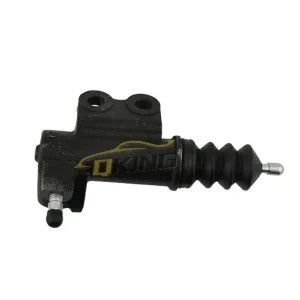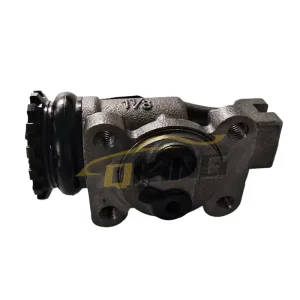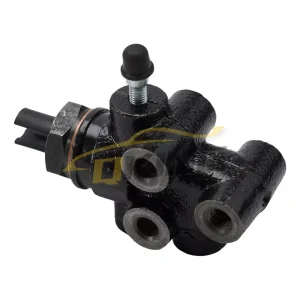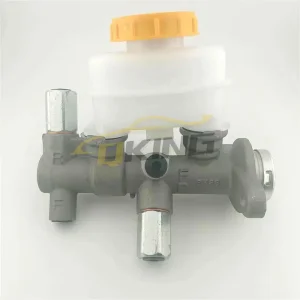
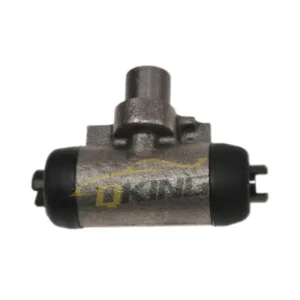
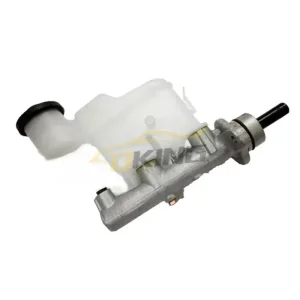
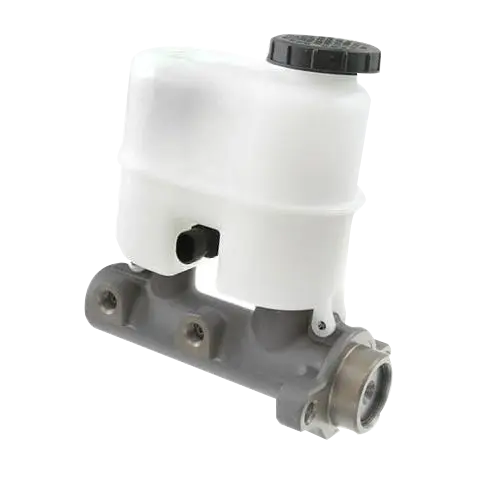
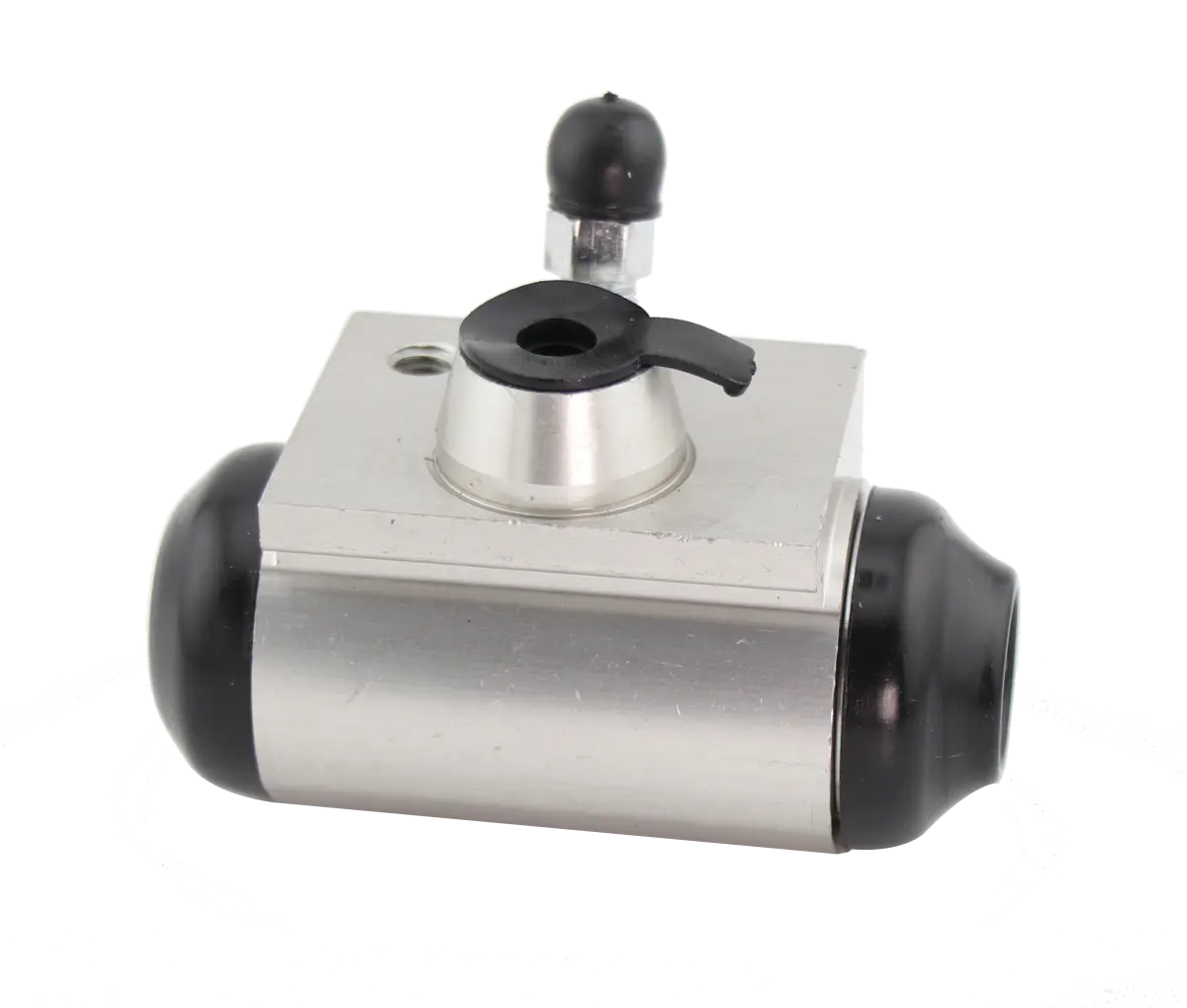
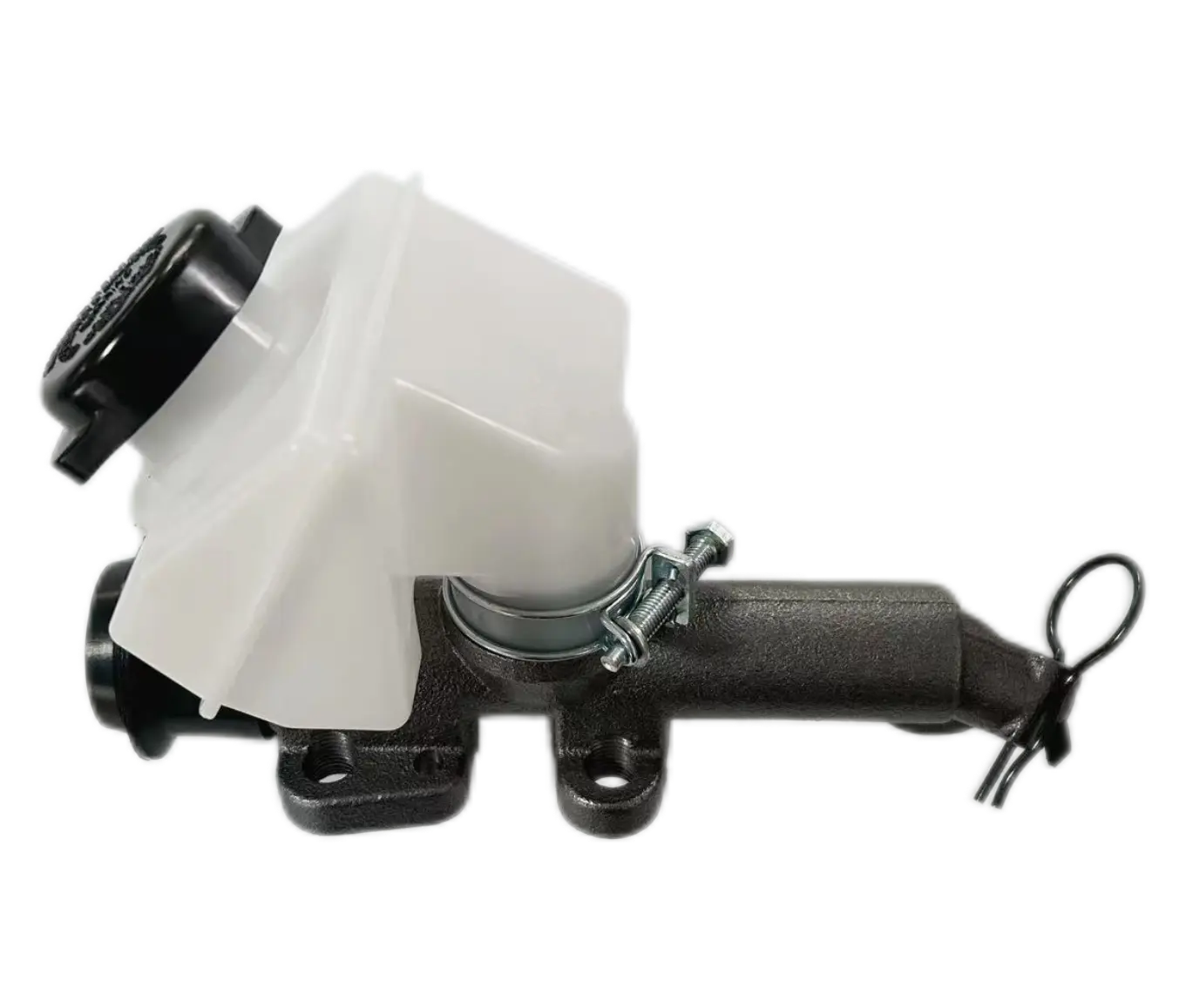
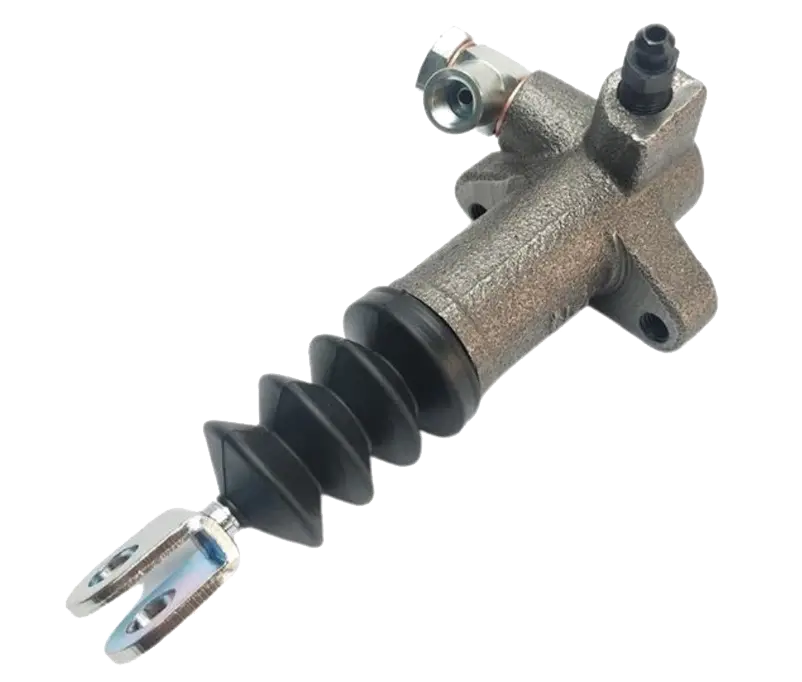
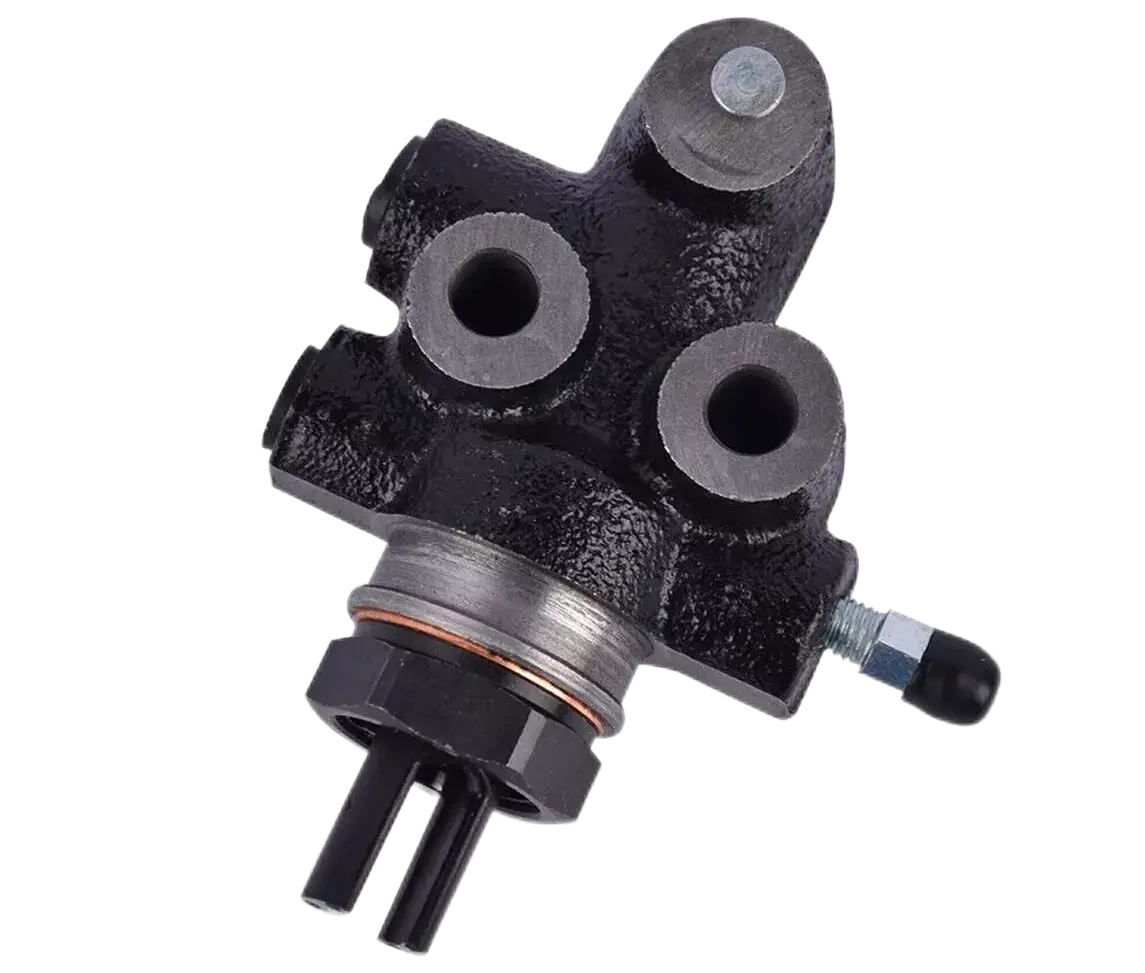
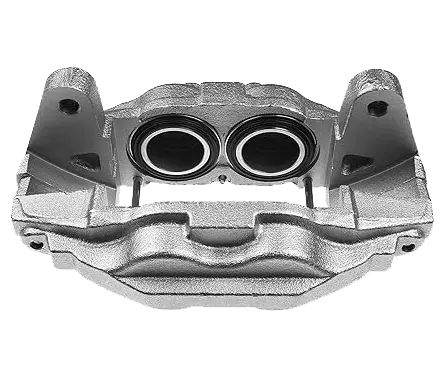
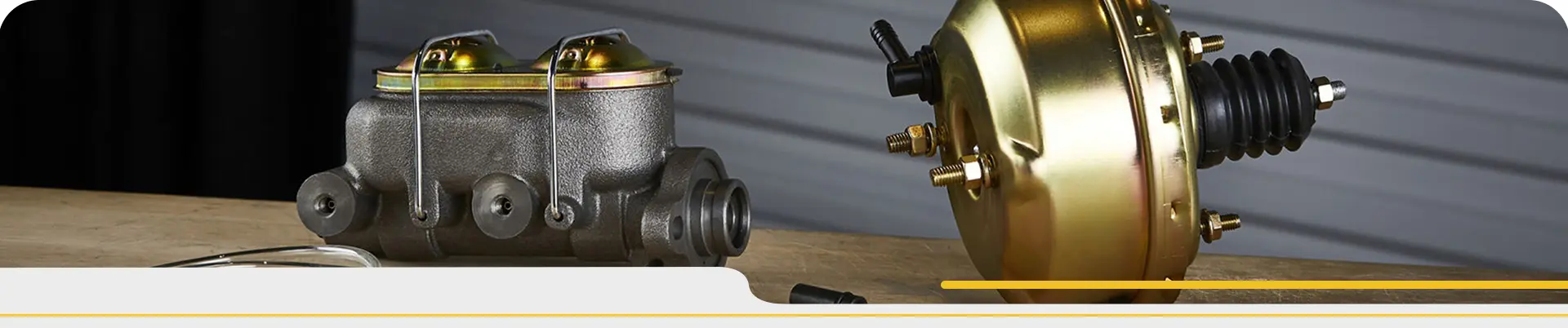



Whitepaper: High-Quality Master Cylinder Engineering and Installation
An Industry Study on Hydraulic Precision, OEM Compliance, Supply Chain Resilience, and Installation Protocols.
1. Evolution and Technical Advancements in Hydraulic Braking
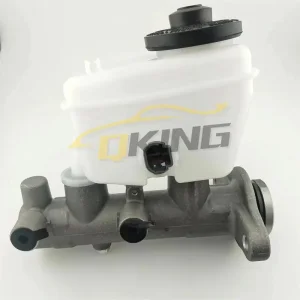
Automotive hydraulic braking has evolved beyond simple mechanical linkages. Modern vehicles require precise force transmission models. This is especially true with the integration of Advanced Driver Assistance Systems (ADAS) and Electronic Stability Control (ESC). These systems rely on active braking, which places high demands on the responsiveness and fatigue resistance of the master cylinder.
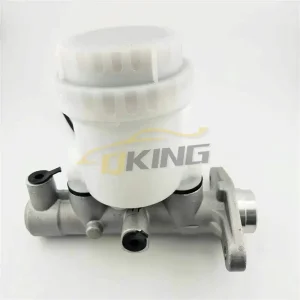
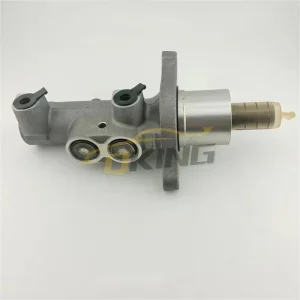
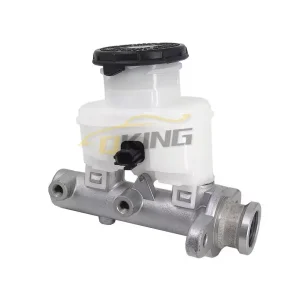
To meet these requirements, manufacturers are shifting from traditional heavy cast-iron bodies to lightweight, anodized aluminum alloys. Aluminum master cylinders reduce component weight by up to 45% while maintaining the strength to handle high-pressure cycles. The interior bore of the cylinder must feature a micro-finish roughness (Ra) of less than 0.2 µm. This minimizes wear on primary and secondary EPDM seals during millions of strokes, preventing internal fluid bypass and pressure drop.
2. Global Sourcing Dynamics and OEM Specifications
Global purchasing managers face multiple challenges: rising raw material costs, supply chain bottlenecks, and varying regional compliance rules. For critical safety components like brake master cylinders, procurement teams prioritize vendors with verified manufacturing qualifications.
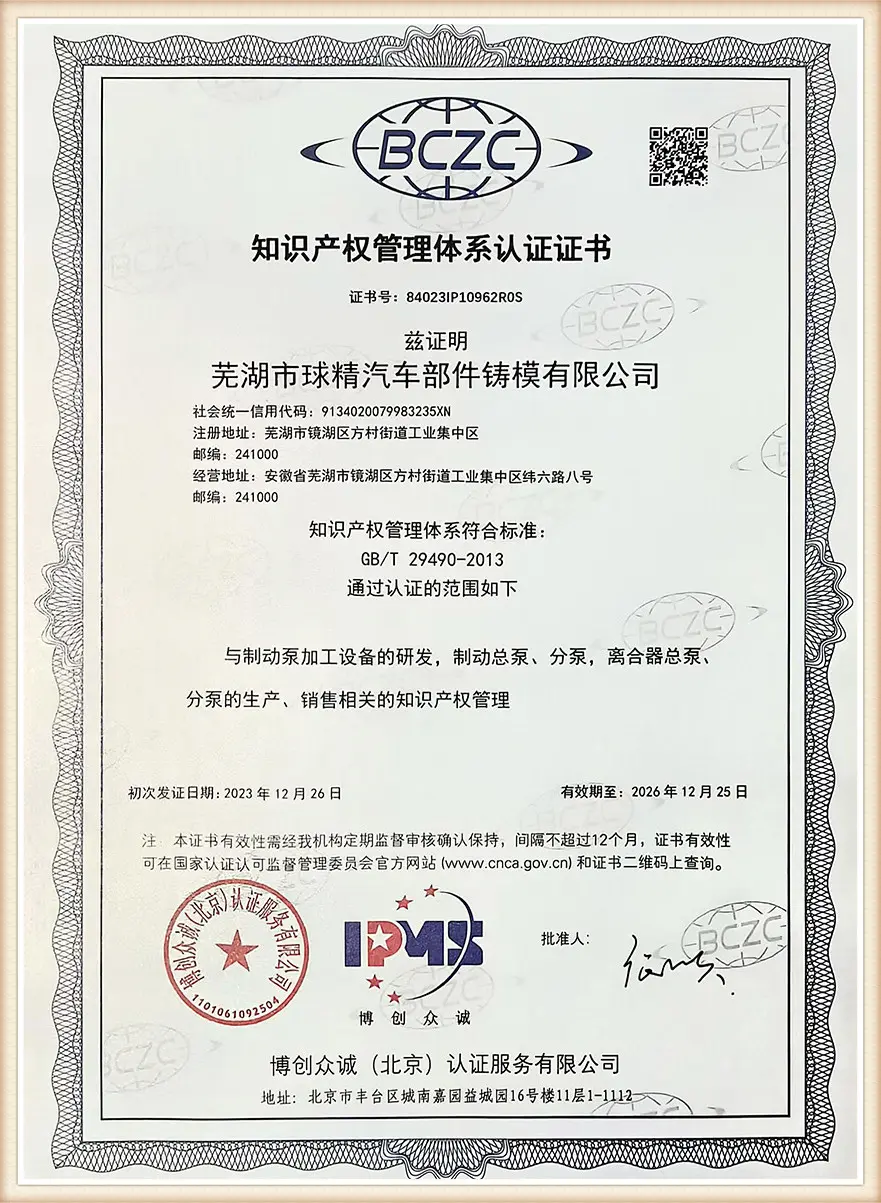
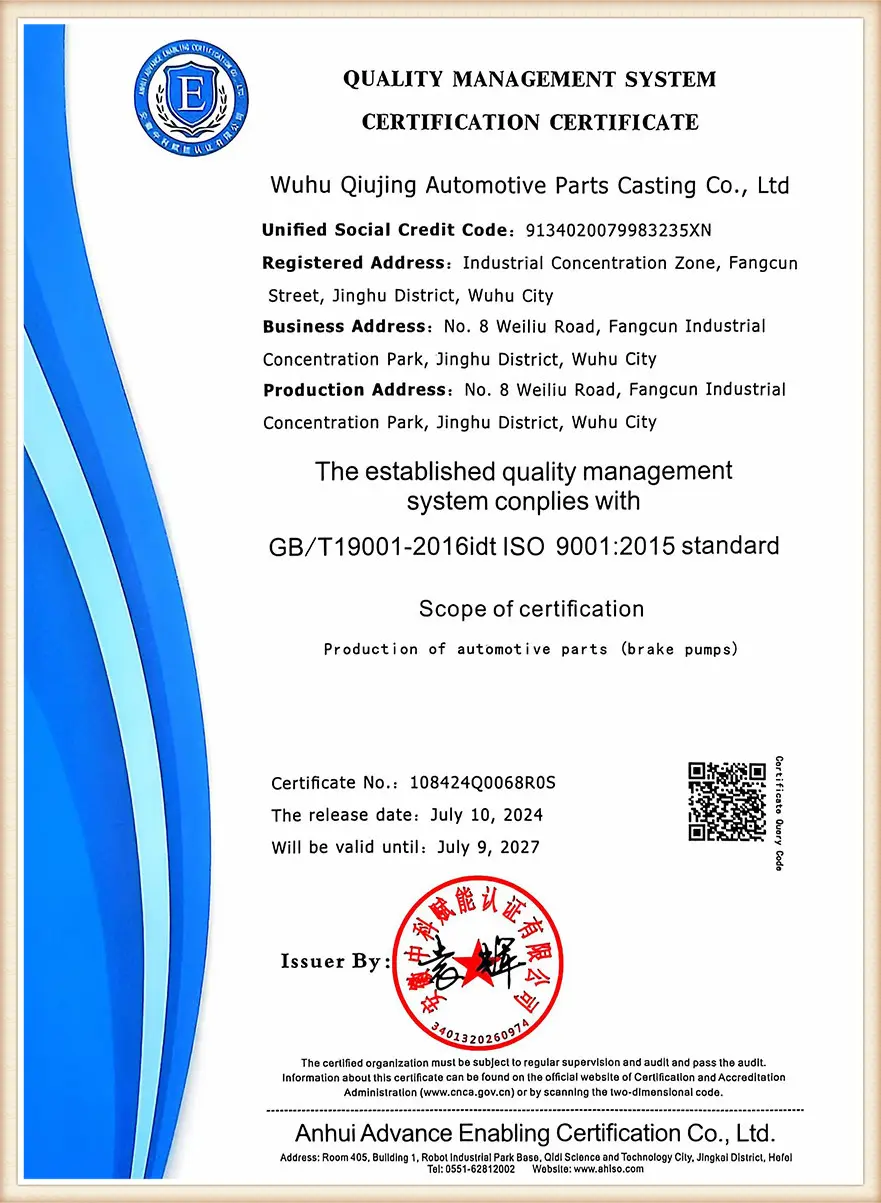
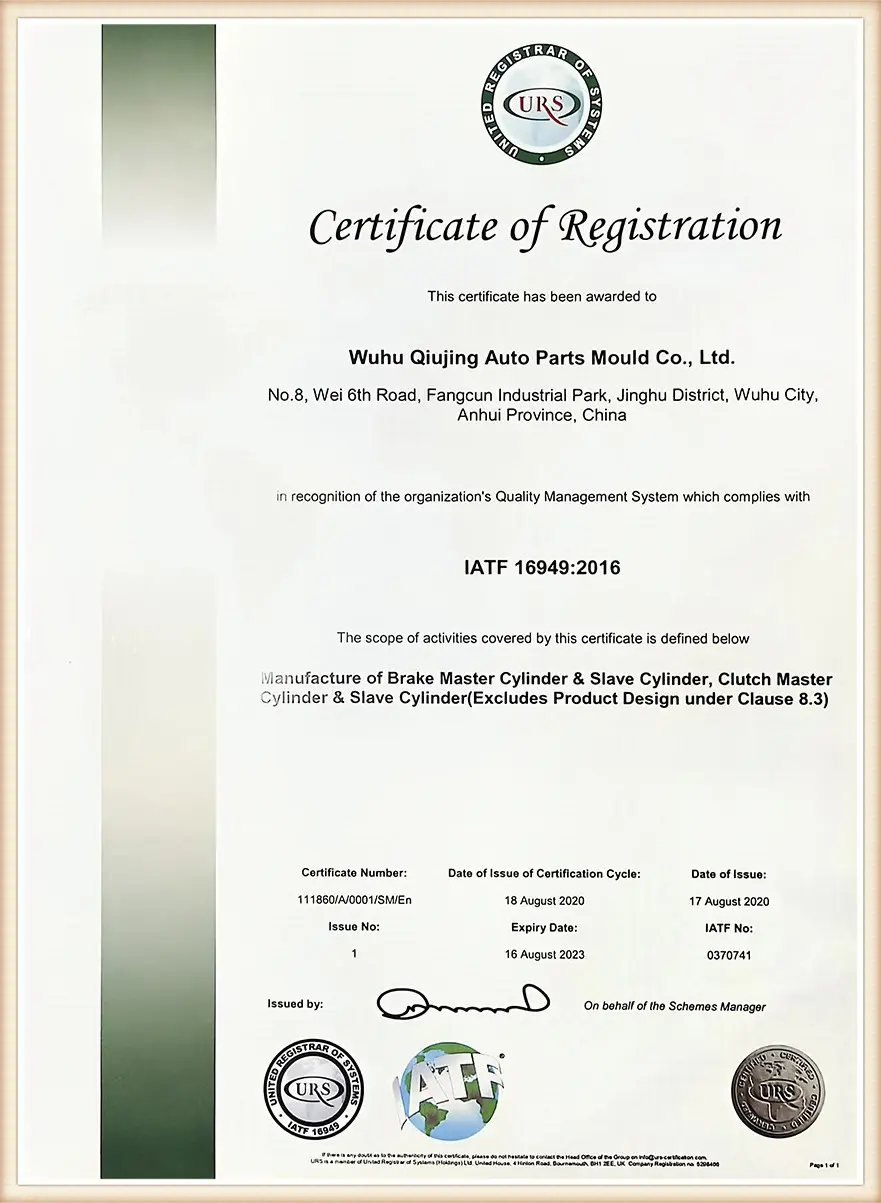
A reliable B2B supply partner must maintain a certified quality management system, such as IATF 16949:2016 and ISO 9001:2015. These standards ensure traceability from raw aluminum ingots to the final assembled product. This level of verification is essential for risk mitigation in high-stakes industries like automotive distribution, fleet management, and heavy equipment manufacturing.
3. China Factory 4.0: Supply Chain Resilience and Manufacturing Precision
The Yangtze River Delta region, particularly manufacturing hubs like Wuhu, plays a vital role in the global automotive supply chain. Factories leveraging China Factory 4.0 frameworks combine automated machining with smart supply chain tracking.
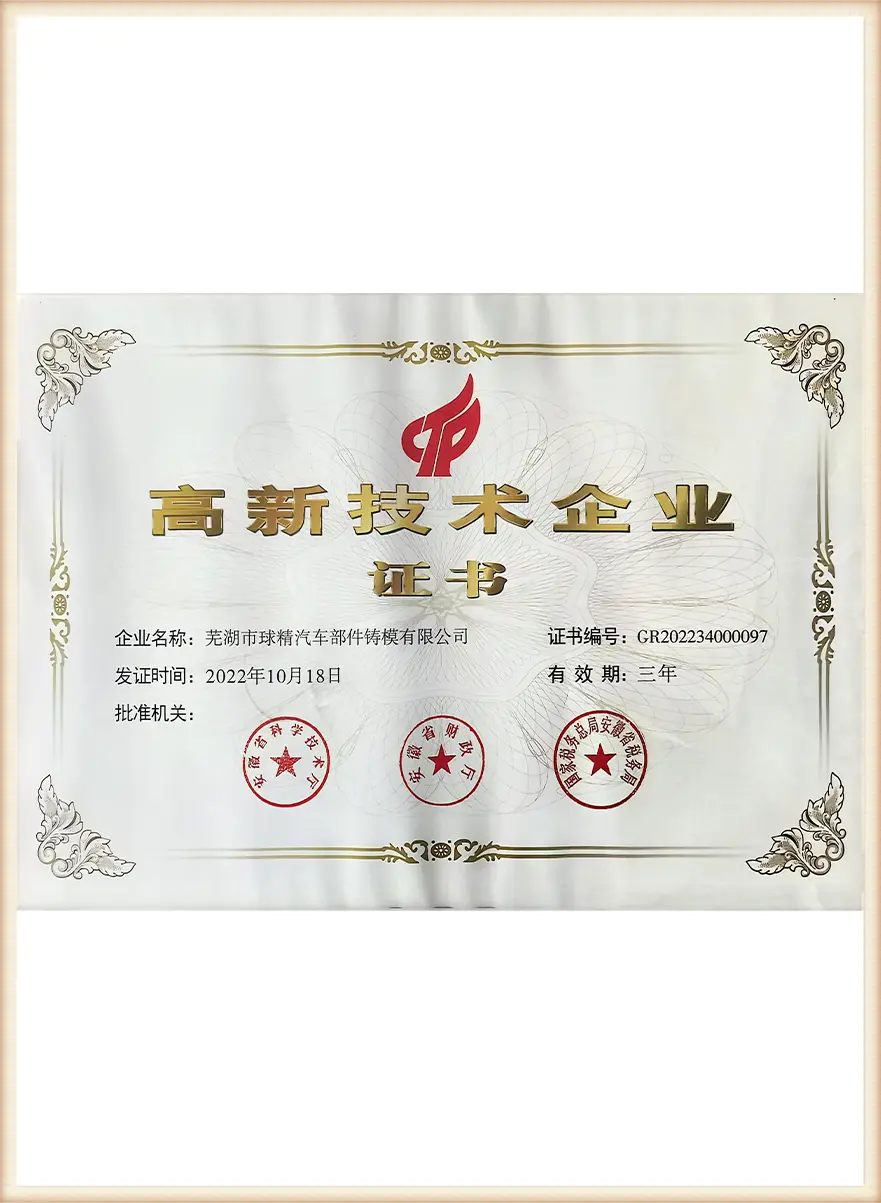
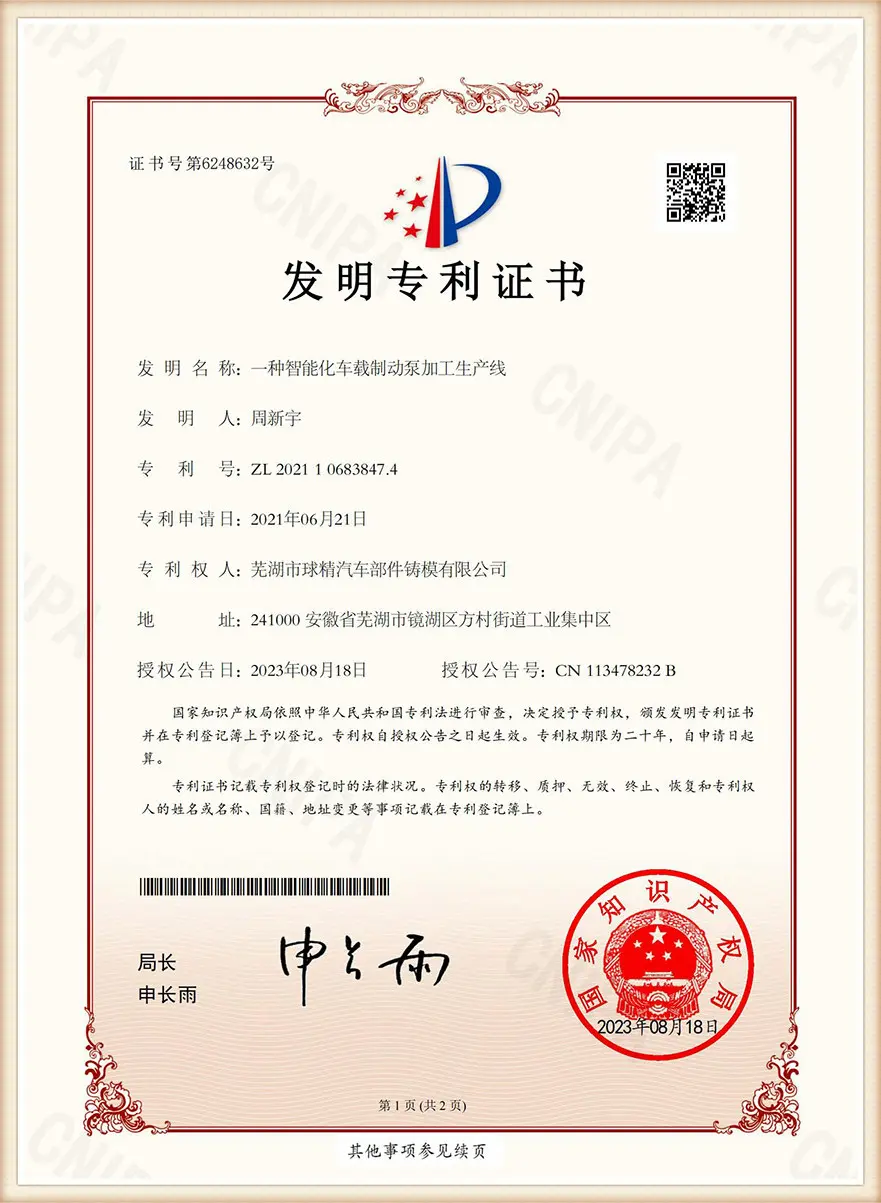
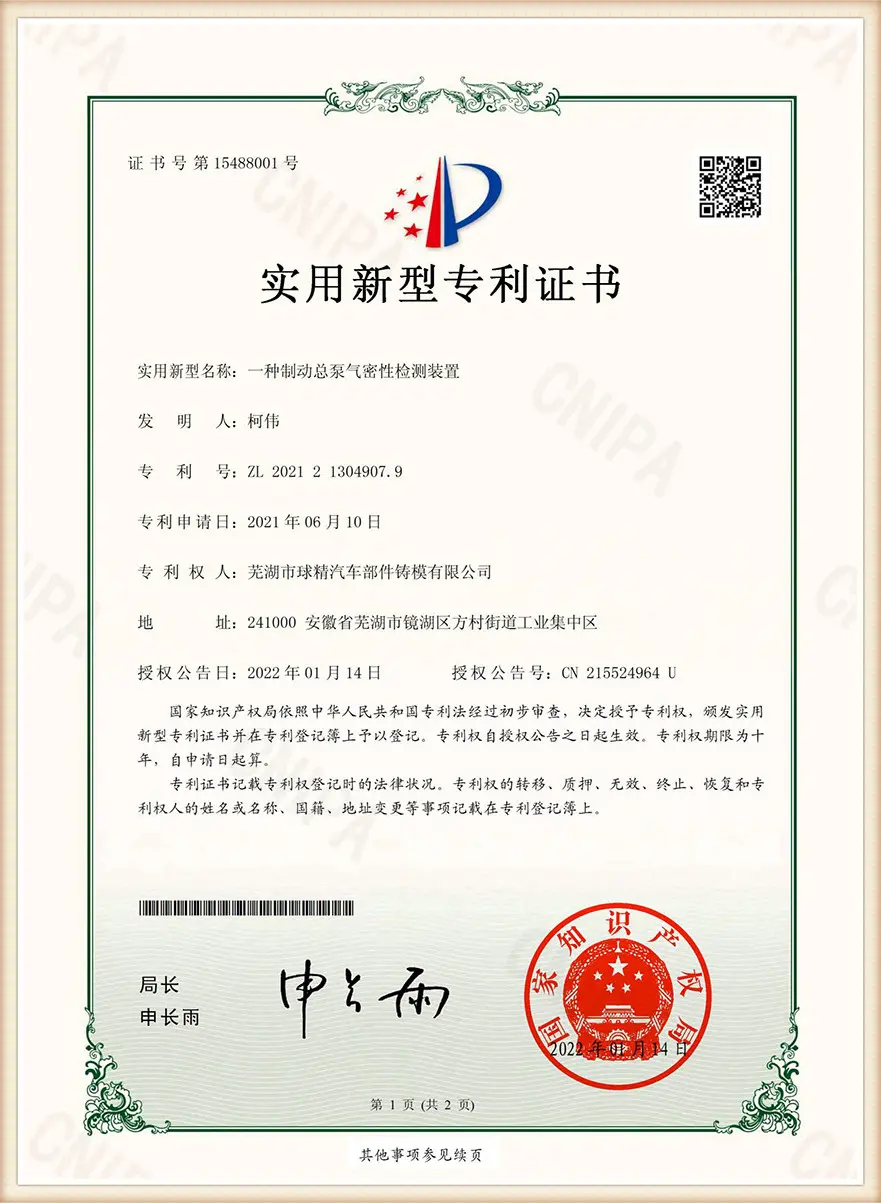
At Wuhu Qiujing Auto Parts Co., Ltd., automated CNC machining centers perform drilling, boring, and threading in a single setup. This minimizes errors that occur when parts are transferred between different machines. We also run automated testing lines where every brake master cylinder undergoes pneumatic low-pressure and high-pressure leak testing. This ensure zero defects leave the production floor, maintaining a steady annual capacity of over 2 million units.
4. Engineering Best Practices: Master Cylinder Installation Protocol
Proper installation is critical to the performance and safety of hydraulic brake components. Poor installation can lead to spongy pedal feel, internal seal damage, or premature component failure.
- Thorough Inspection: Verify the part number matches the vehicle's make, model, year, and ABS configuration. Inspect the booster mounting face for dynamic seals, rust, or fluid leakage from the old master cylinder.
- Bench Bleeding: Never install a dry master cylinder. Secure the unit in a vise, attach bench bleeding tubes to the outlet ports, loop them back into the reservoir, fill with new DOT-approved fluid, and actuate the piston until no air bubbles appear. This prevents air from entering the ABS modulator.
- Booster Pushrod Depth Adjustment: Use a pushrod depth gauge to verify the gap between the booster pushrod and the master cylinder piston. If the rod is too long, the brakes will drag and lock up as the fluid heats up. If it is too short, pedal travel will increase.
- Torque Compliance: Bolt the master cylinder to the booster using a cross-torque pattern, following manufacturer torque specifications. Over-tightening can crack aluminum flanges or distort the cylinder bore.
- On-Vehicle System Bleeding: Bleed the brake system starting from the wheel furthest from the master cylinder, working toward the closest. Keep the reservoir filled with fresh fluid from a sealed container to avoid moisture contamination.