Understanding the Role of Huvudbromscylinder in Vehicle Braking Dynamics
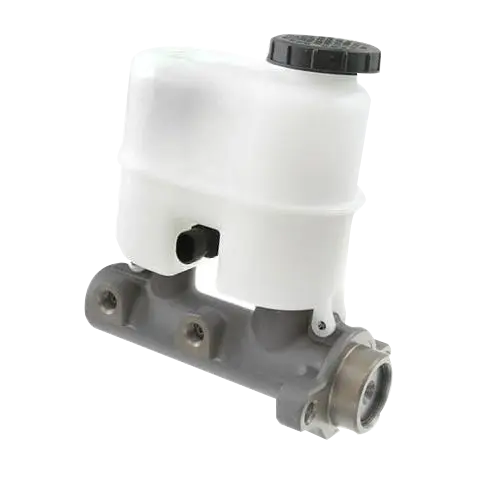
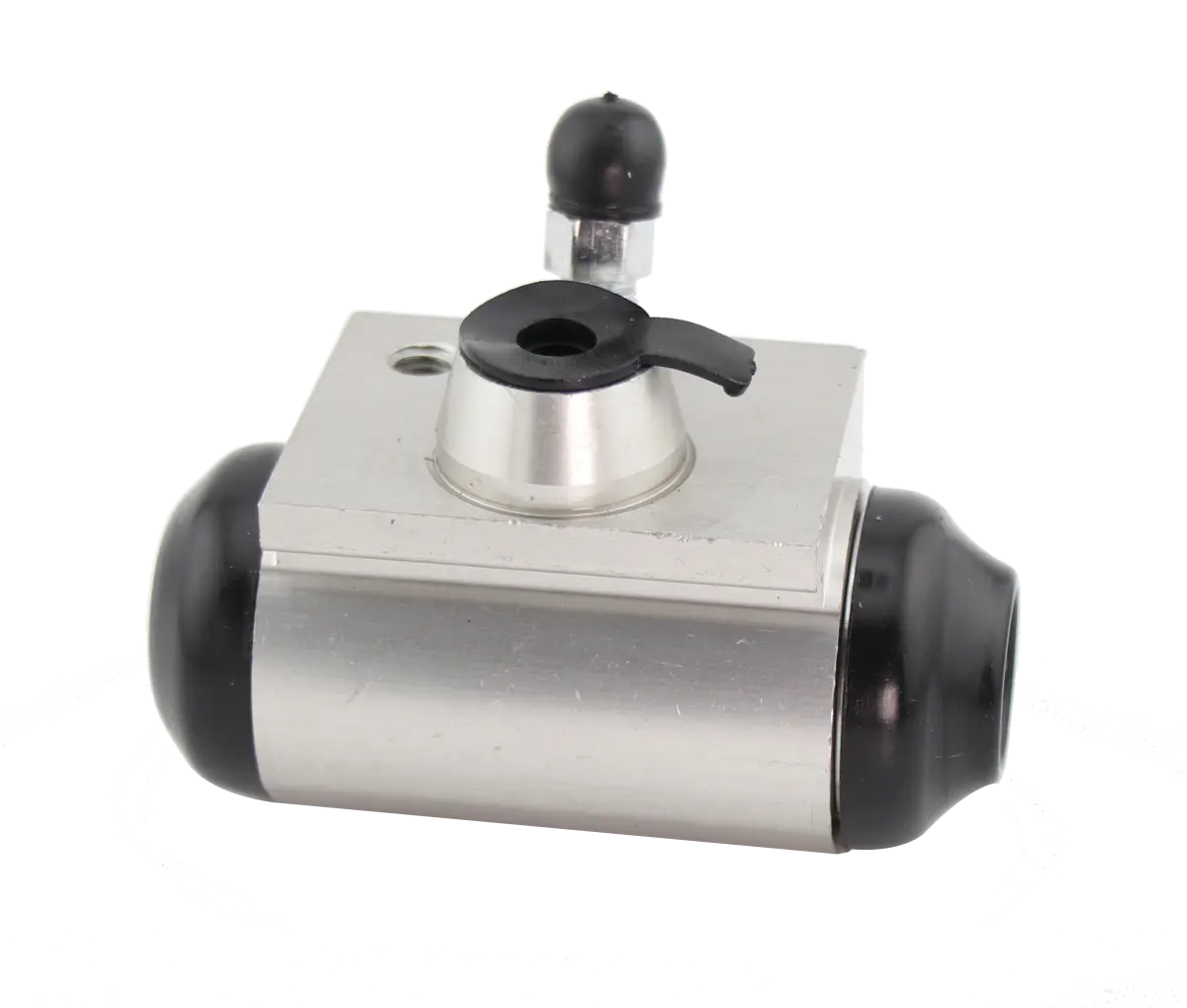
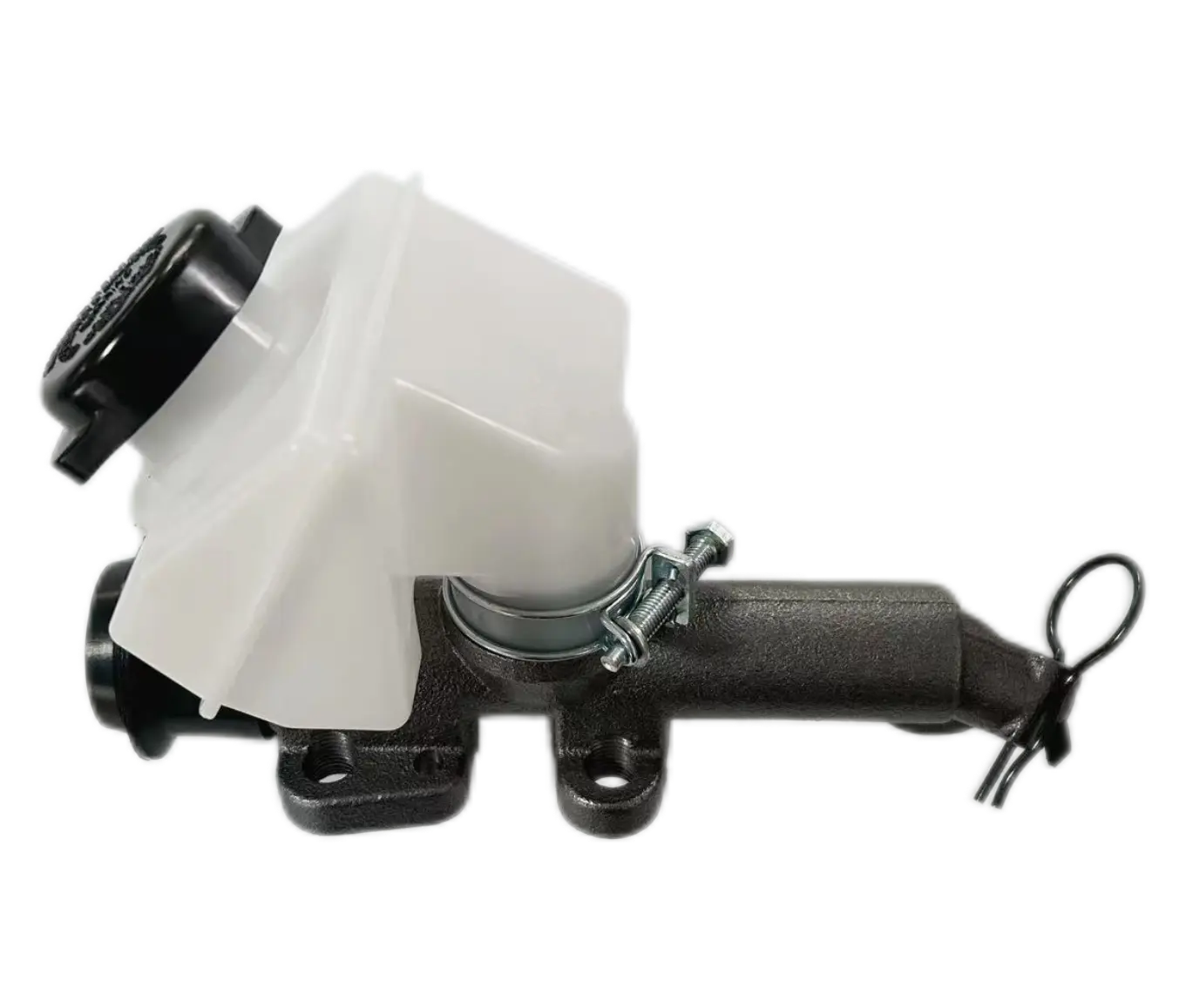
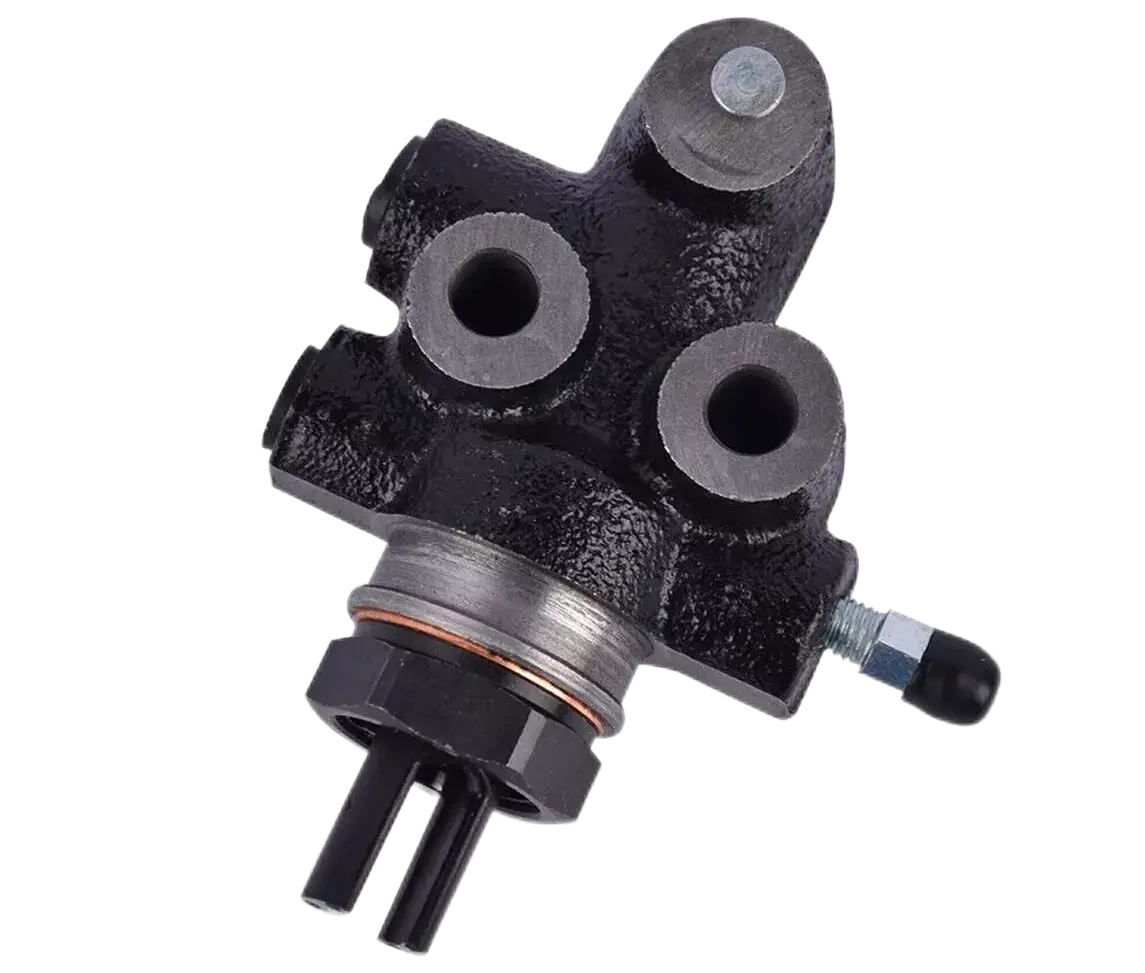
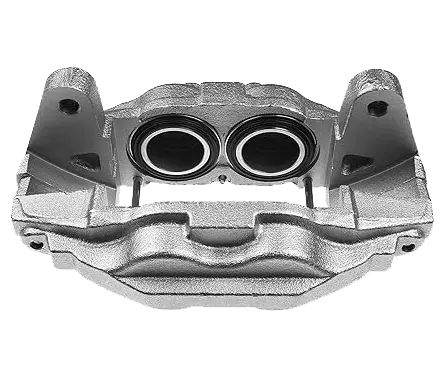
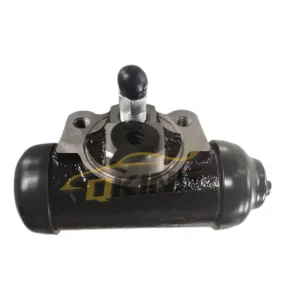
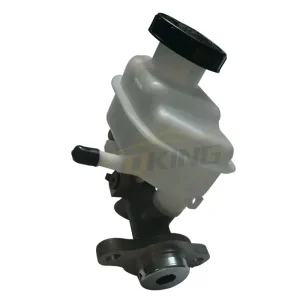
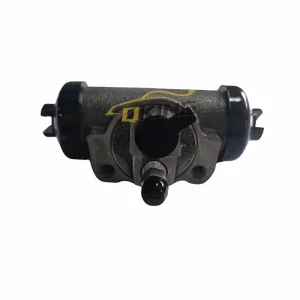
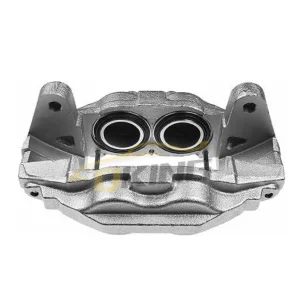
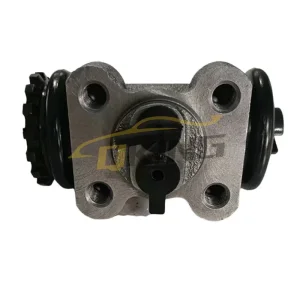
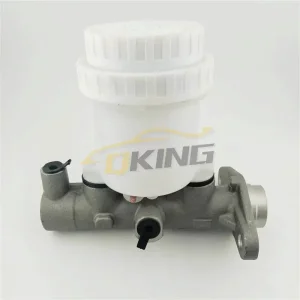
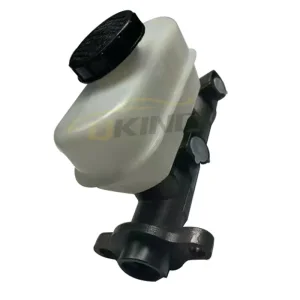
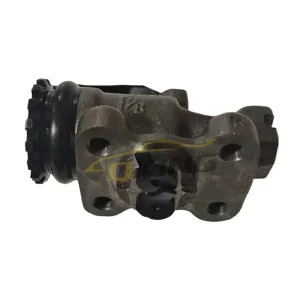
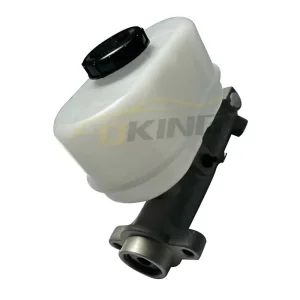
A huvudbromscylinder (the Swedish designation for the Brake Master Cylinder) functions as the central pressure-transmitting heart of any vehicular hydraulic braking layout. By converting mechanical force applied to the brake pedal into hydraulic pressure, the master cylinder pumps brake fluid through the vehicle's brake lines directly to the calipers (skivbroms) and wheel cylinders (trumbroms). Ensuring the absolute integrity, tolerance, and dimensional accuracy of the cylinder bore is critical to preventing pressure dropouts and keeping vehicle stopping distances safe.
For global distributors, OEM procurers, and aftermarket auto parts wholesale entities, securing a high-quality manufacturing partner for huvudbromscylinder assemblies is not merely a purchasing transaction—it is a safety-critical partnership. In regions with harsh environmental challenges, such as the Nordic winters, components must withstand extreme thermal cycling, chemical exposure from road salts, and continuous vibration without structural decay or seal degradation.
Anatomy of a High-Performance Master Cylinder
Every professional-grade huvudbromscylinder consists of several key elements machined to aerospace-grade tolerances:
- The Cylinder Body: Cast from high-density gray iron or anodized lightweight aluminum alloys to minimize weight while holding high internal pressure without deformation.
- Piston Assemblies: Engineered with micro-finished surfaces to prevent wear on internal rubber seals while sliding.
- Sealing Elements (Gaskets & Cups): Usually made of premium EPDM (Ethylene Propylene Diene Monomer) rubber compounds, ensuring excellent compatibility with glycol-based brake fluids (DOT 3, DOT 4, and DOT 5.1).
- Return Springs: Precision-wound steel alloys designed to return the piston rapidly to its rest position without drop-off in tension over millions of cycles.