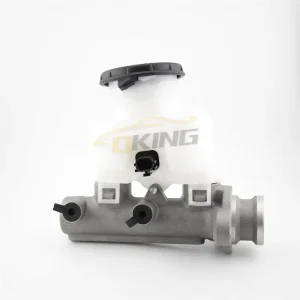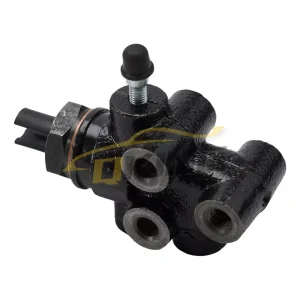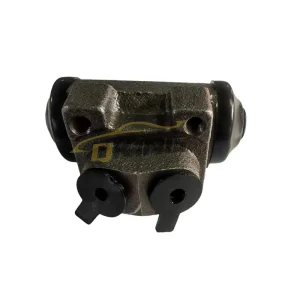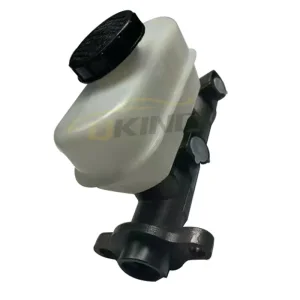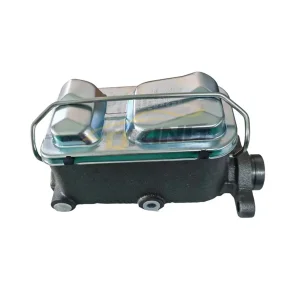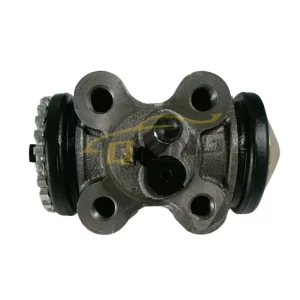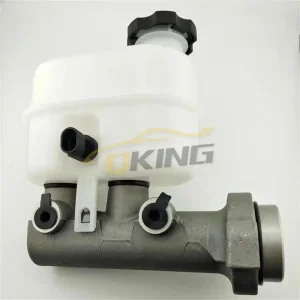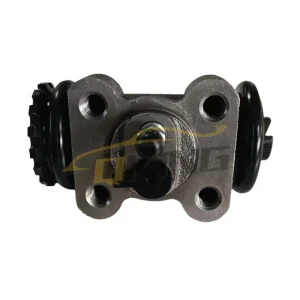
Engineered to exact OEM specifications, our brake master cylinders, wheel pumps, and valves offer certified reliability for global distribution.
In modern automotive safety structures, the hydraulic braking system is the absolute baseline of safety. The structural components responsible for converting pedal pressure to mechanical braking force—namely, the Brake Master Cylinder, Brake Wheel Cylinder, and Brake Proportioning Valve—must operate under extreme pressures and harsh environmental conditions without structural fatigue. Sourcing high-quality replacement and OEM parts requires a granular understanding of material science, hydraulic dynamics, and quality standards.
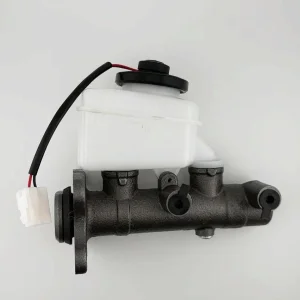
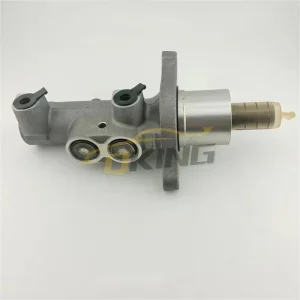
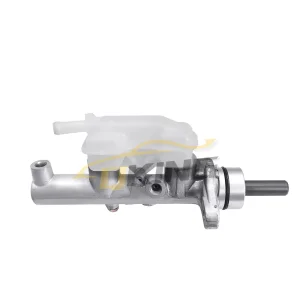
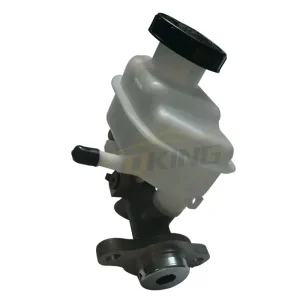
The Master Cylinder functions as the heart of hydraulic braking. It uses a dual-chamber system (tandem master cylinder) to ensure redundant backup in case of single-circuit pressure loss. Under the Search Quality Rater Guidelines' perspective of expert content, our engineering process incorporates high-pressure testing, anodized aluminum/cast-iron castings, and high-performance EPDM seals to prevent bypass leaks.
Key parameters for evaluating master cylinder efficiency include:
China has transformed from a low-cost parts supplier into a high-technology precision engineering hub. Automotive manufacturing hubs in regions like Anhui and Zhejiang leverage fully integrated supply chains. For global buyers, sourcing from a Chinese factory translates directly to cost efficiency, advanced CNC machining centers, fast mold fabrication, and highly responsive material sourcing.
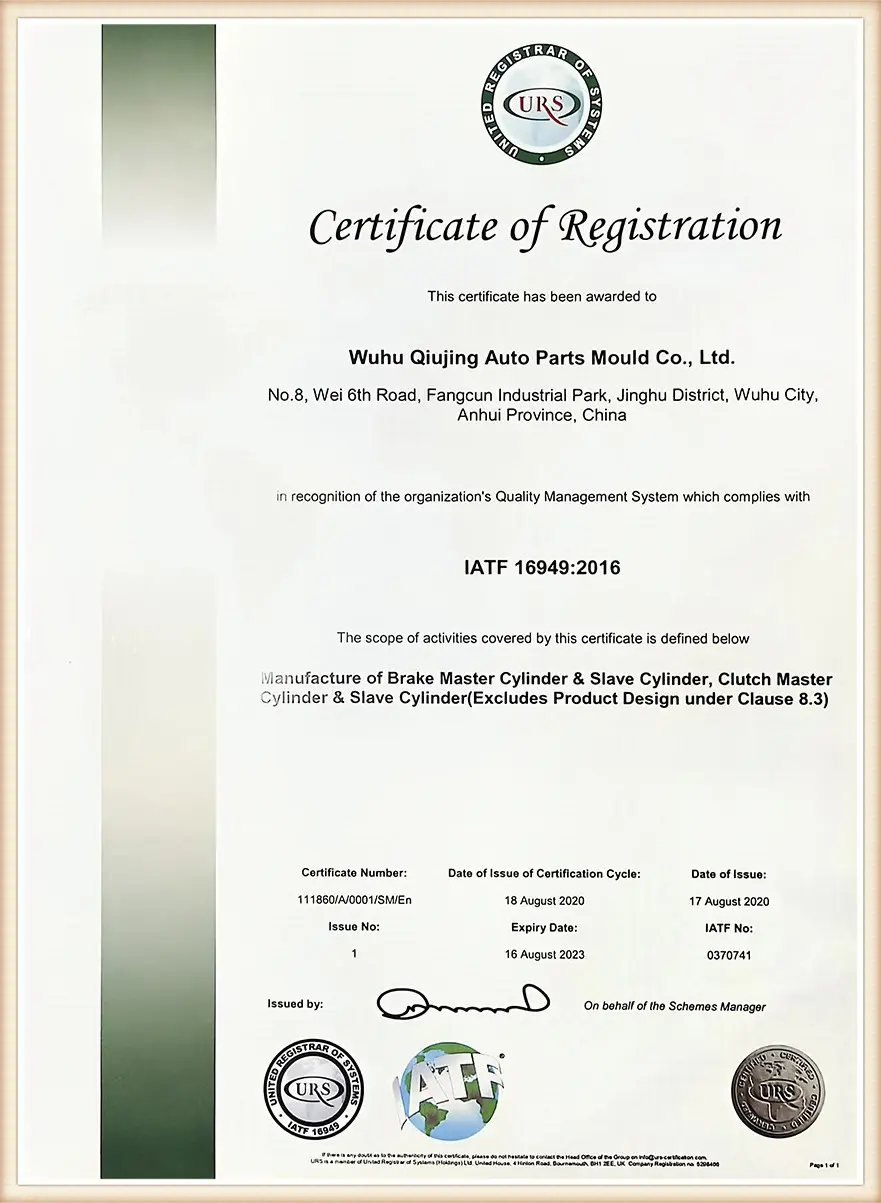
By using automated casting lines and computerized coordinate measuring machines (CMM), Chinese factories guarantee OEM dimensional matching. Scale allows for lower raw material sourcing costs (aluminum alloys, ductile iron) while achieving strict adherence to international standard certifications like IATF 16949:2016.
Wuhu Qiujing Auto Parts Co., Ltd. has established itself as an industry leader with proven capacity and capability metrics:
Explore our extensive line of high-precision hydraulic braking and clutch parts designed for long-term durability and safety.
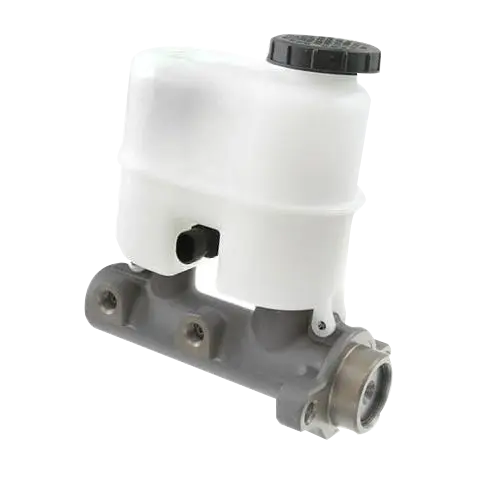
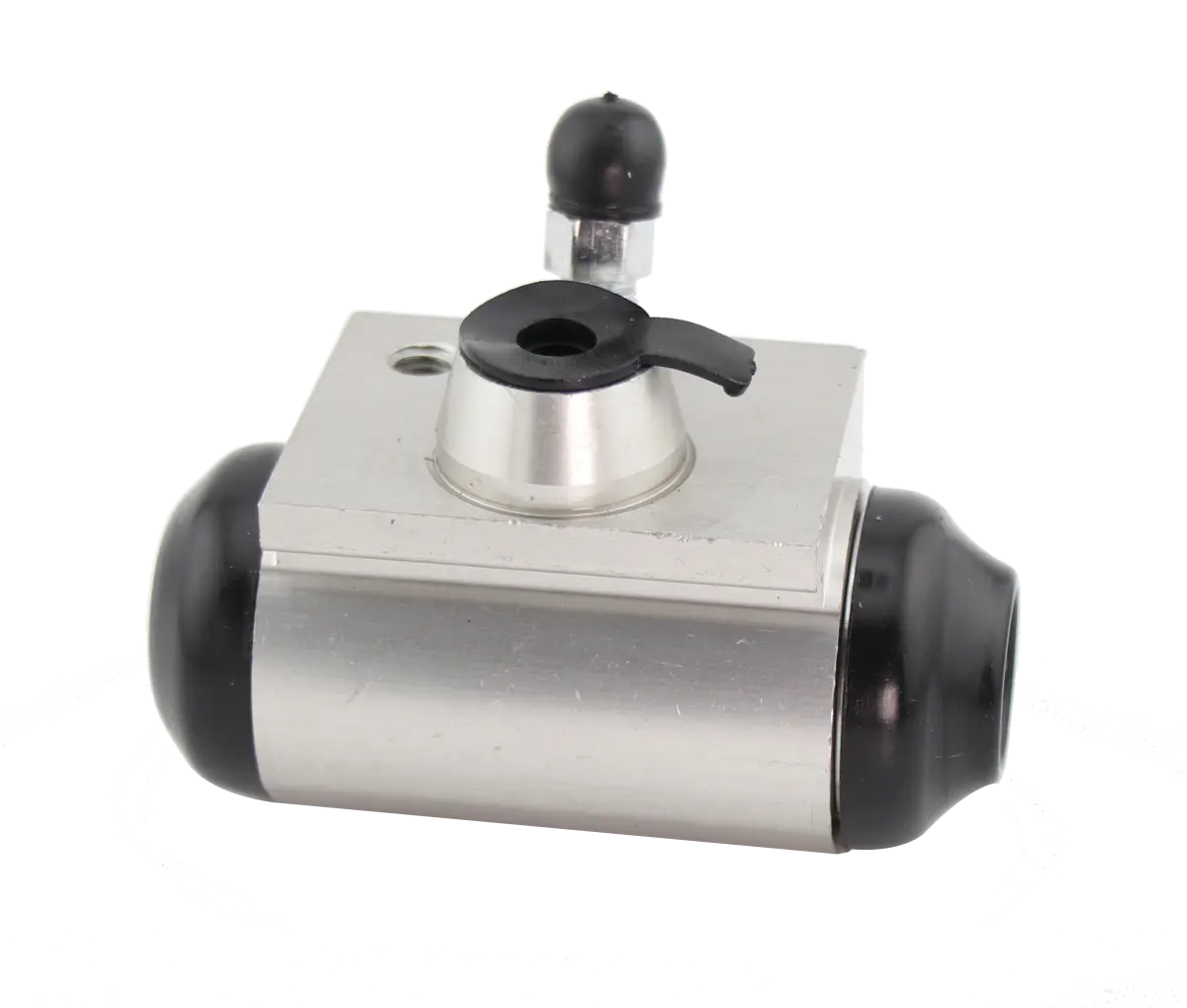
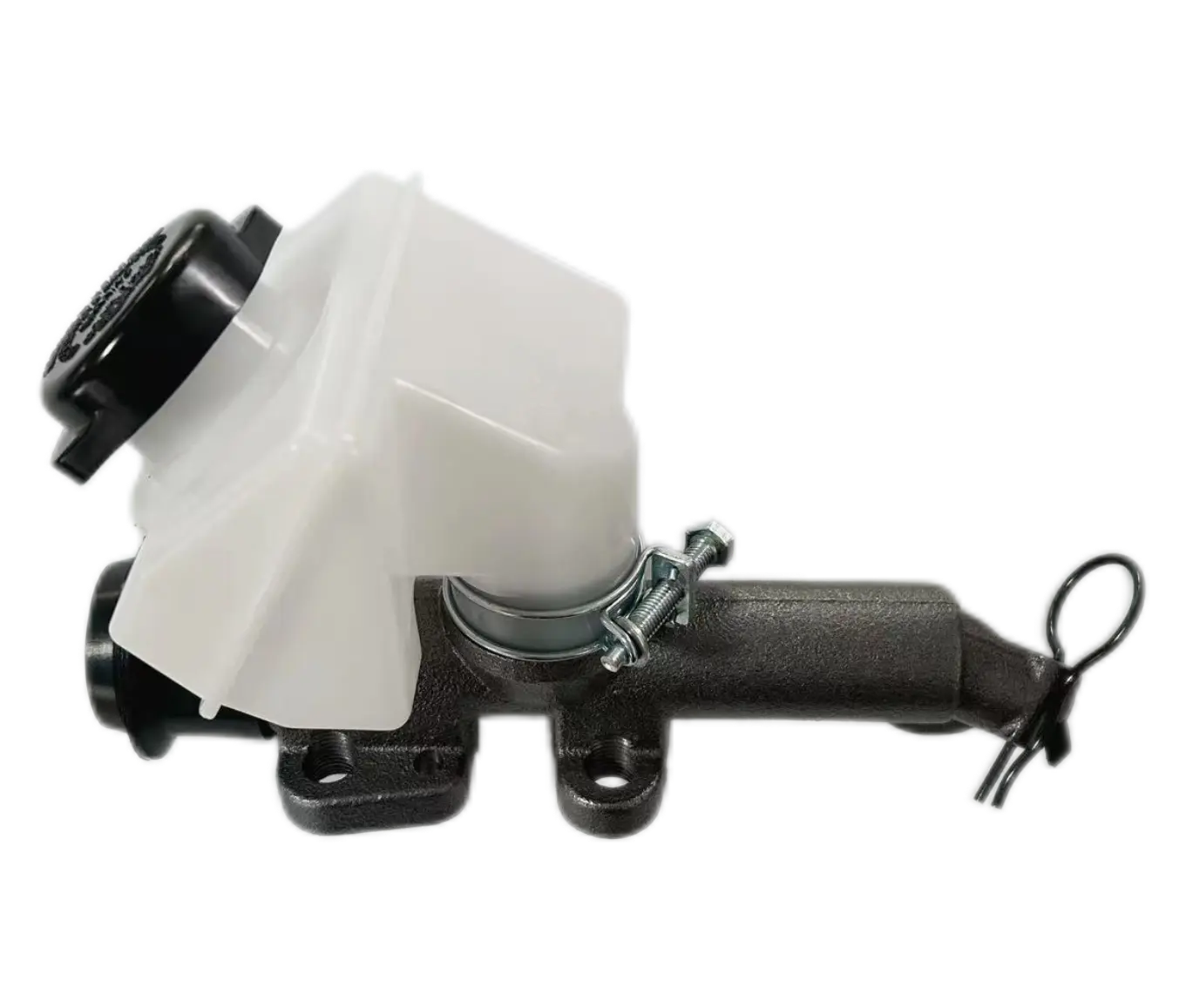
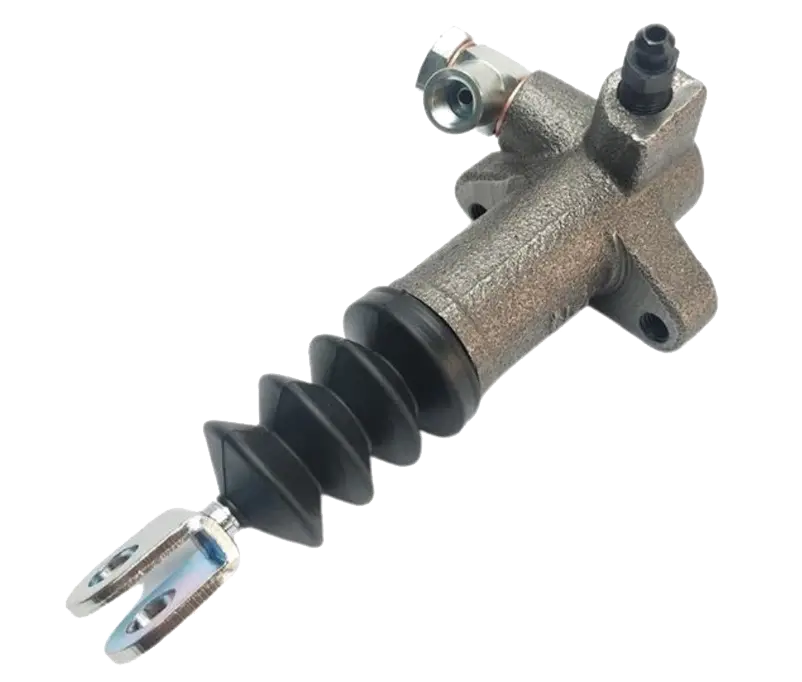
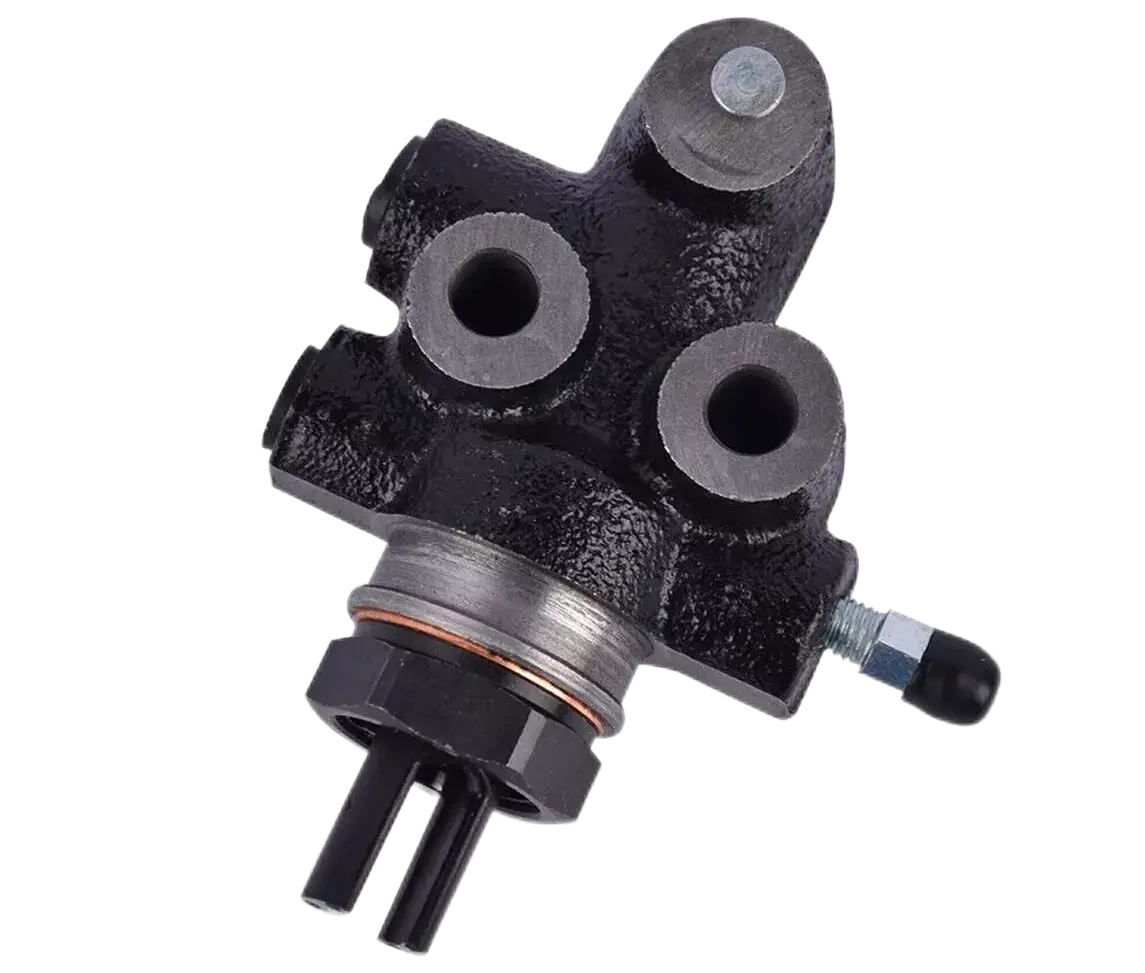
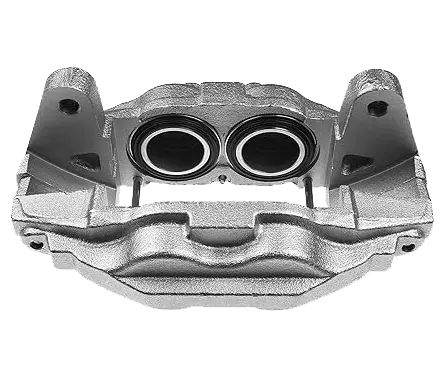
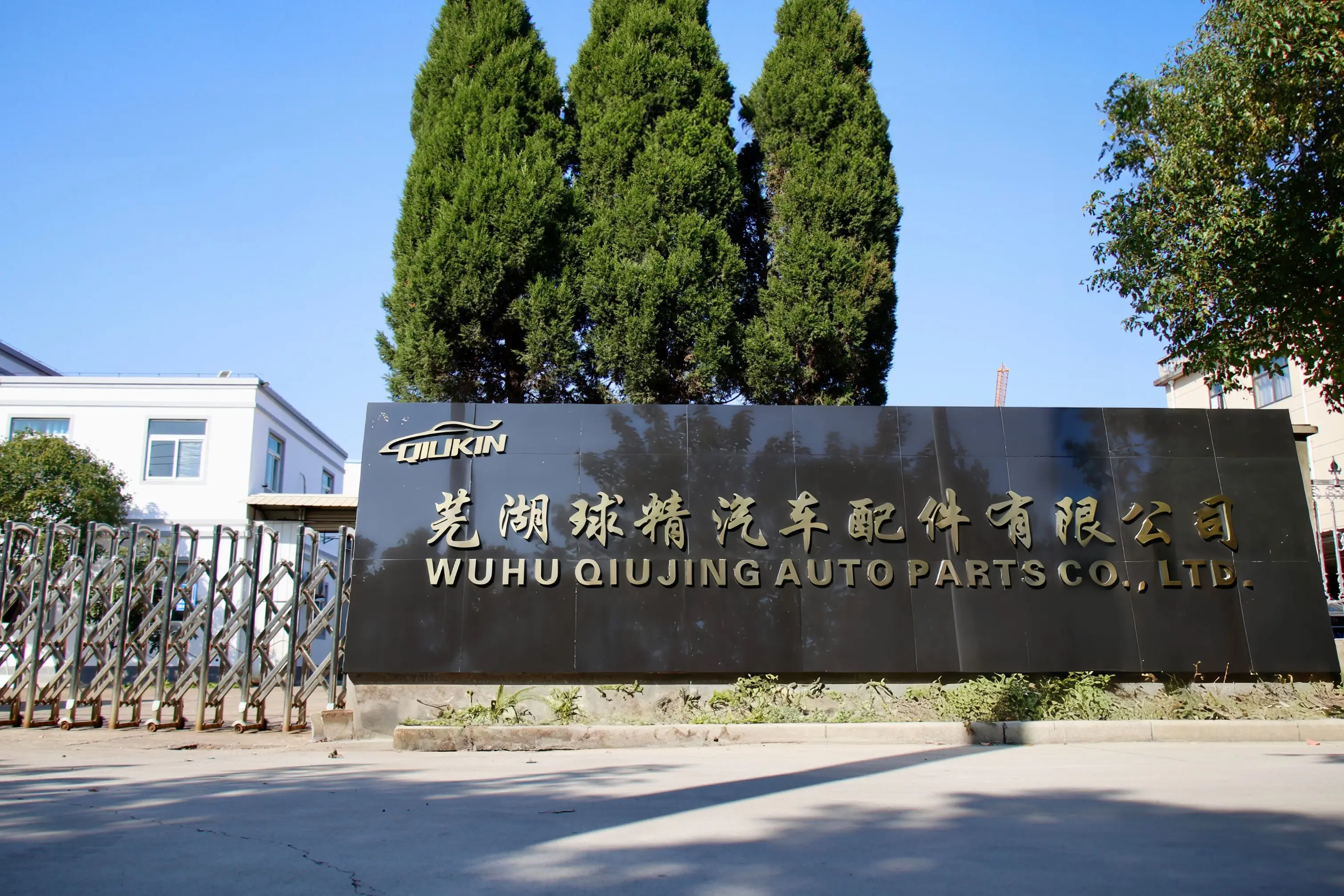
Wuhu Qiujing Auto Parts Co., Ltd. is a highly specialized manufacturer and supplier focused on safety-critical automotive components. Founded by an industry expert active in brake part technology since 1996, the company operates a state-of-the-art facility producing millions of master cylinders, wheel cylinders, and valves annually. We balance volume production with precise customization capability, offering products fully compatible with major American, Asian, and European vehicles.
How we guarantee performance consistency across high-volume procurement contracts.

6,000+ sqm production facility, 50+ dedicated workers, and an annual production capacity of over 2 million units.

Equipped with specialized testing systems ensuring robust performance. All components carry a 2-year warranty.

Standardized quality gates, precise tooling calibration, and continuous verification for batch-to-batch consistency.

Integrated teams spanning R&D, casting, machining, QA, and logistics to ensure efficient order fulfillment.
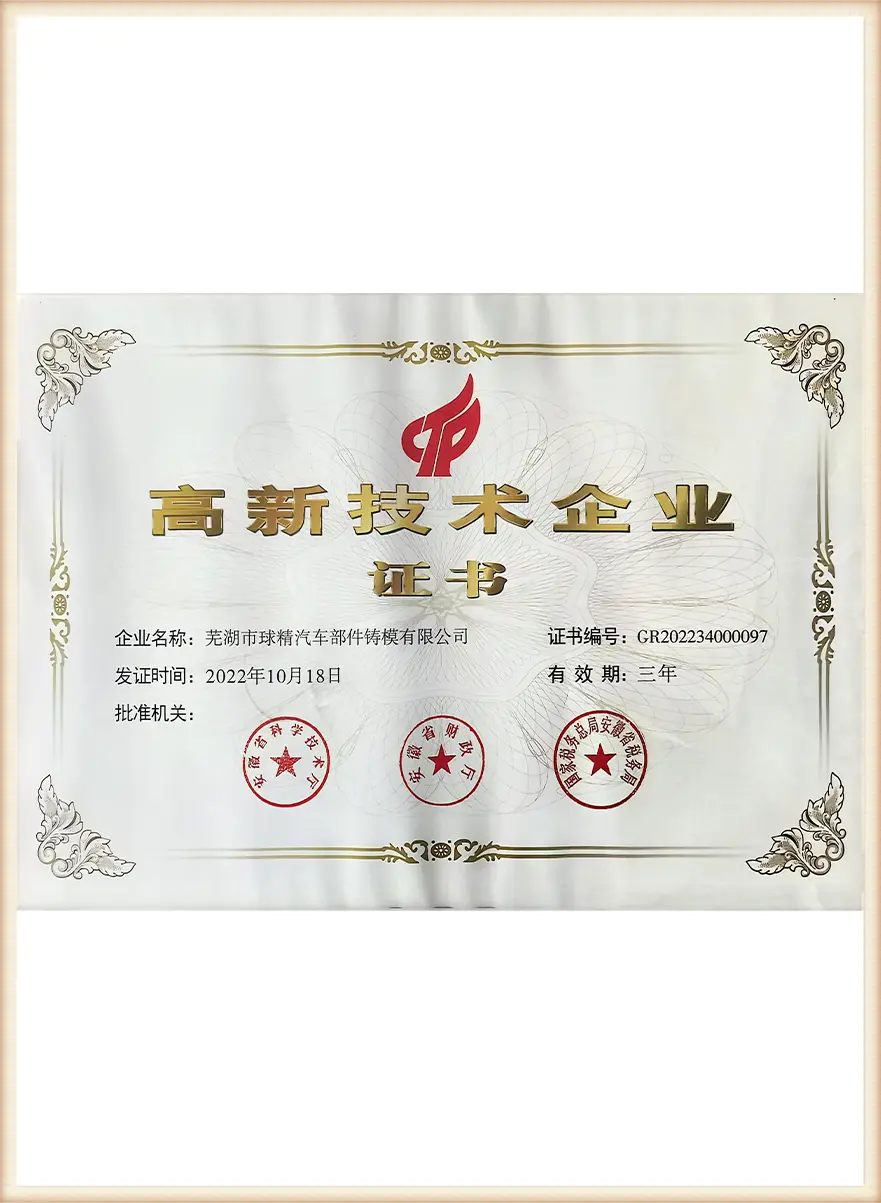
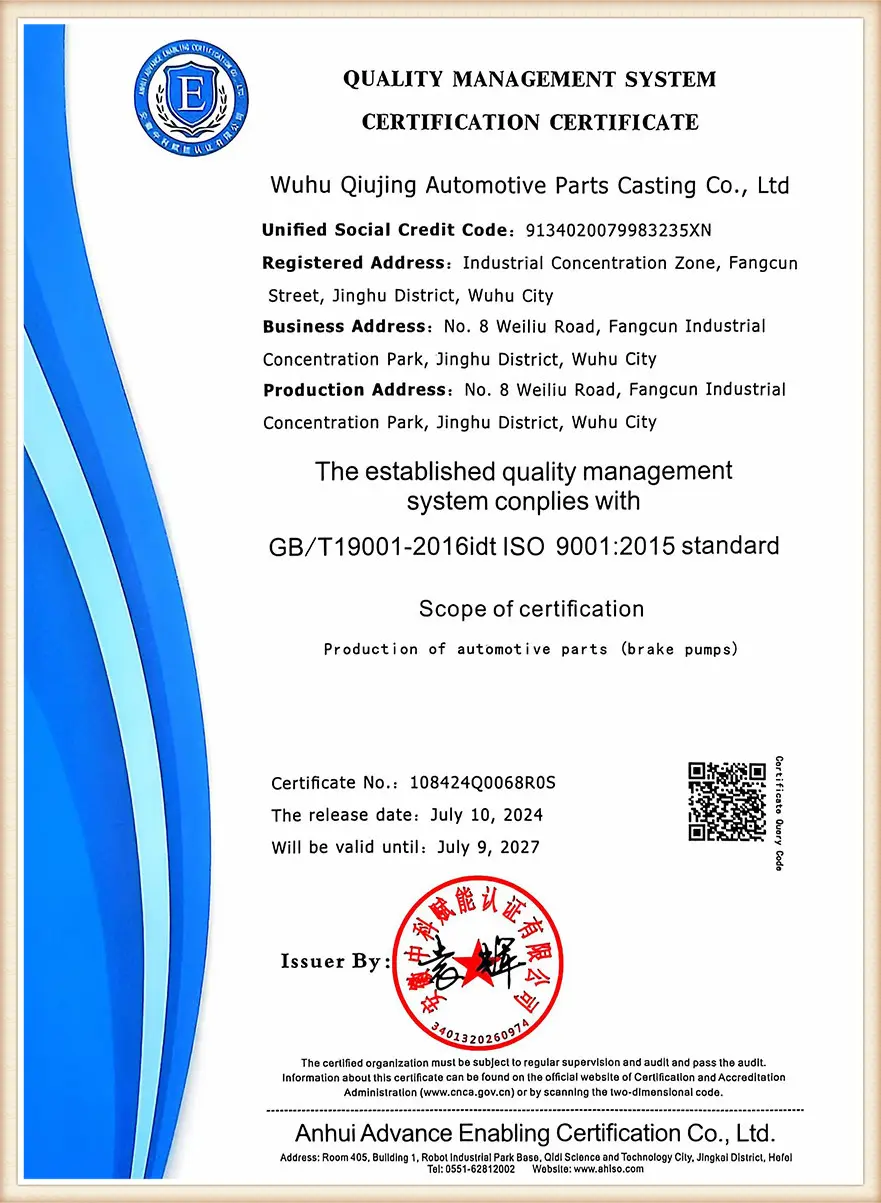
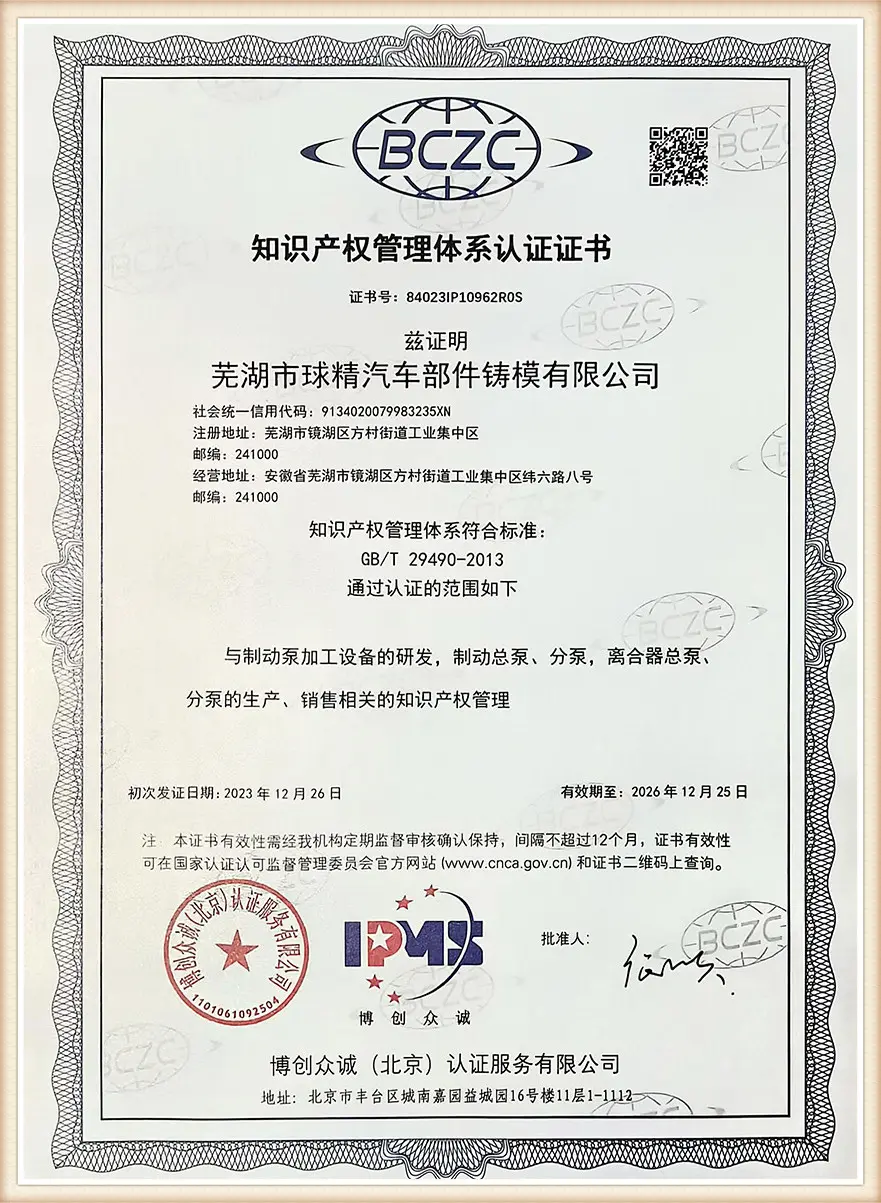
Compliance is mandatory. We verify compliance through international testing standards including GB/T19001-2016, ISO 9001:2015, and IATF 16949:2016.
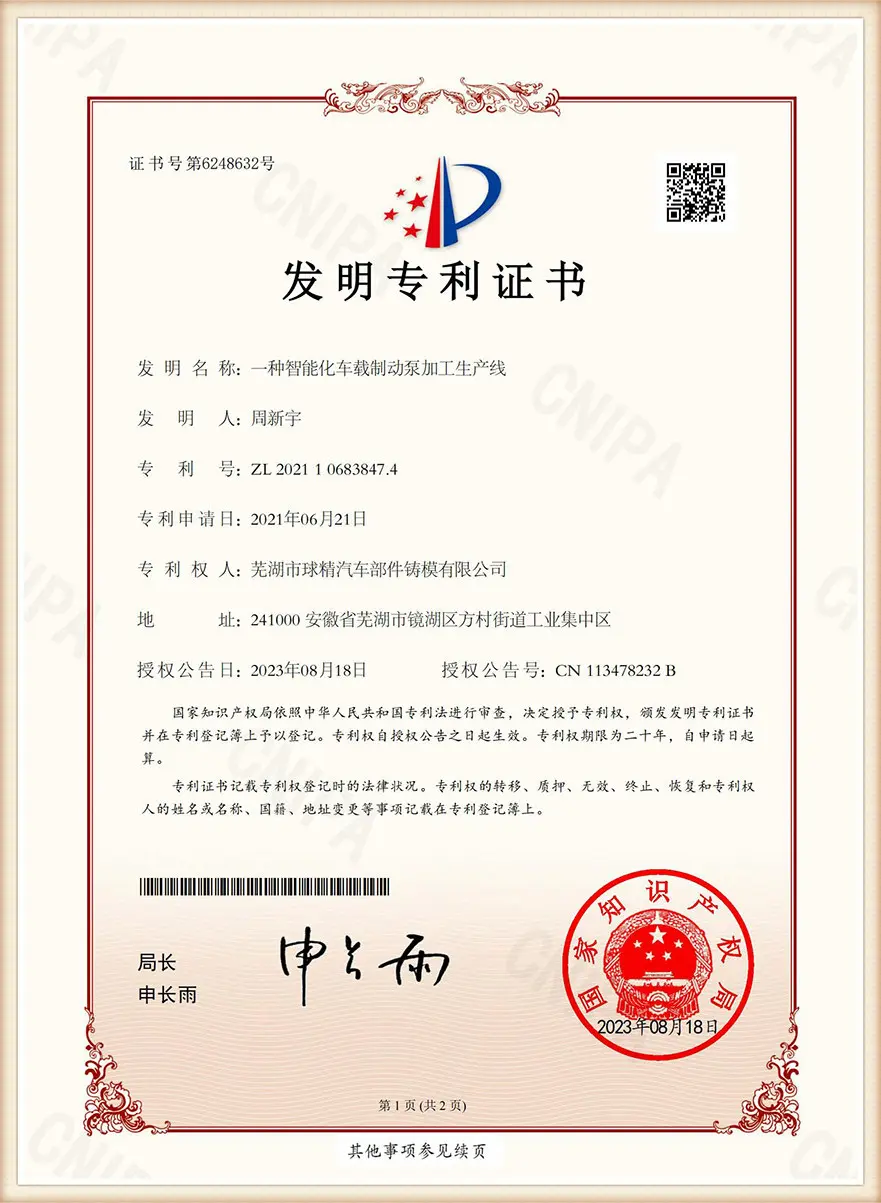
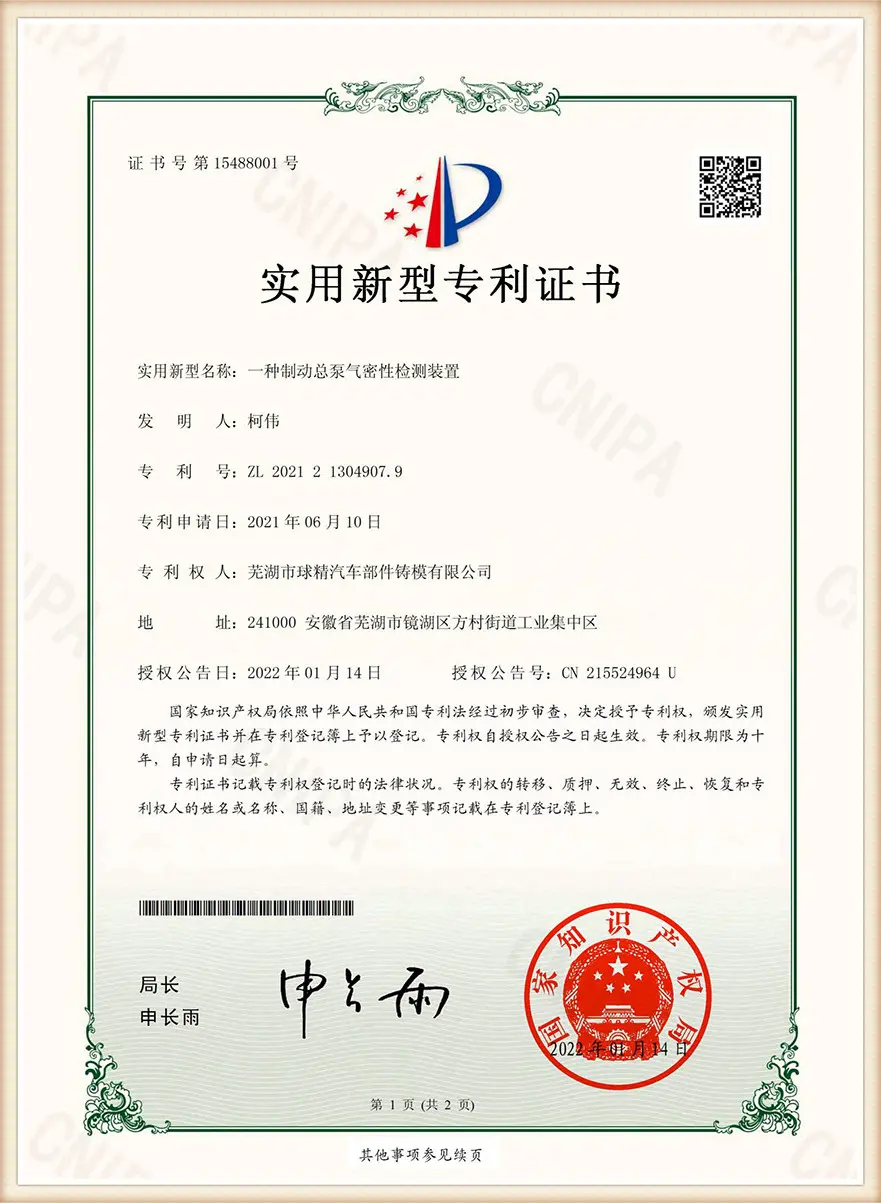
Automotive components operate in distinct environmental conditions. Global procurement leads must categorize parts by application scenario to achieve balanced wear cycles, reduced assembly lines downtime, and low warranty returns. Sourcing strategies differ significantly depending on the target segment:
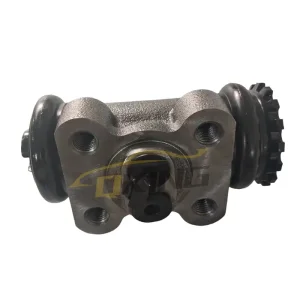
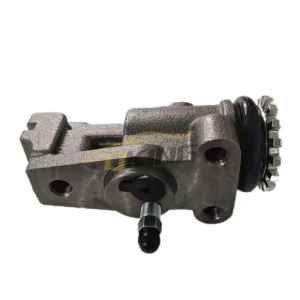
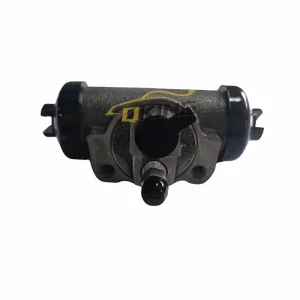
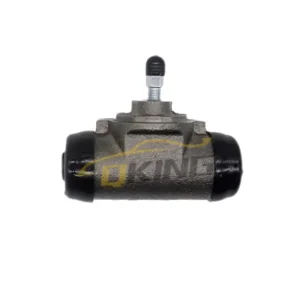
Commercial vehicles experience higher load variations and continuous operational cycles. For light commercial vehicles such as the Isuzu Elf, brake wheel cylinders must manage continuous hydraulic thermal load without pressure degradation. Standard specs call for high-grade ductile iron castings instead of aluminum to manage thermal expansion under heavy loads.
Similarly, heavy-duty hydraulic wheel pumps must maintain seal integrity despite high road vibration. Our factory designs these with specific surface finishes on inner cylinder walls to reduce rubber seal abrasion and extend service intervals.
Passenger vehicle braking systems prioritize responsiveness, weight reduction, and smooth performance. Compact tandem master cylinders like those for the Toyota Wish 1.8 or Toyota Previa utilize anodized aluminum alloy cylinders to minimize vehicle weight while retaining strong structural characteristics.
In passenger vehicle applications, the brake proportioning valve plays a vital role. It dynamically modulates hydraulic distribution between the front and rear axles to prevent rear-wheel lockup during sudden stops, maintaining vehicle stability.
The global automotive market is progressively adopting advanced driver assistance systems (ADAS) and electric drivetrains. These systems alter standard brake hydraulics. Regulating systems require tighter valve responses and higher compatibility with regenerative braking setups. Modern brake master cylinders must match the input characteristics of smart electronic brake boosters (EHB) to support smooth transition states between friction braking and electric motor deceleration.
Furthermore, global distribution networks demand reliable packaging, rust prevention, and clear serialization. Our parts feature anti-corrosion chemical conversion coatings and individual bubble-molded packaging to prevent shipping damage and long-term storage deterioration in high-humidity ports.
Detailed technical explanations on troubleshooting, sourcing requirements, and specifications for professional buyers and mechanics.
Internal fluid bypass occurs when the primary or secondary EPDM piston cups lose pressure sealing capability, allowing hydraulic fluid to flow back into the reservoir instead of being pushed to the calipers. The main symptom is a soft or sinking brake pedal under steady pressure, even if there are no visible external leaks on the cylinder body.
The Load Sensing Proportioning Valve (LSPV) adjusts hydraulic pressure to the rear brakes based on the vehicle's payload. When loaded, a mechanical linkage permits higher pressure to the rear wheels. Without a functional LSPV, an unladen utility vehicle could experience rear wheel lockup under moderate braking, causing vehicle instability.
Heavy-duty cylinders (like those for Isuzu Elf or Hyundai Trucks) feature larger bore diameters, ductile iron castings (to resist pressure expansion), and dual-lipped piston seals designed for higher operating temperatures. In contrast, passenger cars often use lightweight aluminum alloys.
Hydraulic brake parts must operate across wide temperature ranges (typically -40°C to 120°C). We use premium EPDM compounds that resist degradation from glycol-based brake fluids (DOT 3, DOT 4) while maintaining elasticity at freezing temperatures to prevent seal bypass during winter starts.
Each unit undergoes multiple automated verification gates, including a 100% pneumatic pressure leak test, dimensional verification using digital coordinate measuring machines (CMM), chemical alloy validation via spectrometer, and random destructive high-pressure burst testing.
Corrosion is typically caused by moisture absorption in glycol brake fluids. For shipping and storage, our cylinders feature an anti-corrosion outer coating, and we seal the ports with tight plastic plugs to prevent ambient moisture entry.
Stay informed on our production updates, logistics operations, and company announcements.
Updates on logistics timelines and office operations during national holiday periods. Our customer service team remains online to process urgent inquiries.
Read More
We are pleased to announce our production lines are fully active. All assembly areas and testing benches have resumed full-capacity output to fulfill seasonal contracts.
Read More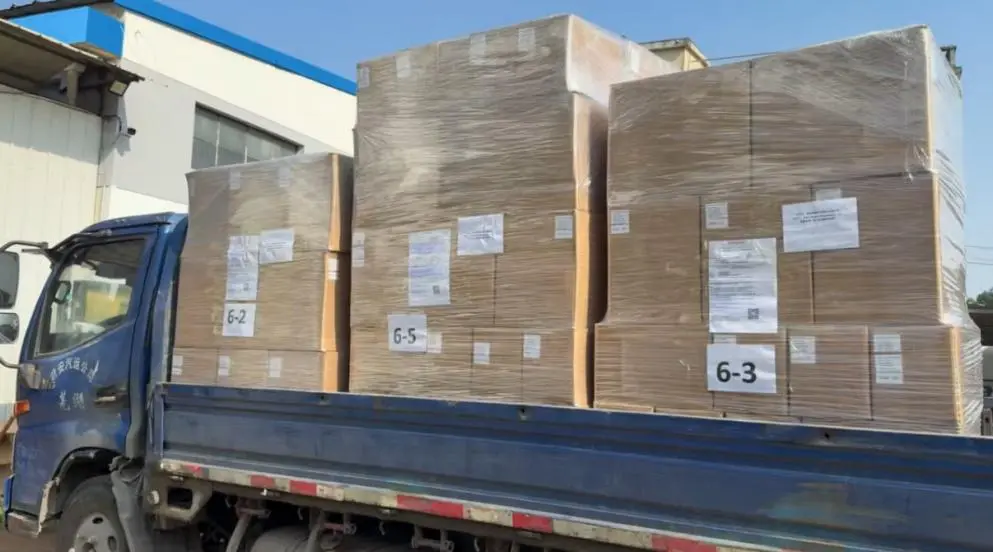
As the holiday season approached, our logistics team processed, packed, and dispatched critical batches to major distribution networks in North America and Southeast Asia.
Read More
Receive accurate quotes and detailed pricing catalog information within 24 hours.
Precision-ground cylinder options for light trucks, passenger cars, and heavy commercial vehicles.