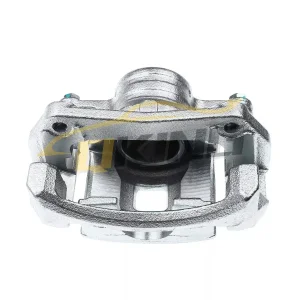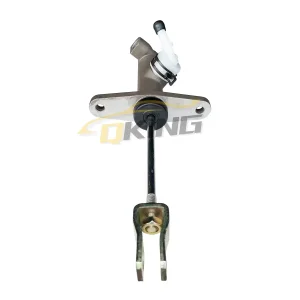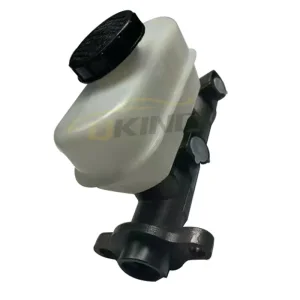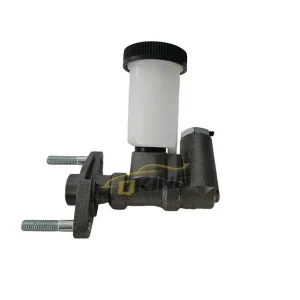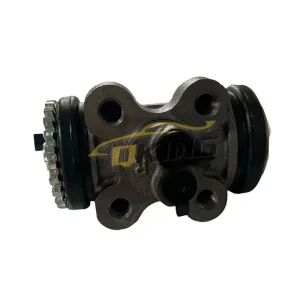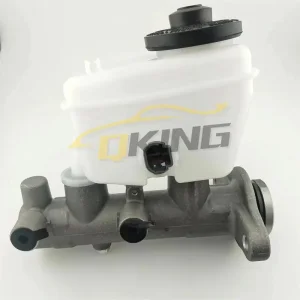
Explore our premium product selection featuring high-durability design, precise fitment, and robust pressure holding capacity.
An Industrial Deep Dive into Hydraulic Pressure Generation, Global Markets, and Supply Chain Efficiencies
Hydraulic braking systems remain the safety-critical foundation of modern light vehicles, heavy trucks, and industrial mobile machinery. At the heart of this circuit is the Brake Master Cylinder, a high-precision device that translates mechanical pressure from the driver's foot (augmented by vacuum or electronic assistance) into hydraulic pressure. The global master cylinder market is currently undergoing a structural transformation, driven by demands for tighter casting tolerances, specialized rubber seal longevity, and compatibility with advanced driver assistance systems (ADAS) and electronic stability control (ESC).
Historically, manufacturers relied heavily on heavy sand-cast iron blocks. Modern requirements, however, demand high-grade aluminum alloys for passenger vehicles to achieve critical weight savings, and premium nodular ductile cast iron for commercial heavy vehicles where maximum pressure resistance and fatigue life are non-negotiable. For auto parts distributors and commercial fleet operators, sourcing components that combine geometric precision with reliable pricing structures is essential to managing the total lifecycle cost of operations.
High-quality master cylinders must employ premium ethylene propylene diene monomer (EPDM) seals. Standard commercial-grade rubber deteriorates rapidly under high temperatures and exposure to glycol-based brake fluids (DOT 3, DOT 4, and DOT 5.1), leading to micro-leakages that compromise system pressure and vehicle safety.
China has solidified its position as the primary global hub for high-precision hydraulic cylinder manufacturing. By leveraging integrated industrial supply chains, advanced CNC machining centers, and localized foundry partnerships, Chinese manufacturers like Wuhu Qiujing Auto Parts Co., Ltd. can offer highly competitive pricing structures without compromising on quality metrics. The efficiency of a modern Chinese factory lies in its automation density, computerized leak testing, and rapid custom design deployment.
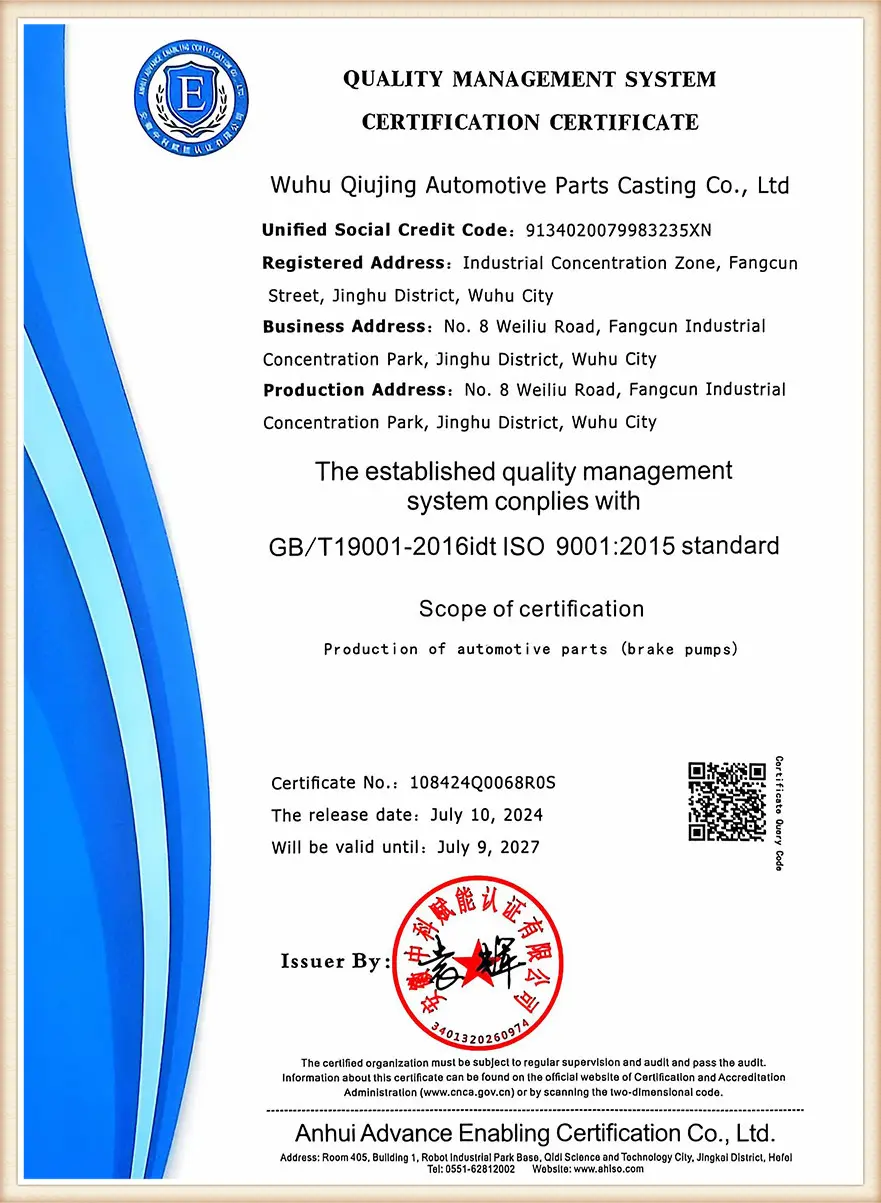
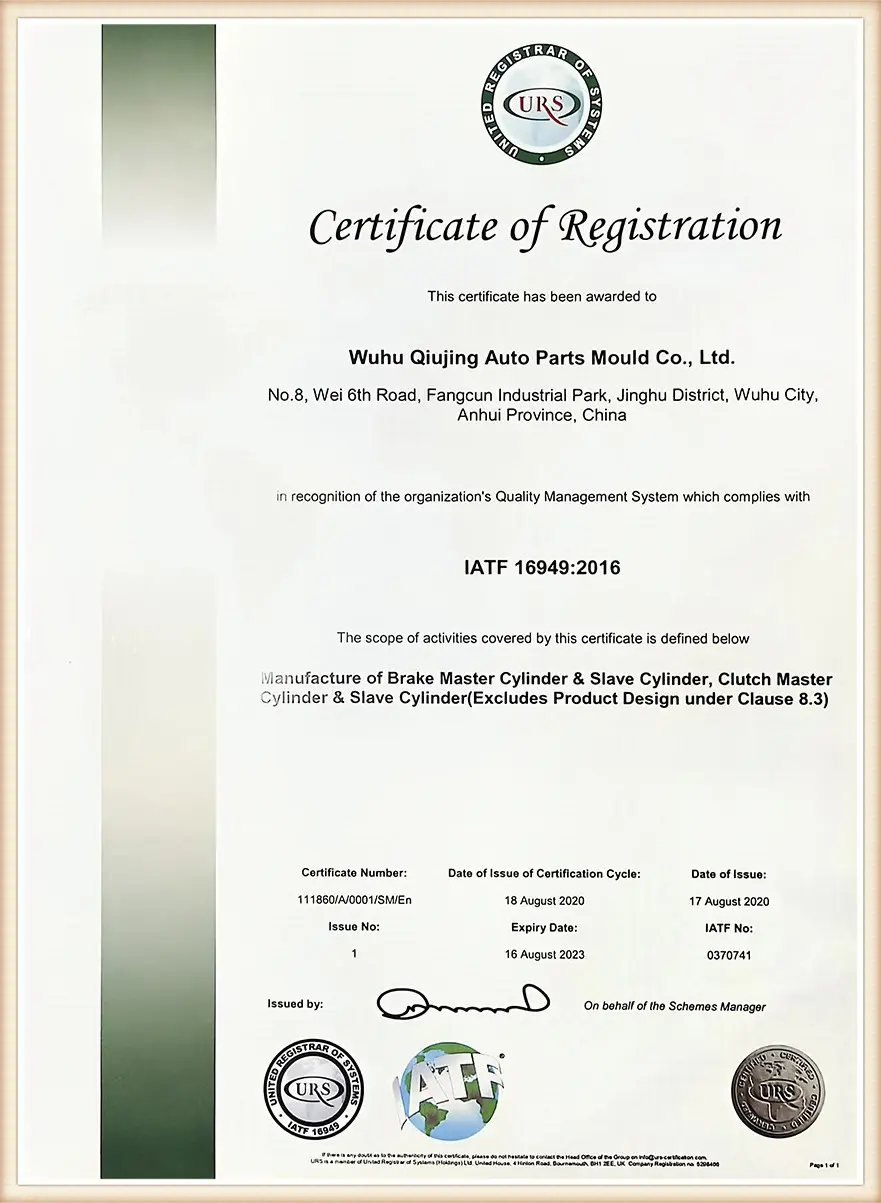
For international buyers in North America, Europe, and Southeast Asia, procuring directly from a certified Chinese source factory eliminates multi-tiered agent markups. When evaluating quotes, industrial purchasers must not only look at the unit price but also examine quality control certs, such as the IATF 16949:2016 and ISO 9001:2015, which guarantee that manufacturing practices align with rigorous global automotive assembly standards.
Engineering specialized hydraulic control solutions across all major vehicle sub-systems
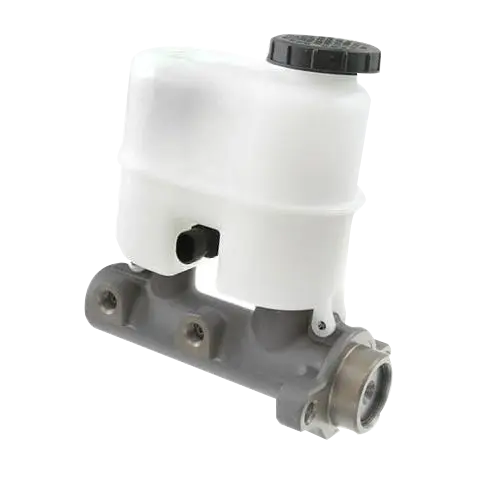
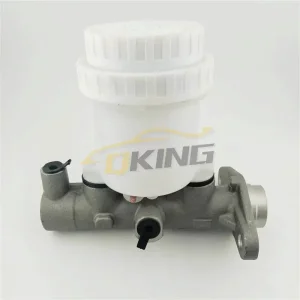
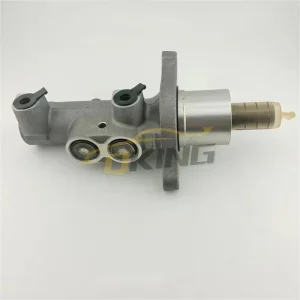
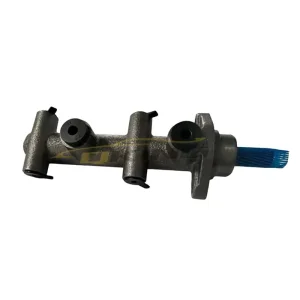
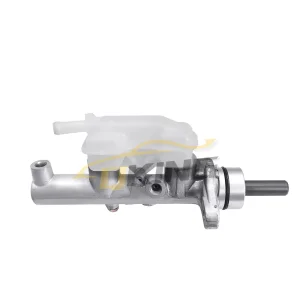
Main hydraulic pressure source designed to translate physical pressure to caliper/wheel pistons.
learn more → R2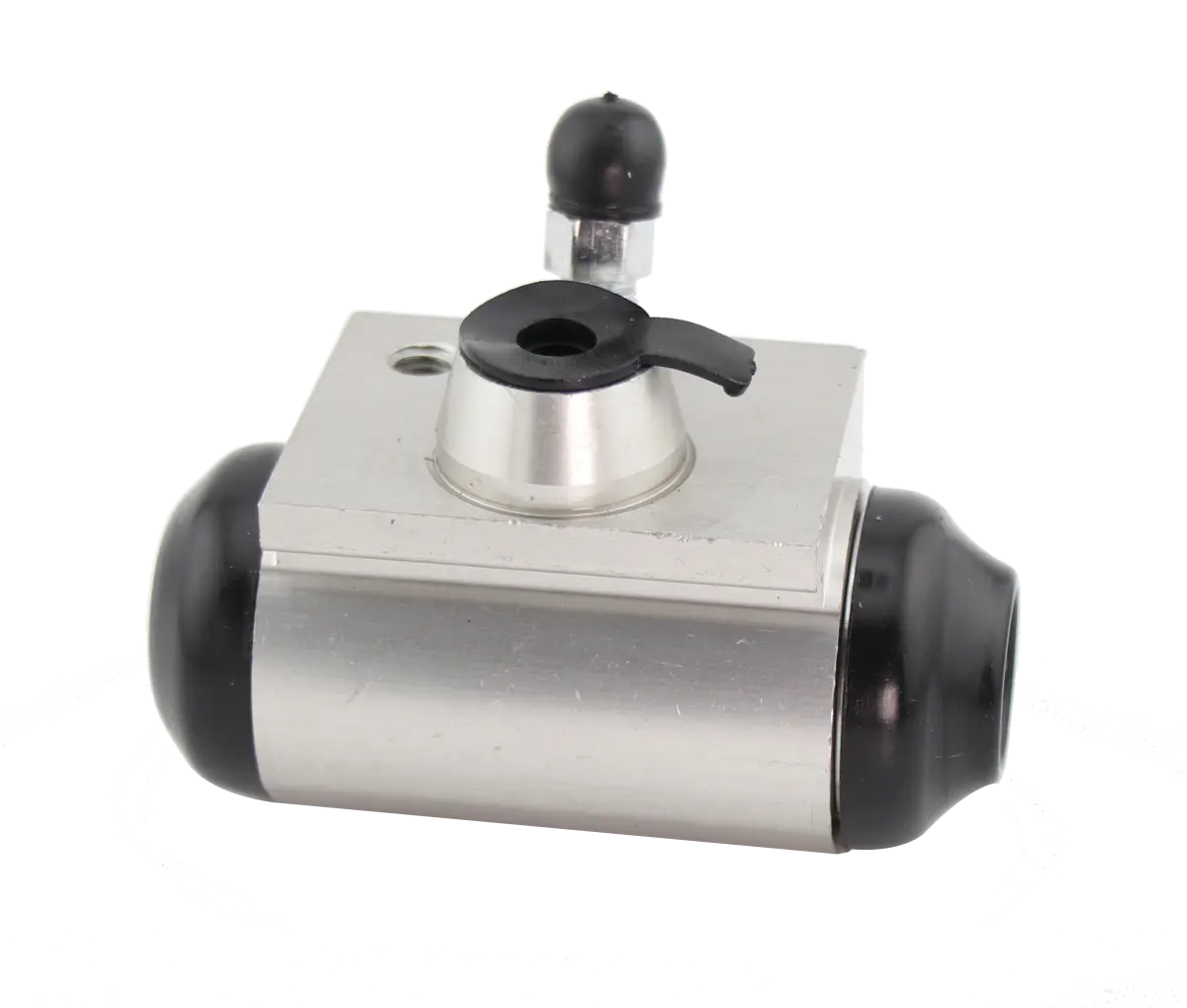
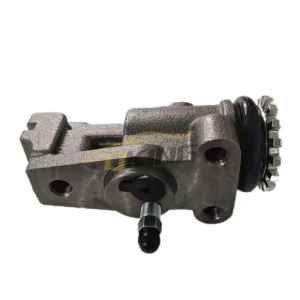
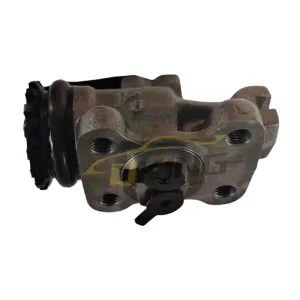
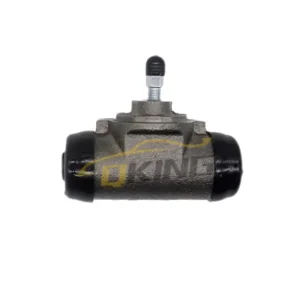
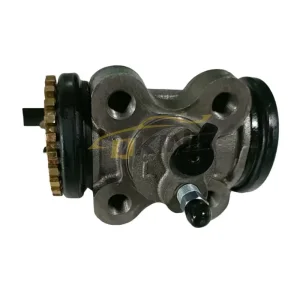
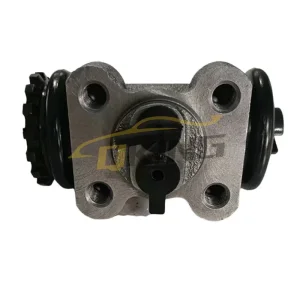
Vital assembly for drum brake systems, converting hydraulic pressure back into mechanical clamping force.
learn more → R3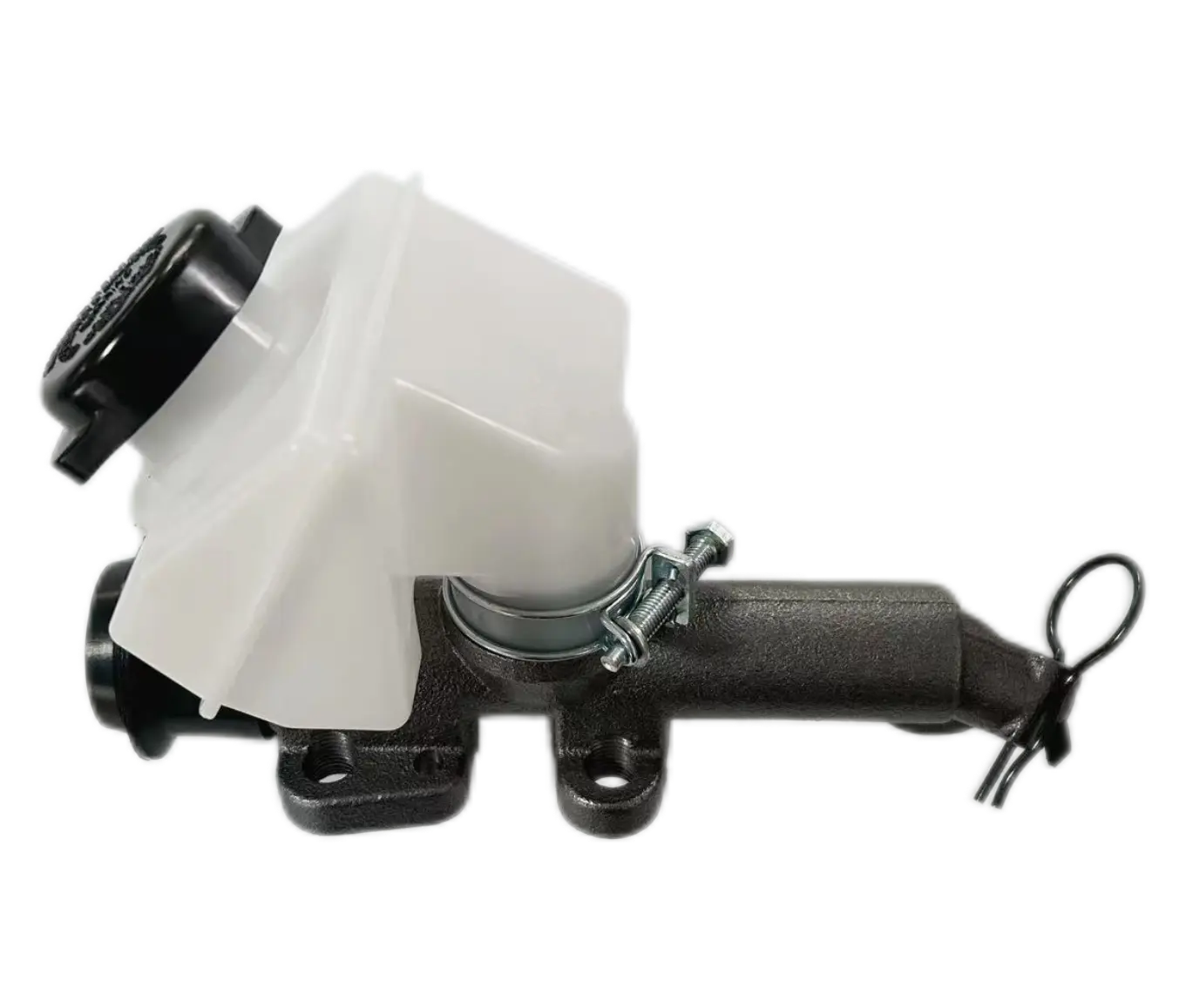
Essential manual transmission component regulating hydraulic flow to the slave cylinder.
learn more → R4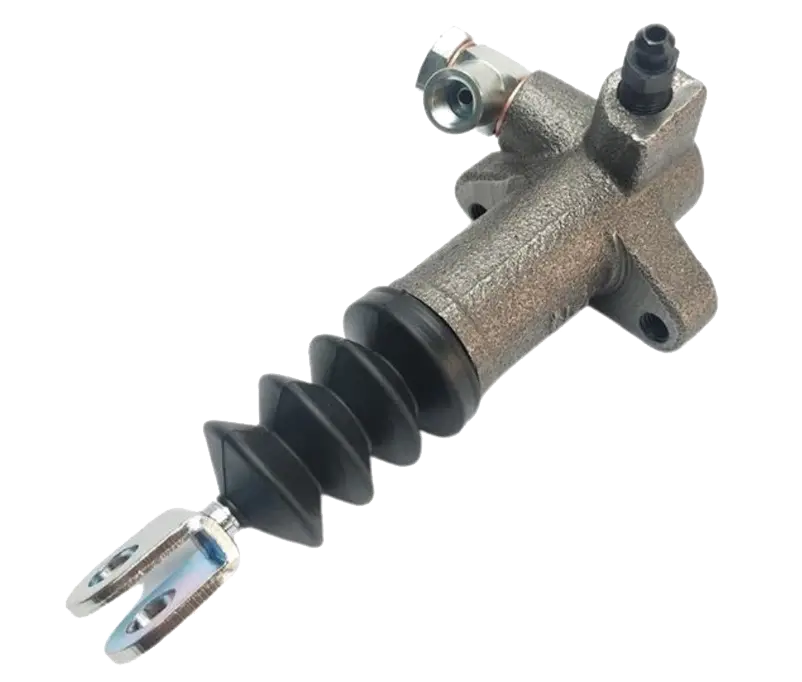
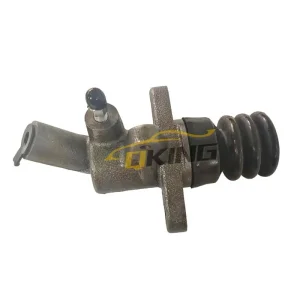
Heavy-duty cylinder designed to physically actuate the clutch fork with minimal resistance.
learn more → R5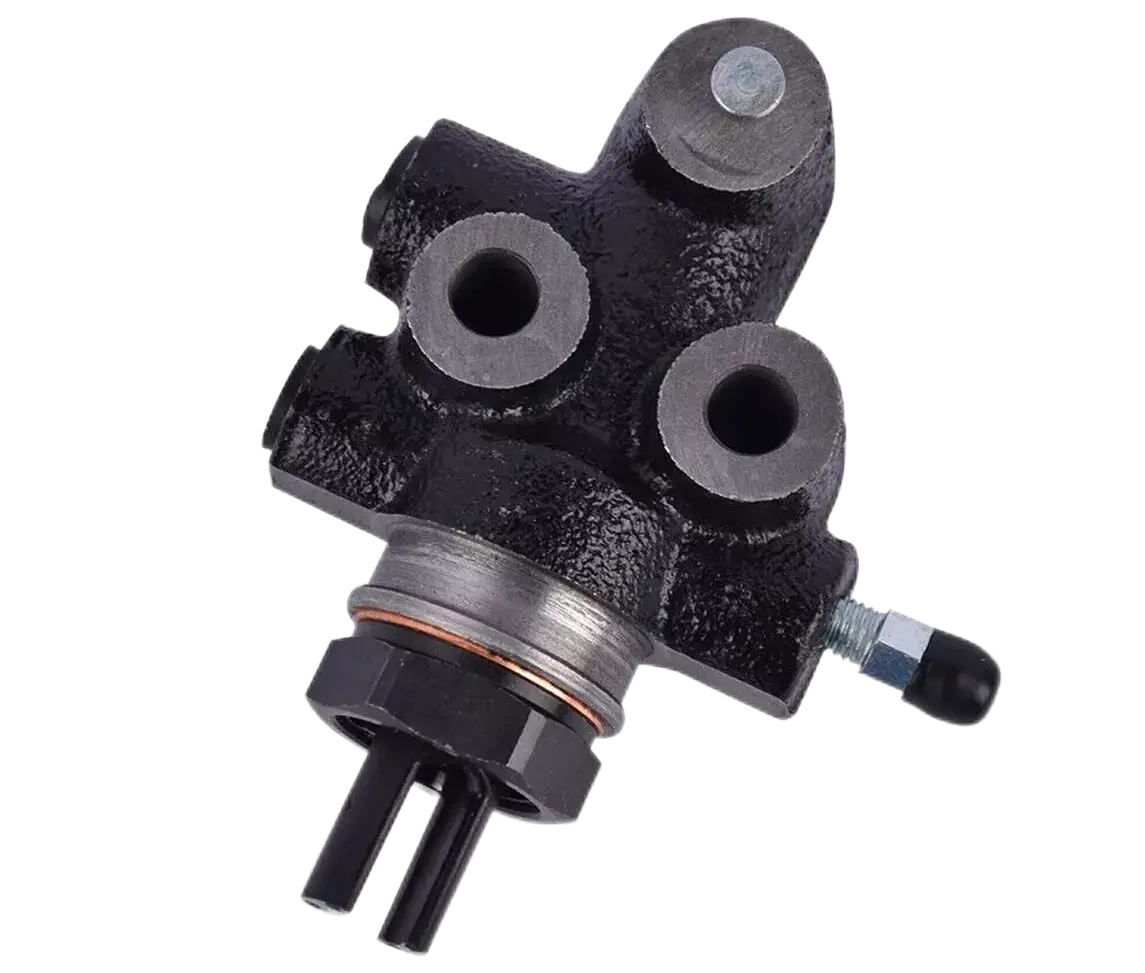
Regulates front-to-rear pressure distribution to prevent premature rear-wheel lockup.
learn more → R6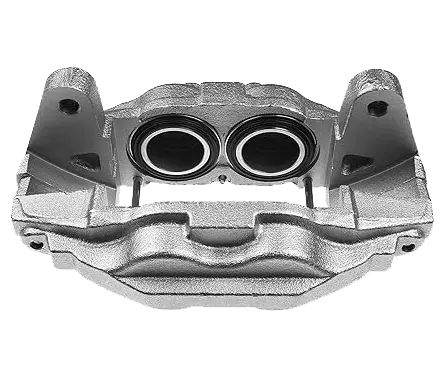
Precision-machined housings featuring low-wear pistons for disk braking setups.
learn more →Wuhu Qiujing Auto Parts Co., Ltd. is a leading specialized manufacturer and supplier focused on hydraulic safety-critical products, including brake master cylinders, wheel cylinders, clutch master cylinders, and clutch slave cylinders. Since our founder first entered the automotive braking field in 1996, we have leveraged decades of specialized industry experience and advanced production technology to develop dozens of models and thousands of product catalog lines.
Our products are engineered to fit distinct passenger cars and light commercial vehicles, meeting varying road conditions and regulatory environments globally. Quality is controlled rigorously under the GB/T19001-2016/ISO 9001:2015 and IATF 16949:2016 quality management systems.
 "Safety first" is the core concept of the factory.
Actively promotes the corporate spirit of "integrity, innovation, and efficiency".
"Safety first" is the core concept of the factory.
Actively promotes the corporate spirit of "integrity, innovation, and efficiency".
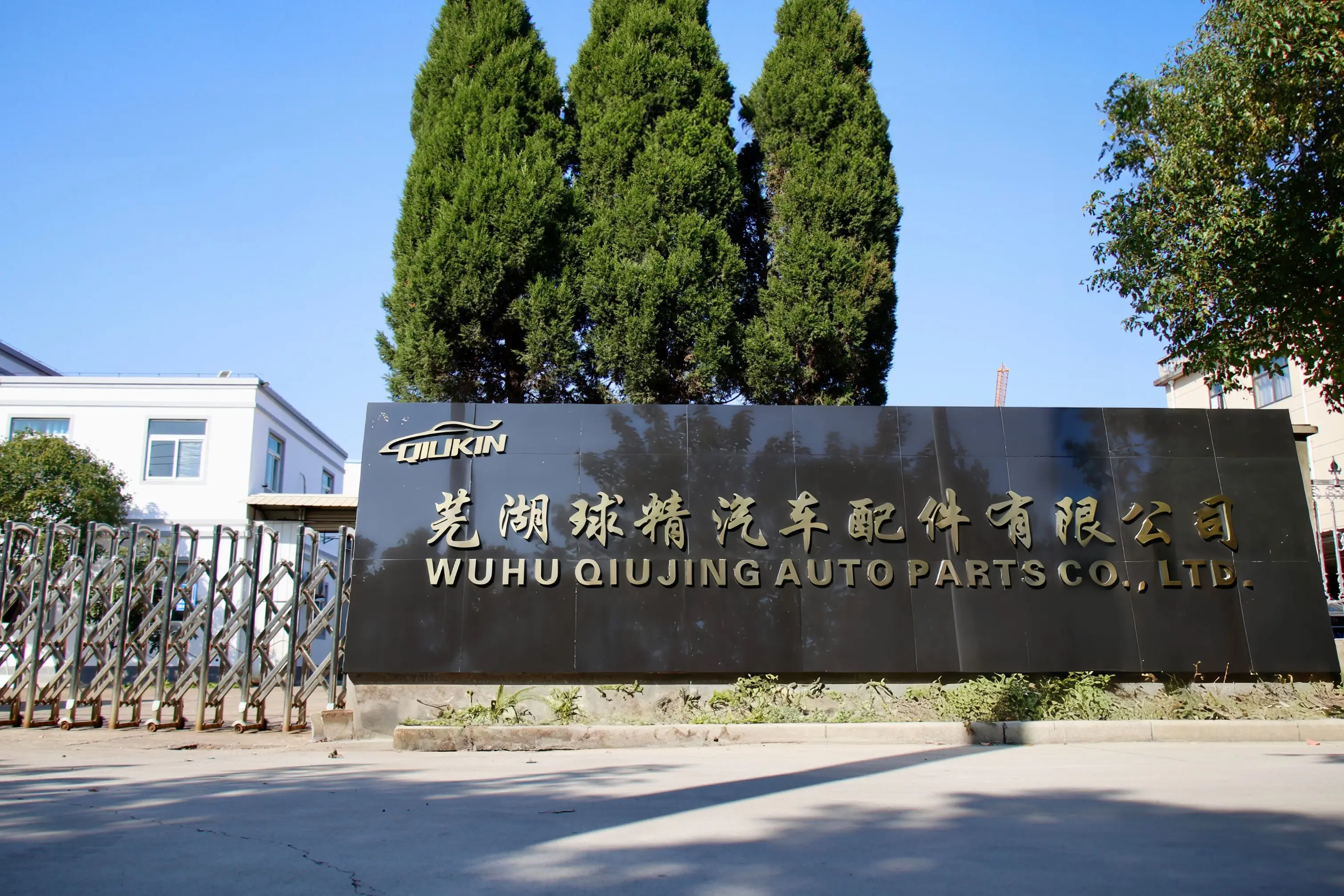
A professional, efficient, integrated, and comprehensive service system designed for industrial buyers.

Direct access to our 6,000+ m² facility, utilizing optimized workflows with over 50 professionals for 2M+ annual output capacity.

Equipped with complete test benches. We guarantee materials integrity and structural alignment, providing a robust two-year after-sales warranty.

Implementing uniform quality control checkpoints, automated tooling pathways, and flexible production scheduling for long-term partners.

Cross-functional coordination among dedicated R&D engineers, CNC operators, QC testers, and international client support specialists.
Key parameters for evaluating hydraulic master cylinder durability and pricing dynamics
Industrial sourcing of automotive components requires balancing up-front costs with structural durability. In safety-critical systems like vehicle braking, mechanical failures carry extreme liabilities. Procurement managers must analyze the following parameters when issuing RFQs for wholesale cylinders:
Internal surface roughness (Ra value) must be held within extremely tight bounds (typically below 0.4 microns). If the internal wall of the cylinder has micro-abrasions, the piston seals will wear down prematurely, leading to bypass leakage. A bypass leak permits fluid to flow past the piston cups inside the bore under pressure, resulting in a "mushy" brake pedal feel and dangerous drops in braking force.
Whether choosing lightweight aluminum or heavy-duty cast iron, the base material must be free of internal gas porosity and micro-cracking. Advanced manufacturers use X-ray flaw detection and ultrasonic testing on raw casting batches to verify that internal cavities can support pressure surges up to 15-20 MPa without structural failure.
Firms servicing Tier-1 automotive markets must demonstrate compliance with international standards. Ensuring your supplier operates under active certifications, such as IATF 16949:2016, ensures traceability. From raw metal billet heat numbers down to individual assembly line pressure testing data, every stage must be documented.
Consolidating purchasing across multiple component models (such as sourcing brake wheel cylinders, master cylinders, and clutch slaves together) yields substantial freight optimization and volume discounts. Source manufacturers with high production versatility can offer competitive consolidated quotes due to optimized casting tool changeovers.
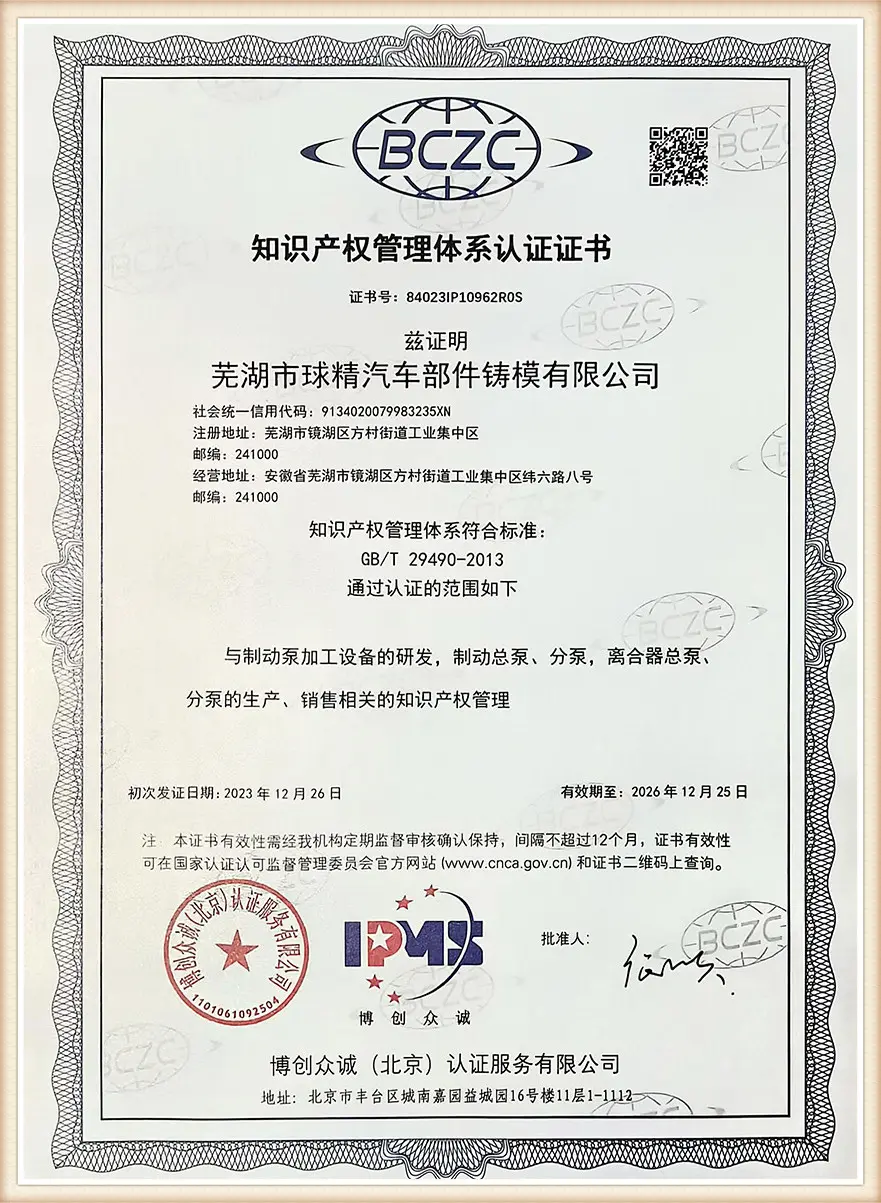
Advanced machinery and quality control verified by international standards
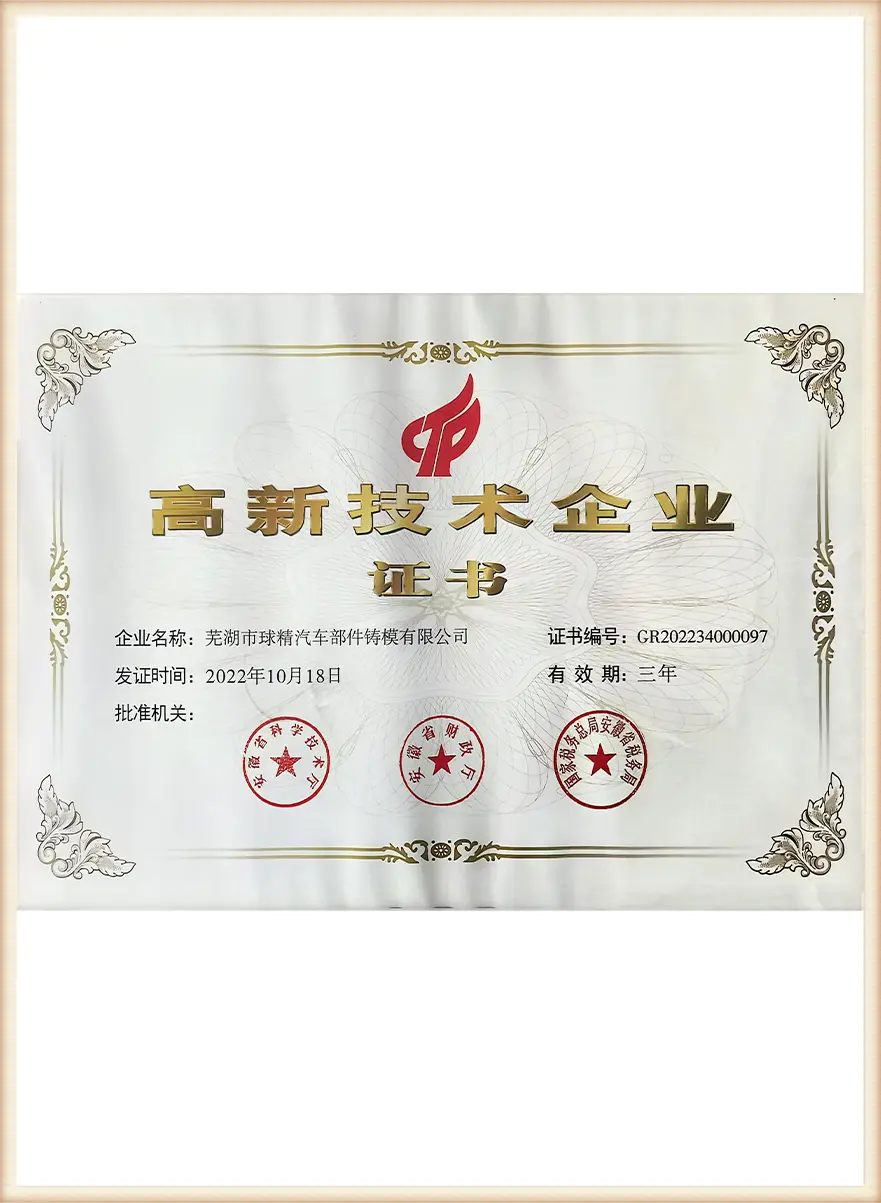
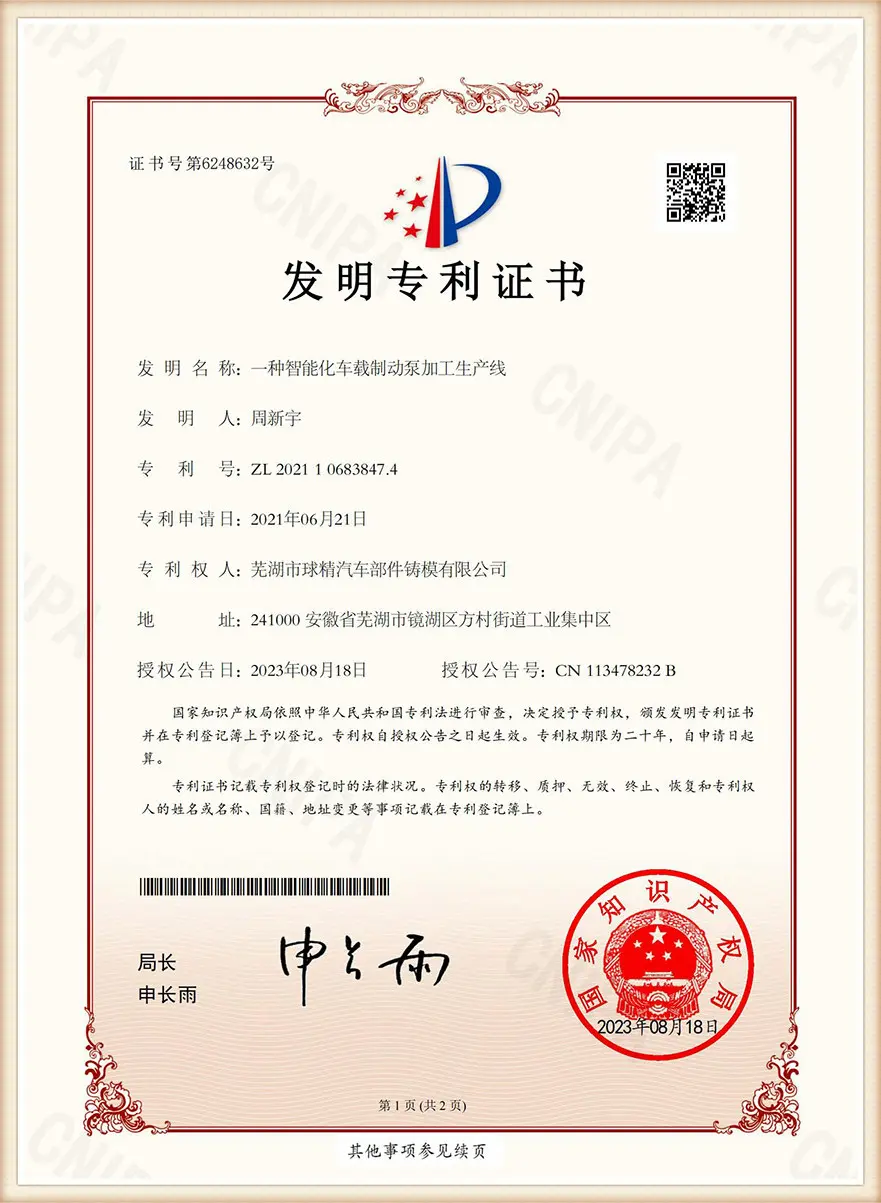
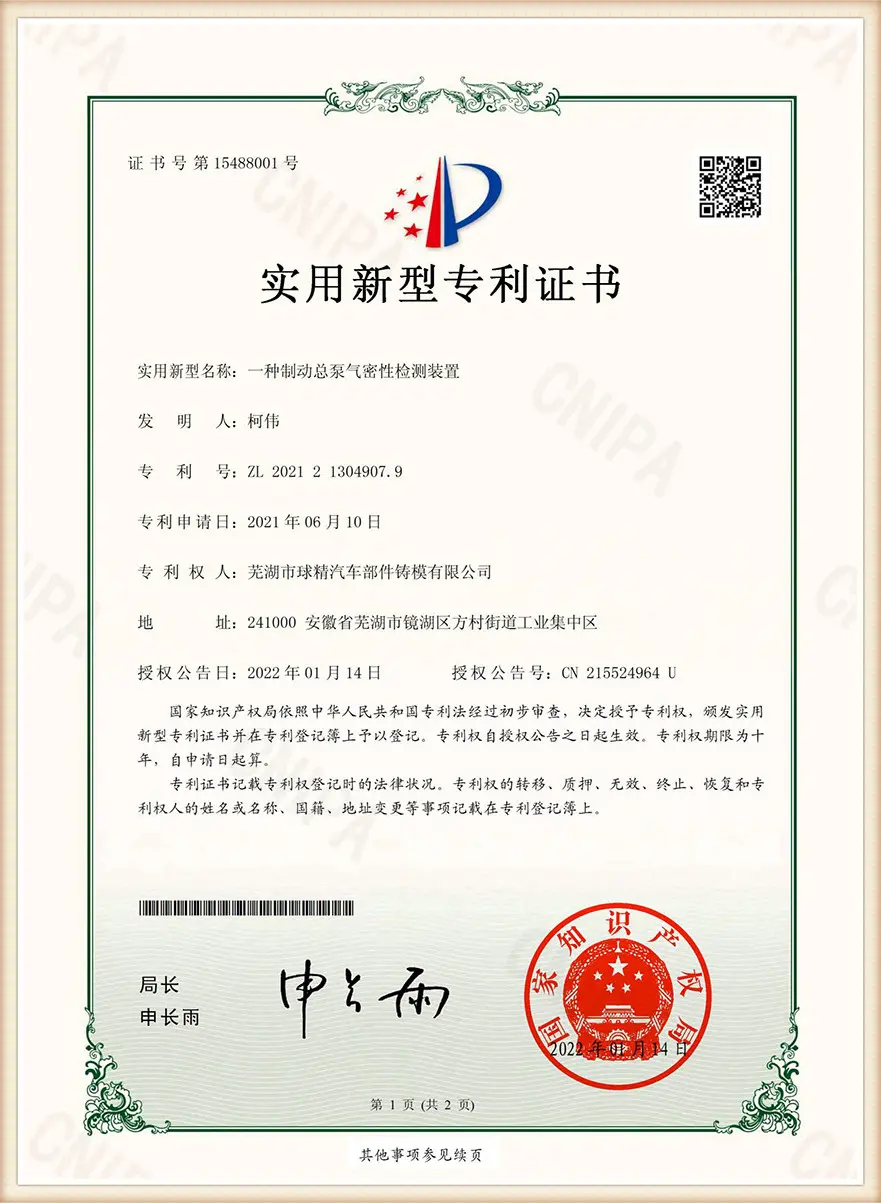
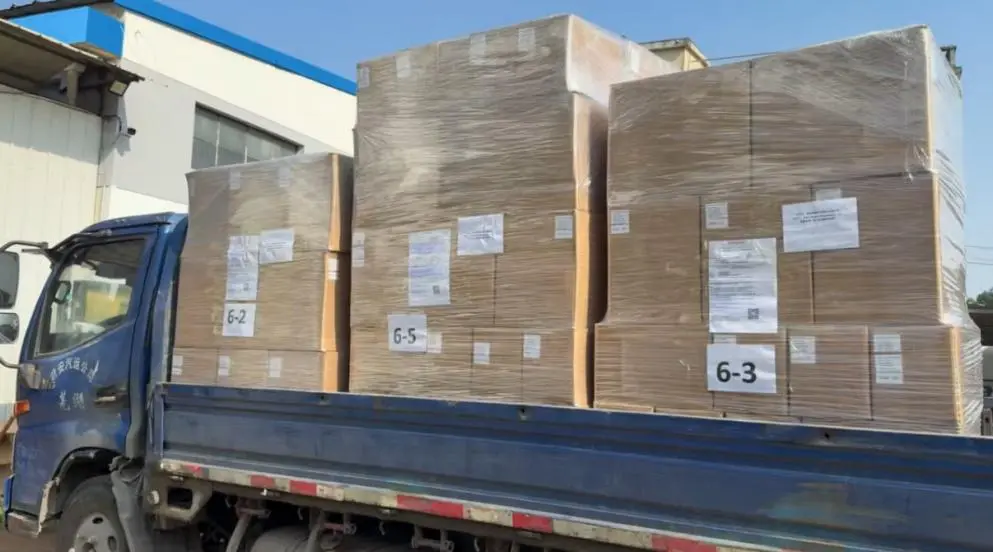
Stay informed on our latest operational milestones, holiday schedules, and logistics notices.
Expert answers addressing technical, commercial, and ordering criteria
Pricing is influenced by raw material selection (high-grade aluminum vs. nodular ductile cast iron), seal specifications (standard rubber vs. high-grade EPDM), bore honing accuracy, packaging requirements, and order volume. Purchasing directly from a source factory like Wuhu Qiujing optimizes raw material utilization and lowers intermediate costs.
IATF 16949 is the global quality standard for the automotive supply chain. It requires rigorous process controls, traceability from raw materials to final pressure tests, and continuous improvement cycles. This ensures that every brake master cylinder leaving the line meets strict safety tolerances.
Every single unit undergoes pneumatic leak testing and hydraulic pressure testing. This verifies seal integrity under low pressure (vacuum) and high pressure conditions (often exceeding 15 MPa). The components are also tested for piston stroke limits and return spring feedback speeds.
Yes. With decades of manufacturing experience, our R&D team can analyze samples, technical drawings, or OEM part numbers (such as Toyota, Isuzu, Hyundai, Mitsubishi, Mazda, and VW) to reproduce or customize components to precise performance levels.
Brake fluid is highly corrosive to standard rubber compounds. EPDM offers superior resistance to swelling, softening, and tearing when exposed to glycol-ether based brake fluids. It maintains its structural integrity and flexibility across temperatures ranging from -40°C to +120°C.
Connect with our engineering sales department. Receive specific price quotes, compliance sheets, and delivery options customized for your purchasing volume.

Broad vehicle compatibility with high reliability engineering standards