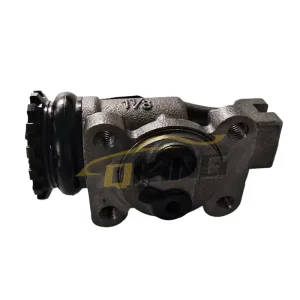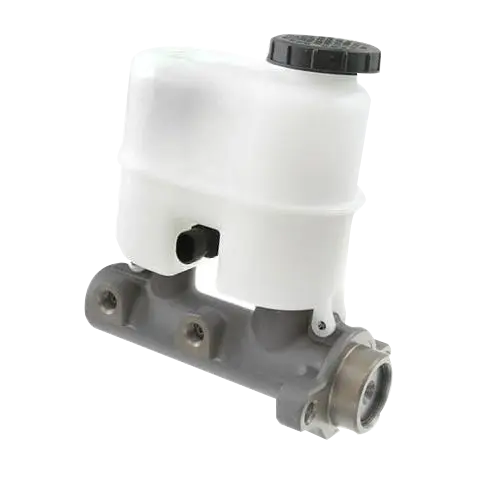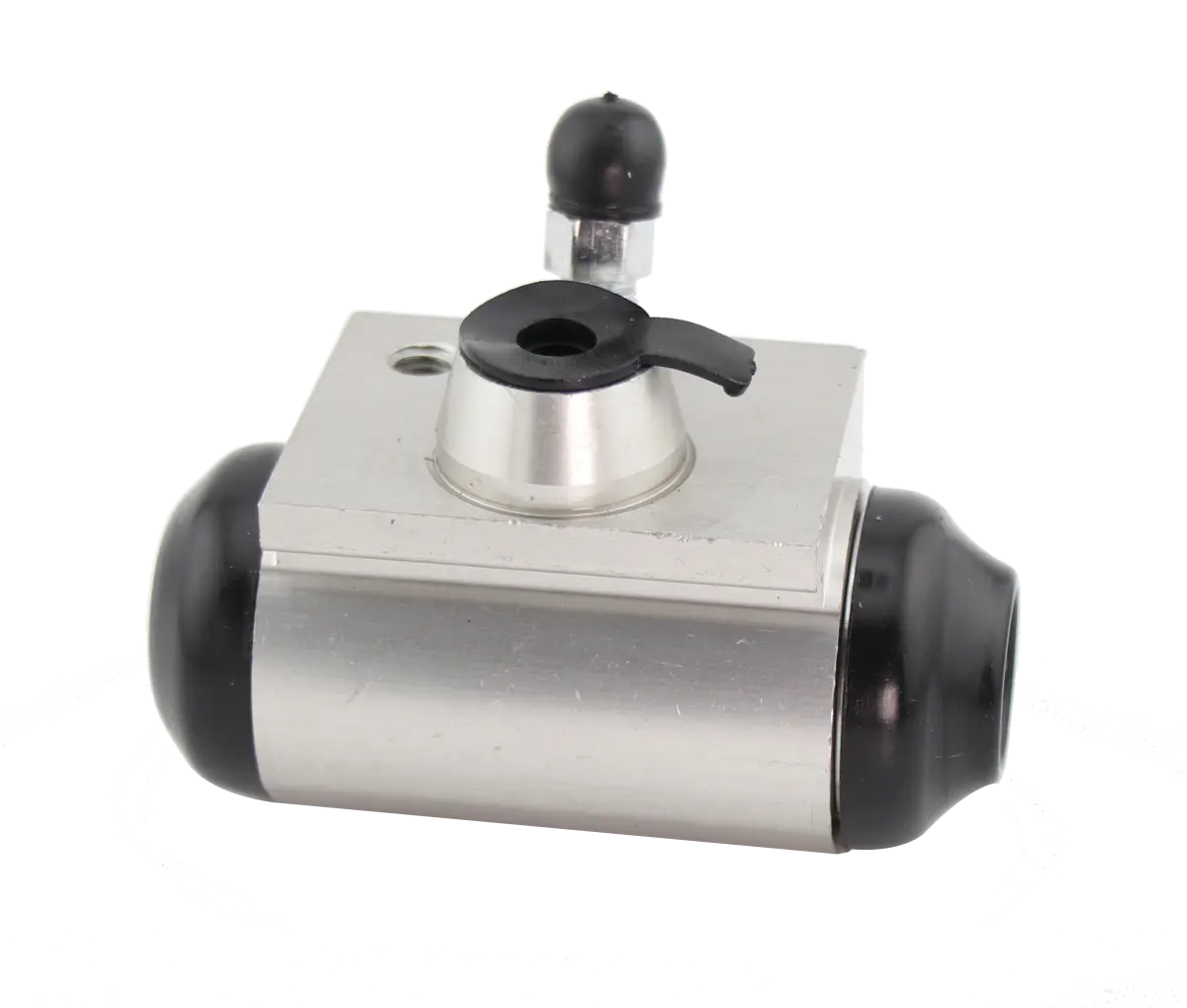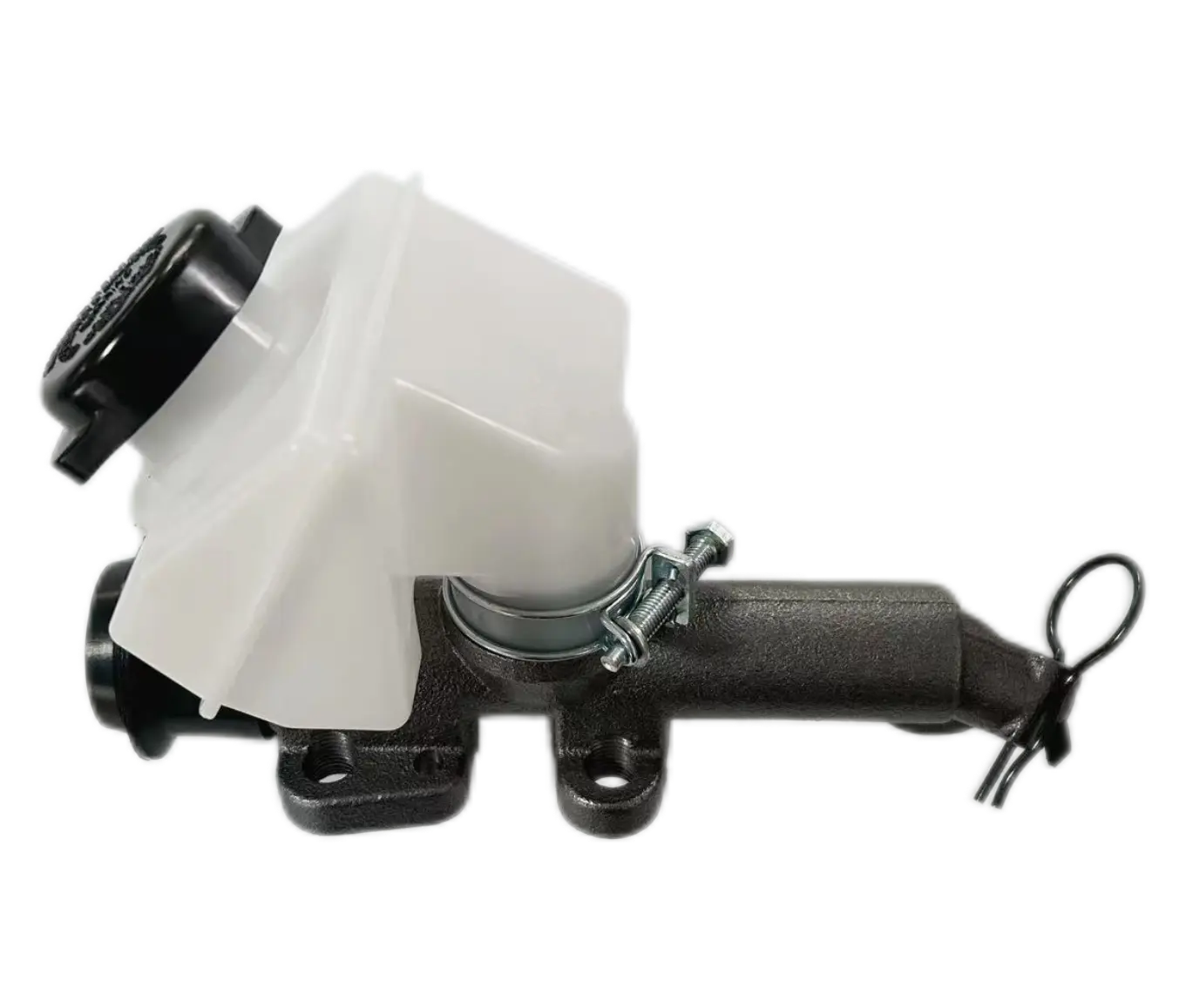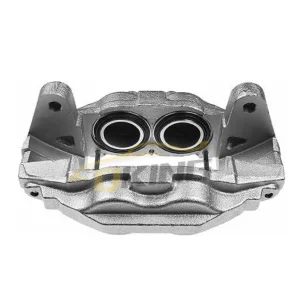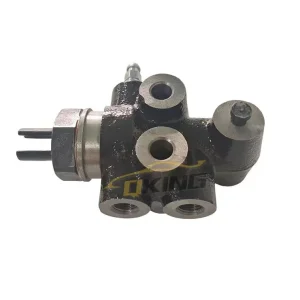
Explore our factory-direct, OEM-compatible brake master cylinders and hydraulic systems engineered to match global automotive specifications.
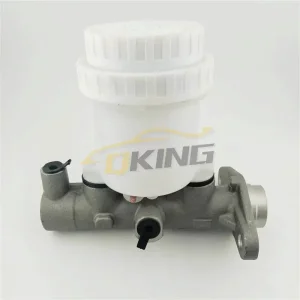
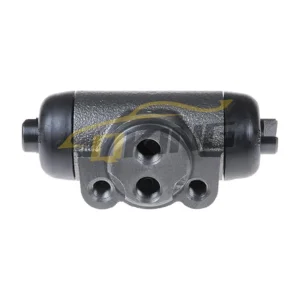
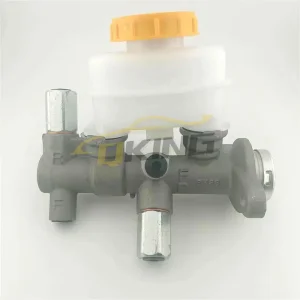
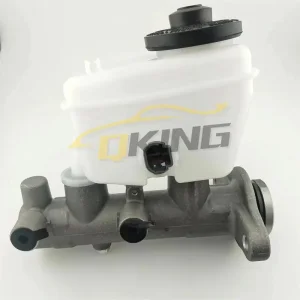
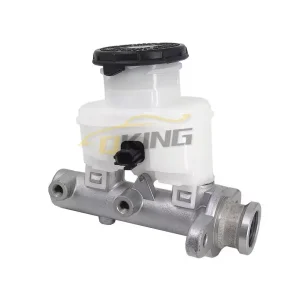
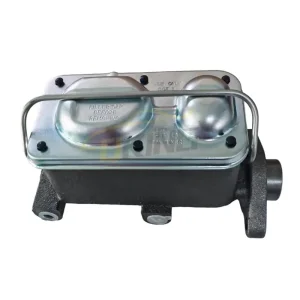
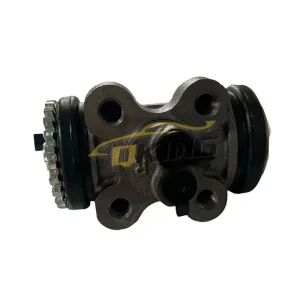
The modern automotive deceleration system is a complex integration of mechanical leverage and fluid dynamics, at the heart of which lies the brake master cylinder. Operating as the primary hydraulic transducer, the brake master cylinder converts raw mechanical force from the driver’s pedal or vacuum booster into pressurized hydraulic force. This energy is transmitted through the brake lines directly to wheel cylinders and brake calipers. Ensuring the structural integrity, dimensional accuracy, and material consistency of these systems is not merely a matter of vehicle performance; it is an absolute safety mandate.
As global automotive logistics face new geopolitical constraints and regulatory developments, corporate procurement departments require a deeper understanding of master cylinder manufacturing. Factors such as raw metal grades, precision piston tolerances, polymer compatibility in seals, and automated validation play critical roles in purchasing decisions. This document outlines the engineering standards, supply chain structures, pricing dynamics, and industrial paradigms that define the high-quality brake master cylinder market today.
Safety is the primary metric in braking system design. In hydraulic engineering, minor variations in mechanical tolerances can lead to system-wide failures. Understanding these technical nuances is essential for global sourcing managers and fleet operators.
Hydraulic braking components must be engineered to match specific application demands. The system relies on several interdependent components, each serving a distinct function in pressure transmission and fluid management:
The global automotive hydraulic parts market operates under strict regulatory oversight. Key certifications include Europe's UNECE regulations, America's Federal Motor Vehicle Safety Standards (FMVSS), and international quality systems like IATF 16949:2016. Commercial dynamics differ significantly by region:
The North American fleet consists of light-duty trucks, passenger vehicles, and heavy-duty logistics units. The market demands brake components that meet FMVSS 105 and 135 requirements, ensuring reliable stopping distances under varying load conditions. Distributors prioritize products that provide immediate, direct-fit replacements to minimize labor times in workshops.
European Union member states require adherence to ECE R90 regulations for brake components. Environmental compliance, such as the REACH directive and Restriction of Hazardous Substances (RoHS), also impacts production methods. Manufacturers must eliminate heavy metal contaminants and use sustainable plating techniques, such as trivalent chromium coatings, to prevent cylinder body corrosion.
The Asia-Pacific region is a major hub for vehicle assembly and component manufacturing. Emerging economies in Southeast Asia face challenging driving environments, including high humidity and variable road conditions. These factors require brake systems with superior thermal dissipation and robust polymer seal formulations to prevent premature fluid degradation.
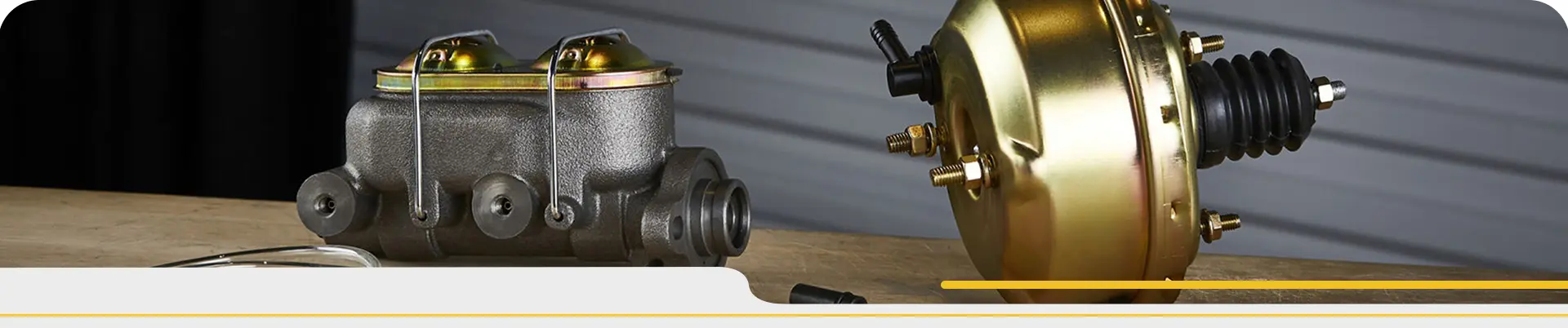

Established in 2007, with foundational roots extending back to 1996, Wuhu Qiujing Auto Parts Co., Ltd. is a dedicated developer and manufacturer of high-performance automotive brake components. Our engineering portfolio spans thousands of vehicle applications, ensuring coverage for global automotive platforms.
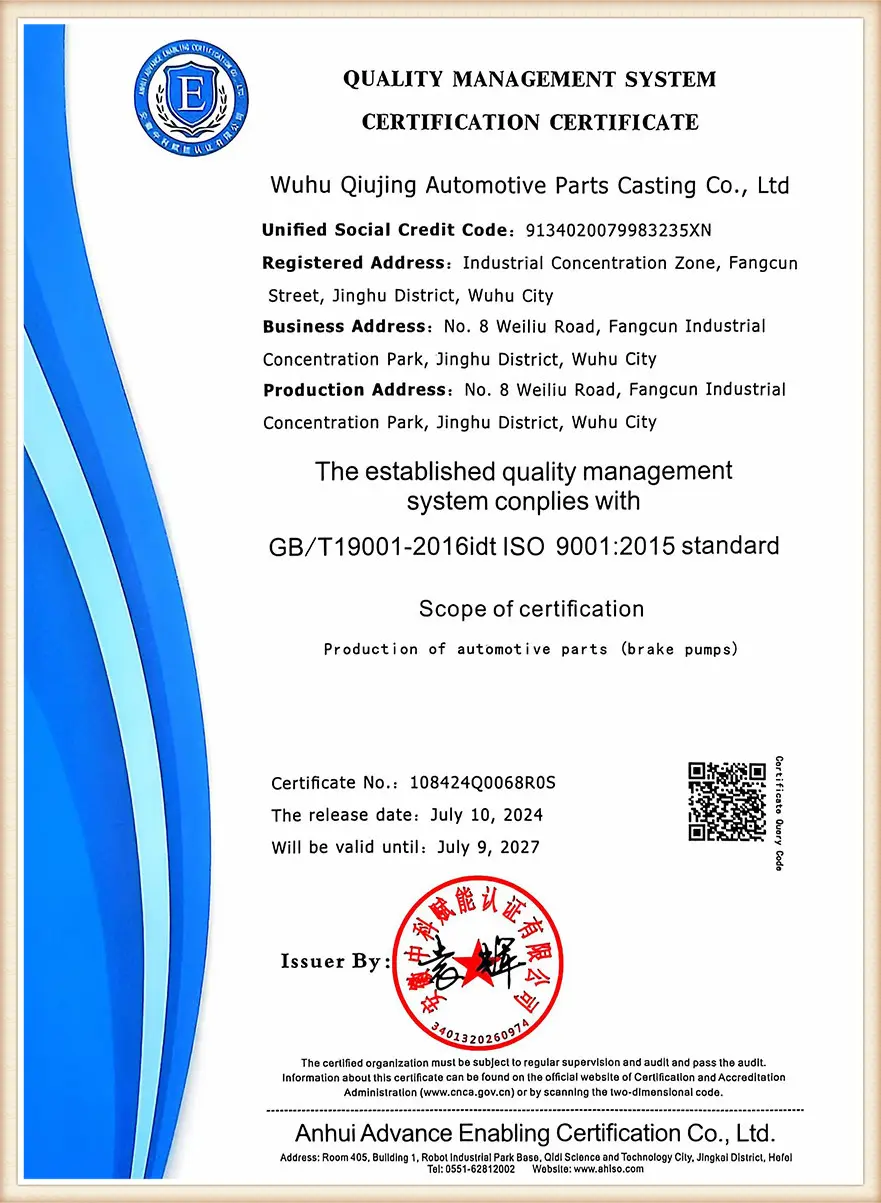
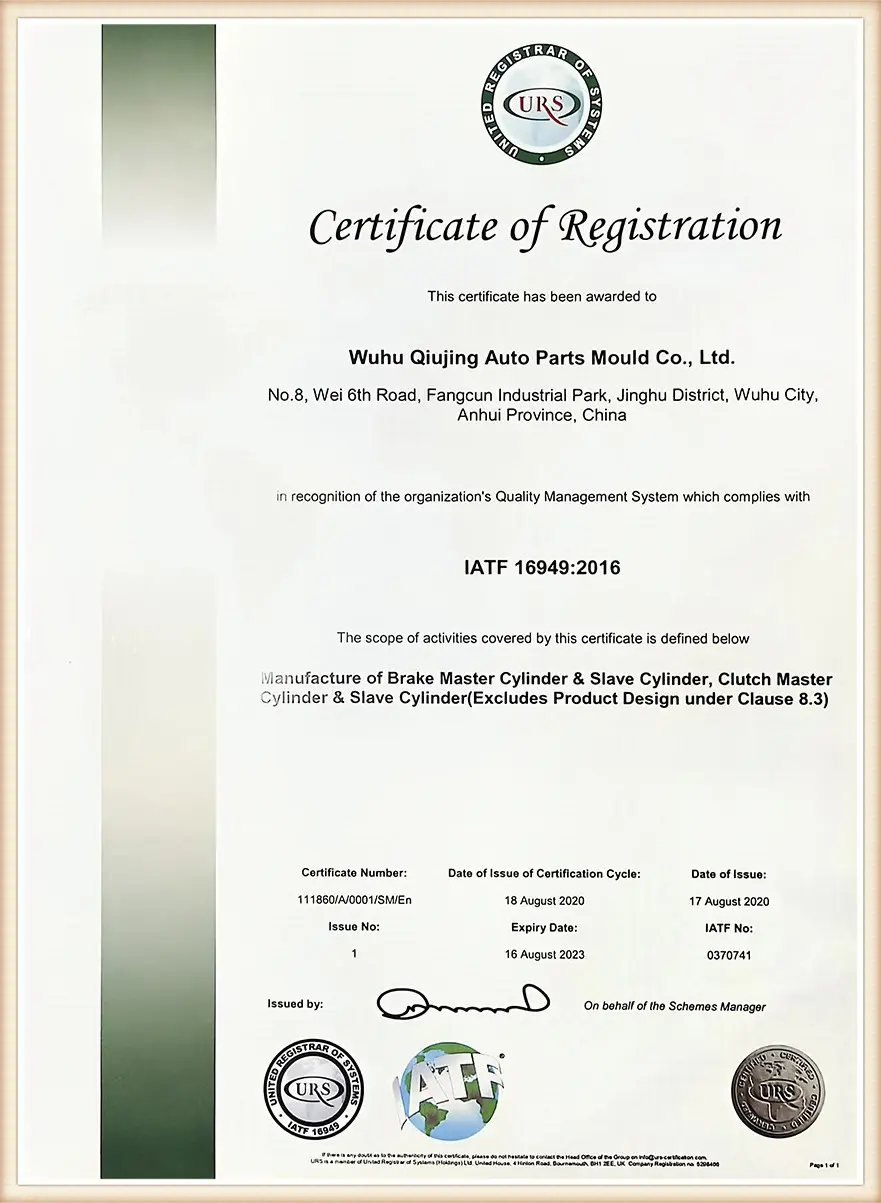
Our operations are certified under the GB/T19001-2016 / ISO 9001:2015 and IATF 16949:2016 quality management standards, reflecting our commitment to manufacturing consistency and product safety.
 "Safety First" is the foundational engineering principle for every cylinder we produce. We focus on continuous optimization of metallurgical properties and surface finishes. Fully integrated manufacturing processes from casting to automated quality control.
Evaluating procurement options for hydraulic brake parts requires an understanding of the primary cost drivers behind factory quotes. Sourcing decisions should balance upfront pricing with long-term product reliability to minimize warranty and liability costs.
The choice of raw material—typically high-strength anodized aluminum or cast iron—determines the cylinder's weight, strength, and longevity. Machining the internal bore requires precise CNC processing to achieve tolerances measured in microns. Deviations in bore roundness or surface finish can accelerate seal wear, leading to internal bypass leakage and loss of pedal pressure.
The piston assembly relies on high-grade elastomeric cups (typically EPDM) to maintain pressure boundaries under varying temperatures (-40°C to 120°C). Cheaper materials can swell or degrade when exposed to glycol-based brake fluids (DOT 3, DOT 4, DOT 5.1). Using quality polymer formulations helps maintain long-term sealing performance and consistent stopping power.
Reliable factories implement multi-stage testing, including automated low-pressure pneumatic checks, high-pressure hydraulic tests, and lifecycle durability simulations. These validation steps help prevent field failures and ensure consistent product quality, helping buyers avoid costly recalls and service issues.
The transition toward advanced manufacturing in China's automotive corridors has reshaped the global component supply chain. Industrial clusters, such as those in Wuhu, combine raw material sourcing, precision casting, CNC machining, and automated logistics into a single regional footprint.
Wuhu Qiujing Auto Parts leverages this industrial ecosystem to optimize lead times and maintain production quality. By using CNC machining centers, automated anodizing lines, and customized pressure-testing fixtures, our facility supports consistent production runs for global distribution networks. This localized supply chain model reduces logistics overhead and helps buffer against international shipping fluctuations, offering international partners stable lead times and consistent product availability.
Wuhu Qiujing Auto Parts provides global buyers with a streamlined pathway from technical inquiry to volume delivery. Our operational structure is built around four key pillars:

Direct manufacturer control over 6,000+ m² facility, enabling an annual output capacity of over 2 million units.

Documented QA/QC processes covering raw material intake to final testing, backed by a 2-year warranty.

Integrated raw material sourcing and flexible production scheduling support consistent, long-term supply agreements.

In-house R&D, tooling, and quality control teams work directly with client engineers to resolve technical challenges.
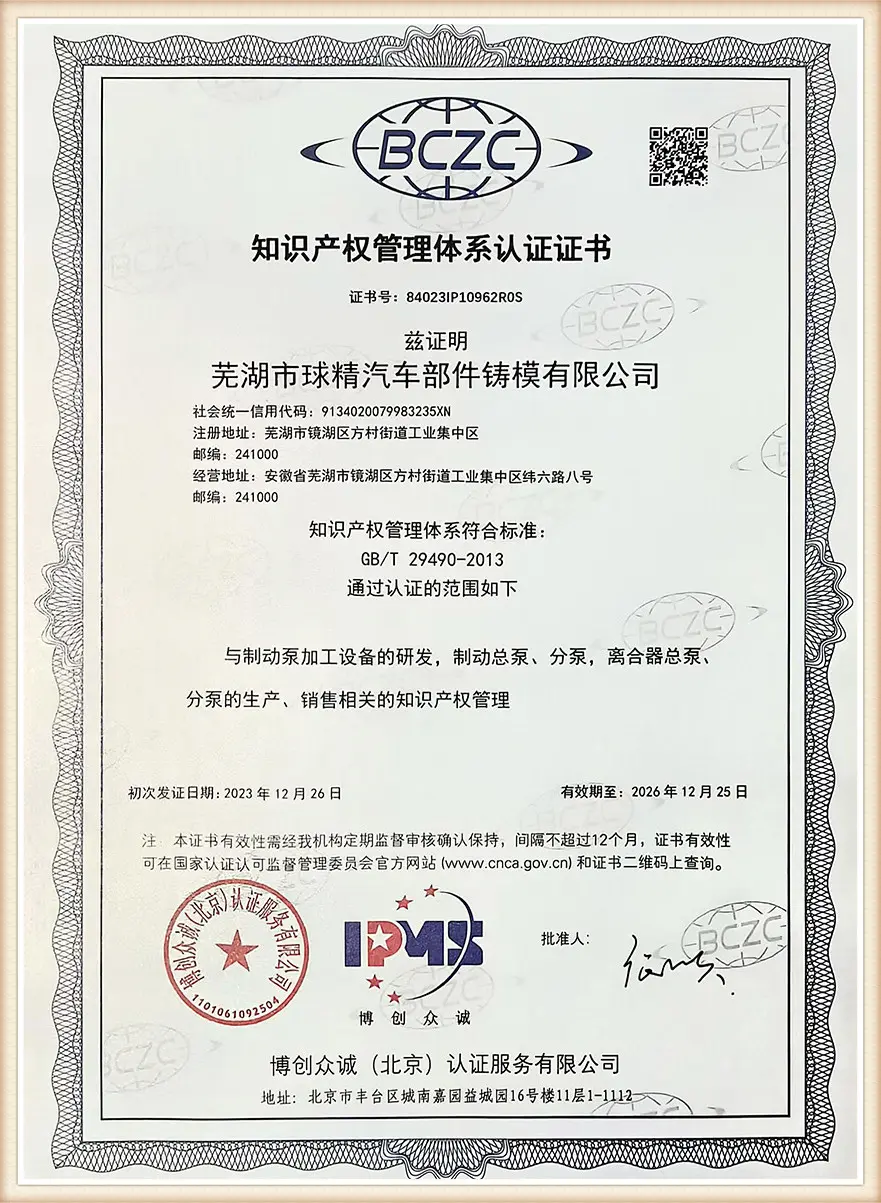
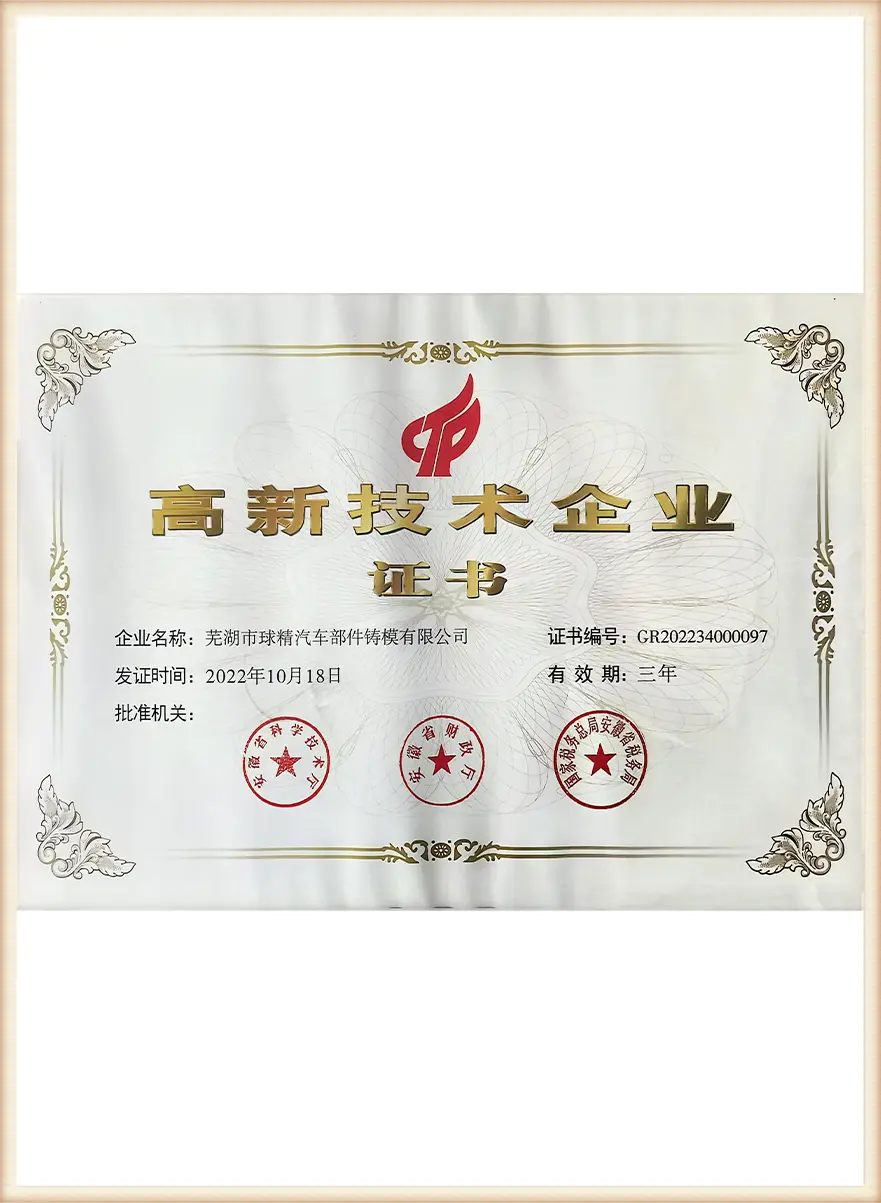
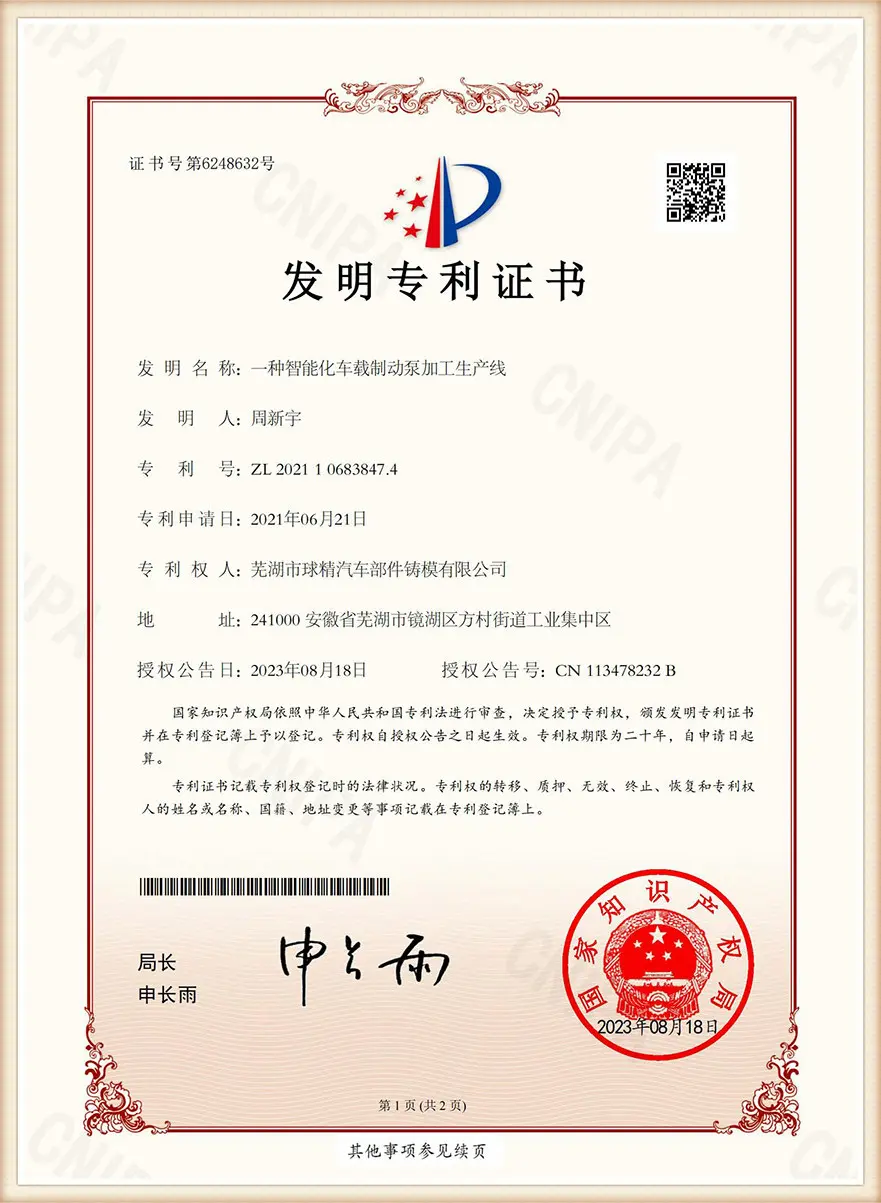
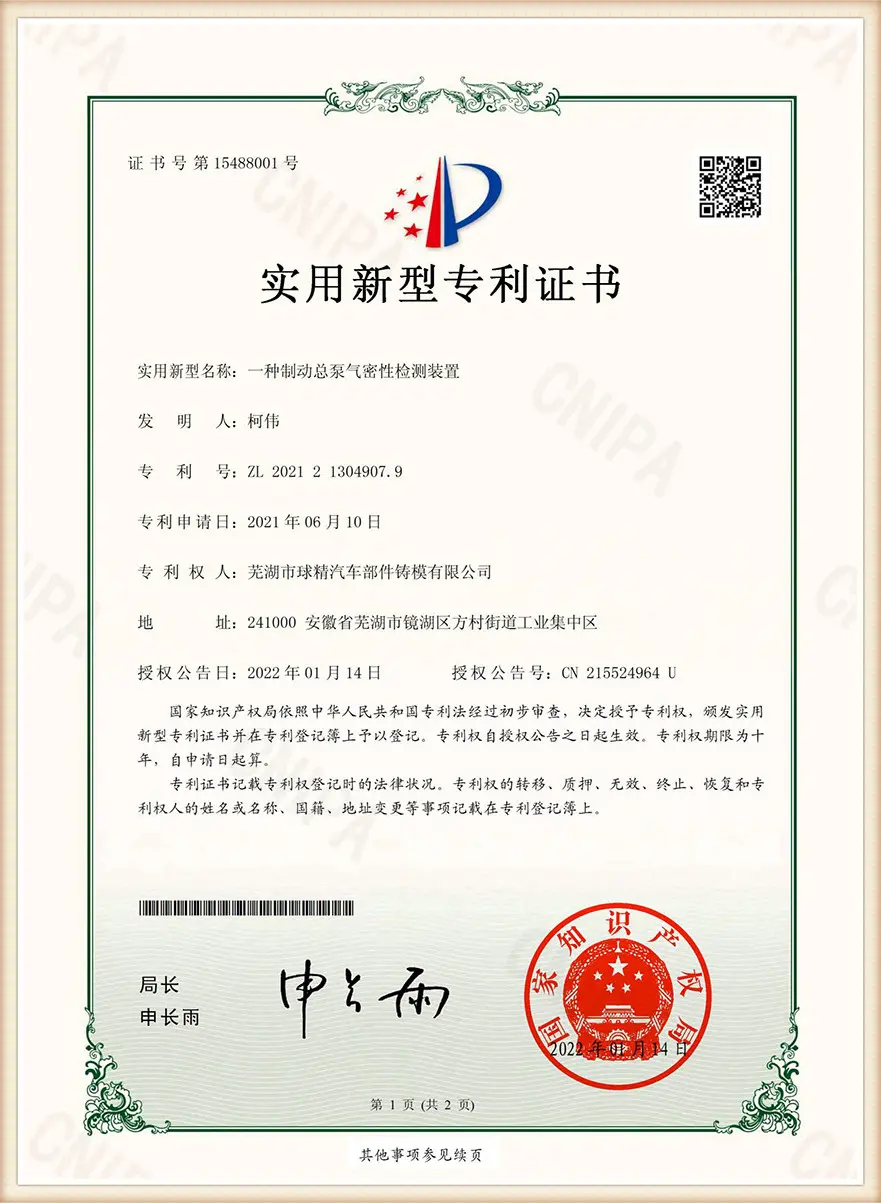
We maintain full compliance with international manufacturing guidelines, backed by comprehensive testing and documentation. Our certifications include:
Stay informed about Wuhu Qiujing Auto Parts' operational developments, holiday notices, and seasonal logistics updates.
Information regarding our production schedules and shipping adjustments during major public holidays.
View Details →
Our production facilities have resumed normal operations, with all lines running to fulfill outstanding international orders.
View Details →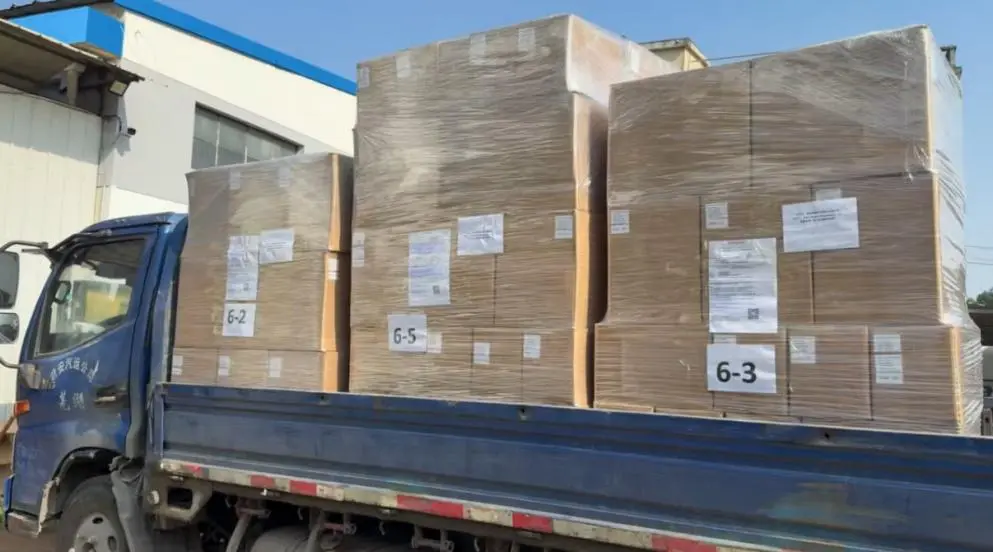
We successfully completed our year-end dispatch program, meeting all quality inspections and shipping deadlines for global partners.
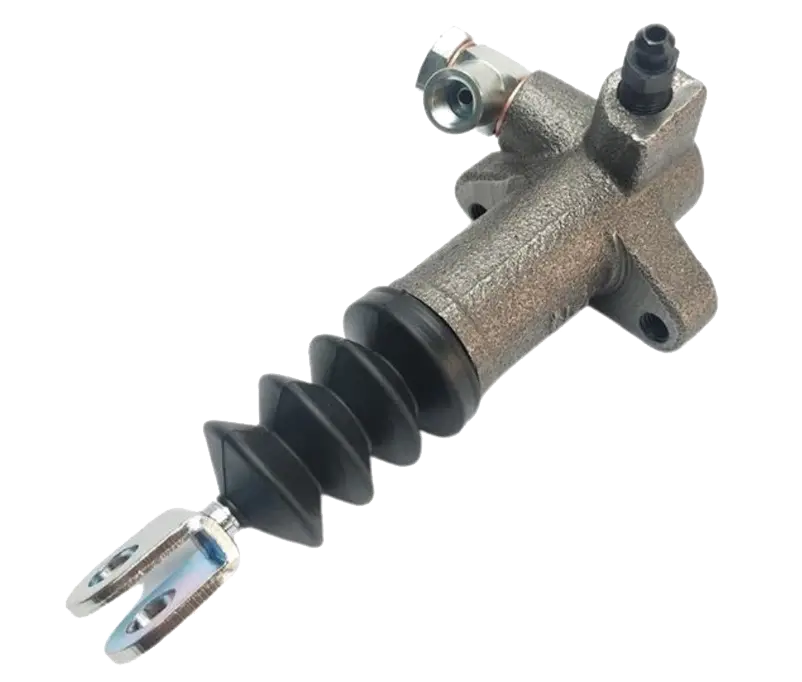
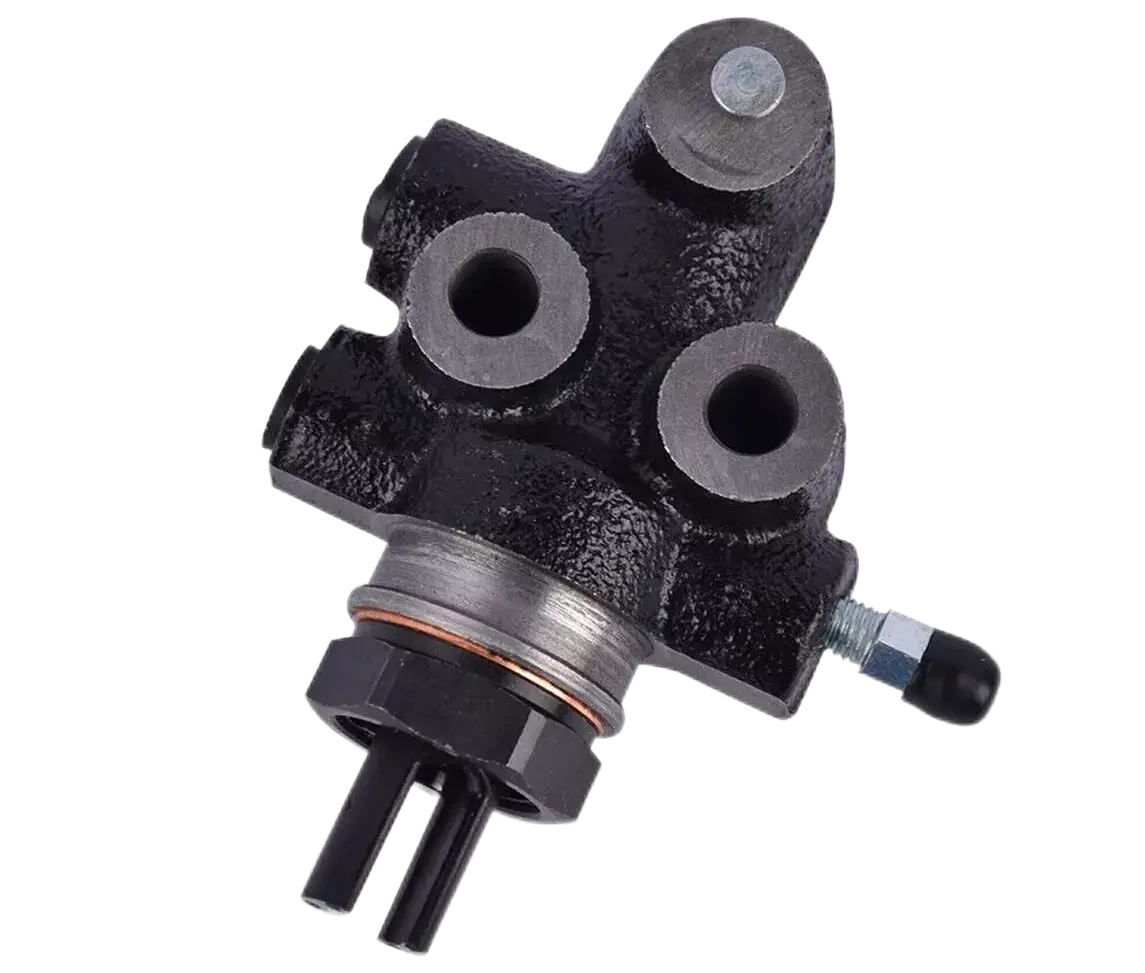
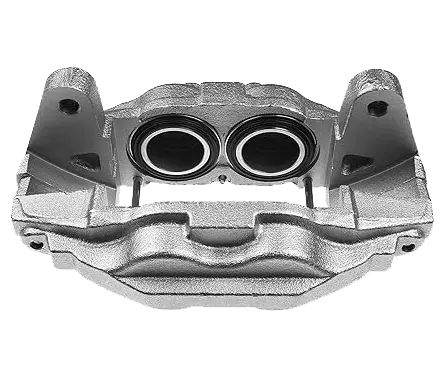
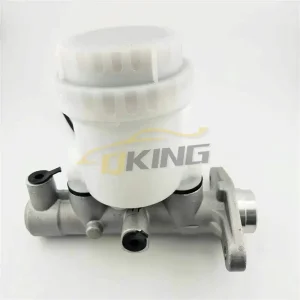
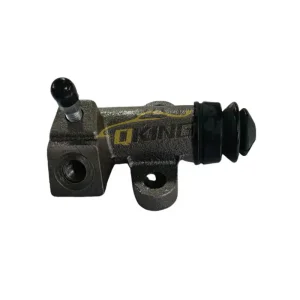
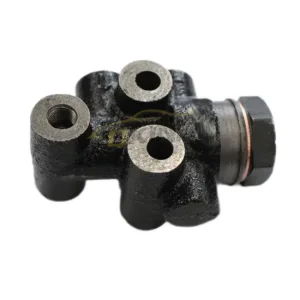
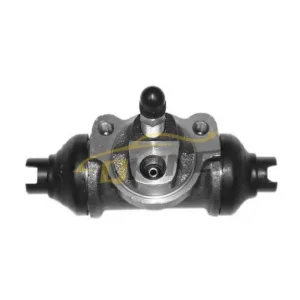
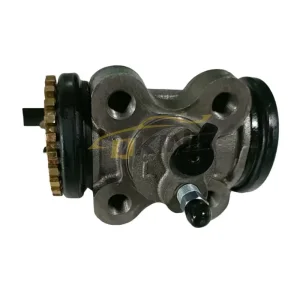
View Details →Additional products from our manufacturing line, including clutch slaves, proportional control valves, and specialized brake calipers.

Get accurate pricing details, custom quotes, and product specifications from our engineering team.