
A failing clutch master cylinder can turn a normal drive into a stressful, unpredictable experience. You may press the pedal and feel it sink slowly toward the floor. Gear changes become difficult, especially when the engine is warm or traffic becomes heavy. In some vehicles, the clutch pedal feels unusually soft, while others develop a strange stiffness. These symptoms often appear gradually, so drivers may blame the clutch disc too quickly.
The Cylinder Master Clutch, commonly called the clutch master cylinder, converts pedal pressure into hydraulic force. Inside, a piston, seals, and return spring work with brake fluid to operate the clutch slave cylinder. When a seal wears, fluid may bypass the piston instead of creating steady pressure. You might notice dampness near the firewall, a falling fluid level, or dark fluid inside the reservoir. Sometimes, there is no obvious leak. That makes diagnosis less straightforward.
A careful inspection should begin with the fluid reservoir, hydraulic lines, pedal linkage, and slave cylinder. Press the pedal several times and observe whether it returns consistently. Do not ignore a pedal that suddenly feels different. It could leave you unable to disengage the clutch safely. However, replacing the master cylinder immediately is not always the best answer. Air in the system, a damaged hose, or a worn slave cylinder can create similar symptoms. I have seen diagnoses change after one overlooked connection was checked properly. That is an easy mistake to make.
This guide explains common failure causes, warning signs, testing methods, and repair decisions. It also considers driving habits, fluid contamination, heat, and vehicle age. A reliable diagnosis protects both your budget and your safety.
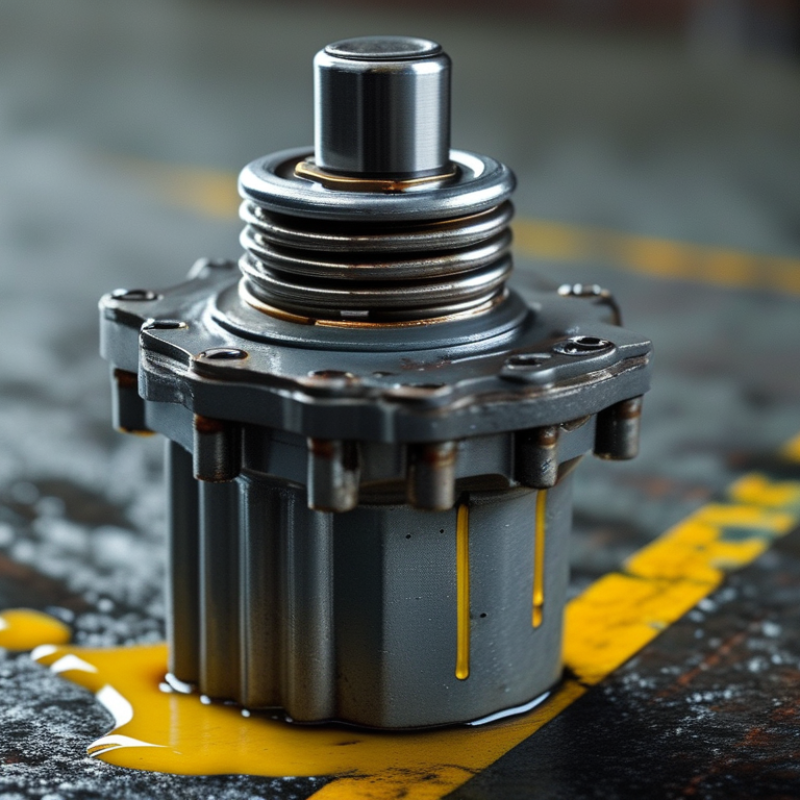
When you press the clutch pedal, the pushrod moves a piston inside the master cylinder. The piston seals against the cylinder wall. Brake fluid then receives pressure from this small movement. That pressure travels through a hydraulic line to the clutch slave cylinder. The slave cylinder moves the release mechanism, separating the clutch disc from the flywheel. It is a simple process. Small parts matter.
A failing master cylinder often develops worn internal seals. Fluid may bypass the piston instead of building firm pressure. The pedal can feel soft, sink slowly, or remain close to the floor. Sometimes the fluid level stays normal, which makes diagnosis confusing. Air in the system creates similar symptoms. A careful inspection should check leaks, hose connections, fluid condition, and pedal movement. Do not replace parts by guesswork.
Heat, contaminated fluid, and repeated pedal force can accelerate wear. A rough cylinder bore may damage new seals quickly. I have seen technicians overlook the pushrod adjustment, then blame the hydraulic unit. That is an easy mistake. Pressure testing and proper bleeding provide better evidence. The repair should follow the vehicle’s service specifications, because pedal travel and fluid requirements can differ. A mirror and flashlight may reveal dampness around the cylinder, but hidden leakage can still escape visual inspection.
Why Is My Clutch Master Cylinder Failing?
A failing clutch master cylinder often reveals itself through pedal behavior. With internal seal bypass, the pedal may slowly sink while steady pressure is applied. The clutch can still engage at first, then lose release height during traffic. Gear selection becomes difficult, especially for first and reverse gears. Sometimes pumping the pedal temporarily restores pressure. That clue matters.
External leakage leaves different evidence. Check beneath the dashboard, near the pushrod, and around the cylinder body. Damp carpet, oily residue, or paint damage can indicate escaping hydraulic fluid. The reservoir level may also fall. Look for wetness near the firewall and along the hydraulic line. Do not rely on fluid level alone. A small leak may hide behind insulation.
From workshop experience, I test the system with the engine off before replacing parts. I press the pedal firmly for thirty seconds and watch for movement. A sinking pedal suggests pressure loss, but it does not prove the master cylinder is guilty. Air, hose expansion, or a slave-cylinder fault can imitate the same symptom. I have misread this test before. That mistake wastes time and parts.
Clean the suspected area first. Then inspect it again after several pedal applications. Never ignore fluid near the pedal, because it can damage carpet and reduce clutch control. If the pedal suddenly drops, avoid driving until the hydraulic system receives a proper inspection.
Why Is My Clutch Master Cylinder Failing?
How DOT 3 and DOT 4 Boiling Points Affect Hydraulic Clutch Reliability
A failing clutch master cylinder may not be failing mechanically. Excessive heat can boil contaminated fluid and create compressible vapor. The pedal then feels soft, engagement becomes inconsistent, and gears may resist selection. Heat changes everything. DOT 3 fluid typically has a minimum dry boiling point of 205°C and a wet point of 140°C. DOT 4 generally starts higher, at 230°C dry and 155°C wet. Actual performance depends on the fluid’s specification and condition.
Moisture enters through the reservoir vent and gradually lowers the boiling point. Repeated traffic, heavy towing, or high engine-bay temperatures can expose this weakness. A higher boiling point helps, but it does not repair worn seals or a damaged bore. Always use the fluid type listed on the reservoir cap or vehicle manual. Mixing fluids without checking compatibility is an avoidable mistake. What feels like master-cylinder failure may also involve trapped air, a leaking slave cylinder, or a swollen hose. Diagnosis should include fluid inspection, pressure testing, and checking for external leaks.
Tips: Replace old fluid at the recommended interval, keep the reservoir sealed, and never ignore dark or cloudy fluid. If the pedal changes after cooling, heat-related vapor is possible. I would not judge the cylinder from pedal softness alone. That shortcut can lead to an unnecessary replacement.
| Data Dimension | DOT 3 Brake Fluid | DOT 4 Brake Fluid | Effect on Hydraulic Clutch Reliability |
|---|---|---|---|
| Minimum dry boiling point | 205°C / 401°F | 230°C / 446°F | DOT 4 provides a 25°C / 45°F higher minimum margin when the fluid is fresh and uncontaminated. |
| Minimum wet boiling point | 140°C / 284°F | 155°C / 311°F | DOT 4 retains a 15°C / 27°F higher minimum margin after moisture absorption. |
| Boiling-point condition | Dry: new fluid; Wet: moisture-conditioned fluid | Dry: new fluid; Wet: moisture-conditioned fluid | The wet boiling point is more representative of long-term service than the dry rating alone. |
| Fluid chemistry | Glycol-ether based | Glycol-ether based; commonly formulated with borate esters | Both types are hygroscopic and can absorb moisture through seals, hoses, and the reservoir vent. |
| Moisture absorption | Reduces the boiling point over time | Also reduces the boiling point, although the specification starts higher | Water contamination increases vapor formation risk and may accelerate internal corrosion. |
| Hydraulic vapor formation | More likely as fluid temperature approaches its reduced wet boiling point | Less likely at the same temperature when the fluid meets its specification | Vapor is compressible, so clutch-pedal travel may feel soft and the clutch may not fully disengage. |
| Typical clutch symptoms of air or vapor | Spongy pedal, inconsistent engagement, difficult gear selection | Same symptoms can occur if the fluid is old, contaminated, or overheated | These symptoms do not prove that the master cylinder has failed; trapped air, leaks, and release-system faults must also be checked. |
| Signs more specific to master-cylinder wear | Fluid bypass past the piston seal; pedal may slowly sink under steady pressure | The same mechanical failure can occur regardless of fluid grade | A high boiling point cannot repair worn seals, a damaged bore, or an external hydraulic leak. |
| High-temperature operating risk | Lower specification margin under severe heat | Higher specification margin under severe heat | Repeated heavy use, restricted heat dissipation, or proximity to hot components can increase fluid temperature. |
| Material compatibility | Use only where the vehicle or component specification permits DOT 3 | Use only where the vehicle or component specification permits DOT 4 | The correct fluid grade is determined by the clutch system manufacturer; do not select fluid by boiling point alone. |
| Mixing considerations | Generally compatible with glycol-based DOT 4, but mixing changes the resulting properties | Generally compatible with glycol-based DOT 3, but the mixture should not be assumed to retain the original rating | Follow the service specification and use clean, sealed fluid to avoid contamination. |
| Practical maintenance focus | Inspect for leaks, keep the reservoir sealed, bleed correctly, and replace fluid according to the service schedule | Use the specified grade, inspect for leaks, keep the reservoir sealed, and replace fluid according to the service schedule | Fresh fluid and correct bleeding improve reliability, but they cannot compensate for damaged hydraulic components. |
Reference basis: minimum boiling-point values correspond to the DOT 3 and DOT 4 classifications in FMVSS No. 116. Always follow the vehicle and clutch-system service specification.
A failing clutch master cylinder often feels like a disappearing pedal. The diagnosis needs more than a quick glance. NHTSA’s 2023 Traffic Safety Facts recorded 40,901 U.S. roadway deaths, but it does not isolate clutch faults. Still, poor clutch control can create dangerous movement in traffic.
Park safely, then inspect the reservoir. Low, dark, or contaminated fluid suggests leakage or seal damage. Check the firewall, pushrod area, hydraulic line, and carpet below the pedal. External wetness matters. No visible leak does not clear the master cylinder.
Press the clutch pedal slowly and hold it for 30 seconds. If the pedal sinks while the slave cylinder shows no external leak, internal seal bypass becomes likely. Pump the pedal several times. Temporary improvement may indicate air, but repeated improvement can also hide worn seals. Bleed the system, then repeat the hold test. If air returns, inspect every connection before condemning the cylinder. A pressure gauge gives stronger evidence; compare readings with the vehicle’s service specification.
Tips: Measure pedal free play before replacing parts. Record fluid level and pedal height. A phone video can reveal gradual sinking. Do not rely on one symptom. I have seen trapped air imitate a failed master cylinder, and that mistake wastes time. A qualified technician should confirm hydraulic pressure and inspect the slave cylinder before installation. According to professional hydraulic-service guidance, pressure testing is more reliable than pedal feel alone.
Why Is My Clutch Master Cylinder Failing?
When to Rebuild or Replace the Cylinder Under FMVSS No. 116 Guidelines
A failing clutch master cylinder often leaves a wet seal, soft pedal, or falling fluid level. The cylinder may also bypass internally, making the pedal sink while the outside stays dry. Inspect the firewall, pushrod area, reservoir, and hydraulic line connections. Small leaks matter.
FMVSS No. 116 governs motor vehicle brake fluids, including performance, labeling, and fluid classifications. It does not directly instruct technicians to rebuild or replace a clutch master cylinder. However, the correct fluid still matters. Check the vehicle service information and reservoir markings before adding fluid. Never assume every DOT-rated fluid is interchangeable. Mixing incompatible fluid types can damage seals and create poor clutch operation.
Rebuilding may suit a cylinder with a clean bore, undamaged ports, and available seals that meet the required specifications. Replace the unit when the bore is pitted, the piston is scored, or contamination has hardened the seals. A rebuild kit cannot correct deep corrosion. That is the uncomfortable detail.
A quick visual check is not enough. Measure pedal travel, inspect fluid condition, and bleed the system using clean equipment. If fluid appears dark or gritty, investigate the slave cylinder and hose too. The repair decision should follow the manufacturer’s procedure, fluid requirements, and documented inspection results. A cheaper rebuild can become a repeat failure.
Pressing the pedal moves a pushrod and piston. The piston pressurizes fluid. That pressure moves the slave cylinder and releases the clutch disc.
The pedal may feel soft, sink slowly, or stay near the floor. The reservoir can still look full. That detail makes diagnosis easy to get wrong.
Yes. Worn seals may let fluid bypass the piston internally. The outside can remain dry while pressure fades. A dry firewall proves very little.
Yes. Air can create a soft pedal and poor clutch release. Inspect fluid lines, connections, and pedal movement. Bleeding provides better evidence.
Check the firewall, pushrod area, reservoir, hose connections, and slave cylinder. Use a flashlight and small mirror. Hidden leaks may still escape inspection.
Rebuilding may work when the bore is clean and smooth. Ports must remain undamaged. Replacement seals must match the required specifications.
Replace it when the bore is deeply pitted or the piston is scored. Hardened seals also justify replacement. A rebuild kit cannot repair deep corrosion.
Different fluid types may not be interchangeable. Incompatible fluid can damage seals and reduce clutch performance. Check the reservoir marking and service information.
Measure pedal travel and inspect the fluid condition. Bleed the system with clean equipment. Also check pushrod adjustment. I might blame the hydraulic unit too quickly.
A clutch master cylinder transforms the driver’s pedal force into hydraulic pressure, allowing the clutch release mechanism to disengage the engine from the transmission. When the internal seals wear, pressure may bypass inside the cylinder, causing a soft or sinking pedal, difficult gear selection, incomplete clutch release, or a pedal that fails to return properly. External leakage may appear around the cylinder, hydraulic line, or firewall, while low fluid can introduce air and reduce performance. Although the term “Cylinder Master Clutch” is often used informally, the component’s condition should be evaluated as part of the complete hydraulic system.
Reliability also depends on using the correct fluid specification. DOT 3 and DOT 4 fluids have different boiling-point characteristics, and excessive heat or moisture contamination can reduce hydraulic performance. A careful diagnosis includes checking fluid level and condition, inspecting for leaks, bleeding the system, holding steady pedal pressure, and observing whether the pedal slowly falls. Under applicable FMVSS No. 116 requirements, the correct fluid type and compatible replacement parts should be used. Rebuilding may be suitable when the bore is undamaged, but replacement is preferable when corrosion, scoring, or repeated seal failure is present.
