
Choosing China’s top Brake Parts manufacturers requires more than comparing prices or browsing polished catalogs. Global buyers need suppliers with proven production experience, controlled materials, and dependable communication. A professional manufacturer should explain its manufacturing process clearly, from friction material mixing to machining, coating, and final inspection. Factory audits, sample testing, and production records provide stronger evidence than marketing claims.
Look for practical quality signals. These may include ISO 9001 or IATF 16949 systems, application-specific testing, and traceable batch numbers. Depending on the destination market, relevant products may need to meet standards such as ECE R90 or FMVSS requirements. Ask for test reports, dimensional drawings, tolerance data, and packaging photographs. A reliable supplier should also confirm fitment details for each vehicle model. Small errors matter. A wrong caliper bracket or pad thickness can create costly delays.
Real sourcing experience also reveals limitations. Not every large factory offers the same consistency, even when its website looks impressive. Some product pages may contain incomplete data. Communication can weaken after the first order. Buyers should compare samples, audit quality controls, and define inspection points before shipment. Factory capacity, minimum order quantities, lead times, warranty terms, and spare-part support deserve equal attention.
Details build trust. Clear labels, sealed cartons, rust protection, and readable installation instructions reduce handling risks. Strong manufacturers welcome technical questions and correct mistakes openly. Still, no supplier is perfect. Careful verification remains essential. This guide examines leading Chinese manufacturers through product range, engineering capability, certifications, export experience, and buyer support, helping importers make safer and more informed decisions.
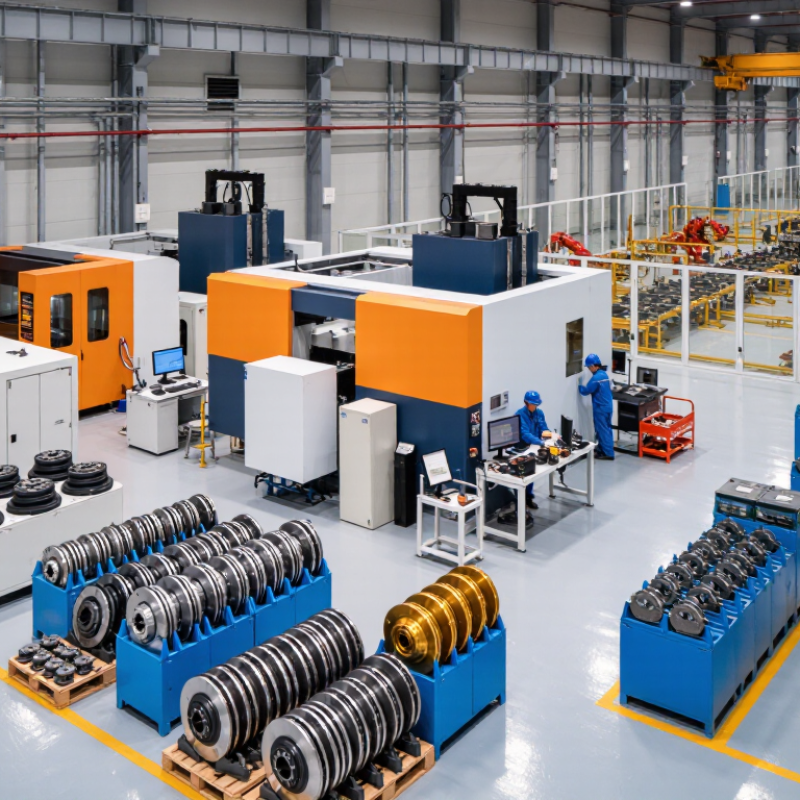
China’s influence starts with its manufacturing scale. OICA’s 2023 production statistics recorded about 30.16 million vehicles made in China, out of 93.5 million worldwide. That is roughly one-third of global output. This concentration supports a broad supplier network for brake pads, discs, calipers, and related components. But vehicle production figures do not prove the quality or export performance of any individual brake-parts factory.
The International Energy Agency’s Global EV Outlook 2024 reports that China produced more than 70% of the world’s electric cars in 2023. That shift matters for brake suppliers: regenerative braking changes how often friction brakes are used, but pads and discs remain essential for reliable stopping. Buyers should assess material consistency, dimensional tolerances, test records, and traceability. A polished sample is not enough. I would also check how suppliers handle batch variation; this detail is easy to overlook.
Chinese brake parts manufacturers supply a wide range of components for passenger vehicles, trucks, and industrial equipment. Brake pads use friction materials designed for controlled stopping and stable heat performance. Brake discs require accurate machining, balanced rotation, and consistent surface hardness. Brake drums serve many commercial applications, especially where enclosed braking systems remain practical. Calipers hold the pads and transfer hydraulic pressure to the disc. Suppliers also produce master cylinders, wheel cylinders, flexible hoses, shims, springs, and electronic wear sensors.
Manufacturing experience shows that small details can affect braking performance. A slight disc thickness variation may create vibration under repeated braking. Poorly formed hardware can cause noise or uneven pad movement. Reliable factories inspect raw materials, monitor pressing temperatures, and measure finished dimensions. They may use dynamometers, hardness testers, salt-spray chambers, and fatigue equipment. Batch records should connect each part with its production date and inspection results. Certification helps, but clear test evidence matters more during technical review.
Global buyers should provide vehicle specifications, axle position, dimensions, and operating conditions. Fitment data must include bore size, mounting holes, friction material, and sensor position. Packaging should protect machined surfaces from moisture and impact during ocean transport. Some suppliers communicate well but respond slowly to engineering changes. That weakness deserves attention. No purchasing process is perfect. Drawings can contain outdated measurements, while samples may expose overlooked clearance problems. Careful sample testing and documented approvals reduce costly misunderstandings before mass production.
Evaluating China’s brake parts manufacturers requires more than comparing prices. Check whether the factory controls raw materials, machining, heat treatment, and final inspection. Ask for production records, material certificates, and test results for each batch. Traceability matters when a small tolerance affects braking performance.
Request samples from regular production, not specially prepared units. Test dimensions, surface finish, hardness, friction behavior, and wear under suitable conditions. Ask how rejected parts are isolated and recorded. A reliable supplier should explain its quality process clearly, without avoiding technical questions. Ask for evidence.
Factory audits can reveal useful details. Look at inspection equipment, calibration labels, storage conditions, and worker training records. Confirm production capacity against your expected order volume. A crowded warehouse may indicate demand, but it may also hide poor stock control. Photographs alone are not enough.
Review communication before signing a contract. Technical drawings should show tolerances, materials, packaging, and labeling requirements. Discuss warranty handling, replacement procedures, lead times, and independent inspections. A low quotation can become expensive after repeated defects or shipment delays. No evaluation is perfect. My own preference is to begin with a controlled trial order, although this adds time and freight cost. Some buyers ignore that step and regret the decision later. Check export documentation and applicable safety requirements before shipment. A professional manufacturer accepts reasonable scrutiny and keeps records that another engineer can verify.
China’s brake parts manufacturers serve a growing export market. OICA reported 93.5 million motor vehicles produced worldwide in 2023. That scale increases demand for stable replacement components and traceable production.
For export buyers, certification should support testing, not replace it. ISO Survey 2023 recorded 1,265,216 ISO 9001 certificates worldwide. ISO 9001 helps control documents, inspections, corrective actions, and supplier records. However, it does not prove that every brake pad or disc performs equally.
UNECE Regulation No. 90 covers approval requirements for replacement brake lining assemblies, drum brake linings, and disc brake pads in relevant markets. Buyers should also check test reports for friction stability, wear, noise, shear strength, and high-temperature performance.
A serious factory should provide batch numbers, material declarations, inspection records, and samples from current production. Certification alone is not perfection.
Tips: Request certificates from the issuing body. Match the certificate scope with the actual factory address and product category. Ask for recent test dates, not old files. Verify packaging labels, corrosion protection, and pallet strength before shipment. Small details matter. An audit may pass while a packaging weakness remains unnoticed. Exporters should review failures openly and improve procedures after every complaint. That practical honesty is often more valuable than a polished certificate folder.
Sourcing brake parts from China successfully requires clear technical communication and disciplined supplier checks. Begin with exact drawings, material requirements, dimensions, tolerances, and intended vehicle applications. Include photos of mounting holes and measured samples. A vague request often creates costly assumptions.
Screen manufacturers by production experience, quality systems, testing equipment, and export history. Ask for inspection records, material certificates, and sample results before discussing large orders. A capable factory should explain braking performance, corrosion resistance, friction stability, and packaging protection in practical terms. Request samples from the same production line, not only attractive showroom pieces. I once underestimated packaging quality; several metal parts arrived with surface damage. That mistake was avoidable.
Tips: Compare at least three qualified suppliers. Confirm lead times in writing. Use independent pre-shipment inspection when possible. Check whether the supplier can meet destination-market safety requirements and documentation rules. Keep one approved sample for future comparison. Do not choose the lowest quotation automatically. Price gaps may reflect material changes, testing limits, or weaker process control. Recheck every detail before payment, because a small tolerance error can affect installation and customer safety.
| Sourcing Stage | Brake Parts and Key Specifications | Checks and Documents | Practical Buyer Action | Acceptance Basis |
|---|---|---|---|---|
| 1. Define the application | Disc brake pads, rotors, calipers, drums, shoes, hoses, and master cylinders; identify vehicle make, model, year, market, axle, and braking system. | Vehicle fitment data, OE reference numbers where available, drawings, and the intended sales market. | Provide a complete application list and clarify whether the part is for original-equipment service, aftermarket replacement, or another use. | Part number and application match are confirmed before quotation or sampling. |
| 2. Specify product requirements | For pads: dimensions, backing-plate design, friction material, and wear-sensor configuration. For rotors: outside diameter, thickness, height, center bore, bolt pattern, and vented or solid construction. | Controlled drawings, material requirements, tolerances, packaging instructions, and agreed inspection criteria. | Record units and tolerances for every critical measurement; do not rely on a vehicle description alone. | Supplier quotation and sample refer to the same revision of the specification. |
| 3. Screen potential suppliers | Check relevant manufacturing capabilities, such as friction-material production, metal machining, casting, assembly, or testing, according to the product category. | Business registration details, manufacturing-site information, quality-system certificates, process overview, and product-specific experience. | Verify that certificates are current and cover the relevant site and activities; distinguish a manufacturer from a trading company where this matters. | Capabilities and documentation are consistent with the products being quoted. |
| 4. Confirm regulatory needs | Requirements vary by product and destination. UN Regulation No. 90 (R90) applies to specified replacement braking components in markets that adopt it; other markets may use different vehicle and component rules. | Applicable approval documents, test reports, markings, and evidence that the approval covers the exact part and application. | Check requirements with the destination-market regulator, importer, or compliance specialist before placing an order. | Regulatory evidence matches the destination market and the product being purchased; certification is not assumed to apply to every brake part. |
| 5. Evaluate samples | Inspect fit, dimensions, workmanship, finish, markings, and packaging. Brake performance and durability testing should follow the relevant product specification and market requirements. | Sample inspection report, measured results, test methods, test conditions, and sample identification. | Approve and retain a signed or otherwise controlled reference sample; require written approval for later design or material changes. | Sample results meet buyer-approved drawings and applicable test requirements. |
| 6. Agree quality controls | Define incoming-material checks, in-process controls, final inspection, batch identification, and handling of nonconforming products. | Inspection plan, batch or lot records, calibration records for measuring equipment, and corrective-action process. | Set inspection scope and sampling rules in the purchase agreement; consider independent pre-shipment inspection for initial orders. | Inspection criteria, reporting format, and remedy for failed inspection are agreed before production. |
| 7. Finalize commercial terms | Confirm unit price, minimum order quantity, tooling charges, lead time, packaging, payment milestones, and the agreed Incoterms® rule and named place. | Purchase contract, approved specification, order confirmation, packing requirements, and export documentation responsibilities. | State the Incoterms® rule, edition, and named place explicitly; clarify who pays freight, insurance, export clearance, and import duties. | Commercial documents and technical specifications contain consistent part numbers, quantities, and delivery terms. |
| 8. Manage shipment and traceability | Brake parts are dense or heavy in some categories, so packaging should protect machined surfaces, friction material, and delicate fittings during handling and transport. | Commercial invoice, packing list, transport document, origin information where required, batch labels, and final inspection records. | Confirm carton markings, palletization, moisture and corrosion protection where appropriate, and the required import documents before dispatch. | Shipment quantities and labels match the purchase order, and supplied lots can be linked to inspection records. |
| 9. Review after delivery | Check received goods for transit damage, quantity discrepancies, labeling errors, and fitment or quality issues reported during installation. | Receiving inspection records, complaint evidence, affected batch details, and corrective-action reports. | Document issues promptly and agree containment, investigation, replacement, or other contractual remedies with the supplier. | Corrective actions are documented and verified before repeat orders or specification changes. |
Note: Regulatory approval, testing, and documentation requirements depend on the brake component, vehicle application, and destination market. Confirm applicable requirements before purchase.
Common products include pads, discs, drums, calipers, cylinders, hoses, shims, springs, and wear sensors.
Share vehicle details, axle position, dimensions, bore size, mounting holes, materials, and sensor location.
Small thickness differences can cause steering-wheel vibration during repeated braking. Precision matters.
Request material certificates, batch records, inspection results, and evidence of hardness or fatigue testing.
No. Request samples from normal production. They better reveal everyday process consistency.
Check measuring equipment, calibration labels, storage areas, training records, and rejected-part controls.
Not always. Review actual test data and traceability records. Certificates alone may hide practical weaknesses.
A controlled trial can reveal clearance, packaging, or fitment problems. It adds cost, but prevents larger mistakes.
Include tolerances, materials, packaging, labels, lead times, warranty handling, replacements, and inspection rights.
Use packaging that blocks moisture and impact, especially around machined surfaces. Photos are insufficient. Verify the packing method.
This article explores why China has become an important source of Brake Parts for buyers around the world, offering extensive manufacturing capacity, a broad product range, and flexible production options. It outlines key components available from Chinese suppliers, including brake pads, discs, drums, calipers, and related parts, and explains how buyers can assess manufacturers by reviewing production capabilities, technical expertise, communication, consistency, and sample performance.
The guide also covers quality standards and certifications that may apply to different export markets, emphasizing the importance of verifying documentation and product testing rather than relying on claims alone. To source successfully, buyers should define specifications, compare qualified suppliers, confirm materials and quality-control procedures, agree on packaging and delivery requirements, and maintain clear communication throughout the order process. These steps can help reduce sourcing risks and build dependable supplier relationships.
