
Top Slave Cylinder Replacement Costs and Symptoms

Time:2026-11-04 Author:Aria
0%

A failing slave cylinder can turn an ordinary drive into a struggle. The clutch pedal may feel soft, sink toward the floor, or return slowly. You might also notice difficulty selecting gears, especially when the engine is running. Sometimes, a small patch of hydraulic fluid appears near the transmission. These signs deserve attention, but they do not confirm the cause by themselves.

Slave Cylinder Replacement costs vary with the vehicle, local labor rates, and the part design. An externally mounted cylinder is often easier to reach. A concentric slave cylinder sits inside the transmission bell housing, so replacement may require removing the transmission. That extra labor can raise the repair bill substantially. Parts, fresh hydraulic fluid, and related clutch work may also affect the estimate. Ask the repair shop to explain what its quote includes.

Check the diagnosis. A worn clutch master cylinder, damaged hydraulic line, or clutch problem can produce similar symptoms. A careful inspection helps prevent replacing the wrong part. If the pedal suddenly loses pressure or the car becomes difficult to shift, avoid forcing the gears and arrange a professional assessment. Estimates are not exact promises; access and hidden wear can change the final cost. That part is easy to underestimate. Knowing the warning signs and what drives the bill makes it easier to compare quotes and plan a safe, practical repair.
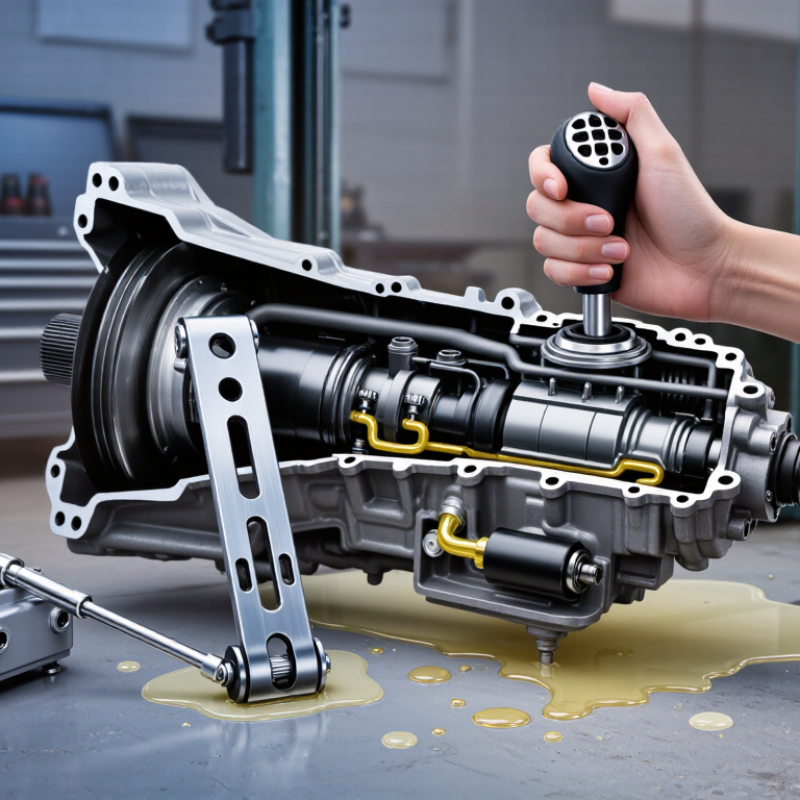
Top Slave Cylinder Replacement Costs and Symptoms

What a Clutch Slave Cylinder Does

A clutch slave cylinder turns hydraulic pressure into movement. When you press the clutch pedal, the master cylinder sends fluid through a line to the slave cylinder. Its piston then pushes a rod or release mechanism, helping disengage the clutch so you can change gears. That is its job.

Many vehicles place the slave cylinder outside the transmission, where it moves a visible lever. Others mount it inside the bell housing, around the transmission input shaft. In either design, a worn seal can let fluid escape. You might notice a low fluid level, dampness near the transmission, or a pedal that feels soft and sinks toward the floor. Shifting may become difficult. Small part. Big role.

The system is straightforward on paper, but layouts and bleeding procedures vary by vehicle. A leak near the clutch does not prove the slave cylinder is at fault; the master cylinder, hydraulic line, or another component may be involved. Check the fluid and look for wet areas, but avoid driving if the clutch cannot disengage reliably. A qualified inspection can confirm the source before parts are replaced. The diagnosis is not always obvious.

Common Symptoms of a Failing Slave Cylinder

A failing clutch slave cylinder often gives small warnings before the clutch becomes difficult to use. The pedal may feel soft, spongy, or lower than usual, and it may stay near the floor after you release it. Sometimes pumping the pedal briefly restores pressure. That matters. A changing engagement point, such as the clutch biting closer to the floor, can also signal trouble.

Look for fresh, slick fluid around the transmission or bell housing, though the exact location varies by vehicle. The fluid level in the clutch reservoir may drop, if the system has a shared reservoir. You might also struggle to select first gear or reverse, especially while the engine is running. A grinding sound can mean the clutch is not disengaging fully. It is tempting to blame the slave cylinder immediately, but that can be too quick: a worn master cylinder, air in the hydraulic line, or clutch wear can cause similar symptoms. A clean inspection helps. Note when the symptoms occur, check the fluid level, and have the system inspected if the pedal sinks or shifting becomes unsafe.

How to Diagnose Slave Cylinder Problems

A failing clutch slave cylinder can make gear changes difficult, but those symptoms can point to other hydraulic faults too. Watch for a soft clutch pedal, a pedal that slowly sinks, or gears that resist shifting. The pedal may feel normal one day and spongy the next. That inconsistency matters.

With the vehicle parked on level ground, check the clutch fluid reservoir and look for a falling fluid level. Inspect visible hydraulic lines for wet spots. If the slave cylinder is mounted outside the transmission, look for fresh fluid around its body or pushrod. Some cylinders sit inside the bell housing, so a leak may appear near the housing instead. Fluid loss is a clue, not proof. A worn master cylinder or air in the line can cause similar trouble.

A technician can compare pedal behavior, inspect for leaks, and test the hydraulic system before recommending replacement. Avoid driving if the clutch will not disengage reliably; shifting under those conditions can become unsafe. Slave cylinder replacement costs vary with access, labor rates, and whether bleeding or related repairs are needed. Diagnosis first. Replacing parts by guesswork can waste money, and even a careful inspection may not reveal the cause right away.

Typical Slave Cylinder Replacement Costs

Typical Slave Cylinder Replacement Costs

A slave cylinder replacement commonly costs about $200–$500, including parts and labor. RepairPal’s published repair-cost estimates put many jobs in the low hundreds, though vehicle design and local labor rates change the final bill. Ask for a written estimate that separates parts, labor, hydraulic fluid, and bleeding. A leaking cylinder may leave a small wet patch near the transmission, while a soft clutch pedal can signal air or fluid loss. Costs rise when the cylinder sits inside the transmission bell housing; the gearbox may need removal. That is the costly twist. Some shops may also recommend replacing worn clutch parts while access is open, but request the reason and separate price before approving.

Tips: Compare two itemized estimates. Check whether the quote includes bleeding the hydraulic system and a warranty. If the pedal sinks or gears become difficult to engage, avoid delaying inspection; continued driving can worsen the problem. Estimates are imperfect, especially when hidden leaks or related clutch wear appear after disassembly.

What Affects Replacement Cost and Repair Time

Slave cylinder replacement cost depends less on the part itself than on how deeply it sits inside the transmission area. An external cylinder may be reachable from the engine bay or beneath the vehicle, keeping labor relatively limited. An internal concentric cylinder often requires transmission removal, which can add several hours of work and raise the total bill. The exact estimate depends on vehicle layout, local labor rates, and parts availability.

Ask whether the quote includes fresh clutch fluid, bleeding, and inspection of the clutch assembly. If the transmission is already out, replacing a worn clutch may save future labor, though it adds parts cost. A soft pedal, fluid near the bell housing, or difficulty selecting gears can point to a failing cylinder, but similar symptoms can have other causes. Get the diagnosis confirmed. Guessing gets expensive.

Repair time ranges from a short workshop visit for an accessible unit to most of a day when the transmission must come out. Rusted fasteners, seized fittings, or air trapped in the hydraulic line can stretch the job. I would not treat a quick estimate as a promise; access problems are easy to underestimate. Before approving work, request an itemized quote and ask what could change the price after disassembly.

Top Slave Cylinder Replacement Costs and Symptoms - What Affects Replacement Cost and Repair Time

Typical estimates in the United States. Actual prices vary by vehicle, location, labor rate, and whether the slave cylinder is mounted outside the transmission or integrated with the clutch release bearing inside it.

Item or repair factor Typical U.S. estimate Typical repair time What to know
External slave cylinder replacement About $150–$600 total About 1–3 hours The cylinder is mounted outside the transmission and is generally easier to access. The estimate typically includes the part, labor, and bleeding the clutch hydraulic system.
Internal concentric slave cylinder replacement About $500–$1,500 or more About 4–8 hours The cylinder is inside the bell housing, so the transmission usually must be removed. Vehicle layout and local labor rates can significantly change the bill.
Replacement slave cylinder part Often about $30–$250 Part cost only Price depends on the vehicle and cylinder design. Internal assemblies may cost more than simple external cylinders.
Clutch hydraulic bleeding Often included; otherwise about $50–$150 About 0.5–1 hour Air must be removed from the hydraulic circuit after opening it. Some vehicles require a specific bleeding procedure or equipment.
Clutch kit replacement while transmission is removed Often adds about $300–$1,000 or more May add parts and installation time If the clutch is worn, replacing it during transmission removal may avoid paying for much of the same access labor later. It is an additional repair, not automatically required.
Soft or sinking clutch pedal Diagnosis and repair depend on the cause Varies A failing slave cylinder can cause low hydraulic pressure. Air in the system or a failing master cylinder can produce similar symptoms.
Clutch fluid leak or falling reservoir level Inspection needed to locate the leak Varies by access Fluid may be visible near an external cylinder or, with an internal cylinder, inside the bell housing. Check the hydraulic fluid level and avoid driving if clutch control is unreliable.
Difficulty shifting or clutch not disengaging fully Diagnosis needed before estimating Varies Hydraulic failure is one possible cause, but clutch wear, linkage problems, or other faults can create similar shifting symptoms.
Main factors affecting total cost and time Vehicle-specific Typically 1–8+ hours, depending on design Cylinder location, transmission access, hourly labor rate, parts availability, corrosion, bleeding requirements, and related clutch wear all affect the final estimate.

Estimates are general planning ranges, not a quote. Request an inspection and an itemized estimate for the specific vehicle before authorizing repairs.

FAQS

What symptoms may indicate a failing clutch slave cylinder?

A soft or spongy pedal, a pedal that slowly sinks, and resistant gear changes can be clues. Symptoms may change from one day to the next. That inconsistency matters.

Can these symptoms have other causes?

Yes. A worn master cylinder or air in the hydraulic line can cause similar trouble. A clue is not proof.

How can I check for a fluid leak?

Park on level ground, check the reservoir, and look for a falling fluid level. Inspect visible hydraulic lines for wet spots. Check an external cylinder near its body and pushrod. Fluid near the bell housing may point to an internal leak.

When should I stop driving?

Avoid driving if the clutch will not disengage reliably. Shifting can become unsafe. Better to pause than force it.

What affects slave cylinder replacement cost?

Access is a major factor. An external cylinder may be reachable without removing the transmission. An internal cylinder can require transmission removal, adding labor and time. Local rates and parts availability also affect the estimate.

How long can the repair take?

An accessible unit may need only a short workshop visit. Transmission removal can make the job last most of a day. Rusted fasteners, seized fittings, or trapped air may extend it. Estimates can miss this.

What should a repair estimate include?

Ask whether it includes fresh fluid, bleeding, and clutch assembly inspection. Request an itemized quote and ask what could change after disassembly. A quick estimate is not a promise.

Should the clutch be replaced at the same time?

If the transmission is already out and the clutch is worn, replacement may save future labor. It adds parts cost, though. Decide after inspection, not guesswork.

Conclusion

The clutch slave cylinder helps transfer hydraulic pressure from the clutch pedal to the clutch mechanism, allowing the clutch to disengage smoothly. When it begins to fail, common signs include a soft or sinking pedal, difficulty changing gears, fluid leaks near the transmission, or a clutch that does not release fully. A basic diagnosis may involve checking the fluid level, inspecting for leaks, and assessing pedal response, though a technician can confirm whether the cylinder or another part of the hydraulic system is responsible.

Slave Cylinder Replacement costs vary depending on the vehicle, labor rates, and whether the cylinder is accessible externally or requires transmission removal. The repair may also involve replacing fluid, bleeding the hydraulic system, or addressing related worn parts, which can affect both the total price and repair time. Comparing a detailed estimate with the confirmed diagnosis can help clarify what the job includes.

Aria

Aria

Aria is a dedicated marketing professional with a deep passion for innovative strategies and a keen understanding of our company's product offerings. With a wealth of experience in the industry, Aria excels at crafting engaging content that highlights the unique features and benefits of our......