
Buying a Clutch Master for international use demands more than comparing prices online. It requires careful attention to vehicle compatibility, material quality, manufacturing consistency, and supplier reliability. A part that looks correct in a product photo may still have different bore dimensions, mounting points, or hydraulic fittings. Small differences can cause installation delays, poor pedal response, or costly returns.
This guide, “10 Clutch Master Buying Tips for Global Buyers,” focuses on practical decisions that experienced purchasers often make before placing an order. Check the original equipment number, vehicle year, engine specification, and left- or right-hand-drive requirements. Request technical drawings, inspection records, and clear product photographs. Ask how the Clutch Master was tested, including pressure performance, leakage checks, and durability procedures. Documentation matters.
So does communication.
Reliable suppliers explain limitations instead of promising perfection. They should identify production lead times, packaging methods, warranty terms, and replacement procedures in writing. Buyers should also confirm export documents, destination requirements, and applicable safety standards before shipment. Requirements differ across markets, and assumptions can become expensive mistakes.
A useful lesson comes from failed purchases: the cheapest quotation may hide weak seals, incomplete accessories, or uncertain traceability. That is not always obvious at first. A sensible evaluation combines technical evidence, supplier experience, customer feedback, and a realistic total cost. No checklist replaces professional judgment, but a disciplined process reduces risk and supports better global sourcing decisions.
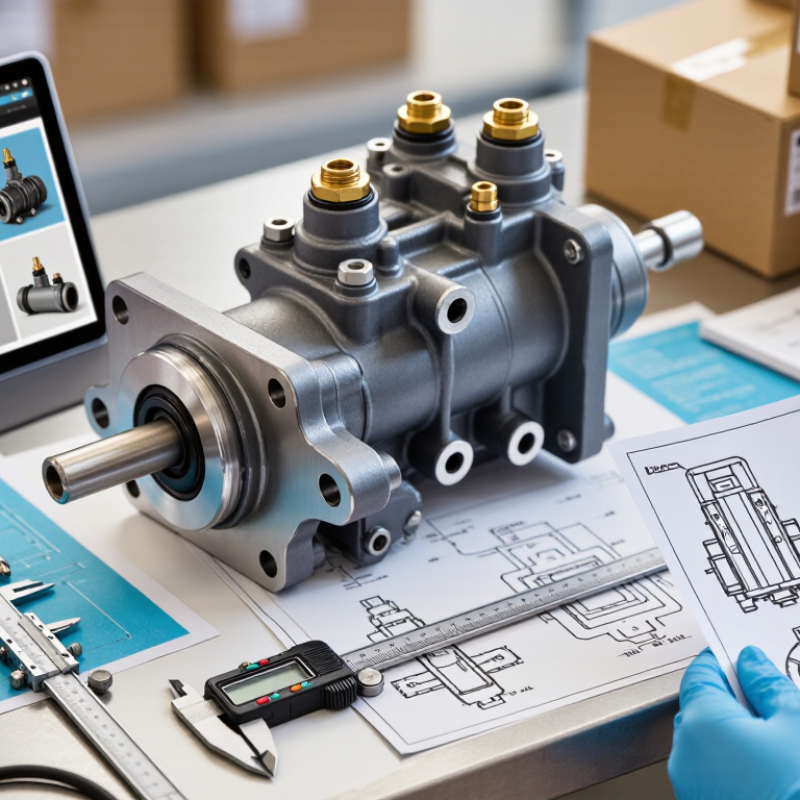
A clutch master cylinder converts pedal movement into hydraulic pressure. Its bore size controls pressure, pedal effort, and clutch travel. A smaller bore usually creates more pressure with a lighter pedal. A larger bore can provide quicker movement but may require greater effort. Bore size matters.
Common types include integrated-reservoir and remote-reservoir designs. Some vehicles use a compact cylinder with the fluid tank attached directly above it. Others place the reservoir separately for tighter engine-bay packaging. Buyers should also check single-port and dual-port layouts, mounting angles, pushrod designs, and left-hand or right-hand drive arrangements. The wrong port position can turn a simple replacement into a fitting problem.
Compatibility requires more than matching photographs. Confirm the original bore diameter, mounting-hole spacing, pushrod length, thread type, and hydraulic connection. Check the specified fluid type in the vehicle service information, since seal materials may differ. For international sourcing, request dimensional drawings, pressure-test records, material details, and batch traceability. These documents support reliable purchasing and quality checks. Temperature range also deserves attention in regions with severe heat or cold. A larger bore is not automatically an upgrade. It can change pedal feel and release performance. In practice, measurements sometimes conflict with old catalog data, so verify the vehicle sample whenever possible. A careful comparison may seem slower, but it prevents leakage, poor engagement, and avoidable returns.
A reliable clutch supplier must prove more than a competitive quotation. Ask for its quality system, process controls, and recent audit results. The ISO Survey 2023 recorded over 1.26 million ISO 9001 certificates worldwide. Certification helps, but it does not guarantee consistent clutch performance. A certificate is evidence, not proof. Check whether the certificate covers the actual manufacturing site and product scope.
Tip: Request IATF 16949 status, PPAP samples, control plans, and material traceability records. Examine pressure plates, friction discs, release bearings, and torsion springs separately. Ask how the factory controls runout, clamp load, friction coefficient, heat treatment, and balancing. Manufacturing capability should include endurance testing under repeated temperature and torque cycles. A polished factory tour can still hide weak process discipline.
Tip: Review capacity with evidence. Check production-line layout, critical equipment, maintenance logs, calibration dates, and backup plans for tooling failures. Ask for monthly output, defect rates, on-time delivery, and corrective-action history. The 2024 Deloitte Global Automotive Supplier Study highlights continuing cost and supply-chain pressure across automotive manufacturing. This makes resilience important, not optional. However, supplier data may be selective. Verify it with sample inspections, independent testing, and a small pilot order. My own buying checklist still needs refinement; low defect claims can look impressive until traceability breaks during a real quality investigation.
Global buyers need more than a low unit price when selecting a clutch. Material choice affects appearance, durability, weight, and import cost. Genuine leather usually offers a richer finish, but quality can vary between hides. PU and microfiber may provide steadier color and easier production control. Request material thickness, lining details, hardware specifications, and test samples before ordering. Small details matter. A weak zipper or peeling edge can create costly returns.
Design changes also influence pricing. A wide metal clasp, layered construction, or custom logo plate can increase labor and packaging requirements. Ask for a technical drawing and a quote that separates materials, labor, packaging, and sampling fees. Compare equal specifications, not attractive headline prices. A cheaper sample may hide thinner lining or lighter hardware. My first estimate was wrong because I ignored protective packaging. That mistake was useful, but avoid repeating it.
Calculate the total import cost, not only the factory price. Include freight, insurance, customs duties, taxes, broker fees, inspection, bank charges, and local delivery. Measure carton size and gross weight, since freight may use either factor. Sea shipping can reduce cost for larger orders, while air freight suits urgent, compact shipments. Request the shipment terms in writing and confirm who handles each charge. Keep a realistic buffer for exchange-rate movement and delays. Even experienced buyers miss small fees. A simple landed-cost sheet makes comparisons more reliable and supports better purchasing decisions.
| No. | Buying Dimension | What to Compare | Typical Specifications or Market Range | Import-Cost Impact | Practical Buying Check |
|---|---|---|---|---|---|
| 1 | Confirm vehicle fitment | Compare OE reference, vehicle application, mounting pattern, pushrod length, reservoir position, and hydraulic connection. | Common passenger-vehicle bore sizes are approximately 15.87–25.4 mm; exact dimensions vary by application. | Incorrect fitment can make the full shipment unsellable and create return, rework, and re-import charges. | Request a dimensional drawing and verify every critical interface against the target vehicle before ordering. |
| 2 | Compare body materials | Assess aluminum alloy, cast iron, and reinforced engineering-plastic designs for weight, corrosion resistance, stiffness, and cost. | Aluminum is lightweight and corrosion-resistant; cast iron is rigid and economical but heavier; plastic reservoirs reduce weight and can improve fluid-level visibility. | Material selection affects unit price, dimensional weight, corrosion-related claims, and long-term warranty exposure. | Ask for alloy or resin grade, hardness or tensile data where relevant, and salt-spray or corrosion-test results. |
| 3 | Evaluate bore size and hydraulic ratio | Compare bore diameter, piston travel, pedal effort, fluid displacement, and compatibility with the slave cylinder. | A larger bore generally moves more fluid per millimeter of stroke but may increase pedal effort; a smaller bore usually increases travel and reduces effort. | A hydraulic mismatch can cause poor engagement, premature returns, installation labor, and warranty claims. | Match the master cylinder to the complete hydraulic system rather than selecting by outside appearance alone. |
| 4 | Inspect seals and internal components | Compare piston material, return spring, primary and secondary seals, circlips, dust boots, and surface finish. | EPDM is widely used for glycol-based brake fluid systems; seal material must be compatible with the specified fluid and temperature range. | Higher-grade seals may raise purchase cost but reduce leakage, field failures, and replacement freight. | Confirm fluid compatibility, seal test conditions, leak-test pressure, and inspection records for each production batch. |
| 5 | Choose reservoir and sensor design | Compare integrated or remote reservoirs, fluid-level sensors, cap ventilation, hose routing, and service access. | Remote reservoirs offer packaging flexibility; integrated reservoirs usually simplify installation and reduce hose connections. | Additional sensors, hoses, brackets, and protective packaging increase both unit cost and the number of components to clear through customs. | Verify sensor connector type, electrical rating, cap seal, reservoir volume, and mounting clearance. |
| 6 | Compare finish and corrosion protection | Review anodizing, coating, plating, machined surfaces, threaded-port protection, and storage requirements. | Protective finishes are especially important for exposed aluminum and steel components in humid, coastal, or winter-salt environments. | Better packaging and corrosion protection can add approximately 1–4% to product cost but reduce transit and warehouse damage. | Specify capped ports, individual wrapping, desiccant where appropriate, and a documented corrosion-test method. |
| 7 | Benchmark unit pricing by volume | Compare the same specification under sample, small-batch, and production quantities; separate tooling, testing, packaging, and delivery terms. | Indicative aftermarket export pricing for common passenger-vehicle units is often about US$12–45 each, depending on design, material, testing, and order quantity. | A lower unit price may be offset by tooling, inspection, minimum-order quantity, payment fees, and higher defect rates. | Obtain a written quotation showing Incoterm, quantity breakpoints, tooling ownership, lead time, and included documents. |
| 8 | Calculate freight and packaging cost | Compare carton dimensions, gross weight, pallet efficiency, shipment mode, insurance, and destination handling. | Air freight is faster but costly; ocean freight generally suits larger orders; courier service is practical for samples and urgent small shipments. | For small orders, freight and handling can exceed the product value; request both chargeable-weight and total-carton data. | Compare landed cost per sellable unit, not only the quoted product price. |
| 9 | Estimate duty, VAT, and clearance | Check the destination tariff classification, customs value, import duty, VAT or GST, broker fee, inspection fee, and local delivery. | Rates differ by destination and exact classification; taxes are commonly calculated from customs value plus applicable freight, insurance, and duty. | A practical landed-cost formula is: product cost + freight + insurance + duty + import tax + clearance + inland delivery. | Confirm the HS classification with a licensed customs broker before finalizing the purchase order. |
| 10 | Verify quality, compliance, and total risk | Review sample approval, batch traceability, pressure or leak testing, warranty terms, packaging inspection, and required market regulations. | A documented inspection plan should cover dimensions, threads, surface defects, reservoir sealing, piston travel, and hydraulic leakage. | Pre-shipment inspection commonly costs less than one failed commercial batch, especially when reverse logistics are international. | Use an approved sample, agreed acceptance limits, photo records, and a written remedy for non-conforming goods. |
A clutch master cylinder is a small part with a large safety role. Verify the sample before placing a bulk order. Check bore diameter, push-rod length, mounting holes, port threads, seal material, and reservoir fit. Measure the sample with calipers. Do not rely on product photos. McKinsey’s 2023 automotive aftermarket analysis estimates the global aftermarket could exceed $1.8 trillion by 2030, making consistent quality control increasingly important.
Tip 1: Ask for test evidence. Request pressure-hold, leakage, endurance, corrosion, and temperature-cycle results. Confirm the testing method and equipment calibration date. For hydraulic systems, compare fluid compatibility with SAE J1703, SAE J1704, or ISO 4925 requirements. These standards support fluid performance, but they do not automatically prove complete product quality. That distinction matters.
Tip 2: Read the warranty carefully. Confirm coverage months, mileage limits, claim documents, replacement rules, and labor exclusions. Request batch numbers and inspection records. A 2024 J.D. Power quality study reported 190 problems per 100 vehicles, showing why early failure prevention deserves attention. Still, supplier paperwork can look perfect while field performance disappoints. Keep installation photos, fluid records, and returned samples. After-sales support should offer a named contact, response times, technical drawings, and root-cause reports. Test one more sample than planned. It may reveal an uncomfortable mistake.
For global clutch master cylinder orders, treat logistics as part of product quality. Confirm bore size, mounting pattern, fluid compatibility, seals, and test records before payment. A low unit price can disappear through repacking, port storage, or incorrect customs data. The World Bank’s Logistics Performance Index 2023 reported average border-clearance times of about 44 hours for imports and 37 hours for exports. Build buffer time.
Choose shipping terms only after checking who controls freight, insurance, and customs documents. Under Incoterms 2020, responsibilities must match the purchase contract, not informal messages. Request a commercial invoice, packing list, certificate of origin, and accurate HS classification. Ask the customs broker to verify the code before dispatch. Small errors can delay a pallet for days. Keep carton dimensions and gross weights consistent across every document.
UNCTAD’s Review of Maritime Transport 2024 noted that maritime trade grew 2.4% in 2023, while routing disruptions increased pressure on schedules and costs. Therefore, compare sea, rail, and air options against production deadlines. My own purchasing mistake was trusting the supplier’s estimated arrival date. That assumption was wrong. Use milestone tracking, cargo insurance, and a second qualified supplier for critical parts. Photograph seals, cartons, labels, and sampling results before loading. Keep a written claims process, even when the shipment looks routine. Reliability is built before the container leaves.
Request quality certificates, recent audit results, process controls, and manufacturing-site details. A certificate is evidence, not proof. Check whether the certificate covers the actual factory and product scope.
Examine pressure plates, friction discs, release bearings, and torsion springs separately. Check runout, clamp load, friction performance, heat treatment, and balancing. Small differences can create vibration or uneven engagement.
Request endurance-test records using repeated temperature and torque cycles. Review production layouts, critical equipment, maintenance logs, and calibration dates. A polished factory tour proves little. Process discipline matters more.
Ask for monthly output, defect rates, delivery performance, and corrective-action history. Request traceability records for materials and finished parts. Verify claims through sample inspections, independent testing, and a small pilot order.
Confirm bore size, mounting pattern, fluid compatibility, seal materials, and test records. Match every detail with the vehicle application. A low price cannot repair a wrong specification.
Request a commercial invoice, packing list, origin certificate, and accurate customs classification. Keep carton dimensions and gross weights identical across all documents. Small errors can delay one pallet for days.
Compare sea, rail, and air transport against the production deadline. Build extra time for border clearance, port storage, and routing disruptions. Build time buffers. Track shipment milestones and insure critical cargo.
Photograph seals, cartons, labels, and inspection samples before loading. Keep a written claims process and define responsibility in the contract. Use a second qualified supplier for critical parts. My checklist still needs refinement.
Buying a Clutch Master for international use requires more than comparing unit prices. Global buyers should first identify the correct type, operating function, vehicle or equipment compatibility, and installation requirements. Supplier evaluation is equally important: review manufacturing experience, quality-control systems, relevant certifications, production capacity, and consistency between samples and mass-produced orders. Compare materials, internal designs, durability, pricing, and total import costs, including packaging, freight, duties, taxes, and handling fees.
Before placing a large order, request samples and confirm performance through suitable testing standards. Clarify inspection procedures, warranty coverage, replacement policies, technical documentation, and after-sales support. International purchasing also requires careful planning for lead times, shipping methods, customs paperwork, product descriptions, and payment risk. By using clear specifications, staged approvals, reliable communication, and contingency plans, buyers can reduce supply-chain uncertainty and select a Clutch Master that delivers dependable performance and long-term value.
