
Brake Master Cylinder Replacement can feel like an unexpected financial burden, especially when the brake pedal suddenly sinks or feels unusually soft. This guide explains the costs behind this important repair. It considers parts, labor, vehicle design, and related brake-system work. Prices can vary widely.
A replacement master cylinder may cost around $100 to $400 for the part. Labor often adds $150 to $500, depending on access and local workshop rates. Luxury vehicles, complex electronic braking systems, and imported models may cost more. Some repairs also require brake fluid, system bleeding, diagnostic testing, or damaged line replacement. These details can change the final invoice.
The symptoms matter. A technician should inspect fluid leaks, pedal pressure, warning lights, and brake performance before replacing anything. A soft pedal does not always prove the master cylinder has failed. Air in the system, worn brake lines, or a leaking caliper can create similar signs. That distinction protects your budget and your safety.
Not every estimate tells the whole story. A low quote may exclude bleeding or diagnostic labor. A high quote may include valuable warranty coverage and better parts. Ask for a written breakdown. Confirm the part brand, labor hours, fluid type, and warranty terms. A careful comparison is more useful than choosing the cheapest number. Brake repairs deserve patience. Small omissions can become expensive surprises. This guide offers practical cost expectations, but your vehicle’s inspection remains the most reliable source.
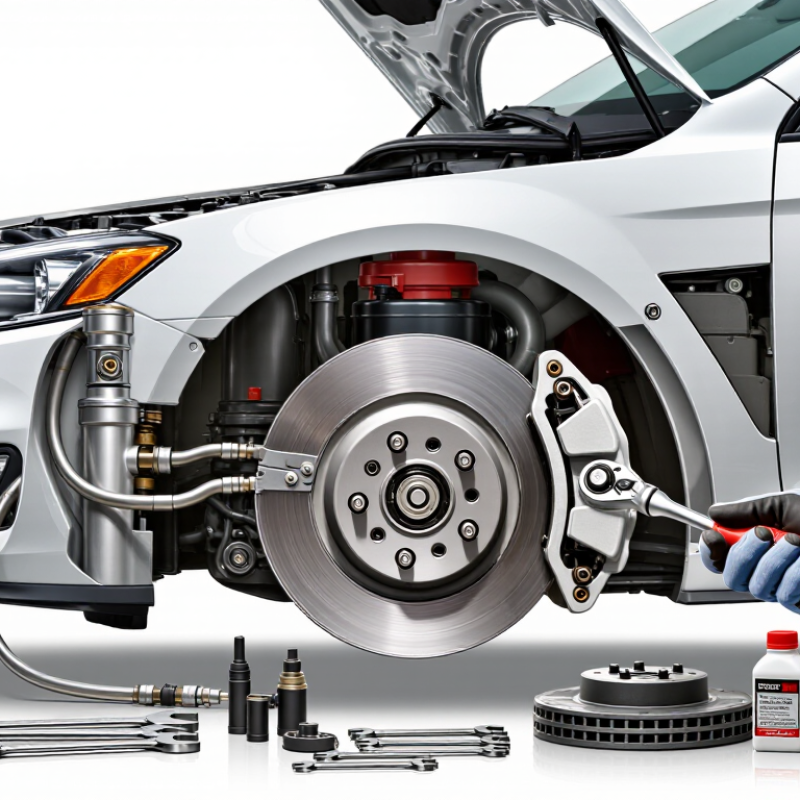
A brake master cylinder converts pedal pressure into hydraulic pressure. That pressure moves brake fluid through the lines and activates the wheel brakes. In practical terms, it is the part behind a firm, predictable pedal. A sinking pedal is different. It may indicate an internal seal bypass, an external leak, or air in the system. Do not guess.
Replacement becomes more likely when fluid appears near the firewall, the reservoir level keeps falling, or the pedal slowly drops while held. Dark fluid can also signal neglected maintenance, although color alone proves little. A technician should inspect hoses, calipers, wheel cylinders, and the ABS hydraulic unit first. Those faults can imitate master-cylinder failure. I have seen unnecessary replacements happen after a rushed diagnosis.
Typical replacement estimates range from about $300 to $800, including parts, labor, and bleeding. Larger vehicles or integrated ABS assemblies can cost more. The Bureau of Labor Statistics reported median annual pay of $49,670 for automotive service technicians in May 2023. That figure reflects wages, not the customer’s final shop rate, which also includes equipment, overhead, and testing. Labor time commonly falls near two to four hours, but difficult bleeding changes the bill. Federal Motor Vehicle Safety Standard 135 requires effective braking performance, yet it does not set a universal repair price. Ask for a written diagnosis, fluid inspection, labor hours, and post-repair pedal testing. The estimate may still change. That is worth stating plainly.
Brake master cylinder replacement cost depends on more than the part itself. In my repair experience, the cylinder may cost about $100 to $350, while labor often adds $150 to $500. Rates vary by location, vehicle design, and workshop skill. Some vehicles hide the cylinder beneath awkward components, increasing labor time. Older systems can also require extra care.
Labor is only one factor. A complete brake fluid flush may be recommended after replacement, especially when the fluid looks dark or contains moisture. Bleeding the brake lines is essential, but trapped air can make the pedal feel soft and require repeated testing. Taxes, shop fees, diagnostic time, and disposal charges may appear separately on the estimate.
Ask for an itemized quote.
The surrounding parts also matter. A leaking cylinder may have damaged paint, contaminated nearby components, or exposed worn brake lines. These repairs can raise the final bill. I once saw a low estimate change after corrosion was found around the fittings. That was frustrating, but the inspection prevented a rushed repair.
A cheaper part is not always the better choice; confirm its specifications, warranty, and compatibility. The estimate should state whether brake testing and fluid replacement are included. Keep the old part until the repair is verified.
Replacing a brake master cylinder often costs about $400 to $900, including parts and labor.
The final invoice depends on vehicle design, access, and local shop rates. A quality replacement part commonly costs $120 to $350. Labor usually takes one to three hours. The U.S. Bureau of Labor Statistics reported a median automotive service technician wage near $24 per hour in its May 2023 OEWS data. Customer billing rates are higher because they include equipment, training, rent, insurance, and business overhead.
Brake fluid service can add $80 to $160.
It is frequently necessary after opening the hydraulic system. Old fluid may look clean but still contain moisture. That detail is easy to miss. Some vehicles also require electronic brake bleeding or scan-tool calibration, adding $100 to $250. If brake lines, bleeder screws, or reservoir seals are damaged, parts expenses rise quickly. A 2024 aftermarket maintenance-cost analysis found labor and diagnostic charges remain major drivers of repair invoices, especially in metropolitan areas.
Ask for separate lines for the cylinder, fluid, bleeding, diagnosis, and disposal fees.
I would question any estimate that skips bleeding.
I would also avoid choosing the lowest quote without checking the technician’s brake-system credentials. Mistakes here can create a soft pedal, longer stopping distance, or repeated repairs. My own estimate would include a small contingency, because seized fittings rarely follow the script.
A soft brake pedal does not automatically mean the master cylinder has failed. Air, worn fluid, leaking wheel cylinders, or flexible hoses can create similar symptoms.
NHTSA’s 2022 Traffic Safety Facts recorded 42,514 U.S. traffic deaths. That figure does not identify master-cylinder failures, but it shows why careful brake diagnosis matters.
Start with the reservoir. Dark fluid, a low level, or visible moisture near the firewall deserves attention. Press the pedal firmly for 30 seconds. If it slowly sinks, internal seal bypassing is possible. Do not ignore it.
Inspect each wheel and the brake lines for fresh fluid. A pressure test can confirm whether hydraulic pressure is holding. Compare the result with the vehicle’s service specifications and FMVSS 135 requirements.
Wheel-speed differences can also indicate caliper or hose problems, not master-cylinder damage.
I have seen unnecessary replacements caused by trapped air after incomplete bleeding. That mistake is easy to make.
A scan tool may help newer vehicles, especially when electronic brake systems are involved. However, electronic codes cannot replace a physical leak inspection.
Record pedal travel, fluid condition, pressure readings, and visible leaks before approving replacement.
If the diagnosis remains uncertain, obtain a second inspection from a qualified technician. Safety decisions should not rely on a guess.
Top Brake Master Cylinder Replacement Cost Guide
A brake master cylinder quote can look simple, yet the line items often tell a different story. Ask whether diagnosis, brake-fluid bleeding, taxes, shop supplies, and disposal fees are included. The U.S. Bureau of Labor Statistics reported a median automotive technician wage of $49,670 in May 2024. That equals about $23.88 per hour before shop overhead. Customer billing rates are higher, so compare labor hours and rates separately.
Request two or three written estimates using the same vehicle details. Each quote should identify the master cylinder, seals, fluid type, labor time, and warranty period. Industry estimating data commonly uses roughly two to four labor hours for related hydraulic repairs, depending on access and bleeding requirements. A low quote may exclude diagnosis or electronic brake-system calibration. Check carefully. Ask whether the workshop inspected hoses, calipers, and the brake booster. Replacing one leaking part may not solve a soft pedal.
Use the same questions with every repairer. Is the replacement part new or remanufactured? Who supplies it? What happens if the pedal remains soft after installation? Federal safety guidance treats brake performance as critical, but it does not set your local repair price. I have seen customers choose the cheapest estimate, then pay more after extra fluid bleeding appeared later. That choice is understandable, but not always wise. Save the written quote, invoice, and warranty details. A neat quote is not always the best quote.
Typical U.S. independent-repair-shop planning estimates for comparing replacement quotes and controlling costs. Prices are in USD and exclude taxes, severe corrosion, and additional brake-system repairs.
How to compare quotes: Check whether each estimate separately lists the master cylinder, labor, brake-fluid bleeding, diagnostics, shop fees, taxes, and warranty coverage. A lower quote may exclude fluid replacement or additional testing.
It changes pedal force into hydraulic pressure. Brake fluid carries that pressure to the wheel brakes. The pedal should feel firm and predictable.
A pedal that slowly sinks during a 30-second hold may indicate internal seal bypassing. Fluid near the firewall or a falling reservoir level also matters. A soft pedal has several possible causes.
No. Air, worn fluid, leaking wheel cylinders, hoses, calipers, or electronic hydraulic parts can imitate failure. Do not guess. Physical inspection should support the diagnosis.
The technician can inspect the reservoir, wheels, lines, hoses, and firewall area. A pressure test checks whether hydraulic pressure holds. Pedal travel, fluid condition, leaks, and readings should be recorded.
A typical estimate is about $300 to $800, including parts, labor, and bleeding. Larger vehicles or integrated electronic assemblies may cost more. The final bill can change.
Related hydraulic work commonly takes about two to four labor hours. Difficult bleeding can add time. Electronic brake systems may need additional testing or calibration.
It should list diagnosis, the replacement part, fluid, labor hours, bleeding, taxes, supplies, disposal fees, and warranty details. Ask whether the part is new or remanufactured. A neat quote is not always the best quote.
Request two or three written estimates using identical vehicle details. Compare labor hours and rates separately. Ask what happens if the pedal remains soft afterward. The cheapest option may become expensive later. That is easy to overlook.
A brake master cylinder converts pedal pressure into hydraulic force that moves the brakes, making it essential for safe and consistent stopping. When internal seals wear out, fluid leaks, or the pedal feels soft or sinks, Brake Master Cylinder Replacement may be necessary. Before replacing it, a proper diagnosis should check the brake fluid level, visible leaks, air in the system, hose condition, and other components that could create similar symptoms.
Replacement costs depend on the part type, vehicle design, labor rates, and whether additional work is required. The total may include the master cylinder, brake fluid, bleeding or flushing the system, and repairs to related components. To control expenses, compare itemized quotes from several qualified repair providers and confirm whether parts, labor, diagnostics, taxes, and warranty coverage are included. Choosing a suitable replacement part and addressing problems early can help prevent further damage while maintaining reliable braking performance.
