
The Clutch Master Cylinder is a vital component in any vehicle's transmission system. This part plays an essential role in the smooth engagement and disengagement of gears. Recent industry reports highlight an increasing demand for quality clutch components, driven by the global rise in automotive production. In fact, the global automotive clutch market is projected to reach over $12 billion by 2025, reflecting the importance of reliable products.
When considering the best options, durability and performance are key factors. High-quality Clutch Master Cylinders can enhance vehicle lifespan and improve driving experience. However, not all products meet these standards. Some manufactured parts may exhibit premature wear, leading to costly repairs. Buyers must focus on trusted brands that offer warranties and positive user reviews.
Automotive experts emphasize the need for thorough research before making a purchase. Many drivers overlook the significance of a dependable Clutch Master Cylinder, only to face unexpected issues later. Choosing the right option can prevent mechanical failures and ensure safer driving. It's essential to weigh all options carefully, considering the long-term impact on vehicle performance.
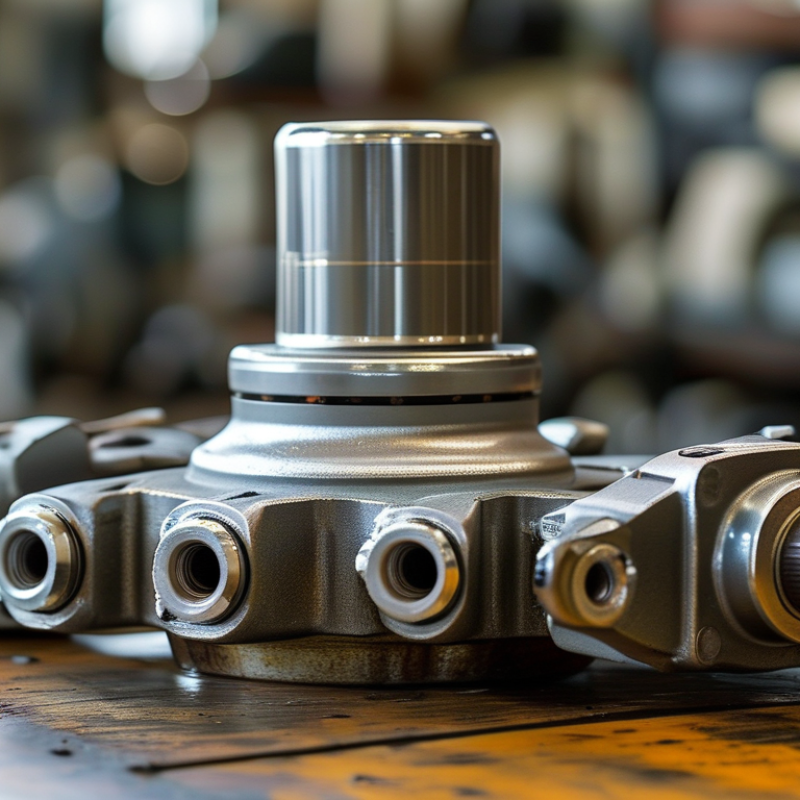
Clutch master cylinders play a crucial role in the operation of a vehicle's clutch system. They convert the driver's foot pressure into hydraulic pressure. This pressure then engages or disengages the clutch. A properly functioning master cylinder ensures smooth gear shifts and extends the life of the vehicle's transmission components. Neglecting its condition can lead to significant issues, impacting driving performance.
When choosing a clutch master cylinder, pay attention to compatibility, quality, and reliability. Select parts that meet or exceed OEM specifications. This ensures optimal performance and durability. Consider that not all aftermarket options provide the same level of performance. It's essential to thoroughly research product options before making a decision.
Tips: Regular inspections of your clutch system can save money in the long run. Check for leaks, soft pedal feel, or unusual noises during operation. Addressing minor issues quickly can prevent costly repairs later. Always prioritize valve quality and material durability when selecting your parts. Choosing the right master cylinder will lead to better performance and a safer driving experience.
When selecting a clutch master cylinder, several key features must be considered. The material of the cylinder significantly impacts its durability. Look for options made from high-quality materials like aluminum or reinforced plastics. These materials offer a balance of strength and weight. Weight matters, especially in performance vehicles. Heavier components can affect the vehicle's overall handling.
Another critical feature is the bore size. This dimension influences the hydraulic pressure and responsiveness. A larger bore may provide more power, but it could also increase the pedal effort required. Ensure you select a size compatible with your transmission system. Keep in mind the pedal feel while choosing the right specifications.
Tips for choosing the right clutch master cylinder include researching user reviews and expert opinions. These insights can highlight common issues or praises. Consider the warranty provided by manufacturers; a robust warranty often reflects product reliability. Don't hesitate to consult forums or online communities for personal experiences. The more informed you are, the better your choice will be. This attention to detail can save considerable time and money in the future.
When selecting clutch master cylinders, global buyers have a variety of options. The market for automotive components is projected to grow steadily, reaching over $200 billion by 2025, according to industry analyses. This growth is fueled by increasing vehicle production and rising demand for durable and reliable components.
Top brands often prioritize advanced materials and technology in their clutch master cylinders. Many models now incorporate features like lightweight composites and improved seals. Research indicates that high-quality cylinders can enhance performance by up to 30%, illustrating the importance of selecting the right product. However, buyers should be cautious. Not all products on the market meet stringent quality standards. Some lower-end options may compromise on durability.
Many consumers report mixed experiences with universal and OEM replacement parts. Feedback suggests that while some options deliver excellent function, others may fail under stress. This inconsistency highlights the need for thorough research. Buyers must consider experience and expert reviews before making a decision. Investing in a reputable clutch master cylinder can ultimately save costs on repairs and improve vehicle safety.
| Model | Material | Reservoir Type | Weight (lbs) | Price Range (USD) |
|---|---|---|---|---|
| Model A | Aluminum | Integrated | 2.5 | 50-70 |
| Model B | Cast Iron | Remote | 3.0 | 60-80 |
| Model C | Plastic | Integrated | 2.2 | 40-60 |
| Model D | Aluminum | Remote | 3.5 | 70-90 |
| Model E | Cast Iron | Integrated | 2.8 | 55-75 |
Installing a clutch master cylinder can be a rewarding task for car enthusiasts. However, careful attention to detail is essential. Start by ensuring you have the right tools ready. A wrench, pliers, and a screwdriver are typically required. Familiarize yourself with the assembly manual. Diagram references can simplify the process.
When removing the old unit, be cautious of fluid spills. Prepare rags to clean up any spills quickly. After disconnecting the hydraulic lines, inspect them for wear. This is a common oversight. A damaged line can lead to future leaks, so better safe than sorry.
As you secure the new master cylinder, ensure all bolts are tight but not over-torqued. It’s easy to strip threads, causing permanent damage. After installation, bleed the system thoroughly to eliminate air. Skipping this step can lead to a spongy clutch pedal. Remember, attention to detail is key. Each step strengthens your vehicle's performance. Take your time and appreciate the process. Mistakes might happen, but they are part of learning.
Maintaining the clutch master cylinder is critical for optimal vehicle performance. Regular upkeep can extend the lifespan and enhance functionality. According to industry standards, neglecting this component can lead to increased wear and premature failures. Data from automotive maintenance reports suggest that about 30% of clutch system issues stem from inadequate maintenance.
Routine inspections are vital. Look for fluid leaks and check the master cylinder for any signs of wear. It’s essential to replace the clutch fluid every 1 to 2 years, as contaminated fluid can harm the cylinder. Studies indicate that changing the fluid can reduce failure rates by up to 25%. Many enthusiasts overlook this simple task, which can lead to serious complications.
Proper installation also matters. A poorly installed cylinder can cause premature wear. Ensure that all connections are tight and free of debris. Regularly assessing the hydraulic system can mitigate potential issues. Some mechanics report that inconsistencies in performance are often tied to overlooked maintenance routines. A proactive approach to these elements fosters reliability and ensures longevity.
: High-quality materials like aluminum or reinforced plastics are ideal for durability.
Bore size affects hydraulic pressure and responsiveness. Larger bores might require more pedal effort.
Look for user reviews and expert opinions. Online forums can provide valuable personal insights.
A robust warranty may indicate product reliability and quality. Always check before purchasing.
Replace the clutch fluid every 1 to 2 years to avoid contamination and damage.
Regular inspections for leaks and wear are critical for performance and longevity.
Neglecting maintenance can lead to increased wear and potential failures.
A poorly installed cylinder can cause premature wear and performance issues.
Contaminated fluid can cause harm, leading to failure rates that could decrease by 25% with regular changes.
A proactive maintenance routine is vital. Regular assessments of the hydraulic system help prevent issues.
The article "Best Clutch Master Cylinder Options for Global Buyers" explores the essential role of the Clutch Master Cylinder in vehicle operation, emphasizing its significance in the clutch system. It outlines key features to consider when selecting a clutch master cylinder, such as compatibility, durability, and performance specifications.
Furthermore, the article highlights various top brands and models that cater to a global audience, providing options suitable for diverse vehicles. A detailed step-by-step guide on installation is included to assist buyers in properly setting up their chosen component. Lastly, maintenance recommendations are shared to help vehicle owners prolong the life of their clutch master cylinders, ensuring optimal performance and reliability. Overall, this comprehensive guide aids buyers in making informed decisions regarding clutch master cylinder options.
