
Buying cylinders across borders involves more than comparing prices and delivery dates. Material grade, working pressure, valve compatibility, testing records, and destination requirements can affect safety, cost, and service life. A small documentation gap may delay an entire shipment at the port.
Elena Park, an independent cylinder procurement specialist, puts it plainly: “A dependable cylinder starts with a precise specification, not the lowest quote.” Her experience reflects a common purchasing lesson. Suppliers may use similar product names while offering different steel grades, coatings, thread standards, or inspection intervals. That difference matters when cylinders move between filling stations, transport systems, and industrial facilities.
This guide presents ten practical Cylinder Master tips for global buyers. It focuses on questions that can be checked before payment, including manufacturer credentials, batch traceability, pressure-test evidence, packaging quality, and after-sales support. Ask for measurable details. Keep every approval in writing.
There is no perfect checklist.
Buyers should also examine the less obvious risks. A valve may fit physically but fail operationally. A certificate may look complete but lack an identifiable testing body. Freight damage can appear as a small dent, then become a serious concern later. These issues are easy to overlook when schedules are tight.
The goal is not to make purchasing complicated. It is to make decisions clearer, safer, and easier to defend. Use these recommendations as a practical review framework, then confirm technical requirements with qualified professionals and relevant authorities before ordering.
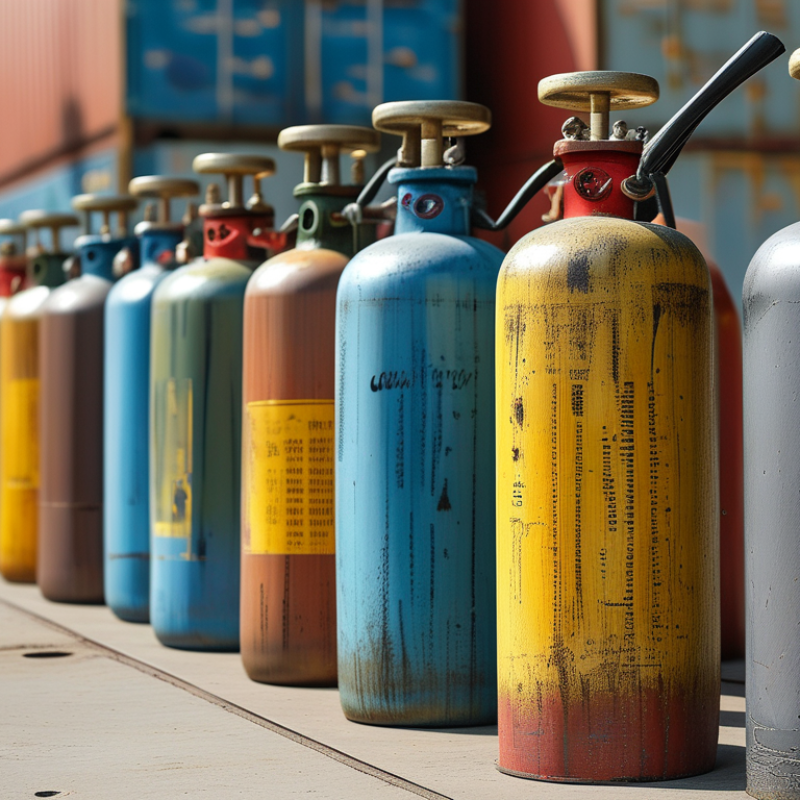
10 Cylinder Master Tips for Global Buyers
Define the Application and Required Cylinder Performance
Before comparing prices, define what the cylinder must do on the machine. A packaging line may need fast cycling, quiet movement, and precise stopping. An outdoor lift may require corrosion resistance, stable seals, and reliable operation across changing temperatures. These are different duties.
Write operating conditions in measurable terms. Record the load, stroke length, speed, cycle frequency, available space, and mounting position. Also identify the working medium and its cleanliness. Performance should be checked against real duty, not a catalogue headline. Estimate peak force, including friction, acceleration, side loads, and pressure loss.
Ask for rated pressure, test pressure, temperature limits, leakage limits, and expected service life. For pneumatic systems, air quality can affect seal wear. For hydraulic systems, fluid compatibility matters. Details matter. An experienced engineer should review safety factors and verify dimensions before ordering. Request drawings, material information, inspection records, and performance test data.
Global purchasing adds another layer. Confirm thread forms, port sizes, documentation, packaging, and applicable regional requirements early. Do not assume a familiar standard fits every factory. A cylinder that performs well in a test shop may behave differently near dust, vibration, or washdown. Pilot samples and measured cycle tests can expose that gap. I have seen neat specifications fail because one operating detail was guessed. Recheck the application after installation.
: Record load, stroke, speed, cycle frequency, space, mounting position, and working medium. Use measurable conditions. Do not rely on catalogue claims alone.
Estimate peak force, including friction, acceleration, side loads, and pressure loss. Check rated pressure, test pressure, temperature limits, leakage, and service life. A neat specification can still miss one operating detail.
Match steel or aluminum to pressure, temperature, corrosion exposure, and transport conditions. Outdoor equipment may need stronger corrosion protection. Material choice is easy to underestimate.
Confirm seal compatibility with the working medium, pressure, temperature, and cleaning chemicals. Review surface finish, compression, wear, and replacement intervals. Seal failure can begin quietly.
Request drawings, material certificates, traceability records, inspection reports, and performance test data. Check certificate scope, testing method, expiry status, and inspection authority. Documents should match actual markings.
Confirm capacity, pressure rating, valve connection, thread type, tare-weight tolerance, coating, color coding, and protective caps. Ask for the same specifications from every supplier. Small fitting differences can delay installation.
Compare total landed cost, including testing, certificates, inland transport, insurance, duties, and destination inspection. A low quotation may hide unusual fittings or handling charges. Cheap is not always economical.
Request a written breakdown for materials, forming, heat treatment, testing, documents, and freight. Add a practical buffer for port disruption and seasonal delays. Perfect forecasts are rare.
Yes. Test samples under realistic pressure, temperature, vibration, dust, or washdown conditions. Measure cycle performance independently before scaling. Recheck the application after installation.
For global buyers, Cylinder Master offers a practical framework for selecting the right industrial cylinder with confidence. Begin by defining the application, movement requirements, load, speed, duty cycle, and environmental conditions. Then confirm essential specifications, including bore size, stroke length, operating pressure, mounting style, port configuration, and connection details. Careful attention to these factors helps prevent performance problems, installation delays, and unnecessary replacement costs.
The guide also emphasizes evaluating construction materials, seal compatibility, certifications, temperature limits, corrosion resistance, and maintenance needs. Buyers should compare suppliers based on engineering capability, customization options, total pricing, production capacity, and realistic lead times rather than focusing only on the initial quote. Before shipment, establish inspection criteria, documentation requirements, packaging standards, and international logistics plans. Clear communication about after-sales service, spare parts, warranty terms, and technical support can further reduce risk and support reliable long-term operation across different markets.
